
Where Good Buildings Go to Die: The Finishing Stage Nobody Watches
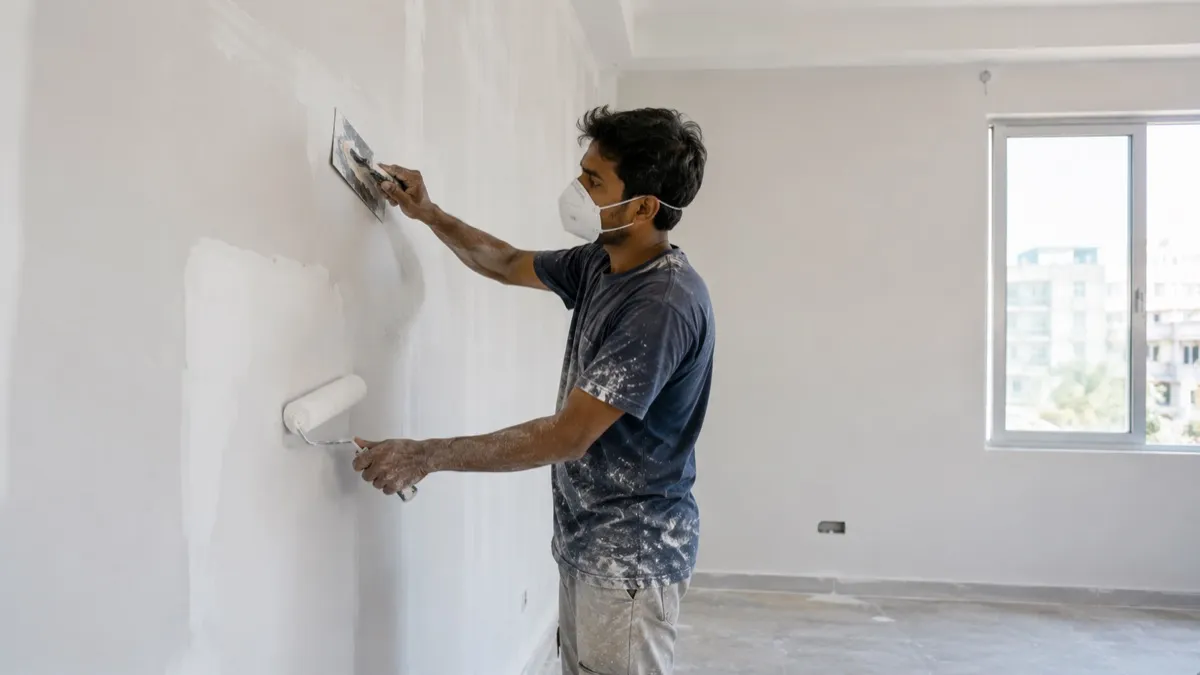
You designed a handsome residential building in Chandigarh. The structure is sound, the proportions are right. Then finishes happen. The tiles arrive a millimetre off and refuse to align. The painter skips surface prep, and by the first monsoon the paint is peeling off entire walls. The doors are cheap, the hinges loose, the latch never catches. The switch is too high; the toilet seat wobbles; the kitchen counter has a gap.
None of it is catastrophic. Together, these small failures destroy the feeling of the building. People walk in and think: "This is cheap. I'm disappointed." This is the finishing fiasco — and in India, it is where most buildings actually fail. The structure may be excellent, but finishes are what you touch every day, and that is exactly where quality collapses.
Why finishes always disappoint
The reasons are structural, not accidental:
- Finishes are the last priority. By the time the project reaches them, the contractor is behind schedule, stressed about cash flow, and thinking "get it done" — not "get it right." That is when corners get cut.
- The work goes to untrained labour. Good finishing crews are rare. A painter shows up with cheap paint and no surface prep; a tiler lays for speed, not alignment.
- Specifications are vague. "High-quality ceramic tiles" with no brand, size, or method invites the cheapest interpretation.
- Inspection is inadequate. Structure gets inspected constantly; finishes get a glance and a nod — until the paint peels.
- Trades are uncoordinated, so the painter paints over unfinished electricals and the carpenter damages finished walls.
The two failures you will see most
Tile misalignment. A Ludhiana lobby used large-format 600×1200mm imported porcelain. But the slab was a few millimetres uneven and the contractor tiled over it anyway. By the third row the unevenness accumulated; the floor looked wavy, the grout lines wandered, and the visual impact was destroyed — over a structurally fine floor. The cure was never applied: level the slab, dry-lay first, set with a laser level, grout evenly, seal. In most projects those steps are simply skipped.
Paint that peels. A Mohali tower swapped the specified acrylic for a cheap substitute to save around Rs. 2 lakh. One monsoon later, water infiltrated, the paint peeled, and the walls behind were damp. Contractor blamed the design; architect blamed the paint; the resident lived with it. Both were partly right — weak waterproofing and poor paint. Paint fails when surface prep is skipped, the wrong product is used, primer is omitted, and walls are painted before they are dry and waterproofed.
The third failure: doors and windows that don't fit
Doors and windows are what you touch every single day, so cheap ones make the whole building feel cheap. They don't close because the frame is warped or out of alignment; they sound hollow; the hinges squeak and the latch never catches; windows let in drafts and leak in the monsoon; and gaps appear everywhere between frame and wall. The cause is almost always the same — contractors treat them as commodities, buy budget units, and let general labour install them. A proper installation needs frame alignment, shims for level and plumb, correct sealing, and careful sequencing: frames during the structural stage, doors after paint but before final touches, never the other way around. The cure is to name the manufacturer and product, demand samples, use specialist installers, inspect operation and sealing rigorously, and hold the installer to a workmanship warranty.
Designing finishes for Indian execution
The hard truth: Indian execution will not match Singapore or London out of the box, so you design knowing that. Simplicity is quality. Simple finishes executed well beat complex finishes executed by average crews — a single-colour marble in large tiles still looks good when an ordinary crew lays it, while intricate multi-colour inlay just looks confused. Choose materials that hide imperfection — texture over smooth, granite over flaw-revealing marble, darker colours that forgive dust over light ones that show it. Use larger formats so there are fewer joints to misalign, and build modularity into the design so one imperfect tile blends into the pattern instead of standing out. Specify familiar Indian materials that local crews already know how to install rather than exotic imports they will struggle to source and fit. And budget specifically for finishing inspection — it is far cheaper than ripping out and redoing failures later.
How Secured Engineers Pvt. Ltd. stops the last-mile collapse
The finishing fiasco thrives wherever finishes are an afterthought handed to whoever is free, with vague specs and no real inspection. Secured Engineers Pvt. Ltd. treats the finishing stage as part of the engineered scope, not a tail-end errand. Because our design and execution sit under one roof, specifications name the exact product, surface flatness tolerance, adhesive, and method; samples are approved before bulk purchase; and trades are sequenced so the painter is not painting over live electricals. We inspect finishes deeply — one element at a time, with photos and a punch list — and refuse handover until that list is closed. The result is a building that still looks and feels right years after the renderings are forgotten.
If your last building looked great on screen and ordinary in person, the finishing stage is where it slipped. Get a free MEP quote and we will show you how an integrated team protects the last mile. For more site-tested lessons, read "From AutoCAD to Actual Site" by Er. Ankur Kaplesh — get notified at launch.
More insights
VRF vs Chiller Plant: Which HVAC System Should You Choose in India?
A direct, India-specific comparison of VRF and chilled-water plants — by capacity, running cost, plant room, payback and the building types each one suits best.
Solar EnergyWhy Most Industrial Solar Underperforms (It Starts on Day 1)
Solar is not a product you buy — it is an engineering outcome. The decisions made before a single panel goes up quietly decide whether your plant saves money or loses it for 25 years.