
What Does an MEP Contractor Do? (And Why Fire Protection Belongs In-House)
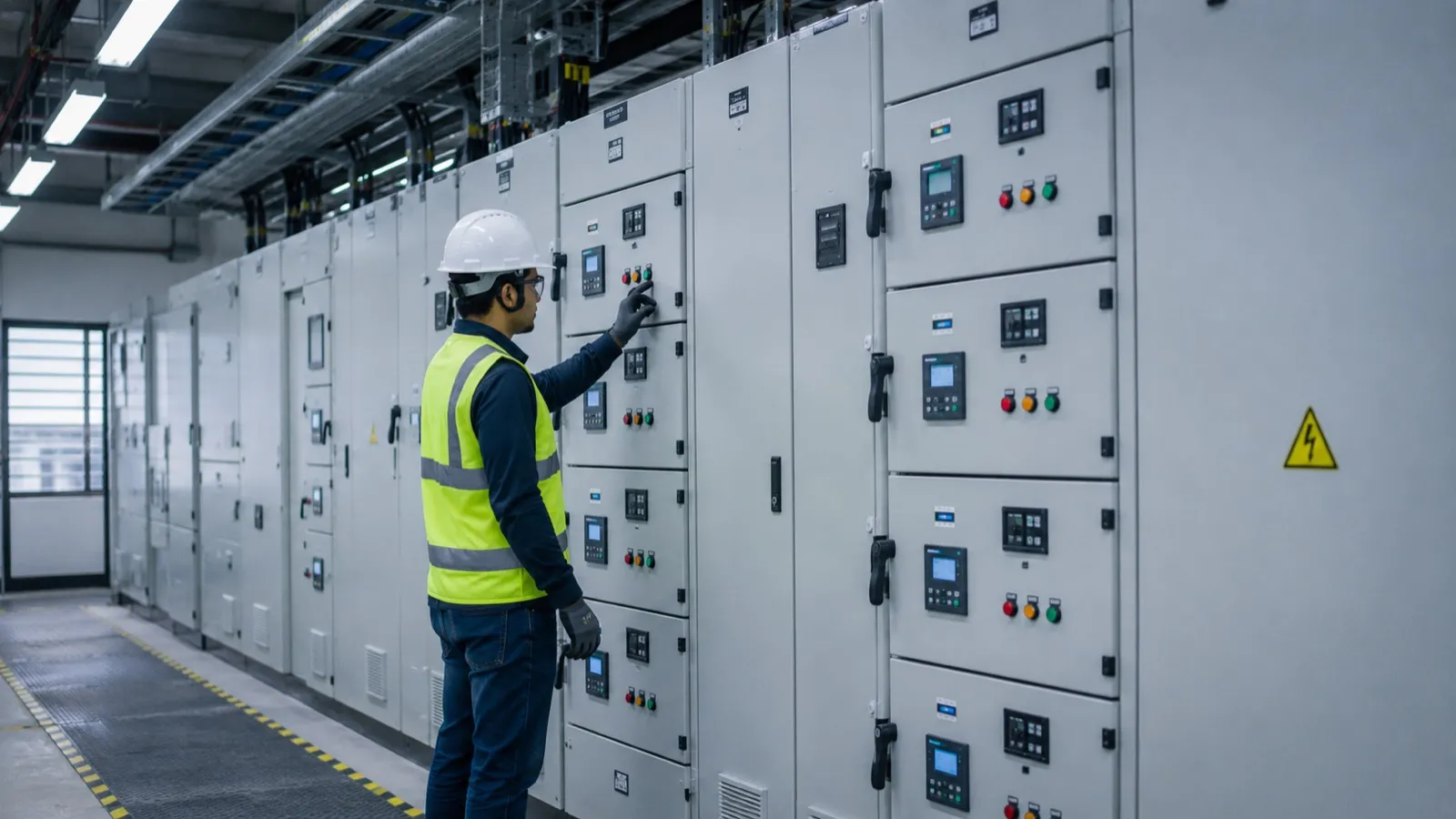
"MEP contractor" is one of the most-used phrases in construction — and one of the least-understood by the people who actually hire one. If you are a developer, facility owner or architect trying to scope a project, here is a plain-English answer to what an MEP contractor does, what falls inside the job, and why the best teams keep fire protection under the same roof.
The short answer
An MEP contractor designs, installs, tests and commissions a building's core engineering systems — Mechanical, Electrical and Plumbing. In practice that means everything that makes a building comfortable, powered, watered and safe: the air-conditioning, the electrical supply, the water and drainage, and — in a full-scope MEPF contract — the fire protection too.
The three (or four) disciplines, explained
Mechanical (HVAC)
Chillers, VRF systems, air-handling units, ventilation, pressurisation and exhaust — the systems that control temperature, air quality and comfort. In factories and cleanrooms this extends to process cooling and precise environmental control.
Electrical
HT/LT distribution, transformers, DG sets, LT panels, cabling, lighting, earthing and lightning protection — everything that delivers safe, reliable power from the grid to the socket.
Plumbing & public health
Water supply, hot water, soil and waste drainage, rainwater harvesting, pumping and sewage treatment — the systems that manage every drop of water entering and leaving the building.
Fire protection — the "F" in MEPF
Hydrants, sprinklers, fire pumps, detection and alarm, and the Fire-NOC that makes occupation legal. In India this is regulated separately and rigorously, which is exactly why fire deserves its own letter.
What an MEP contractor actually delivers on a project
- Design & engineering — load calculations, system sizing and coordinated services drawings.
- Statutory approvals — Fire-NOC, CEIG electrical inspection, DISCOM net-metering, pollution-board consent.
- Procurement & installation — sourcing approved makes and installing to specification.
- Testing & commissioning — proving every system performs before handover.
- Maintenance (AMC) — keeping systems efficient and compliant over their life.
Why fire protection belongs in-house
Here is the part many owners learn the hard way. When fire is a separate contract, its drawings are produced in isolation — and fire mains are large, rigid and unforgiving. They clash with ducts and cable trays, force rework, and stall the Fire-NOC when the as-built reality no longer matches the approved scheme. An MEP contractor that also delivers fire protection services designs all four disciplines together, so the fire system is coordinated from day one and the NOC becomes a formality, not a fire drill.
MEP contractor vs sub-contractor: the accountability question
A true MEP contractor is a single accountable partner. Split the scope across five specialist sub-contractors and you inherit the coordination risk yourself — every clash, delay and blame-shift lands on your desk. That single-window accountability is the real product an MEP contractor sells; the pipes and panels are just the deliverables.
Choosing well
Look for in-house fire scope, in-house approvals, coordinated drawings and a genuine track record. Secured Engineers Pvt. Ltd. is a single-window MEP contractor in India delivering mechanical, electrical, plumbing, fire and solar under one contract. Request a free engineering blueprint to scope your project the right way.
More insights
VRF vs Chiller Plant: Which HVAC System Should You Choose in India?
A direct, India-specific comparison of VRF and chilled-water plants — by capacity, running cost, plant room, payback and the building types each one suits best.
Solar EnergyWhy Most Industrial Solar Underperforms (It Starts on Day 1)
Solar is not a product you buy — it is an engineering outcome. The decisions made before a single panel goes up quietly decide whether your plant saves money or loses it for 25 years.