
Factory expansion: is the DEWA additional-load package complete?
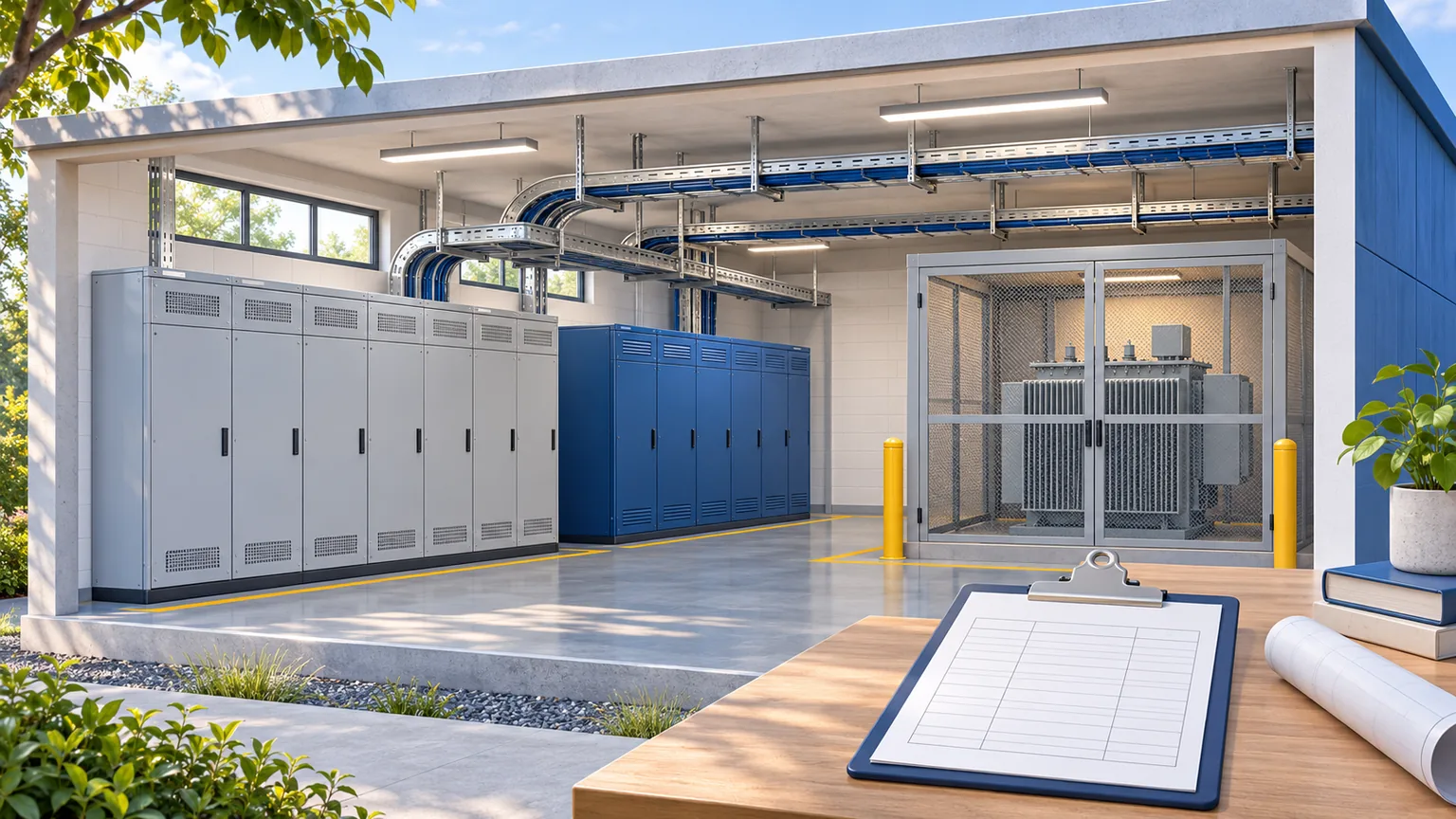
Before a factory adds machinery, reconcile the existing approved arrangement, the actual installation and the proposed operating loads. A DEWA additional-load document review should trace that change through load schedules, the single-line diagram, distribution layouts and supporting inputs. The local enrolled consultant or contractor confirms the current submission route and undertakes the application, inspection and site responsibilities.
A new production line is ordered and the electrical team is asked to connect it. The equipment list contains rated inputs, the old single-line diagram shows spare ways, and the factory has recent utility bills. Those three records are useful, but together they do not prove that the expansion can be connected within the existing design and approval basis.
Before procurement and installation decisions become fixed, prepare a clear existing-versus-proposed package. It should explain what changes, where the new duty enters the distribution and which assumptions require local verification.
Establish three different baselines
First identify the approved electrical arrangement and its supporting records. Then identify the installed arrangement using current site information. Finally define the proposed operating arrangement, including equipment that will be removed, retained or added.
Do not silently assume that the first two are identical. A distribution board may have been changed or a machine moved since the last drawing issue. Ask the local team to reconcile discrepancies and mark the limits of the available survey information.
The proposed basis should distinguish connected load from the expected simultaneous duty. Record the operating assumptions that support the demand assessment, rather than applying a convenient diversity percentage to the whole factory.
Build a machine-to-board change schedule
| Record | Information required |
|---|---|
| Equipment identity | Machine tag, duty and final supplier data revision |
| Electrical input | Rated input, supply requirements and relevant starting or operating characteristics |
| Production mode | Which equipment operates together, including startup, cleaning and maintenance modes |
| Distribution point | Proposed board, feeder reference and physical connection location |
| Existing change | Loads removed, relocated or altered as part of the expansion |
| Verification owner | Person responsible for the machine data and local installation evidence |
Use the same tags in the load schedule, single-line diagram and equipment layout. When data is preliminary, state the assumption and its consequence. The final supplier data should trigger a reconciliation before release of the affected electrical package.
Align the DEWA document set
DEWA’s electricity permits and connections service states that its process serves enrolled consultants and contractors and can be used for additional-load requests. Its published information includes load and distribution schedules, a proposed LV single-line diagram, metering and relevant layout details. The appointed local team must verify current requirements and file formats for the actual application.
The remote review should trace the proposed load change through those related documents. If a new machine appears on a schedule but not on the layout or diagram, the reviewer should identify the mismatch and request a coordinated revision.
Ask the engineering questions behind the paperwork
A document pack should make the design decisions inspectable. Depending on the agreed scope, questions may involve distribution capacity, cable routing, protection coordination, equipment ratings, room arrangements and the effect of starting or variable operating loads. The responsible local designer establishes the applicable calculation and approval basis.
Illustrative issue: two machines can each run alone during normal production but may start together after an interruption. The review asks the owner and OEM to confirm that operating mode before the design team finalises the demand and starting assessment. It does not infer suitability from the sum of nameplate ratings.
Similarly, a spare outgoing way is only a physical provision. Its presence does not establish spare upstream capacity, an acceptable protection arrangement or an approved additional load.
Define a useful review outcome
The output can include an existing/proposed load comparison, marked-up single-line diagram, cross-document discrepancy register and a missing-input list. Each issue should say whether it affects a calculation, a drawing, a supplier response or a local submission decision.
State the revision baseline and keep assumptions visible. A review completed before the final machine data arrives should identify which conclusions require confirmation. That lets the project manager coordinate procurement and design without mistaking a preliminary review for construction release.
Request an expansion-package review
Share the existing and proposed single-line diagrams, load schedules, new-machine data and available approval correspondence through our RFQ page. Identify the factory location, local enrolled lead and expected installation stage.
Secured Engineers provides remote engineering and document support from India. The appointed local professionals verify the installation, finalise the design, submit to DEWA and manage inspection and energisation. The review helps them work from a consistent account of the planned expansion.
Sources and project references
Use the document edition and requirements that apply to your project and decision date.
Related planning resources
Frequently asked
Does spare breaker space mean the new machines can be connected?
No. Physical space is only one input. The local designer must evaluate the upstream supply, distribution, protection and applicable approval basis using the actual proposed loads and operating modes.
Can utility bills replace a load schedule?
Bills and measured demand help describe operation, but they do not identify every circuit or establish the design conditions for new equipment. Use them with current drawings, equipment data and a documented operating profile.
Who submits an additional-load request to DEWA?
The appointed enrolled local consultant or contractor manages the relevant application. Secured Engineers supports the design documents remotely and does not represent this review as DEWA approval or local licensed sign-off.
Related remote design support
More on Electrical & Power · all insights