
Low chilled-water temperature difference: diagnose before adding a chiller
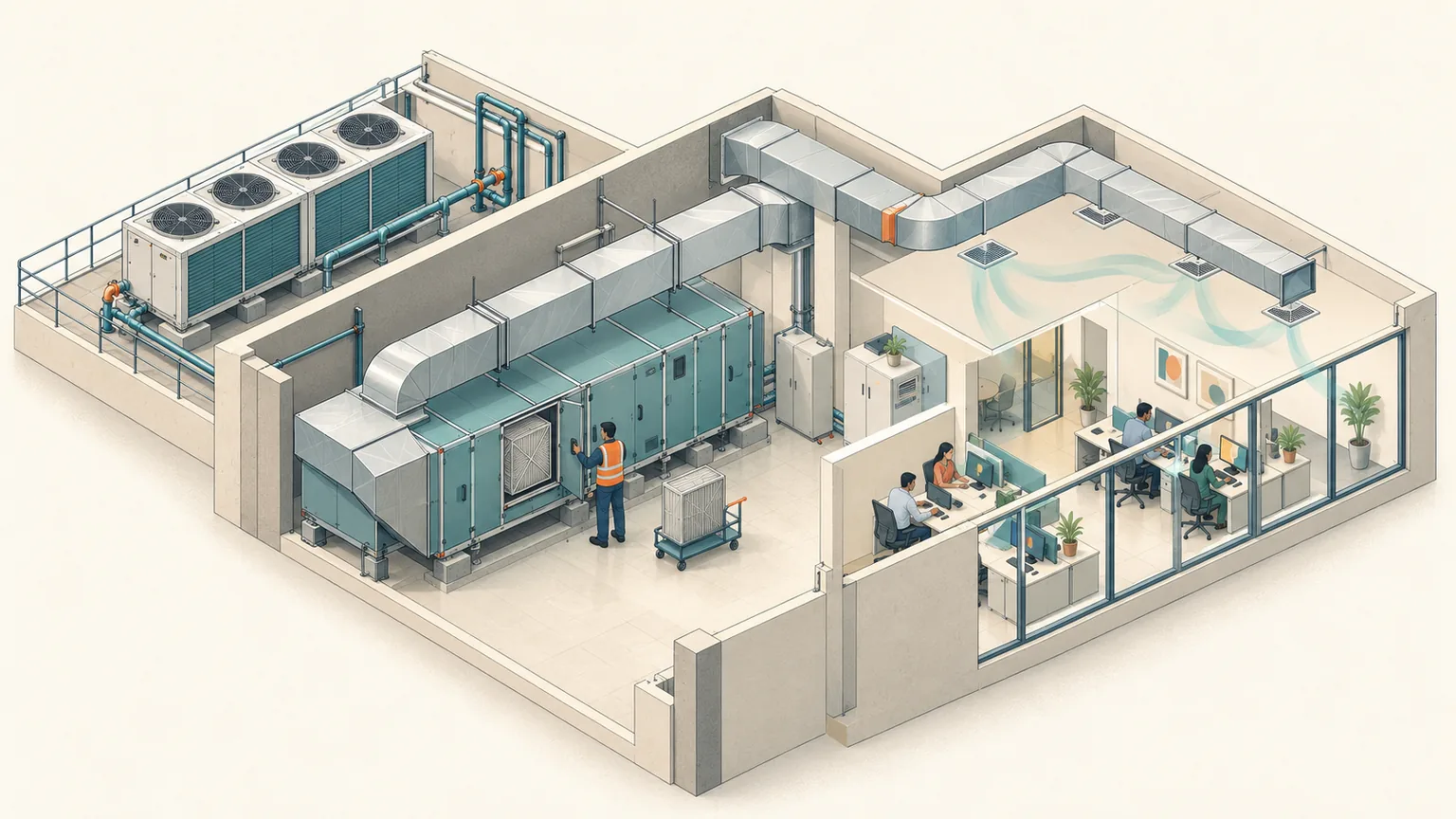
When cooling performance disappoints, increasing chiller capacity can appear to be the obvious answer. But poor temperature difference across the distribution system may point to flow, controls or terminal-unit behaviour rather than inadequate installed cooling capacity.
Ask for measurements across the plant and representative loads under known operating conditions. Compare supply and return temperatures, flow indications, valve behaviour and delivered room performance. A single temperature reading is not a diagnosis. Sensor accuracy and the actual operating sequence need checking before conclusions are drawn.
The consultant should identify whether the issue originates at the plant, distribution or connected loads, and explain how the evidence supports that conclusion. Proposed changes should include a verification plan. This helps the owner avoid adding equipment that increases capital cost while leaving the original distribution problem intact. Any adjustments must respect the equipment's operating limits and the designer's approved control strategy.
What to confirm before the next decision
- Establish a reliable measurement baseline and representative test condition.
- Review valve and pump behaviour alongside temperatures.
- Verify the outcome after corrective work under comparable conditions.
Ask for this review output: A diagnostic record linking representative temperature and flow measurements to operating conditions, limitations and the next investigation.
Discuss the consultancy scope
Share plant trends, operating complaints and the hydraulic schematic. Request a chilled-water performance diagnosis. Request a scoped MEP review. Disciplines, inputs and deliverables are agreed before an appointment; installation and authority decisions are separate.
Continue with the related planning guide or see our MEP design and consultancy scope.
Background guidance: WBDG — High-Performance HVAC, WBDG — Commissioning Documents. These support the planning principles; project requirements and local applicability must be confirmed by the responsible designers.
Related services
Related guides
- The Plant Met Spec in 2020. The Spec Assumed Summers North India No Longer Has.
- One Bill, Six Tenants, and No Way to Prove Who Used What.
- A Digital Twin Is Not a 3D Model. It Is a Live Data Obligation.
- The Most Dangerous Electrical Installation You Will Ever Own Is the Temporary One
- HVAC Insulation and Condensation: What to Check During a Renovation
- The Hospital Passed Its Medical Audit. The Building Failed Its Own.
Related on this site
- termHVAC
- termMEP
- termOpen Access (Solar)
- serviceAccess Control & Boom Barriers (Low Voltage / ELV)
- servicePublic Address & Voice Evacuation (Low Voltage / ELV)
- calculatorMEP Maintenance Budget Calculator
- calculatorSolar Net Metering Savings Calculator
- buyer's guideHow to Select an Industrial HVAC Contractor
- guideNBC 2016 fire and life safety for factories
- guideFire NOC for factories
More on HVAC & Mechanical · all insights