
Plumbing & Public Health: guides & engineering insights
Public health engineering is the quiet discipline with the loudest failures: towers that trickle upstairs and hammer downstairs, treatment plants that meet their consent on paper and their neighbours' noses in person, harvesting pits that satisfied a drawing checker and never harvested a litre. The guides in this hub take the water story end to end — demand, storage, pressure, treatment, reuse and disposal — the way NBC 2016 Part 9 frames it and the way sites actually break it.
Two threads dominate. The hydraulic one: demand computed honestly from occupancy norms, tanks split correctly (with the fire reserve sacrosanct), pumps selected against real head, tall buildings zoned so no fixture lives outside its pressure band, and drainage vented so traps keep their seals. And the compliance one: SPCB consents that fix your STP/ETP obligations, CGWA directions that tie borewells to recharge, and ULB bye-laws that check rainwater harvesting at sanction and completion — a web where the engineering and the paperwork must describe the same system.
Water is also increasingly an economics story — tanker dependence, reuse mandates, ZLD directions in stressed clusters — and several guides here are really cost cases wearing pipework. The calculators carry the arithmetic: water demand and tanks, STP capacity, pump head, rainwater yield — numbers to hold against any proposal, including ours.
The references this discipline runs on
| Area | Reference | What it governs |
|---|---|---|
| Plumbing framework | NBC 2016 Part 9 | Water supply, drainage and sanitation practice |
| Demand basis | IS 1172 | Per-capita water requirements by occupancy |
| Groundwater | CGWA directions | Abstraction NOCs and recharge obligations |
| Effluent & sewage | SPCB consent regimes (CTE/CTO) | Treatment obligations, discharge norms, monitoring |
| Local rules | ULB building bye-laws | Rainwater harvesting mandates, connections, separation rules |
Where to go deeper
All plumbing & public health guides (11)
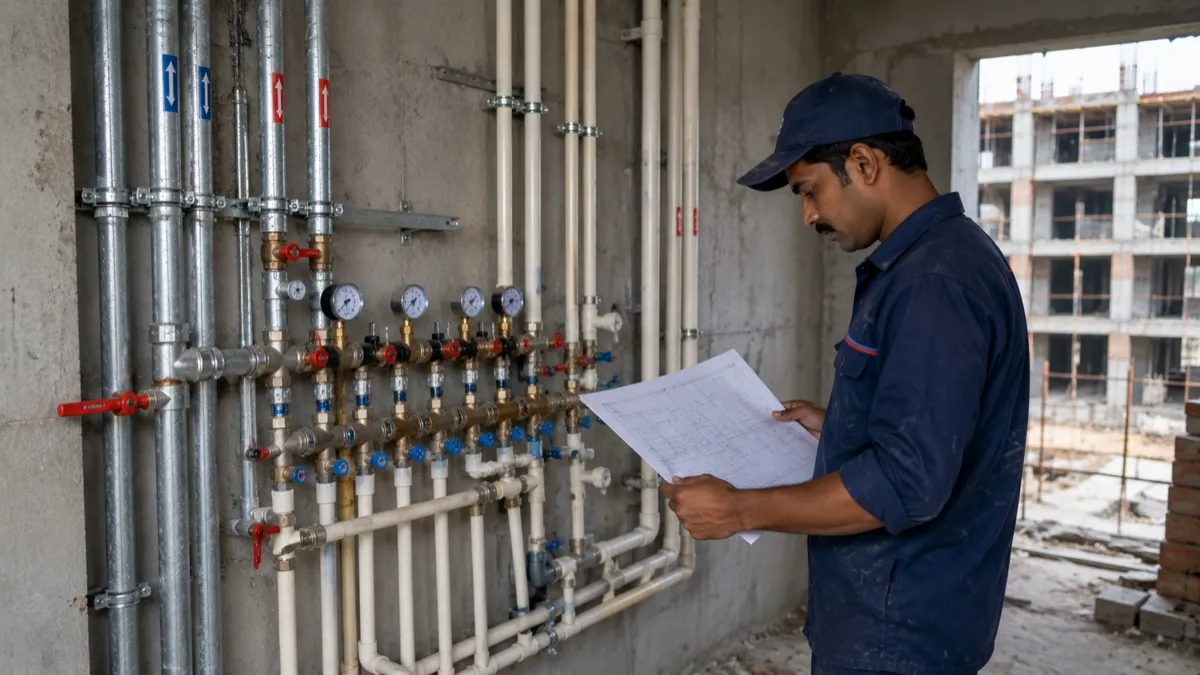
Factory Expansion Water Demand: Domestic, Process, Peaks and Storage
An expansion needs more water — but more of which water, at what hour, from which source and stored how? Build the demand stream by stream: domestic per head, process per unit of output, cooling and boiler make-up, shift peaks, fire storage kept apart, and the permissions that cap the source.

STP vs ETP for Industrial Wastewater: What an Expansion Needs
An STP treats domestic sewage; an ETP treats process effluent, and it can only be designed from your own effluent. Why the two streams stay separate, how to sample before sizing, what the consent requires of an expansion, and the brief a process designer needs.
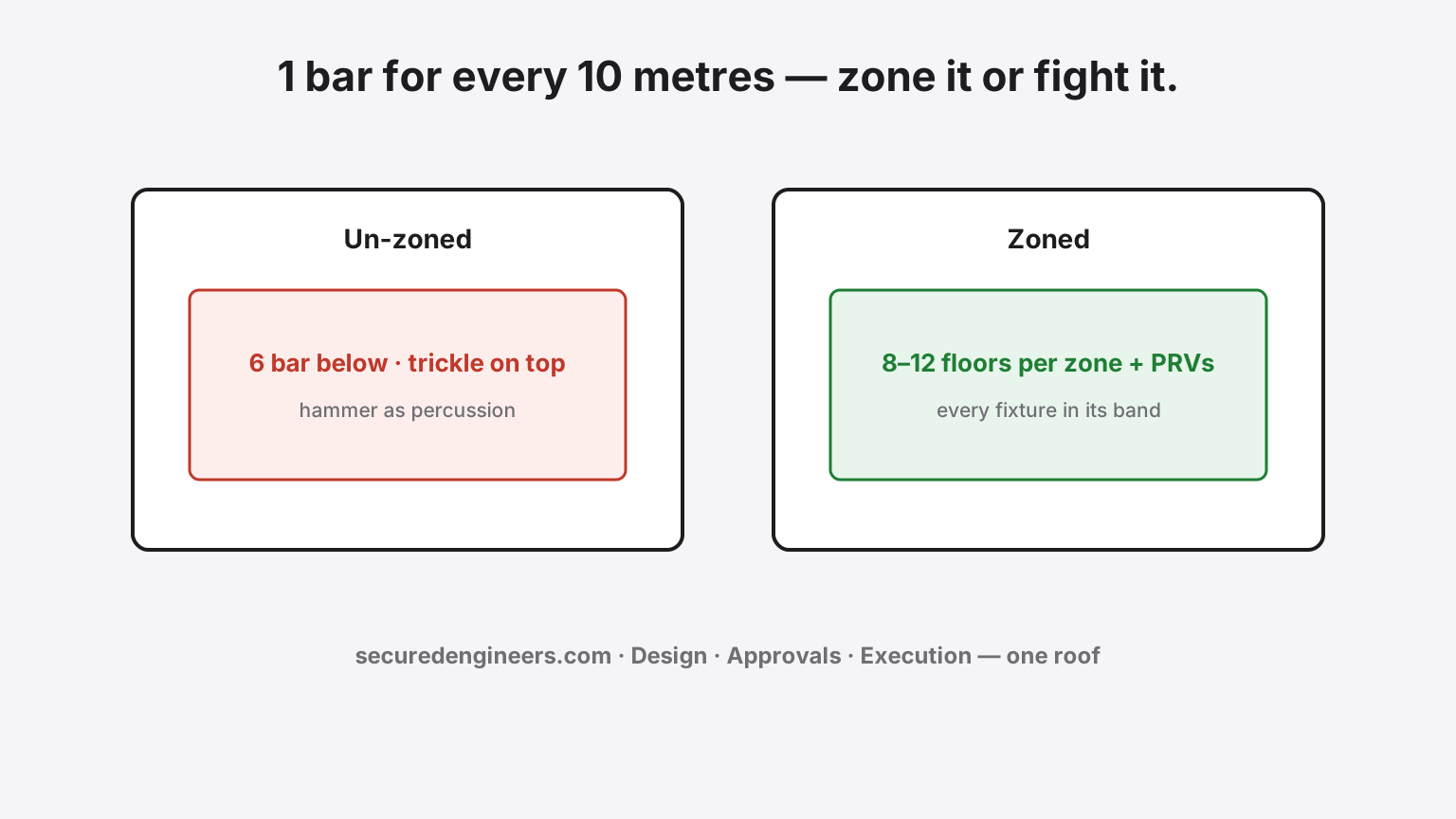
Why the 3rd Floor Gets a Trickle, the 1st Floor Gets a Jet, and the Pipes Bang at Night
Height converts quietly into pressure — one bar for every ten metres of water column. Un-zoned high-rise plumbing gives the lowest floors destructive pressure and the highest floors none, then adds water hammer as percussion. The fix is architecture, not bigger pumps.
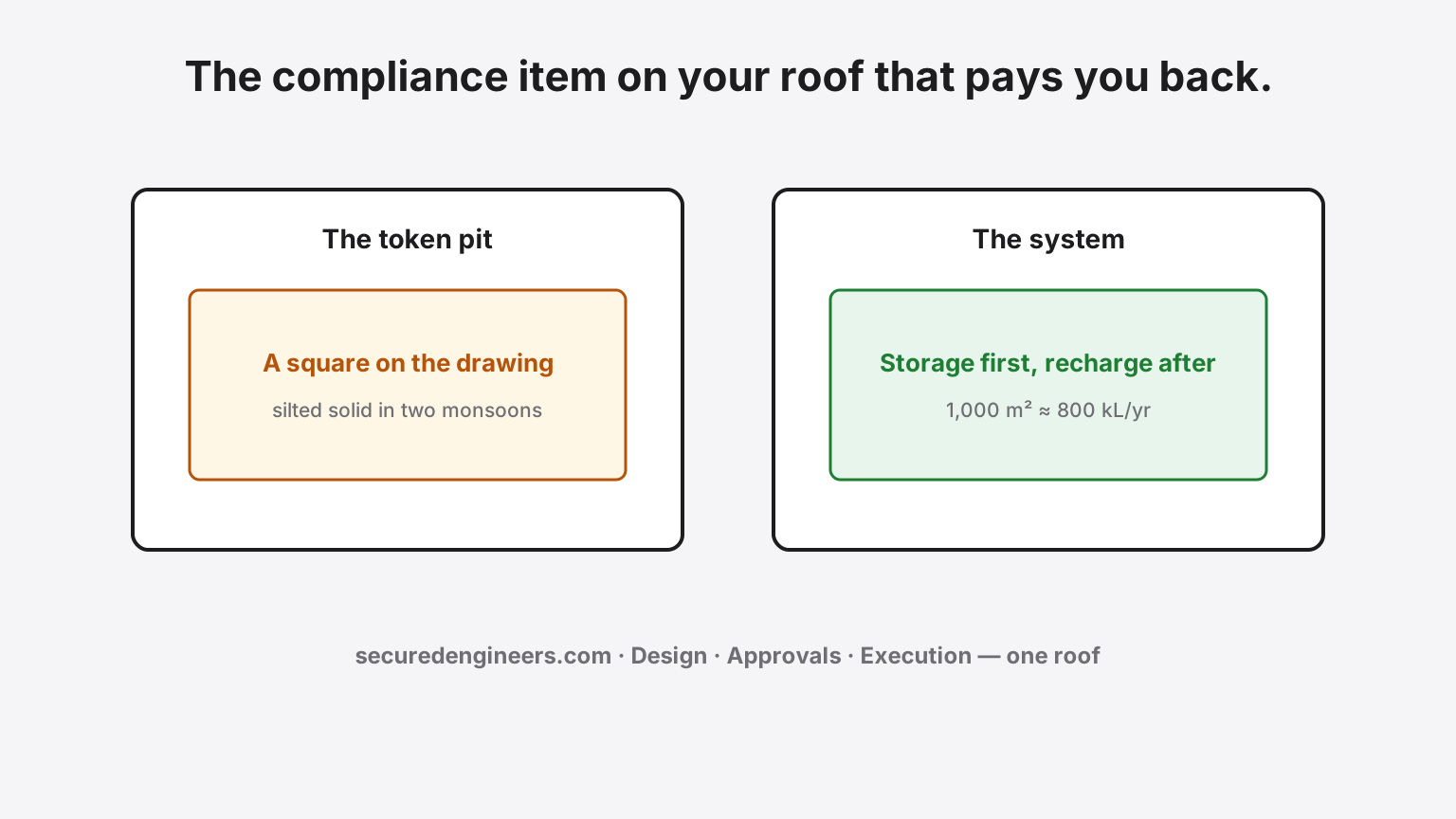
Rainwater Harvesting for Factories and Commercial Sites
Rainwater harvesting on an industrial site is two decisions: how much water the roofs can deliver, and whether to store it, recharge it or both. A rainfall and catchment checklist, a storage-or-recharge decision table, and the CGWA, bye-law and water-quality points to confirm.
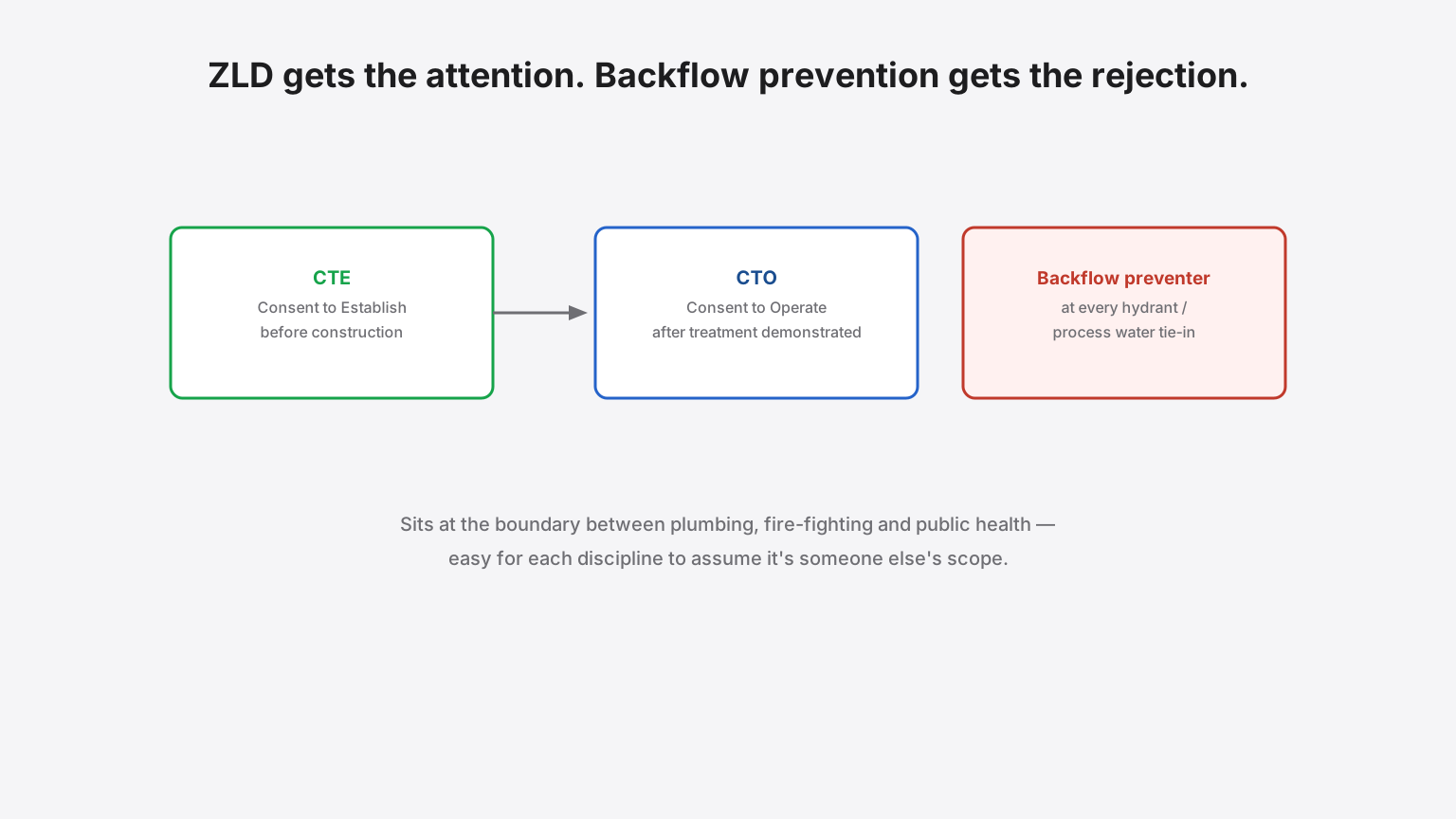
ZLD and Greywater Get the Attention. Backflow Prevention Gets the Rejection Letter.
Industrial water compliance conversations focus on effluent — ZLD, greywater recycling. The permitting step that actually stalls a project just as often is upstream of that: Consent to Establish/Operate from the pollution control board, and backflow prevention on the potable supply, which barely gets discussed until an inspector asks for it.
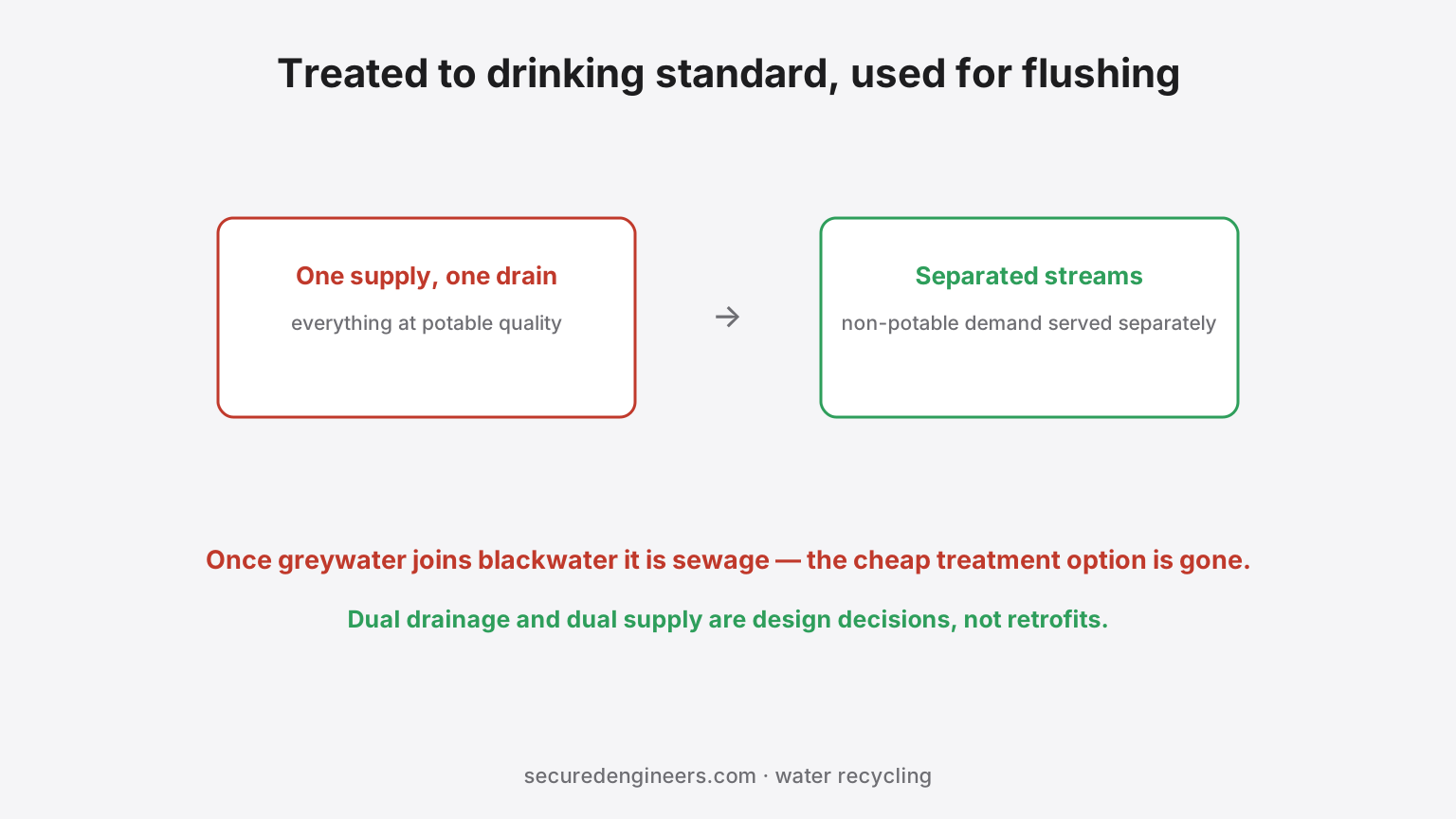
Water Reuse in Factories: Building a Savings Case That Holds Up
Treated water saves money only when it replaces water you would otherwise buy or pump, at the quality and time the use needs. A savings case built on matched demand, the full cost of treatment and pumping, and an honest allowance for downtime and monitoring.
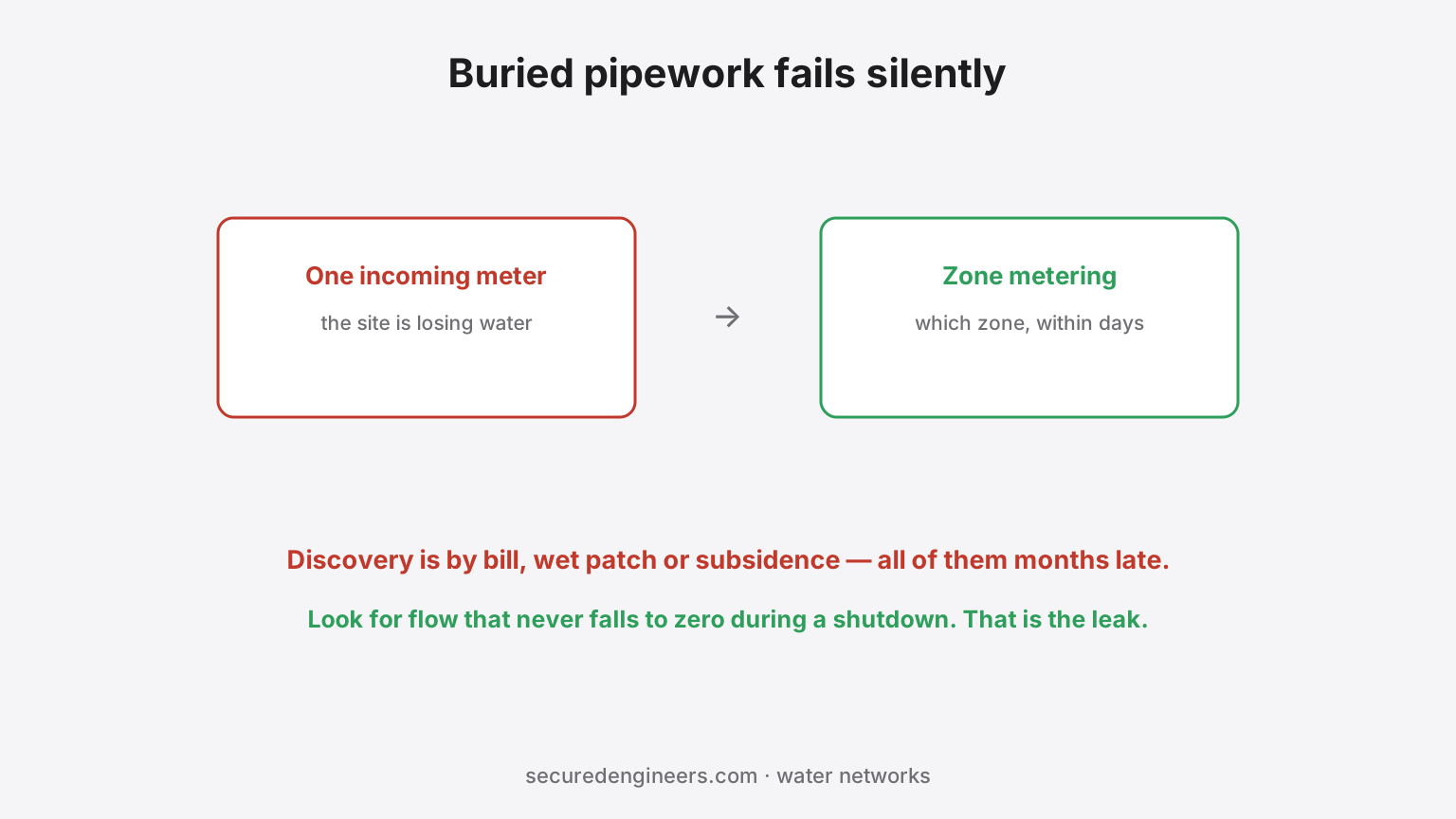
The Leak Started in March. You Found It in the August Water Bill.
Buried and concealed pipework fails silently. On an industrial site the loss is discovered by a bill, a wet patch or a sinkhole — all of them late. Flow monitoring finds it in days by watching for consumption that never stops.
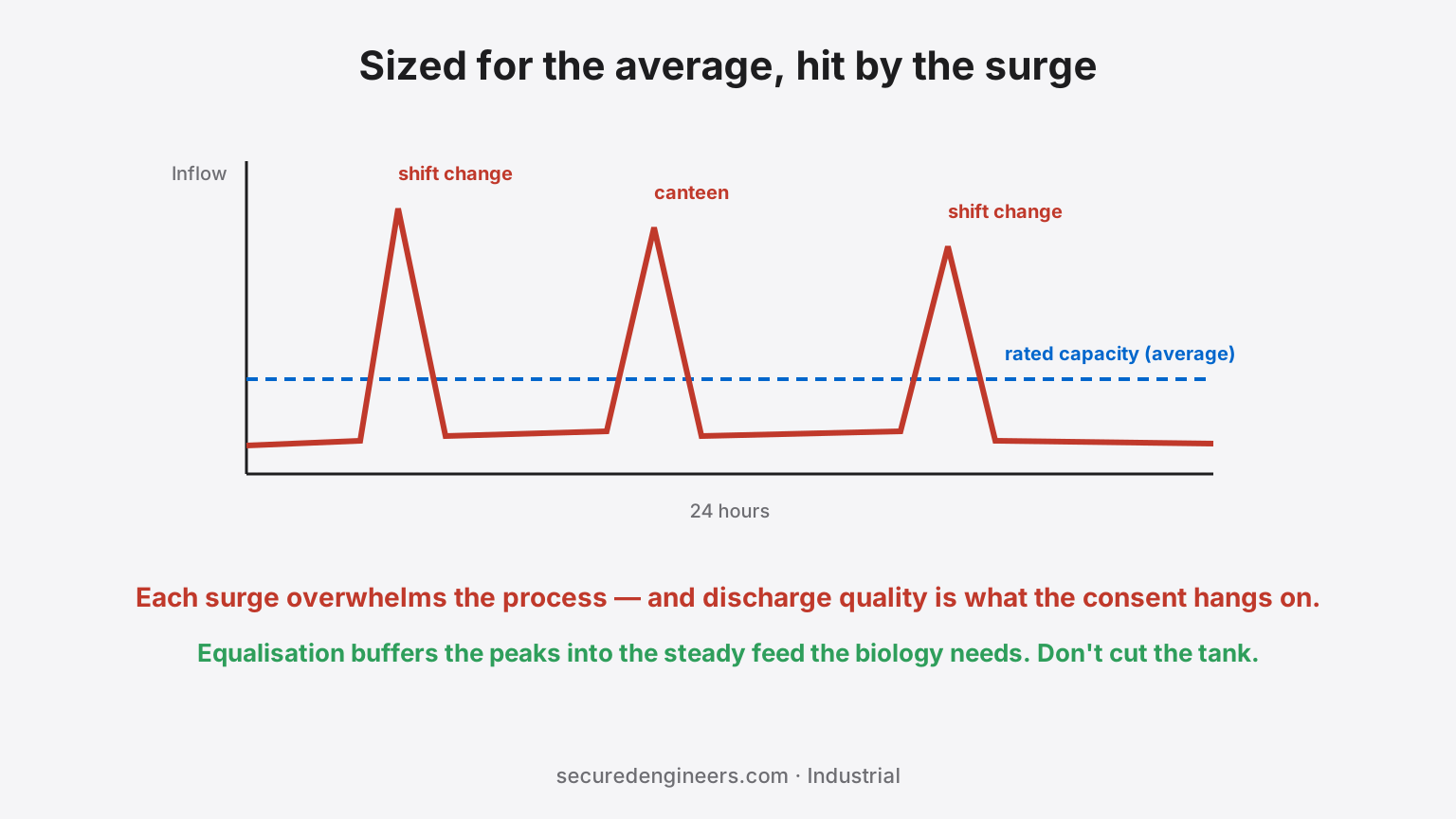
STP Expansion: Check Hydraulic and Organic Load
A sewage treatment plant rated in KLD has two separate limits: the flow every unit can pass at the peak hour, and the BOD and nitrogen load the biology can treat each day. How to measure both, forecast shifts and occupancy, and set treatment and reuse acceptance criteria before you expand.
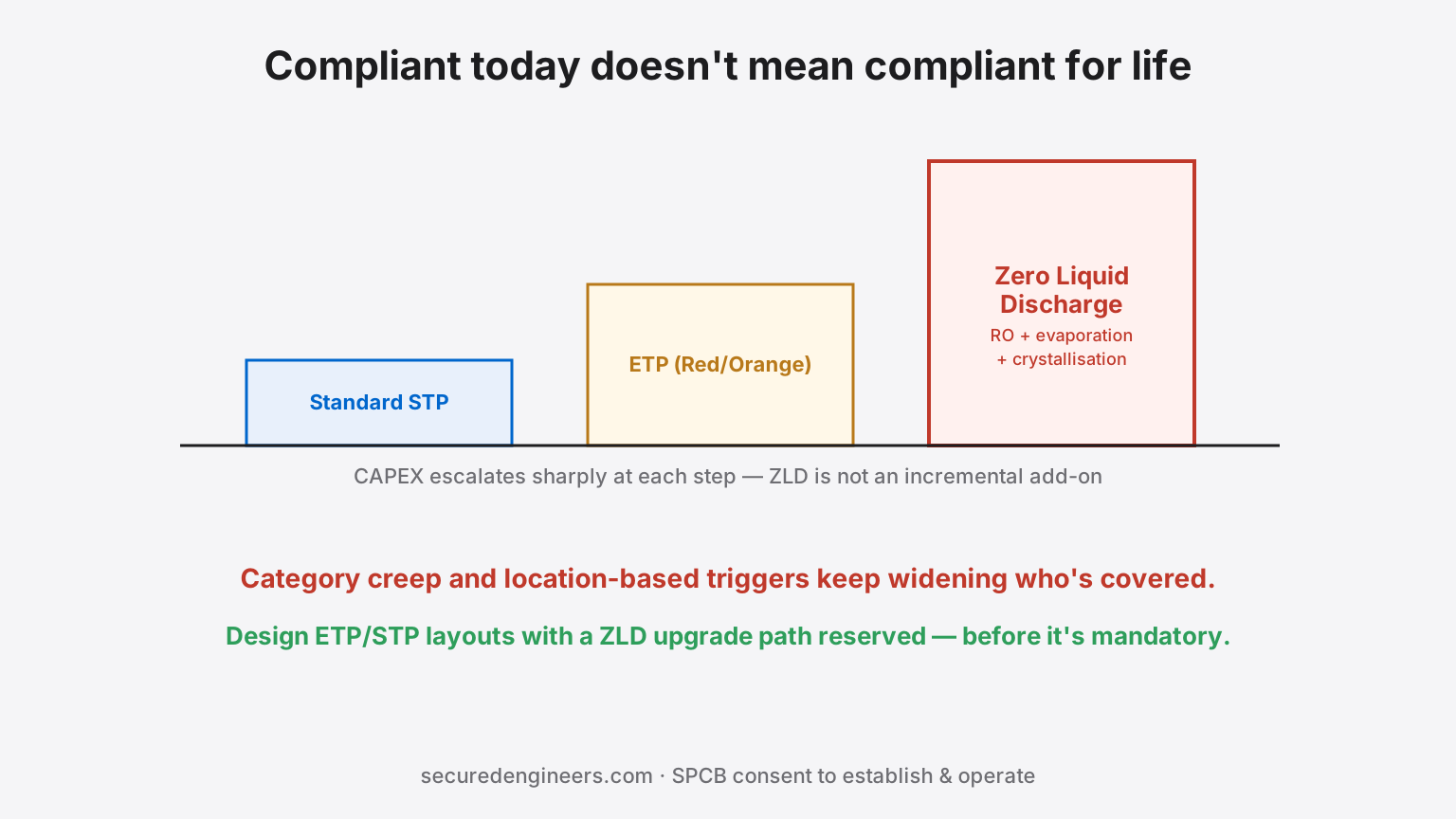
Your STP Was Compliant Last Year. ZLD Is Reaching More Categories Every Year.
Zero Liquid Discharge (ZLD) — recovering and reusing effluent instead of discharging any of it — started as a mandate for a handful of highly polluting sectors, but pollution control boards keep extending it to more industrial categories and locations. The CAPEX gap between a compliant STP and true ZLD is large enough to plan for years ahead.
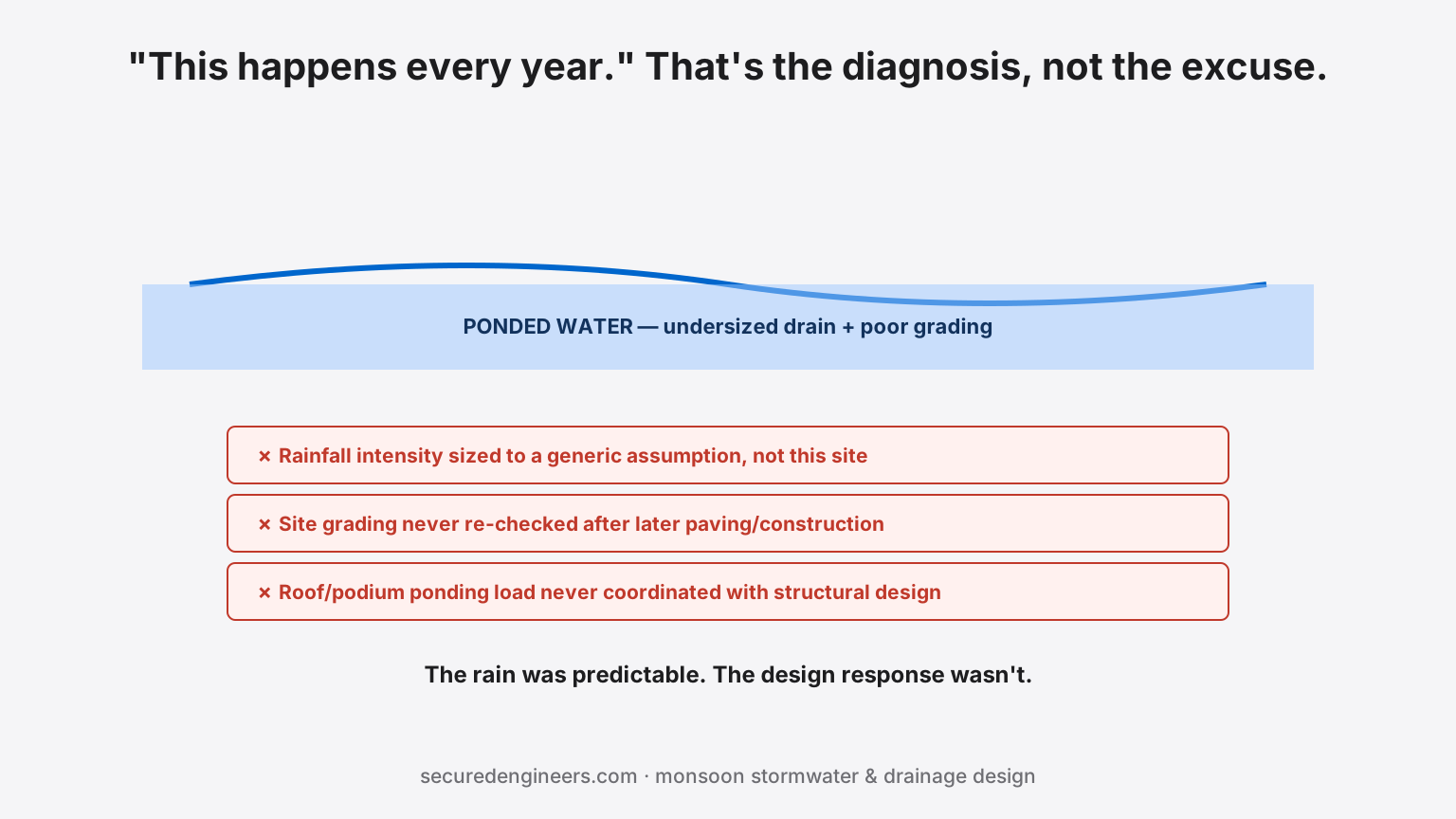
The Rain Was Predictable. The Waterlogging Was a Design Choice.
July 2026's monsoon has brought building collapses in Delhi and Pune, a Pimpri-Chinchwad structure crushed by a garbage mound loosened by rain, and the same waterlogged roads reappearing in the same low-lying pockets they flood every single year. "This happens every year" is usually the sign of a stormwater and site-grading decision made once at design stage, never revisited, and now compounding with every monsoon since.
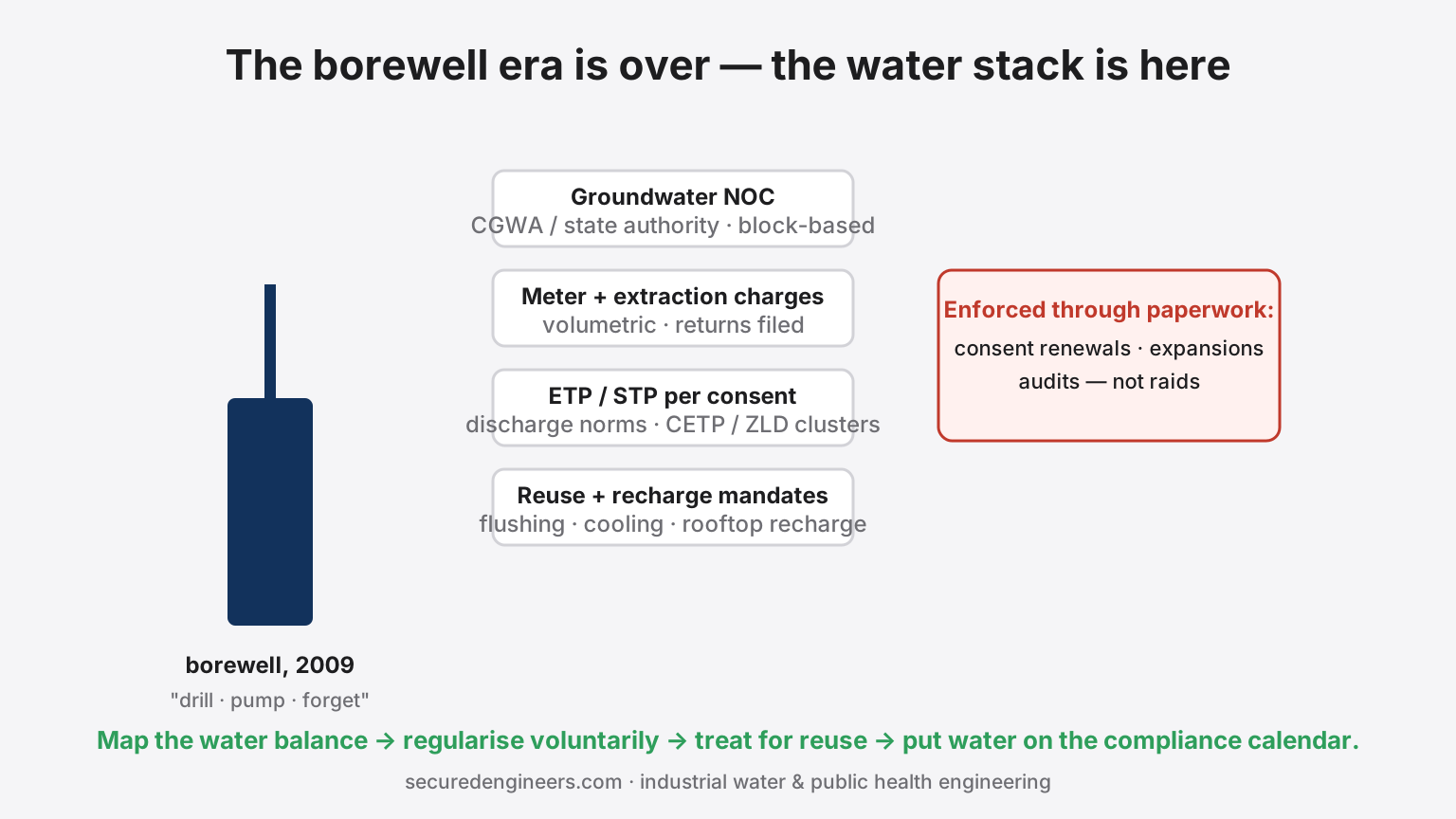
The Borewell You Drilled in 2009 Now Needs a Licence. And a Meter. And a Fee.
For decades, industrial water in North India was simple: drill, pump, forget. That era is over — groundwater NOCs, extraction charges, meters, recharge obligations and effluent-reuse mandates now stack on top of each other, and enforcement runs through your consent renewals. The water compliance map, decoded.
Ready to start your project?
Get a free consultation and quote. We design, prepare and file your approvals, and execute — you deal with one team.