
Statutory & Approvals: guides & engineering insights
Approvals are where Indian projects actually lose their months — not in concrete or copper, but in queues, queries and resubmissions across a dozen authorities whose requirements interlock without coordinating: Fire NOC and building sanction reading the same drawings differently, CEIG and DISCOM sequencing each other, pollution consents and groundwater NOCs holding conditions over everything downstream. The guides in this hub map that terrain authority by authority, from a contractor's seat inside hundreds of files.
The pattern the guides keep returning to is that authorities rarely reject projects — they reject documents. Files bounce for internal inconsistency (drawings that disagree with each other), missing test evidence, and scope that changed after submission. The corollary is optimistic: first-time-right submissions are a discipline, not a favour, and most "authority delay" is resubmission delay wearing a uniform.
The compliance load also never ends at commissioning: NOC renewals re-test systems, the 2023 electrical safety regulations demand ongoing records, consents carry monitoring, and change-of-use or expansion quietly re-triggers processes owners assumed were closed. These guides — with the readiness checkers beside them — exist so the paperwork layer runs parallel to the build instead of after it, which is the entire economics of single-window delivery.
The authorities and instruments
| Area | Reference | What it governs |
|---|---|---|
| Fire | State Fire Services Acts; NBC 2016 Part 4 | Provisional/final NOC and renewals |
| Electrical | CEA (Safety) Regulations 2023; State Inspectorates | CEIG approvals, energisation, periodic inspection |
| Power supply | DISCOM supply codes | Sanction, enhancement, metering, net metering |
| Factories | Factories Act & State Rules (DISH) | Plan approval, licence, safety compliance |
| Environment | SPCB CTE/CTO; EIA notification (where applicable) | Consents, discharge norms, monitoring |
| Groundwater | CGWA directions | Abstraction NOCs and recharge conditions |
Where to go deeper
All statutory & approvals guides (22)
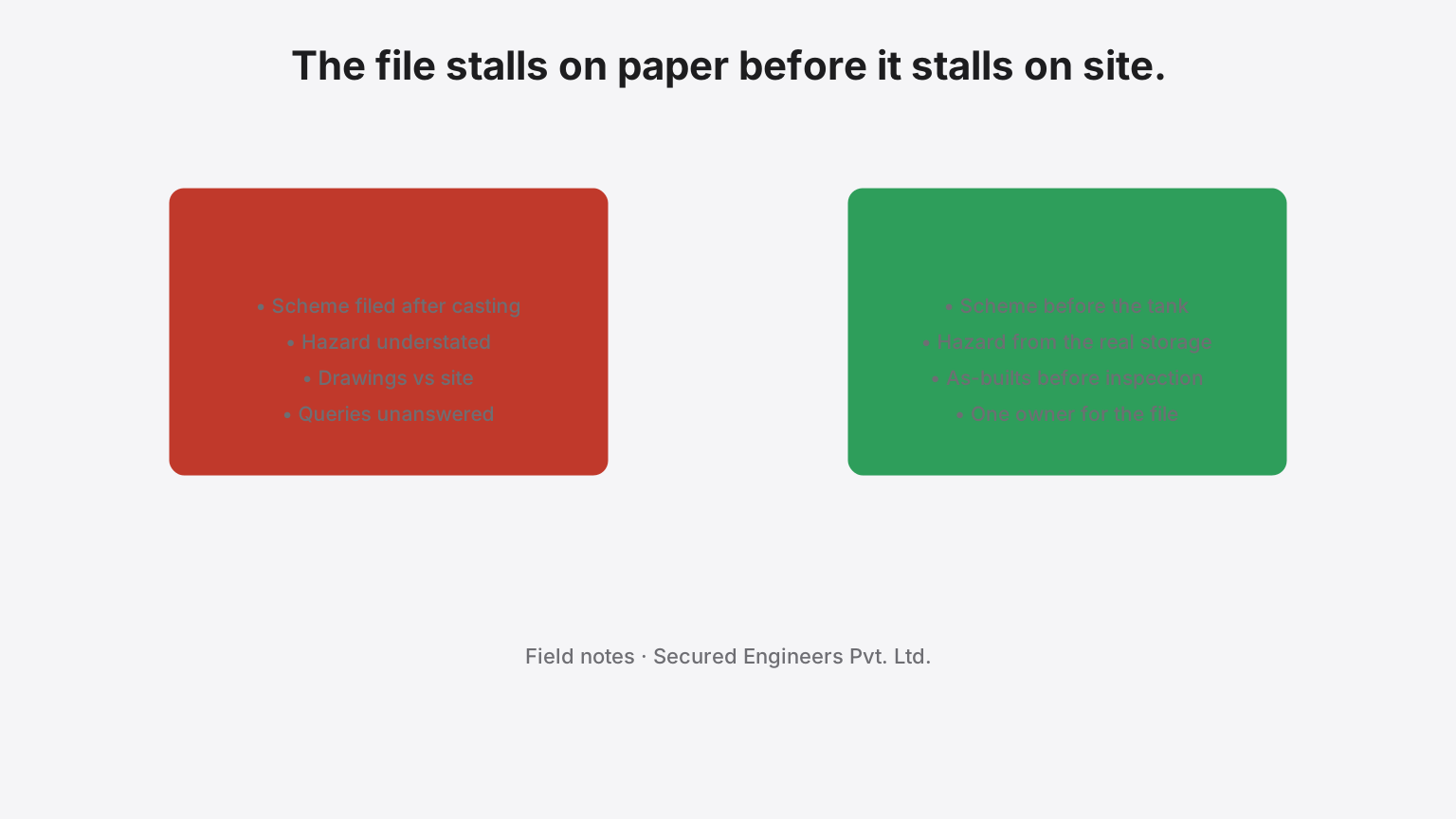
Common reasons industrial Fire NOC applications get delayed
The file stalls on paper before it stalls on site. From the liaison desk: the query letters, the shortfall items and the sequencing mistakes that add cycles to an industrial Fire NOC.
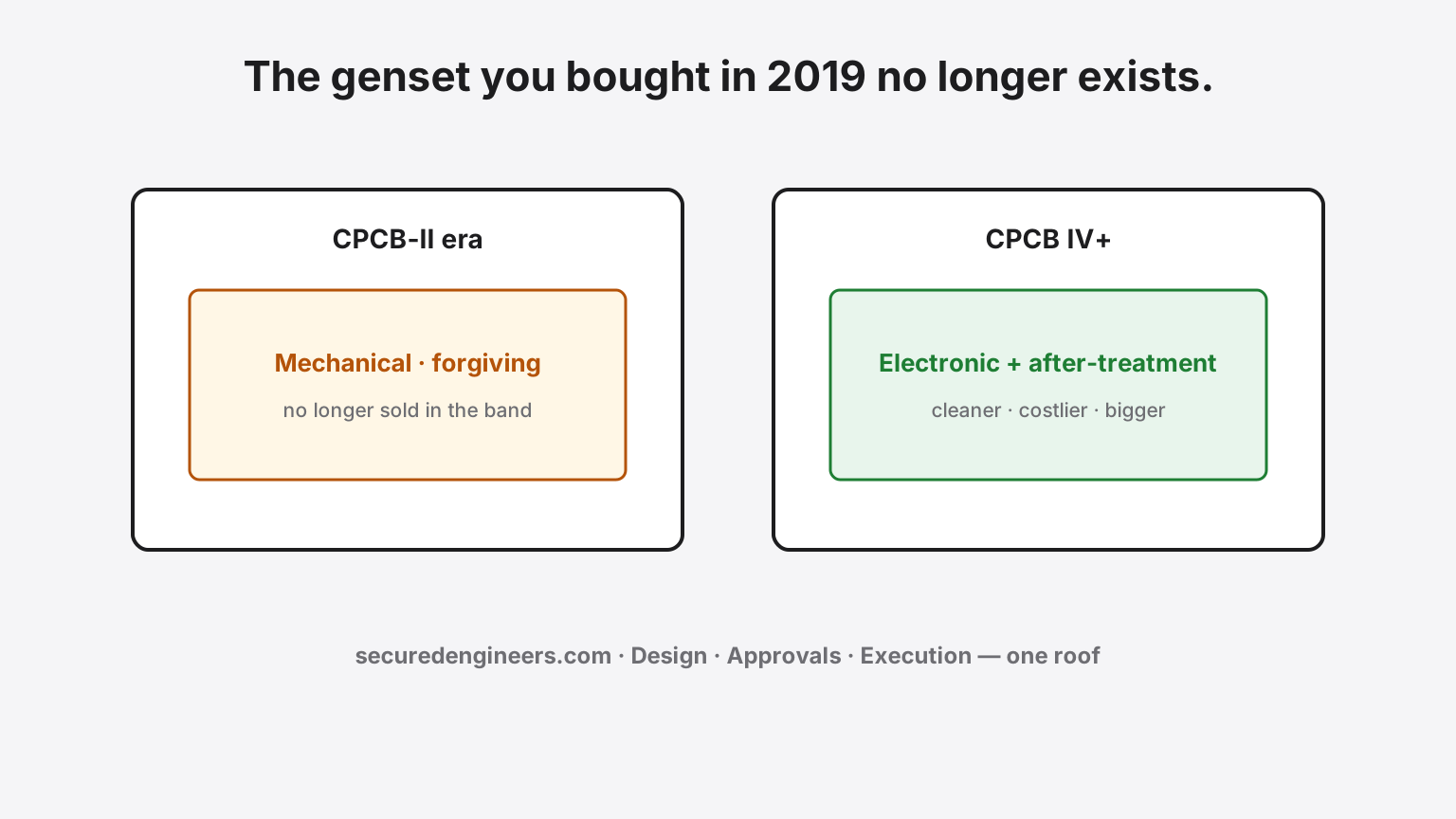
The DG Set You Bought in 2019 Is Not the DG Set You Can Buy Today
CPCB IV+ rewrote what a new genset is: emission limits that force after-treatment, electronic engines, and a real price and footprint difference. If your backup-power plan still assumes 2019-era machines and prices, it is out of date.
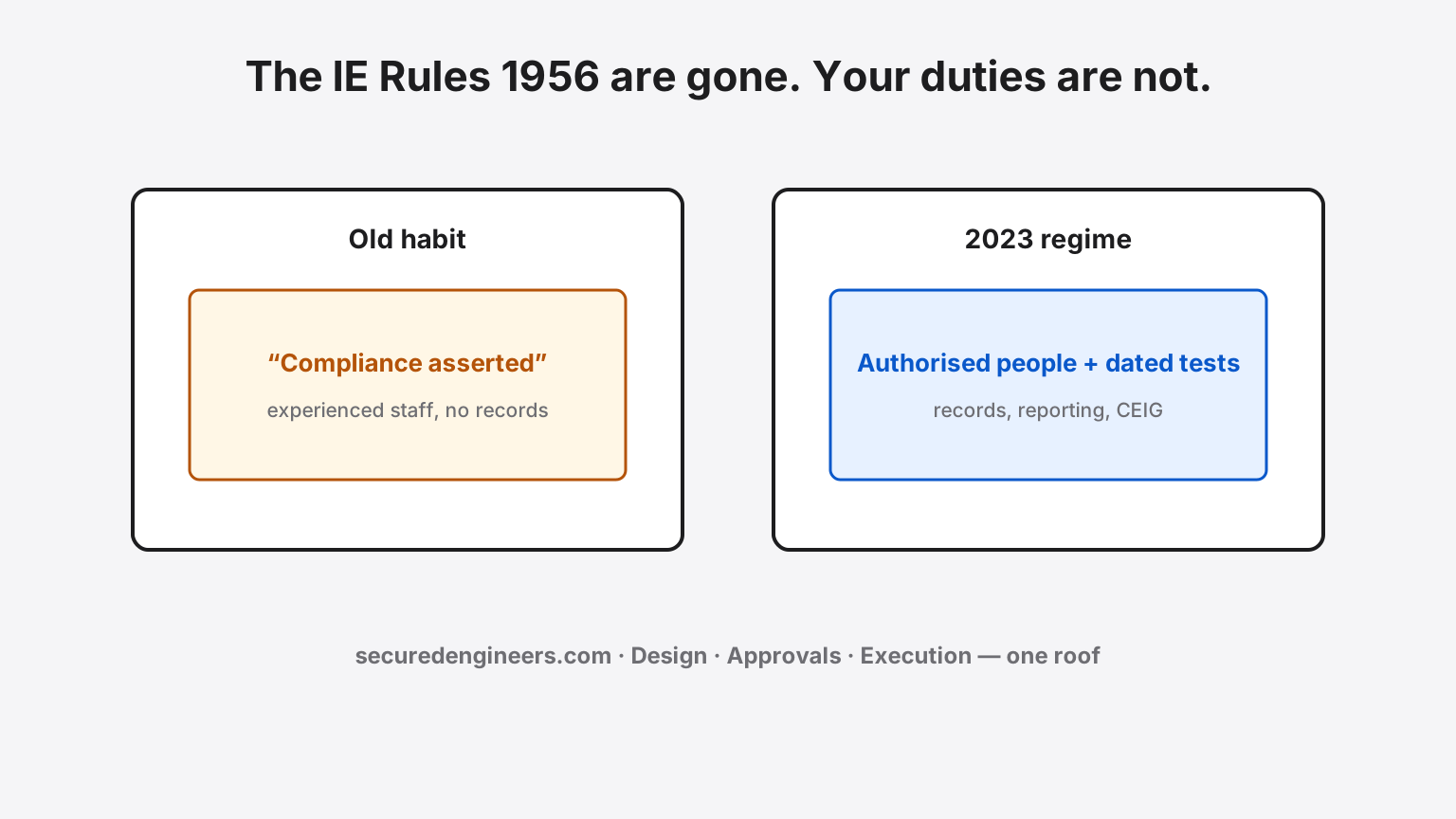
The IE Rules Are Gone. Here Is What You Are Personally on the Hook for Now.
Generations of Indian electrical practice ran on the Indian Electricity Rules, 1956. They have been replaced — the CEA's safety regulations now define an owner's duties: designated supervision, periodic testing, records, and accident reporting. Most facility owners have not read a line of them.
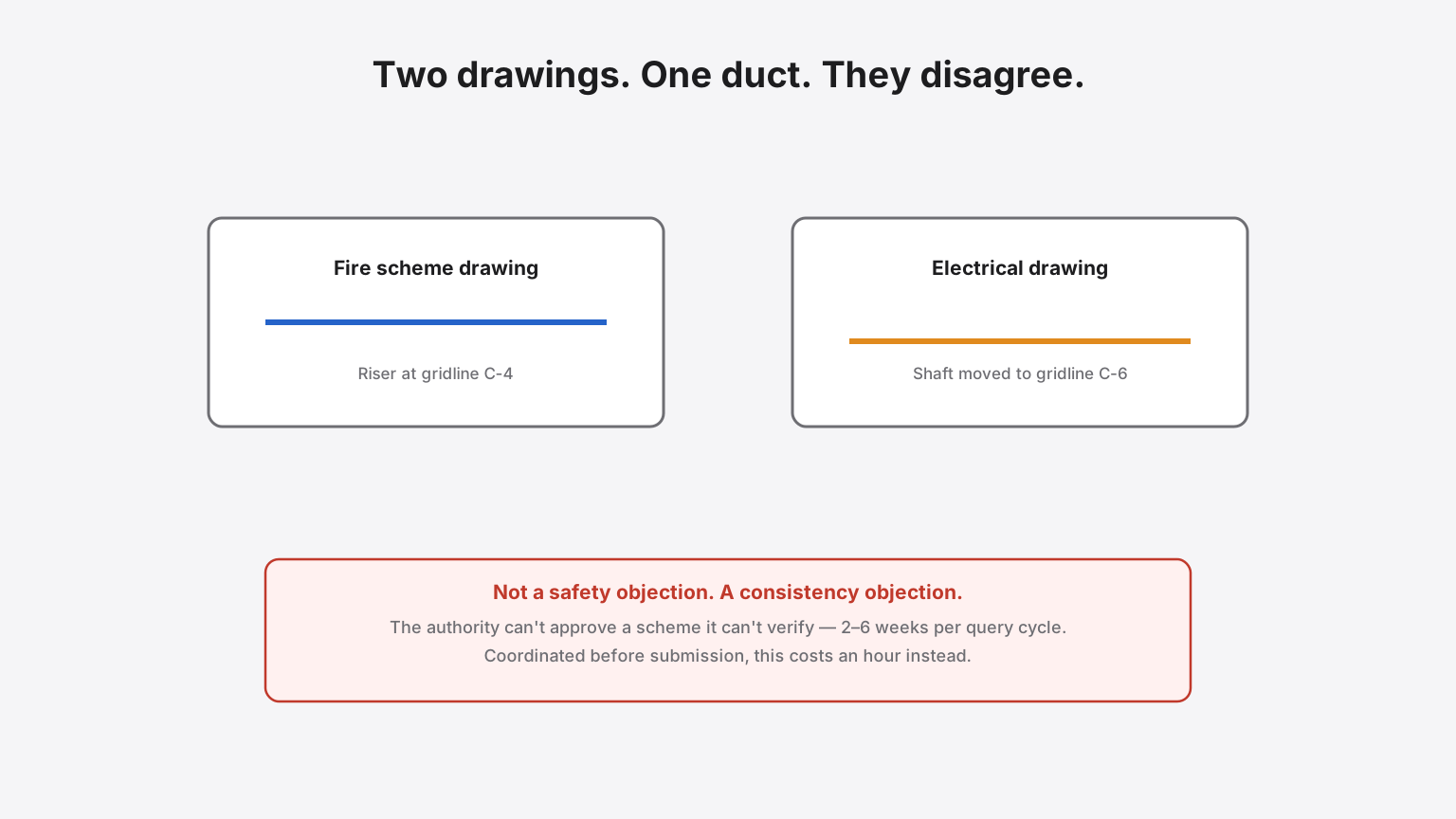
The Fire NOC Query Wasn't About Fire Safety. It Was About a Duct Nobody Coordinated.
Our BIM clash-detection guide covers what an uncoordinated design costs on site. A different cost shows up earlier: the query-and-resubmission cycle at Fire NOC and building-plan sanction, where an inconsistency between drawings — not a genuine safety gap — is what actually stalls the file.
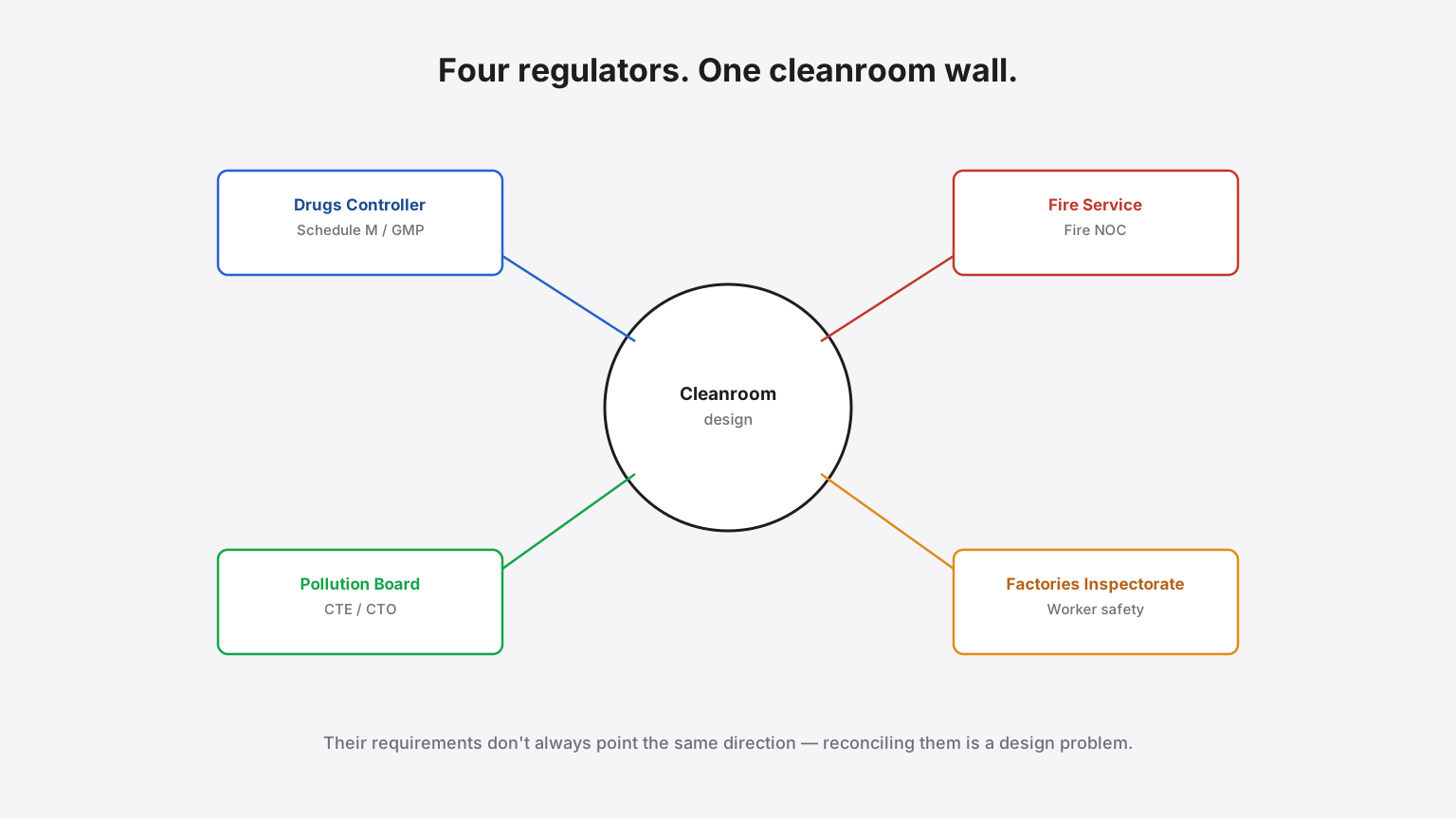
The Drugs Controller, the Pollution Board and the Fire Department All Have an Opinion on Your Cleanroom.
Our GMP HVAC and WHO-GMP guides cover how to design a cleanroom that passes its audit. A separate problem sits alongside the engineering: a pharma or food manufacturing facility answers to several regulatory bodies at once, and their requirements don't always agree with each other.
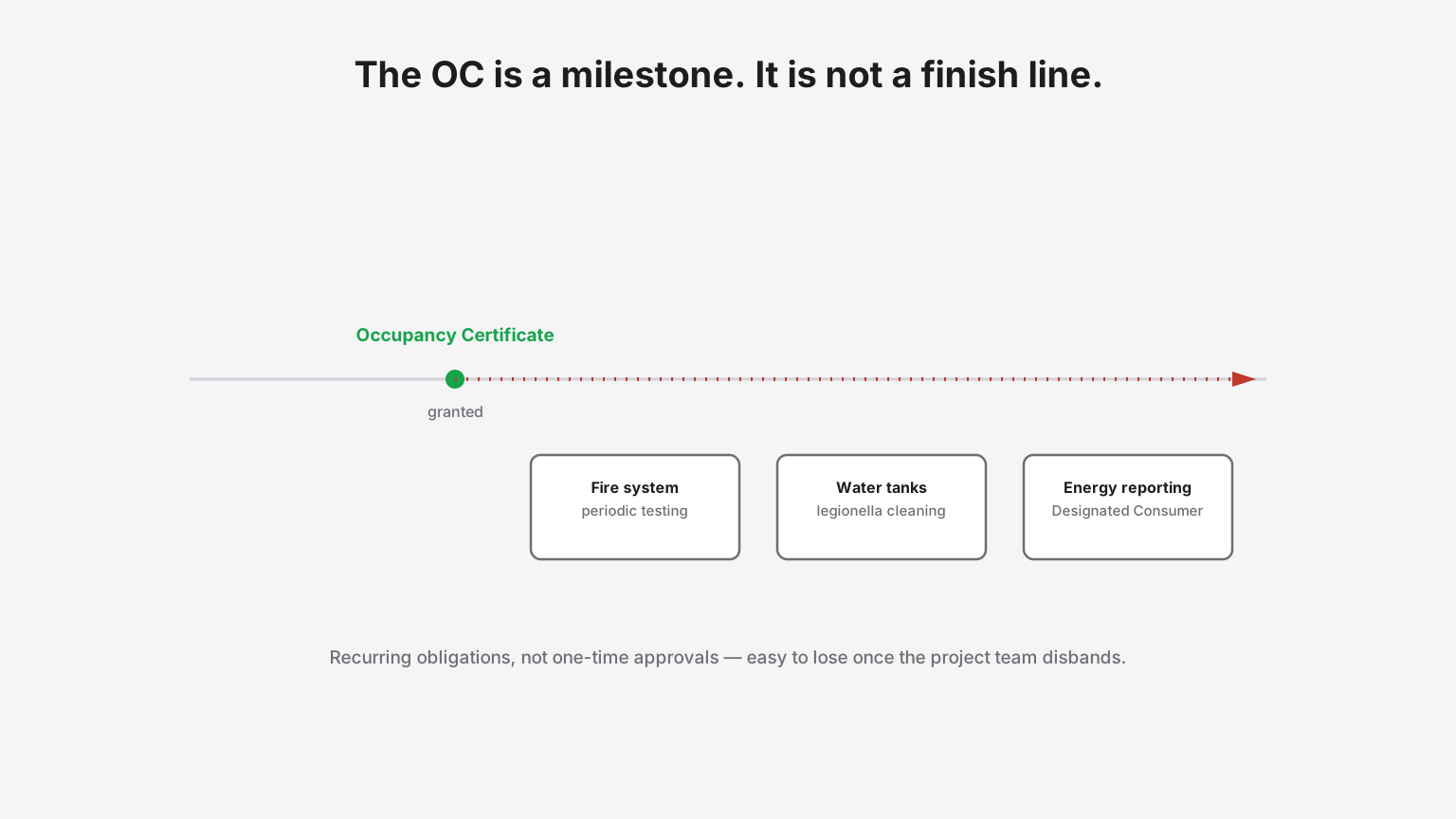
The Occupancy Certificate Is a Milestone. It Is Not a Finish Line.
Our occupancy certificate guide covers the chain that has to close before a building can be legally possessed. Compliance doesn't end there — fire systems need periodic testing, water tanks need documented cleaning against legionella risk, and larger energy consumers carry ongoing reporting obligations that start counting from handover, not before.
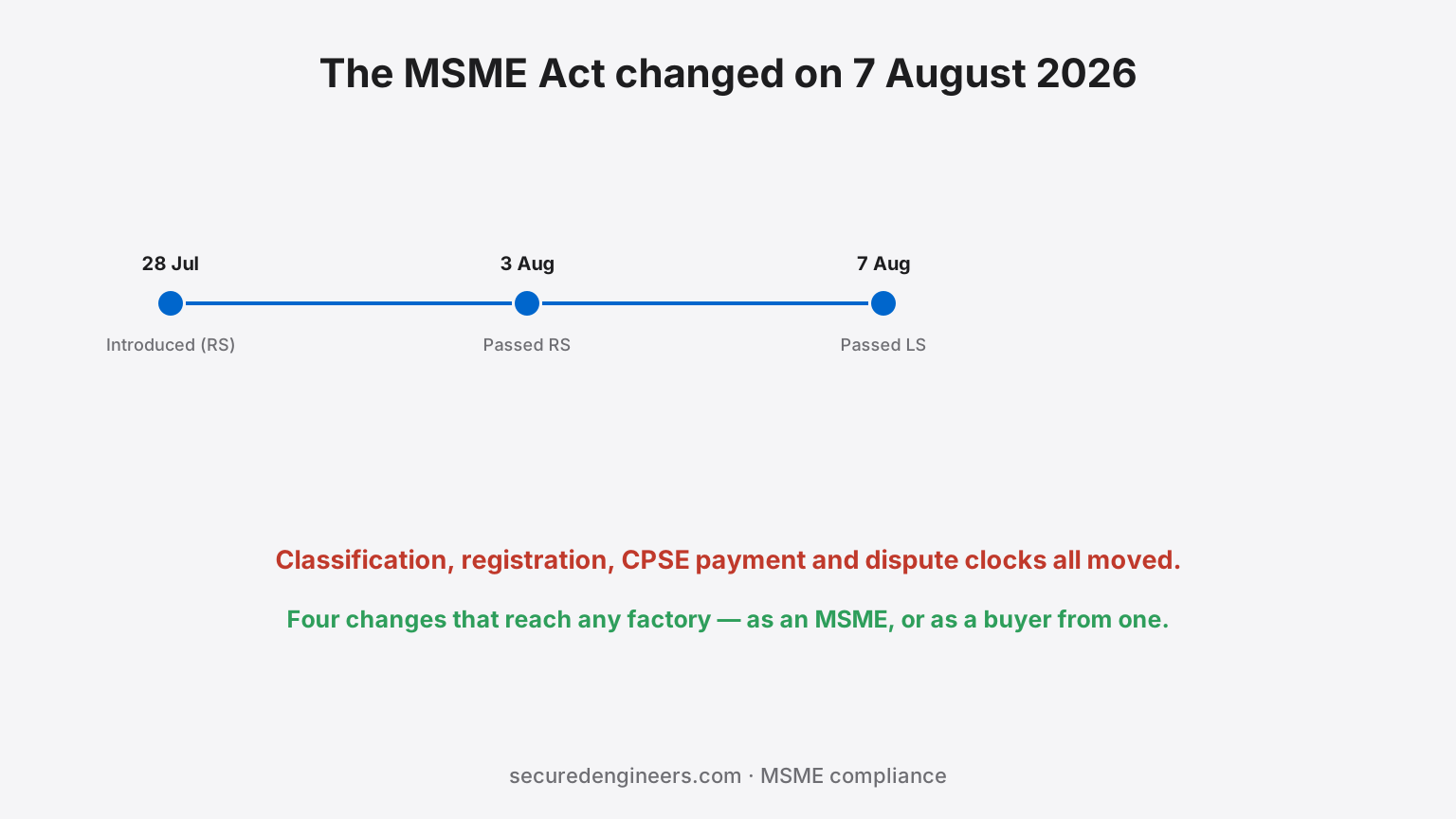
The MSME Act Just Changed. Here Is What It Means for a Factory Owner.
Parliament passed the MSME Development (Amendment) Bill on 7 August 2026. It moves classification thresholds out of the Act, makes registration voluntary, puts CPSE payments on TReDS, and imposes hard clocks on delayed-payment disputes.
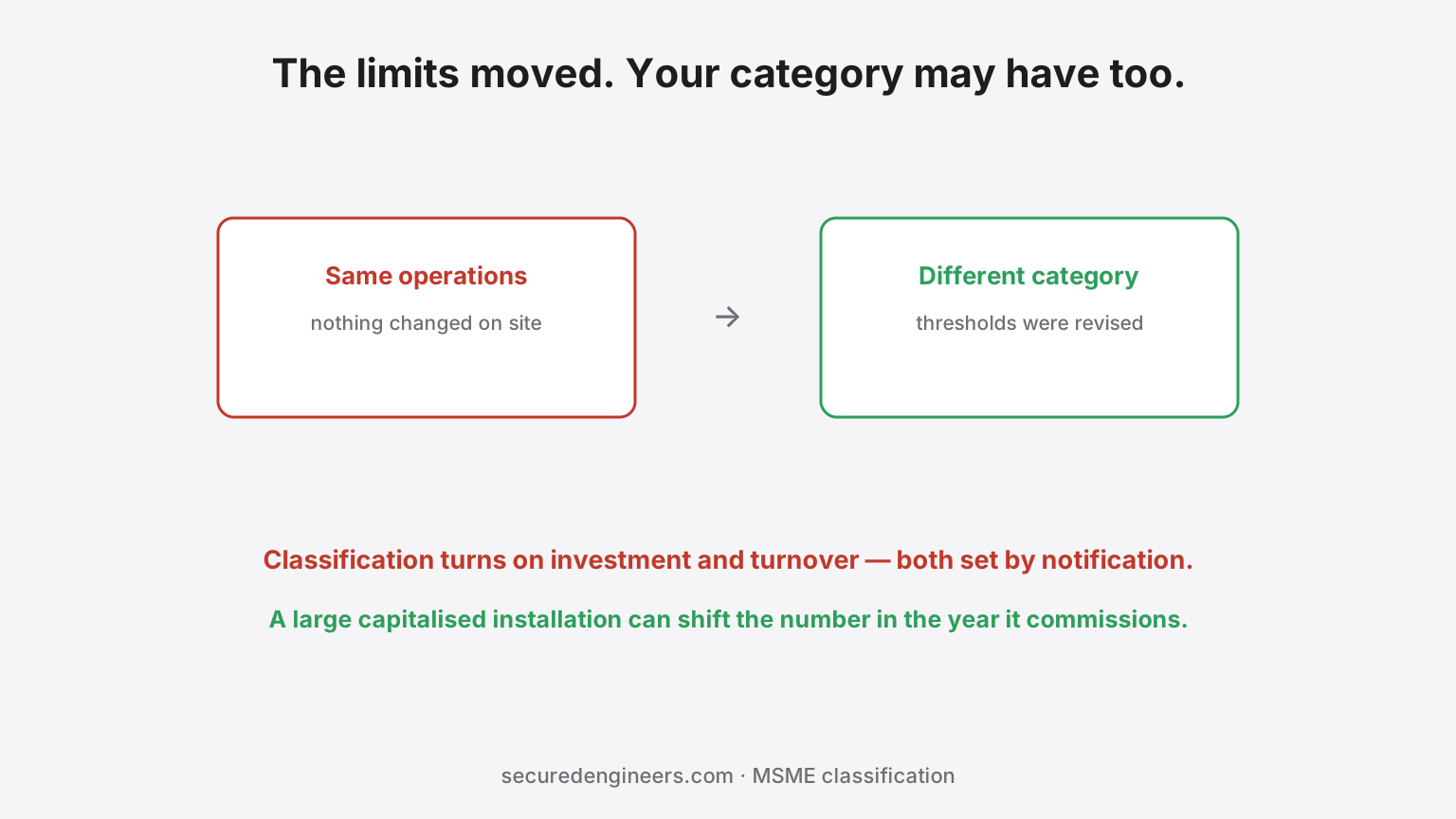
The Thresholds Moved. Your Factory May Have Changed Category Without Doing Anything.
MSME classification is set by investment in plant and machinery and by turnover. When the notified limits rise, enterprises change category without any change in their own operations — and both the benefits and the obligations move with them.
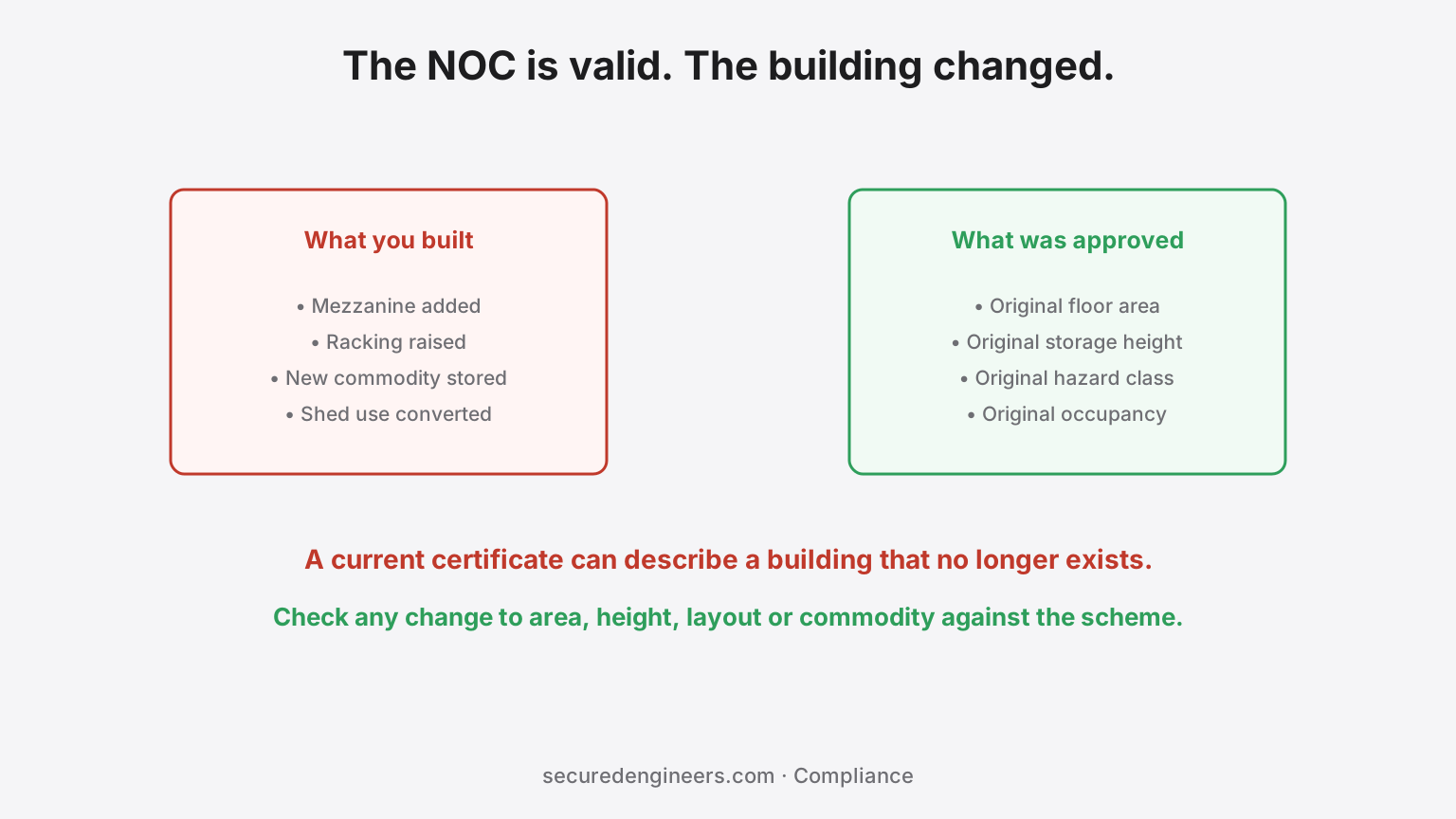
Does an Expansion or Change of Use Affect Your Fire NOC?
A Fire NOC describes the building that was approved: its occupancy, area, height, storage and fire scheme. Extend it, rack higher, store something different or change what a shed is used for, and the certificate can stop describing the building you have. What to compare, what to ask the authority, and why no exemption rule travels.
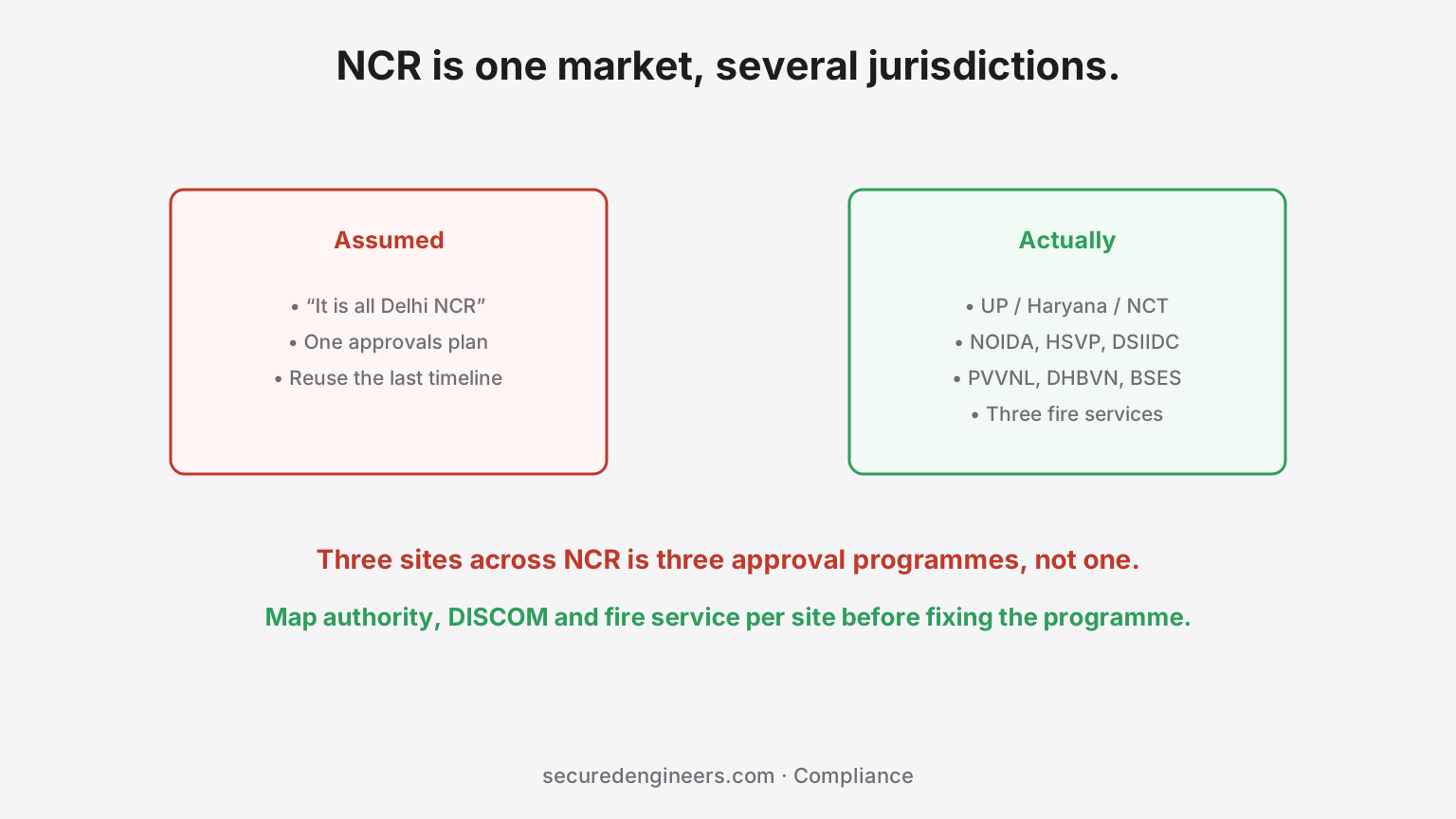
Delhi NCR Is Not One Jurisdiction. Your MEP Approvals Prove It.
Noida, Greater Noida, Gurugram, Faridabad and Delhi sit within an hour of each other and answer to different authorities, different DISCOMs and different state fire services. A programme built for one does not transfer to the next.
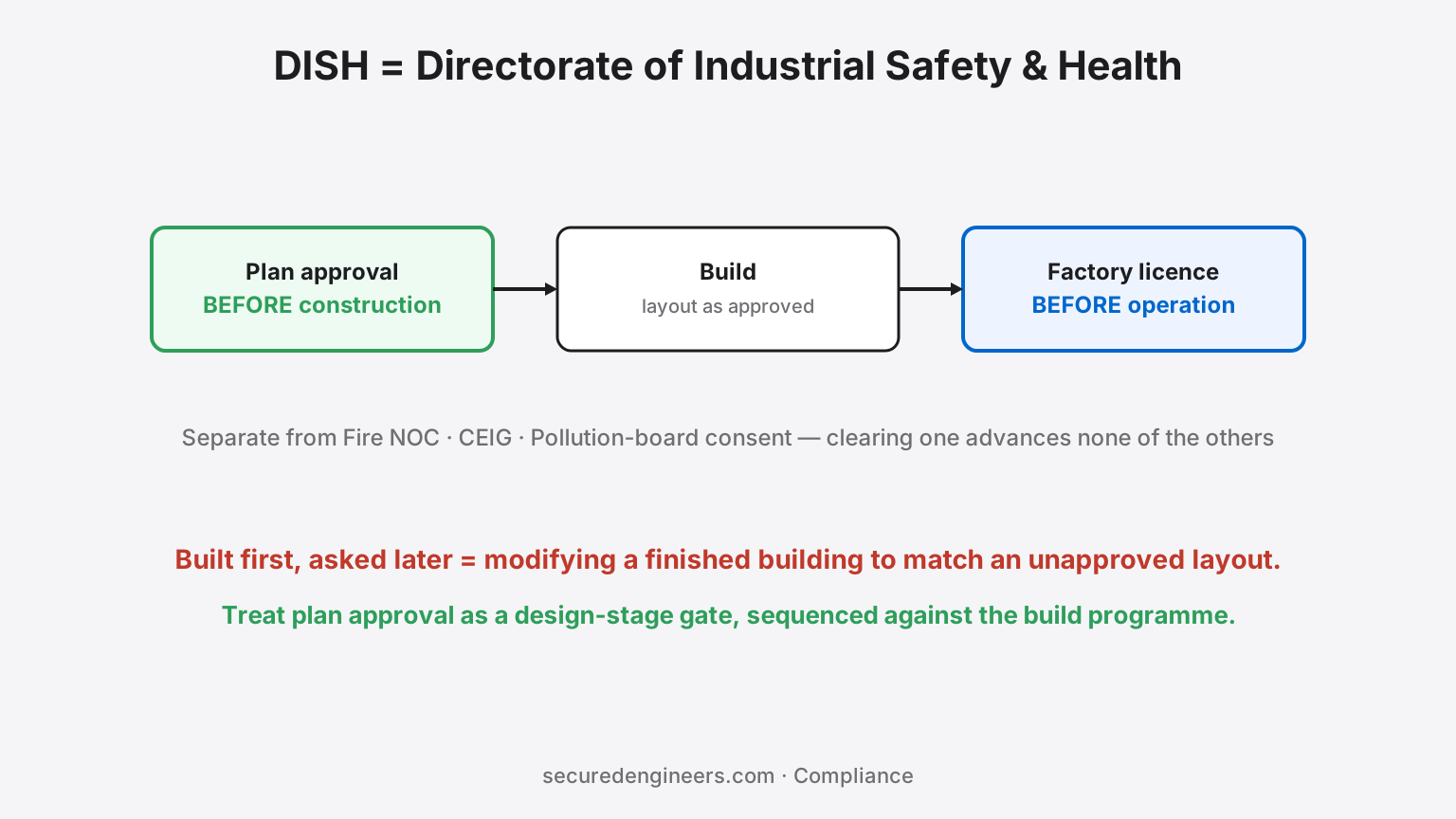
DISH Approval: The Factory Clearance Most Projects Discover Too Late
DISH is the Directorate of Industrial Safety and Health — the authority that approves factory building plans and issues the factory licence. It is a separate approval from fire, electrical and pollution clearances, it applies before construction rather than after, and missing it is one of the more expensive sequencing errors in an industrial project.
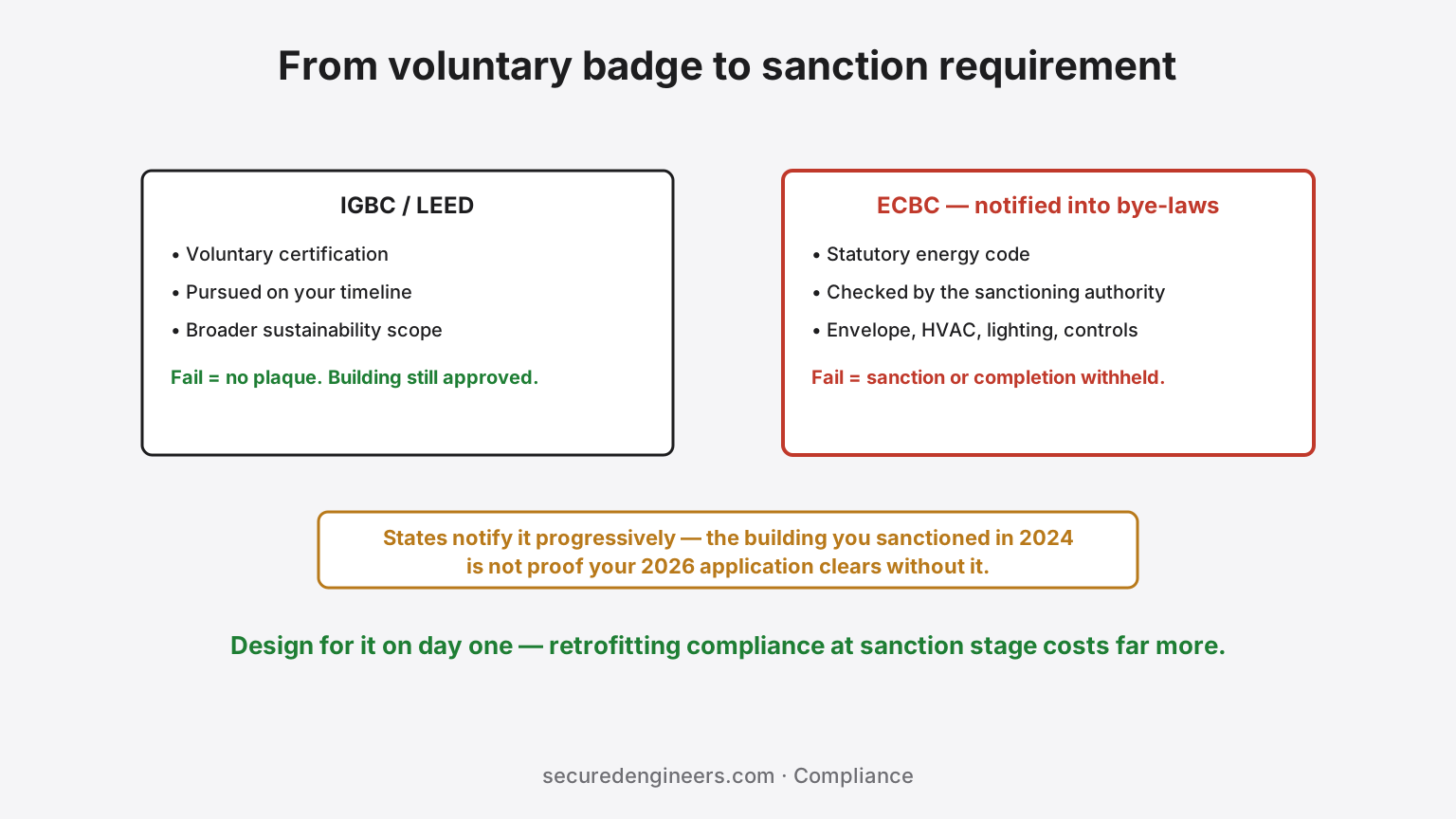
ECBC or ECSBC? How to Check Which Energy Code Applies to Your Building
BEE publishes the national energy code; your state decides whether, which version and from when it binds your building. How ECBC 2017 and ECSBC 2024 become requirements, which buildings they cover, what they touch in the MEP design, and who has to evidence compliance.
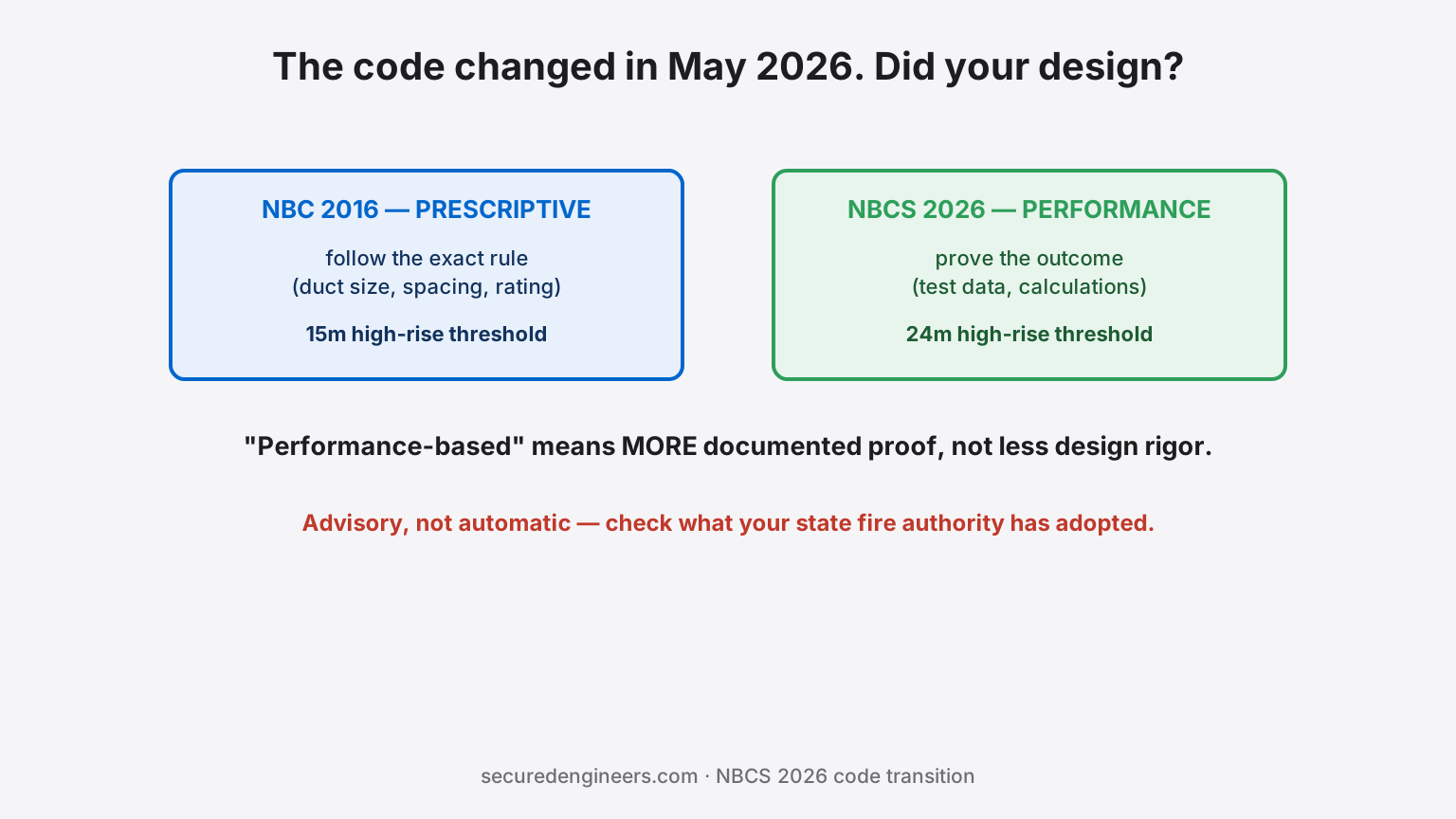
The Building Code Changed in May 2026. Your Consultant's Drawings Didn't.
The Bureau of Indian Standards has replaced NBC 2016 with the National Building Construction Standards 2026 — moving from a prescriptive rulebook to a performance-based framework, and relaxing the fire-safety threshold for residential high-rises from 15 metres to 24 metres. Most ongoing projects are still being designed against the old code by habit. Here's what actually changed and why "performance-based" is harder to get away with cutting corners on, not easier.
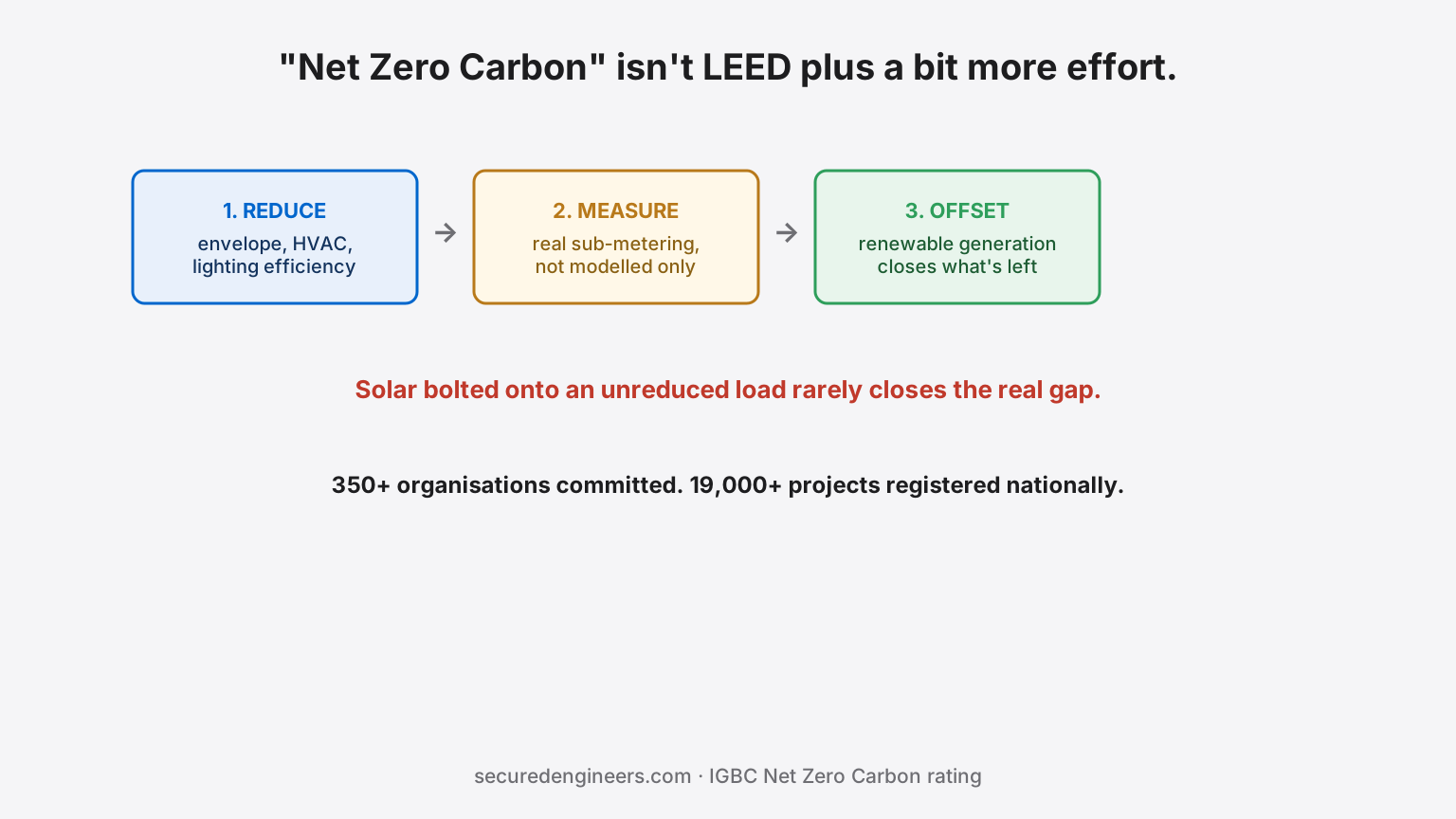
"Net Zero Carbon" Sounds Like a Certificate. It's Actually a Design Constraint.
IGBC's Net Zero Energy, Water, Waste and Carbon rating systems now have over 350 committed organisations chasing them, and the council has registered over 19,000 green building projects covering 15.74 billion square feet nationally. But Net Zero Carbon is a materially different, harder brief than a general green-building or LEED certification — it demands MEP systems designed against an actual carbon-accounting target, not a checklist of efficient-equipment credits.
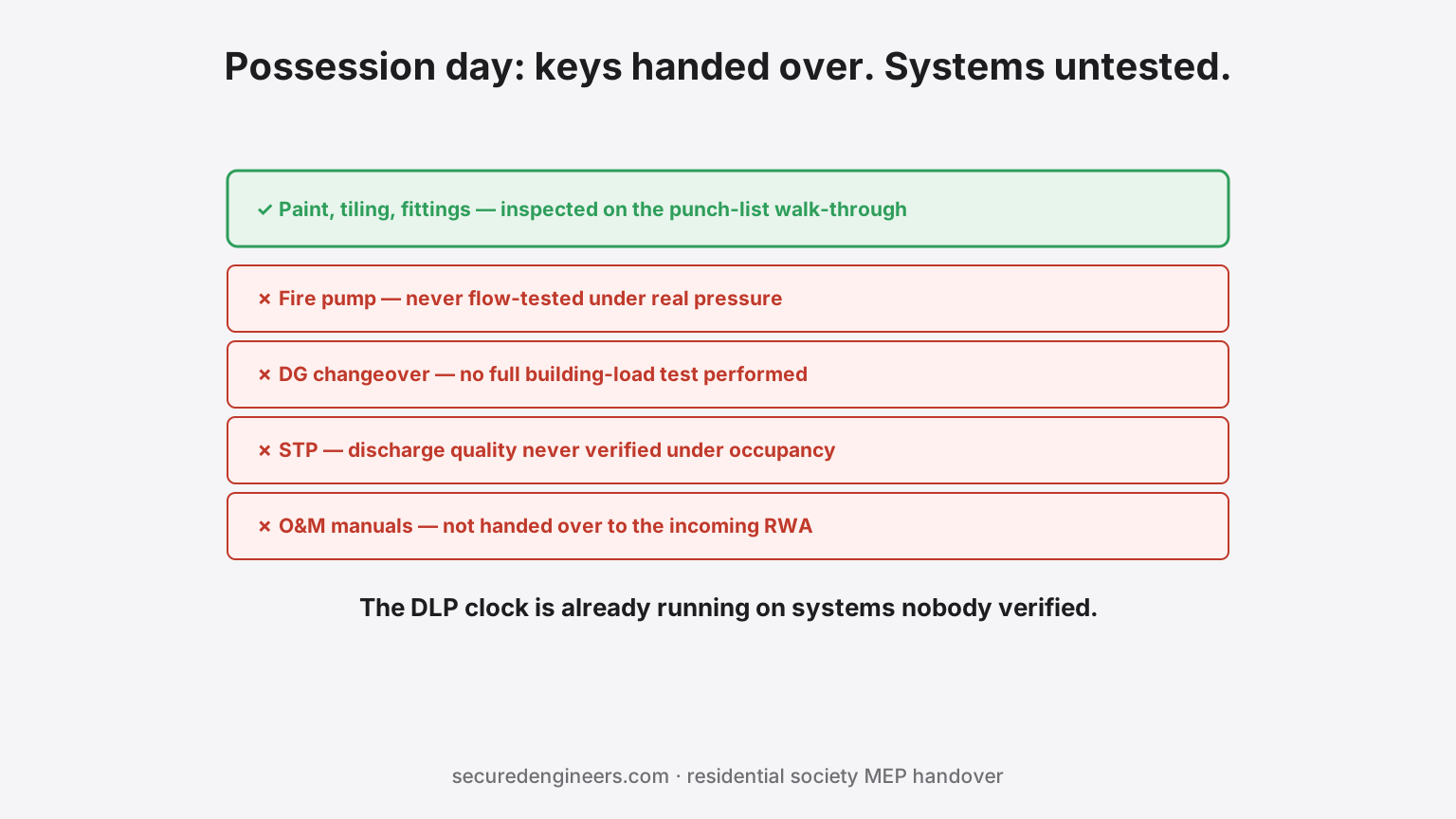
The Builder Handed Over the Keys. Did Anyone Test the Fire Pump First?
A residential society gets its Occupation Certificate, the builder hands over common-area MEP systems to the newly formed RWA, and everyone moves in. Nobody ran the fire pump under real conditions. Nobody checked whether the STP was ever commissioned properly. Nobody has an O&M manual. The society finds out what it actually received the day something fails — usually well after the builder's snagging window has quietly closed.
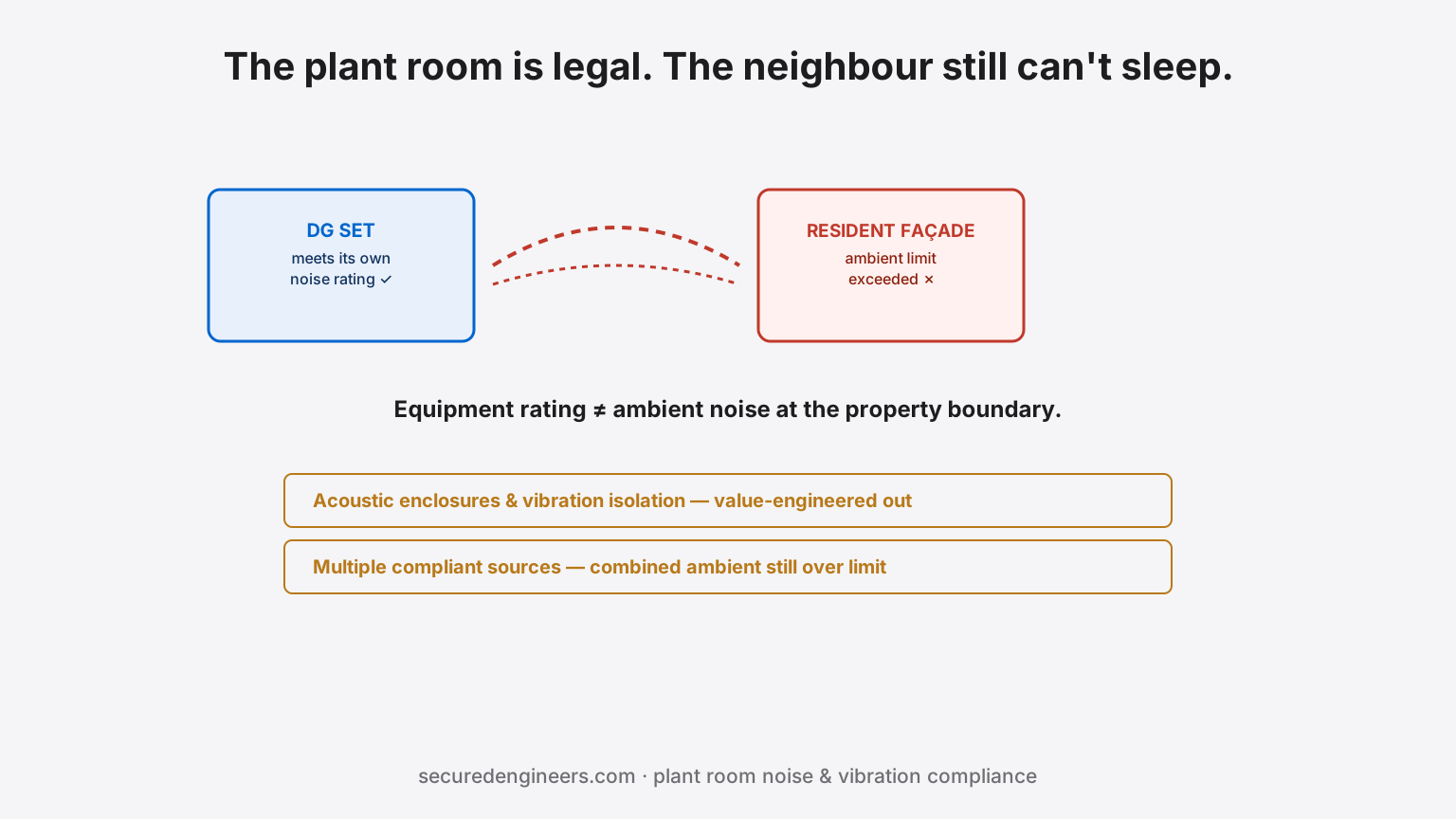
The Plant Room Meets Code. The Resident Next Door Still Can't Sleep.
A DG set, chiller plant or cooling tower can be fully compliant with equipment noise ratings and still generate a valid neighbour complaint, a Pollution Control Board notice, or an insurance and reputational headache — because ambient noise limits, not just equipment specification sheets, are what actually gets enforced. Acoustic enclosures and vibration isolation are plant room design decisions, not optional add-ons priced out under budget pressure.
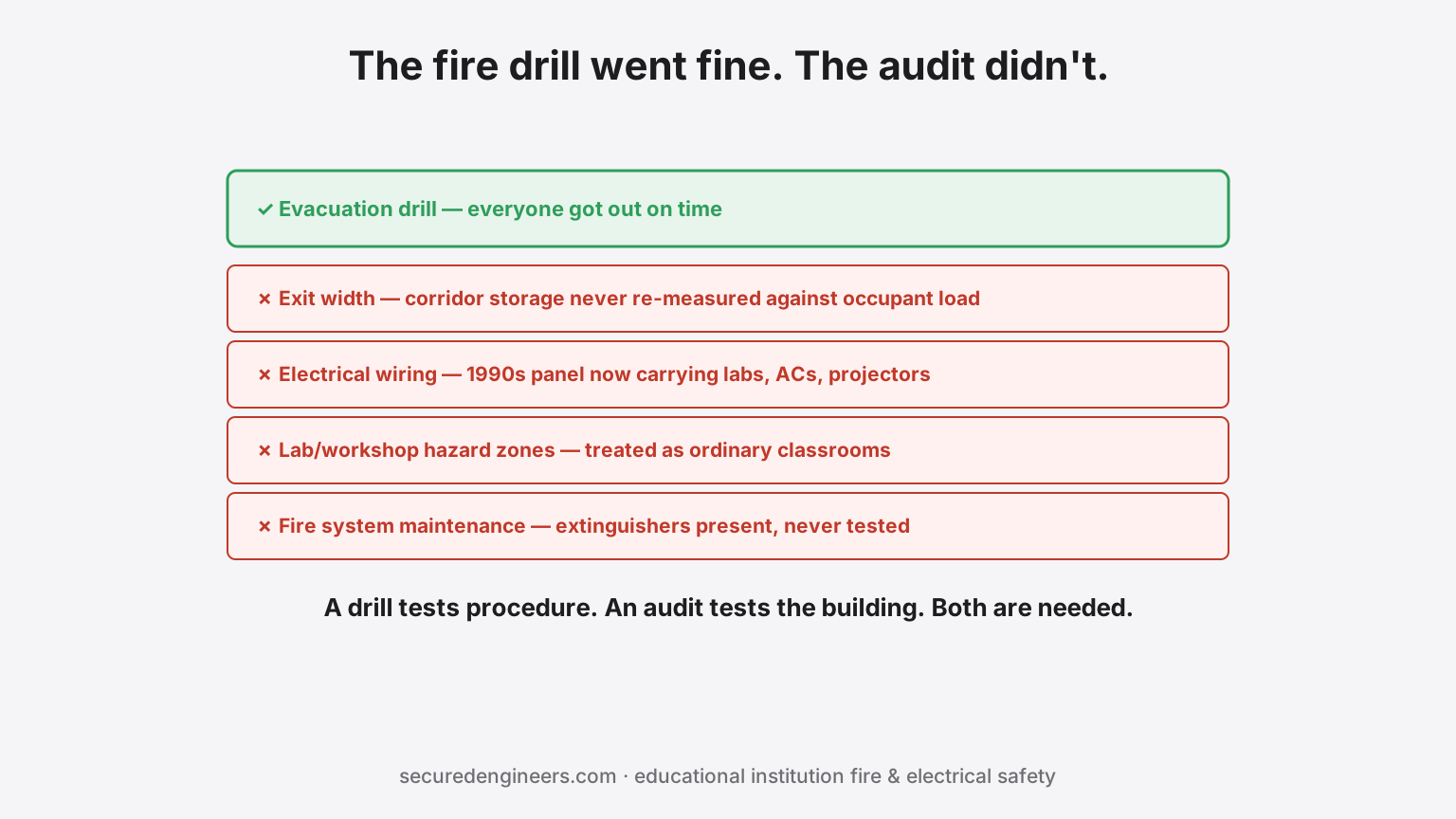
The Fire Drill Went Fine. The Fire Audit Didn't.
Schools and colleges run fire drills religiously and still fail formal fire-safety audits — because a drill tests whether people can evacuate, not whether the electrical wiring, exit widths, and fire systems actually meet code. The five recurring findings in institutional fire and electrical audits, and why 'we do drills' isn't the same as 'we're compliant.'
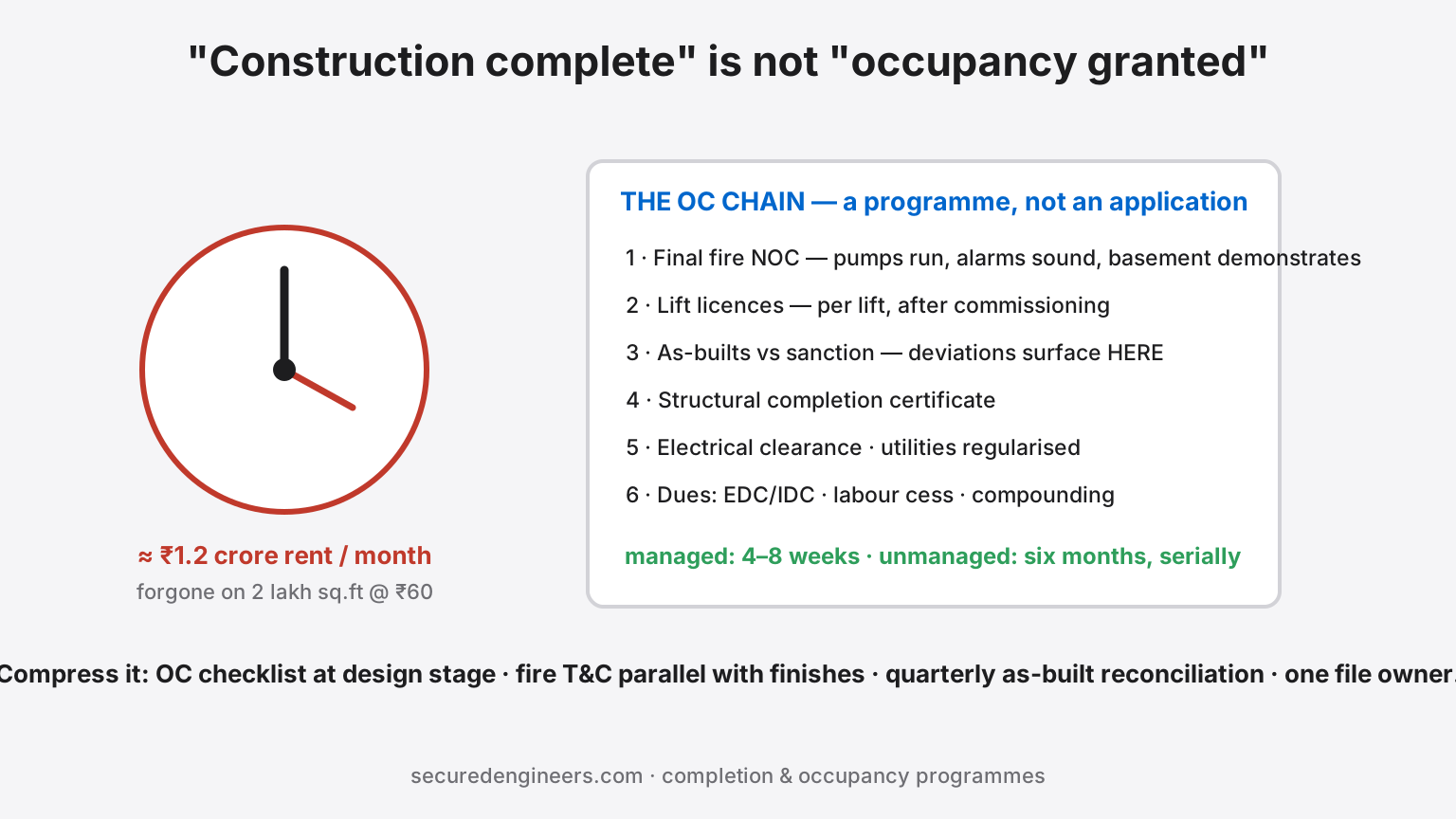
MEP Occupancy Certificate Checklist: The Documents That Delay Possession
An occupancy certificate is applied for once, but it rests on a chain of MEP approvals, as-built drawings and test certificates owned by different people. A project authority matrix, an approved-versus-as-built check, a test-certificate register and an open-observations tracker.
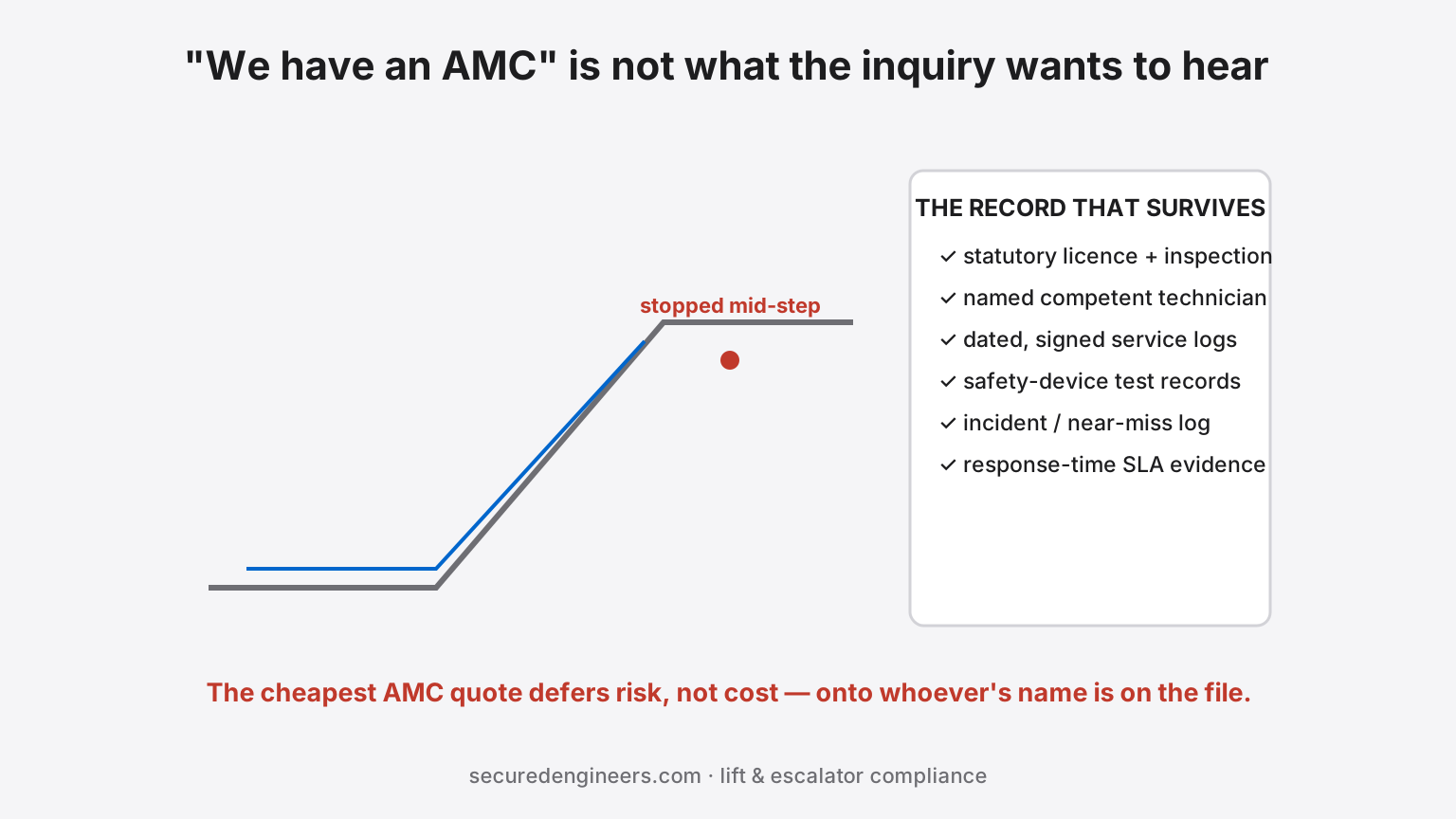
The Escalator Stopped Mid-Step. The Inquiry Wants to Know Who Last Serviced It.
Lift and escalator incidents in public commercial spaces trigger a different kind of scrutiny than a broken AC — regulatory inquiry, insurance investigation, and personal liability questions for whoever's name is on the maintenance record. Most building owners can't actually answer 'when was this last properly serviced' with evidence. Here's what that record needs to look like.
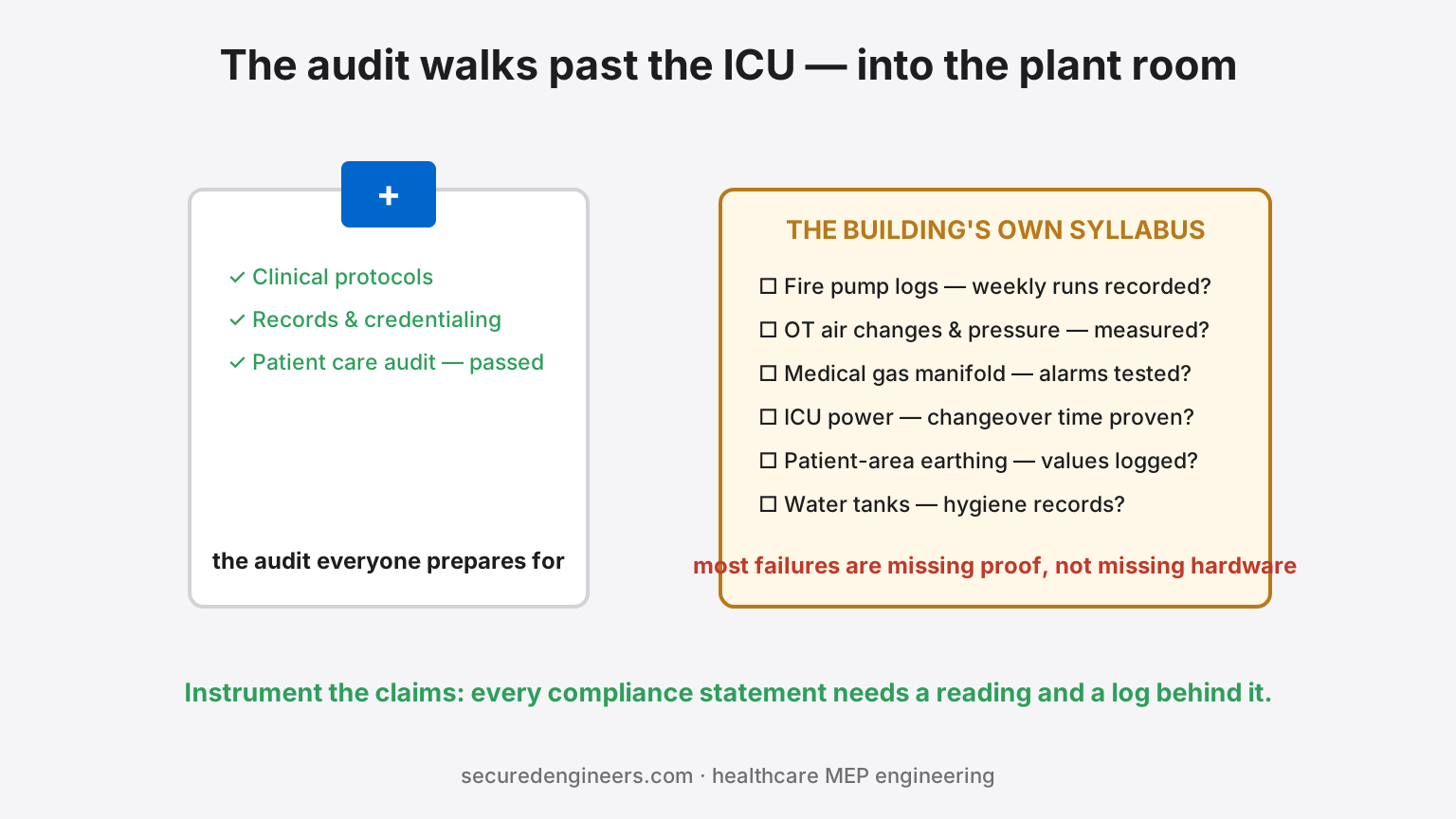
The Hospital Passed Its Medical Audit. The Building Failed Its Own.
NABH assessors and fire officers now walk straight past the ICU equipment and into the plant rooms — checking pump logs, medical gas manifolds, OT air changes and electrical safety in patient areas. Why hospital buildings fail audits their clinical teams never see coming.
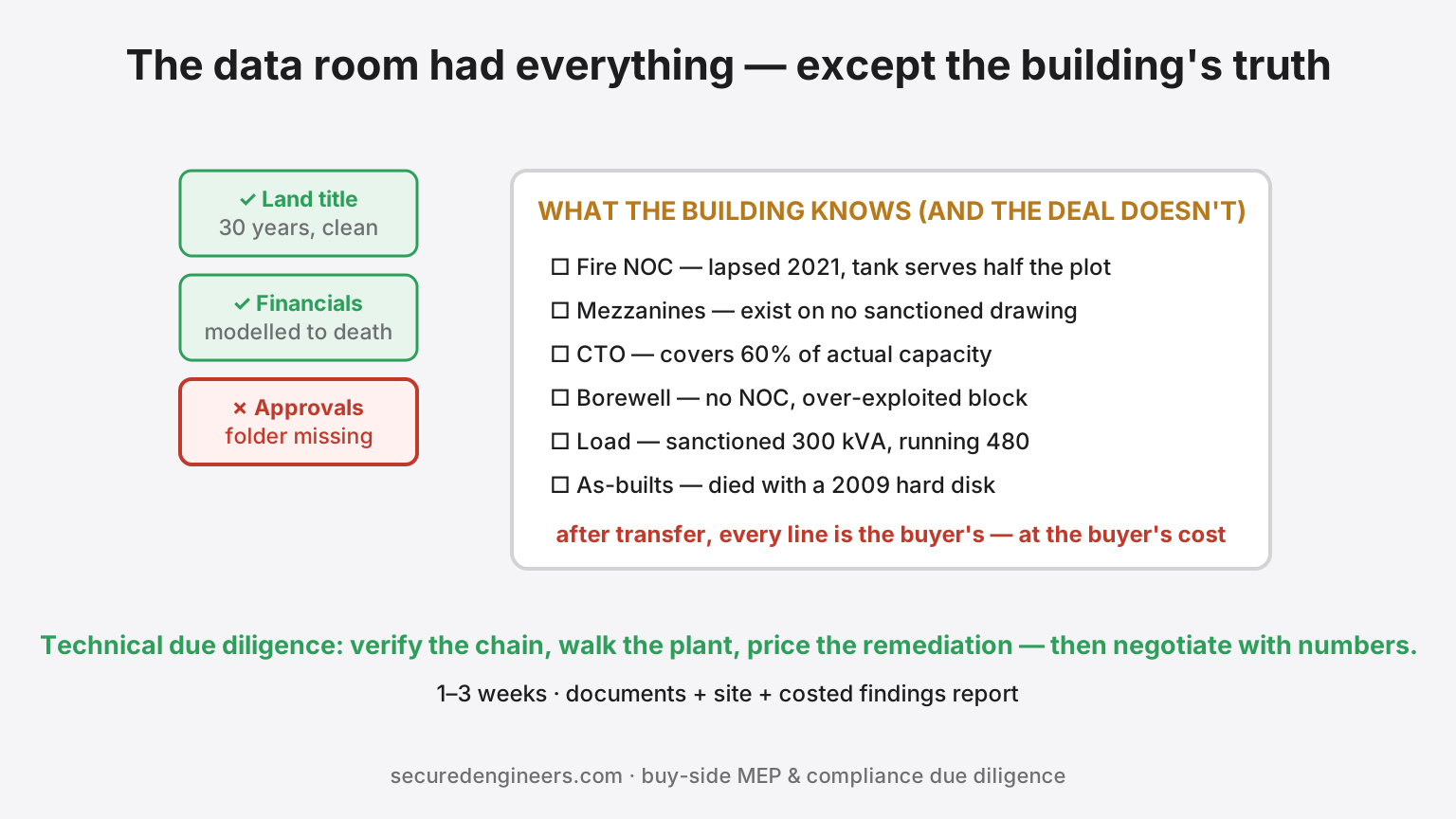
Factory MEP Due Diligence Before You Buy or Lease
A factory’s price assumes its power, fire, water and approvals will carry your production. MEP due diligence checks supply capacity and ownership boundaries, asset condition, and approvals against the as-built layout, then turns every gap into a priced rectification allowance.
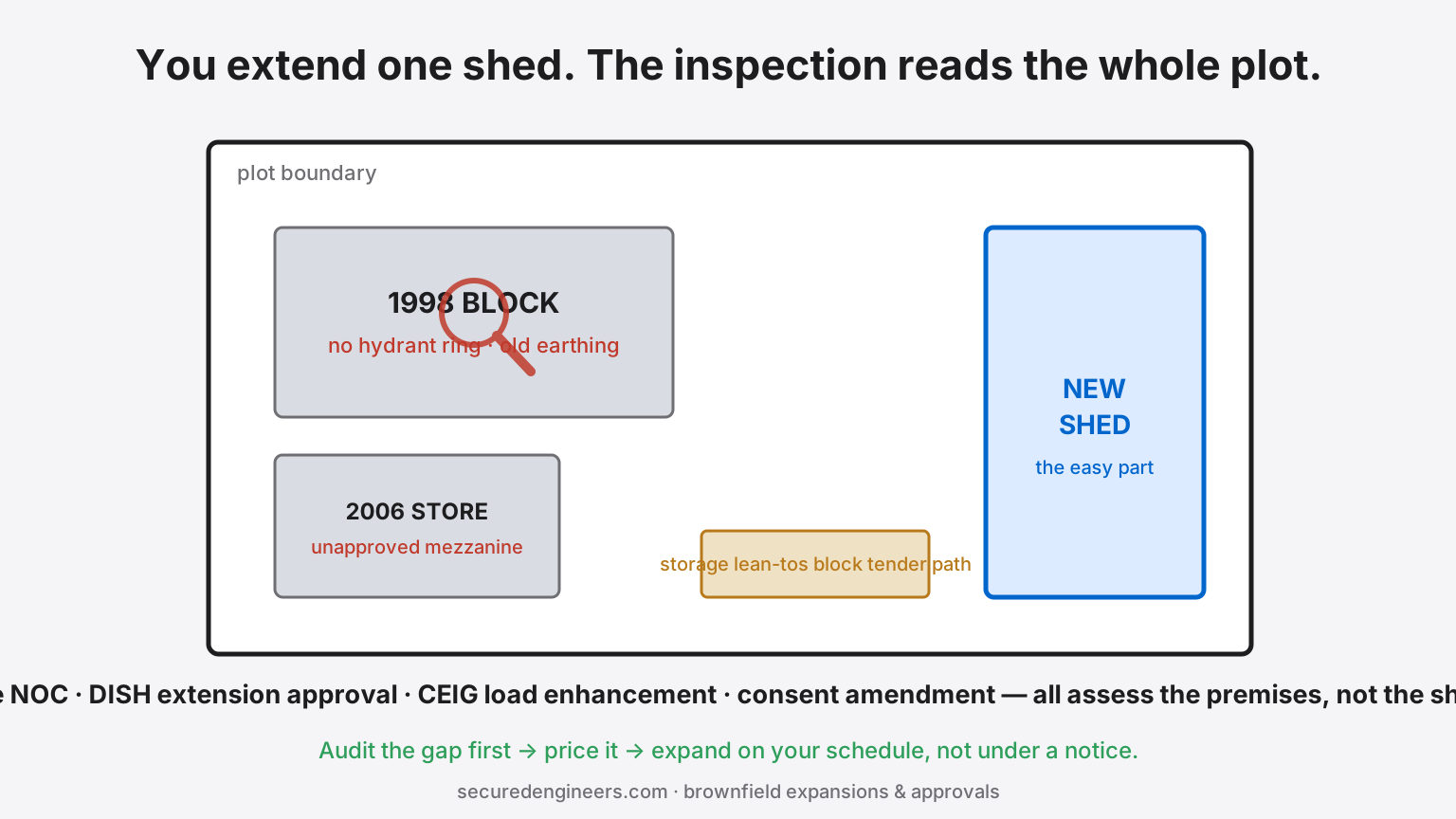
Factory Expansion MEP Checklist: Measure Spare Capacity Before You Add Machines
Most expansions stall on the existing plant, not the new machine: no spare transformer or water capacity, a change in hazard the old approvals never covered, or a shutdown nobody planned. Measure first.
Ready to start your project?
Get a free consultation and quote. We design, prepare and file your approvals, and execute — you deal with one team.