
Solar & Renewables: guides & engineering insights
Industrial solar in India is two projects wearing one name: an engineering project (structures against IS 875 wind loads, strings and inverters, protection the DISCOM will witness) and a regulatory-financial one (metering regimes, sanctioned-load caps, ALMM eligibility, tariffs and taxes that decide whether the same roof pays back in three years or five). The guides in this hub refuse to separate them, because on real projects they never are.
The engineering thread covers what underperformance audits keep finding — shading nobody surveyed in December, structures lighter than their drawings, connectors cross-mated during a hurried repair, monitoring too coarse to see a dying string — and the design choices that prevent them: honest shadow-free-area sizing, inverter architecture chosen by failure blast-radius, DC fire safety treated as a discipline, and O&M contracts with generation commitments instead of visit counts.
The commercial thread walks the regimes: net versus gross metering, open access from the 100 kW threshold, CAPEX versus OPEX structures, subsidy boundaries (PM Surya Ghar for homes; ₹0 of it for factories — and better levers instead), and the storage layer that peak-shaving and evening tariffs are pulling into viability. Every guide links the calculator that runs its numbers — payback, financial model, generation, storage — so decisions start from arithmetic, not adjectives.
The references this discipline runs on
| Area | Reference | What it governs |
|---|---|---|
| Structures | IS 875 Part 3 | Wind loads on mounting structures |
| Module eligibility | MNRE ALMM orders | Approved modules (and cell-list extension) |
| Interconnection | State net-metering regulations / DISCOM standards | Caps, settlement, protection, witness testing |
| Open access | Green Energy Open Access Rules, 2022 + state orders | Eligibility (100 kW), charges, banking |
| Safety & inspectorate | CEA (Safety) Regulations 2023 | Electrical safety; CEIG where thresholds apply |
| Residential scheme | PM Surya Ghar (pmsuryaghar.gov.in) | Household subsidy slabs and process |
Where to go deeper
All solar & renewables guides (34)
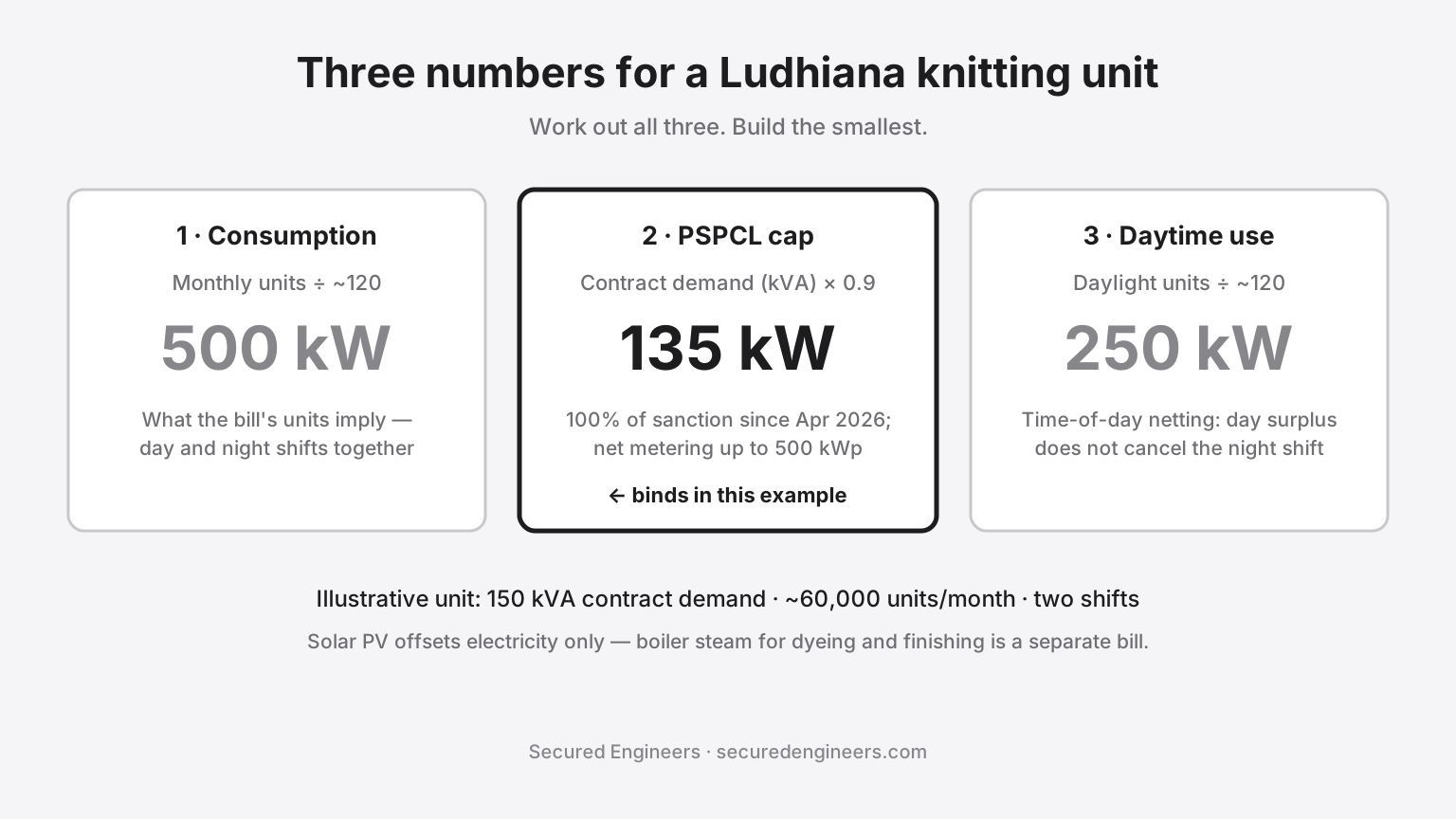
Solar for a Ludhiana hosiery or textile unit — sized to how the floor actually runs
Knitting floors that run two or three shifts, heat that solar panels cannot supply, and a tariff that nets day and night separately. How to size rooftop solar for a Ludhiana textile unit without paying for capacity that earns the least.
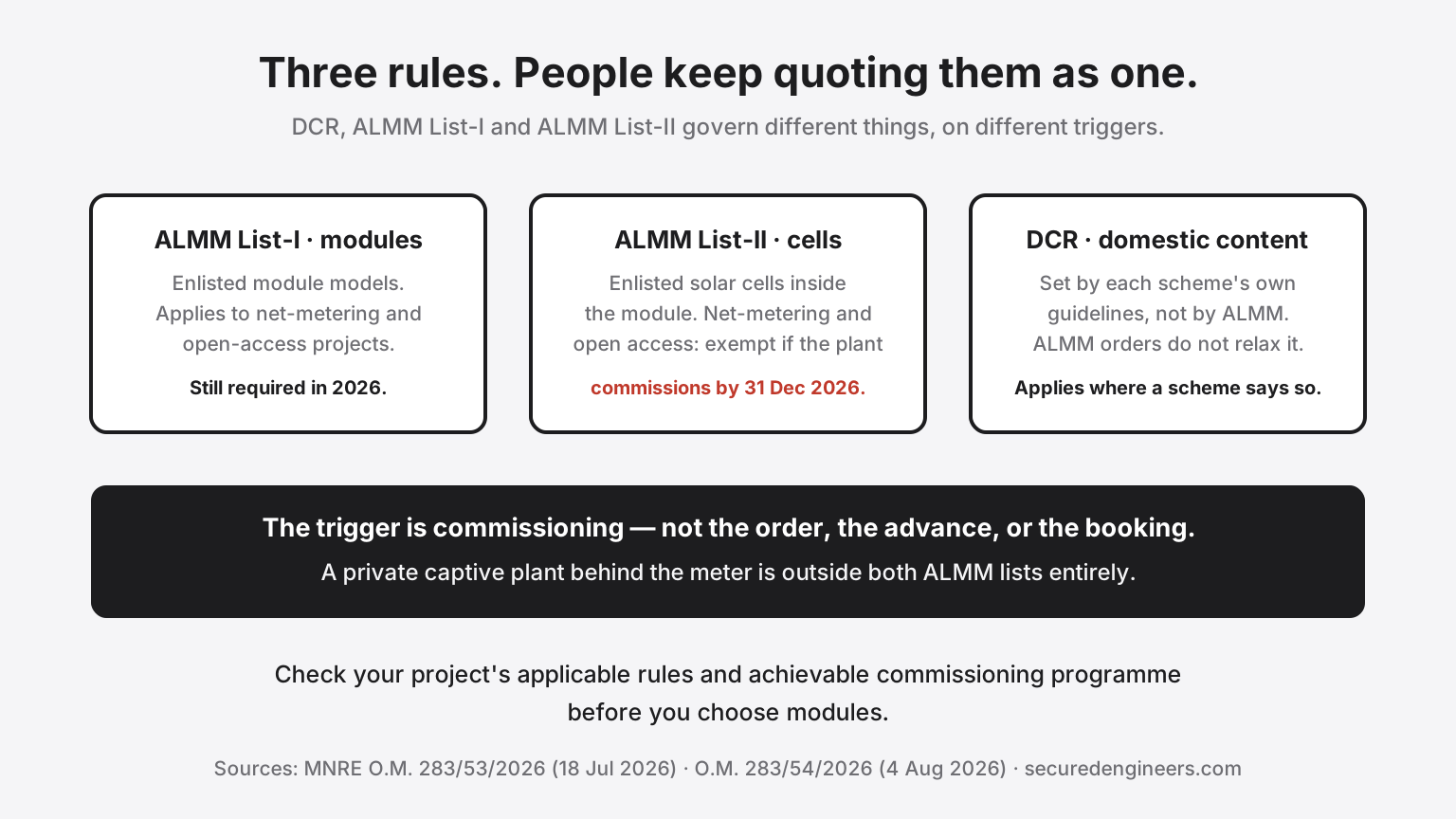
DCR vs non-DCR solar panels, and ALMM List-II: the 2026 commissioning guide
Three different rules are being quoted as one. What ALMM List-I, ALMM List-II and DCR each actually govern, which projects the 31 December 2026 window applies to, and the one trigger that matters — commissioning.
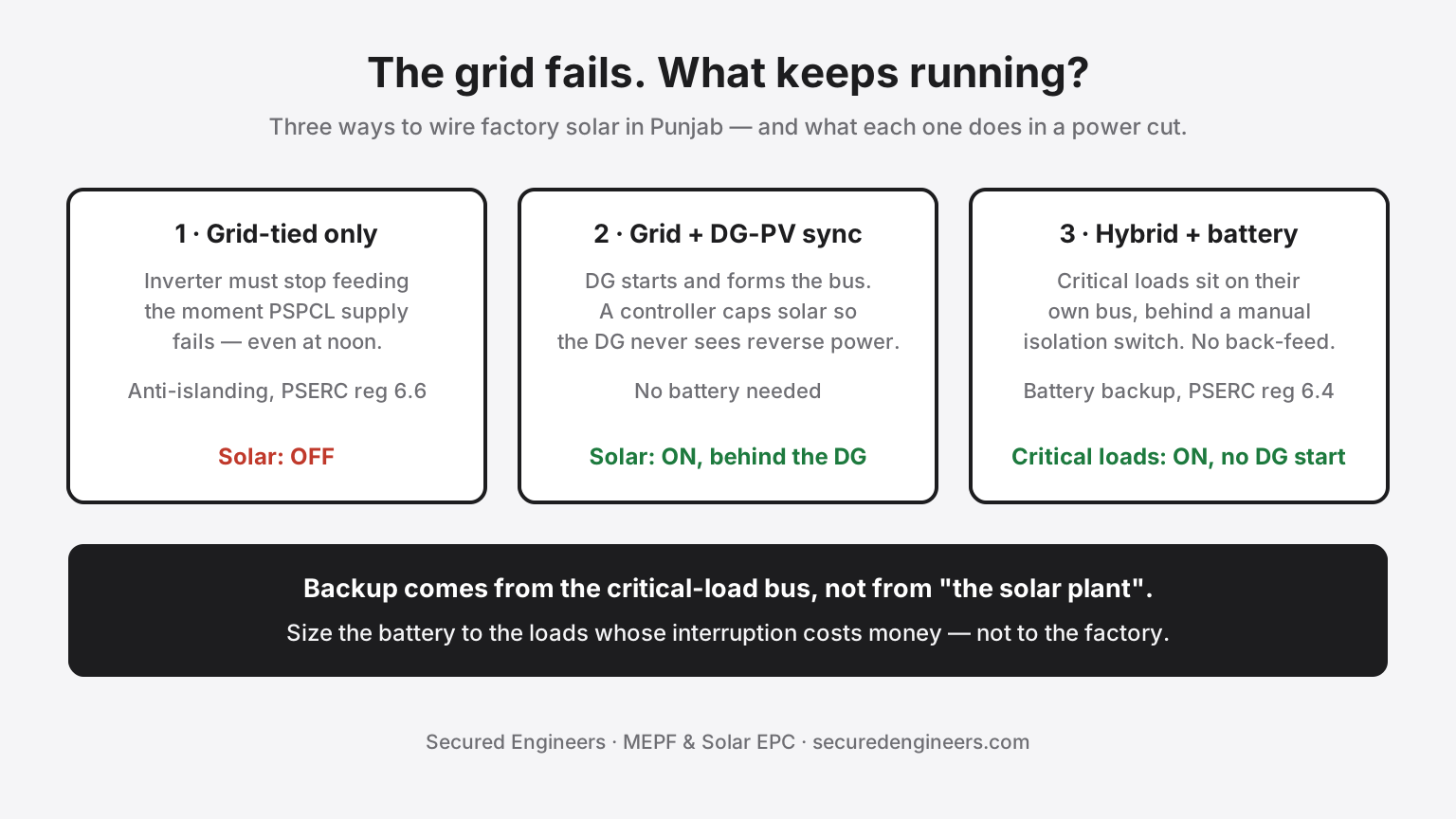
Your solar plant switches off in a power cut. Here's what a battery changes in Punjab.
A grid-tied rooftop plant must stop the moment PSPCL supply fails — by regulation, not by fault. What a battery changes, how PSERC requires it to be wired, when a DG-PV controller is the cheaper answer, and how to size backup to the loads that actually cost you money.
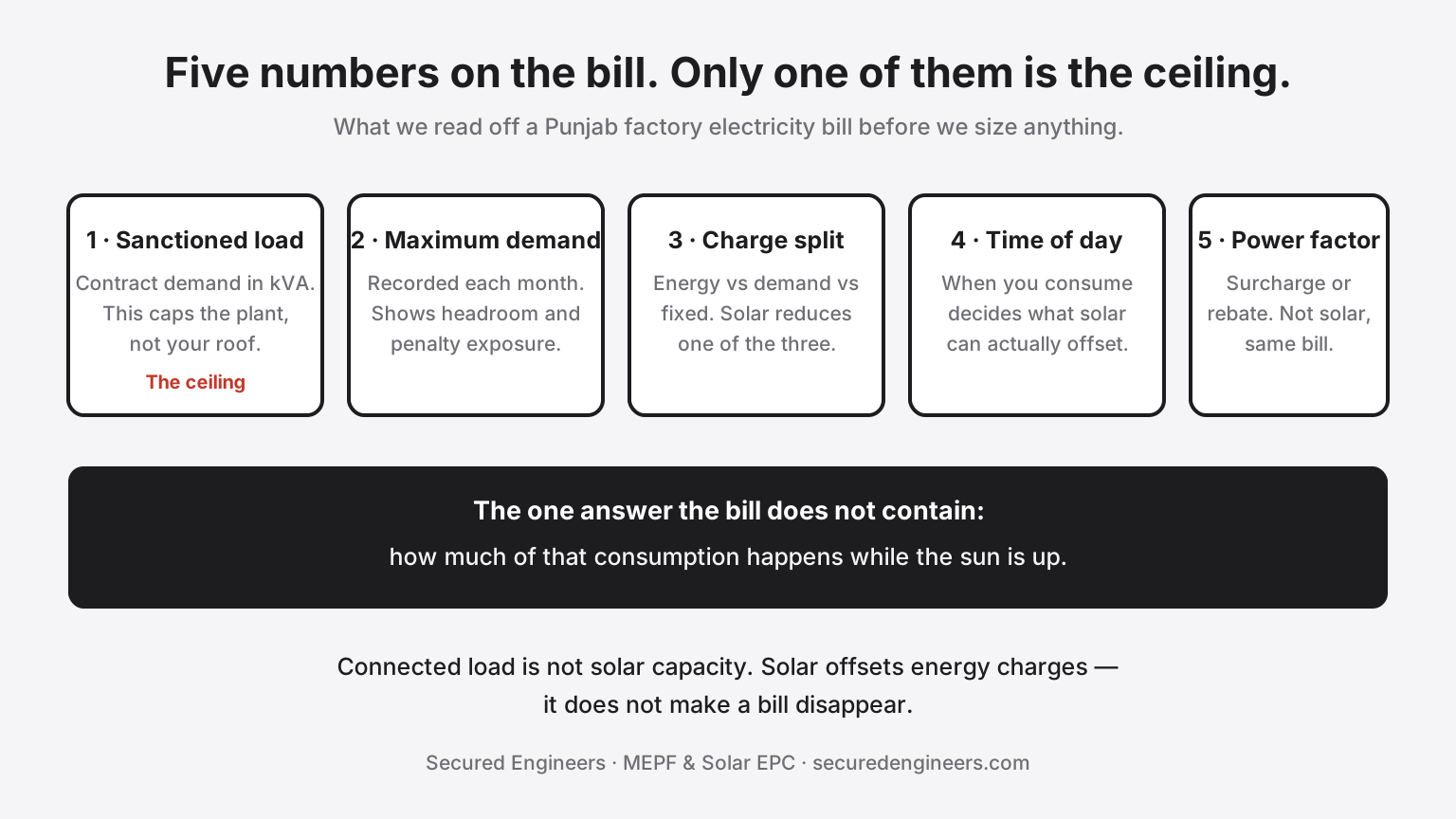
How to Size Factory Solar From a Punjab Electricity Bill
The roof rarely limits a Punjab factory's solar plant — the bill does. What each line on a PSPCL industrial bill governs, which charges solar can and cannot avoid, and how the PSERC rooftop rules settle exports in 2026.

What we check before a rooftop solar EPC proposal
A proposal starts with the electricity bill, not the roof. The checks our solar engineers make before a capacity is proposed — consumption, sanctioned load, roof, shading, DISCOM — and the ones that usually stop a plant being sized to the roof.
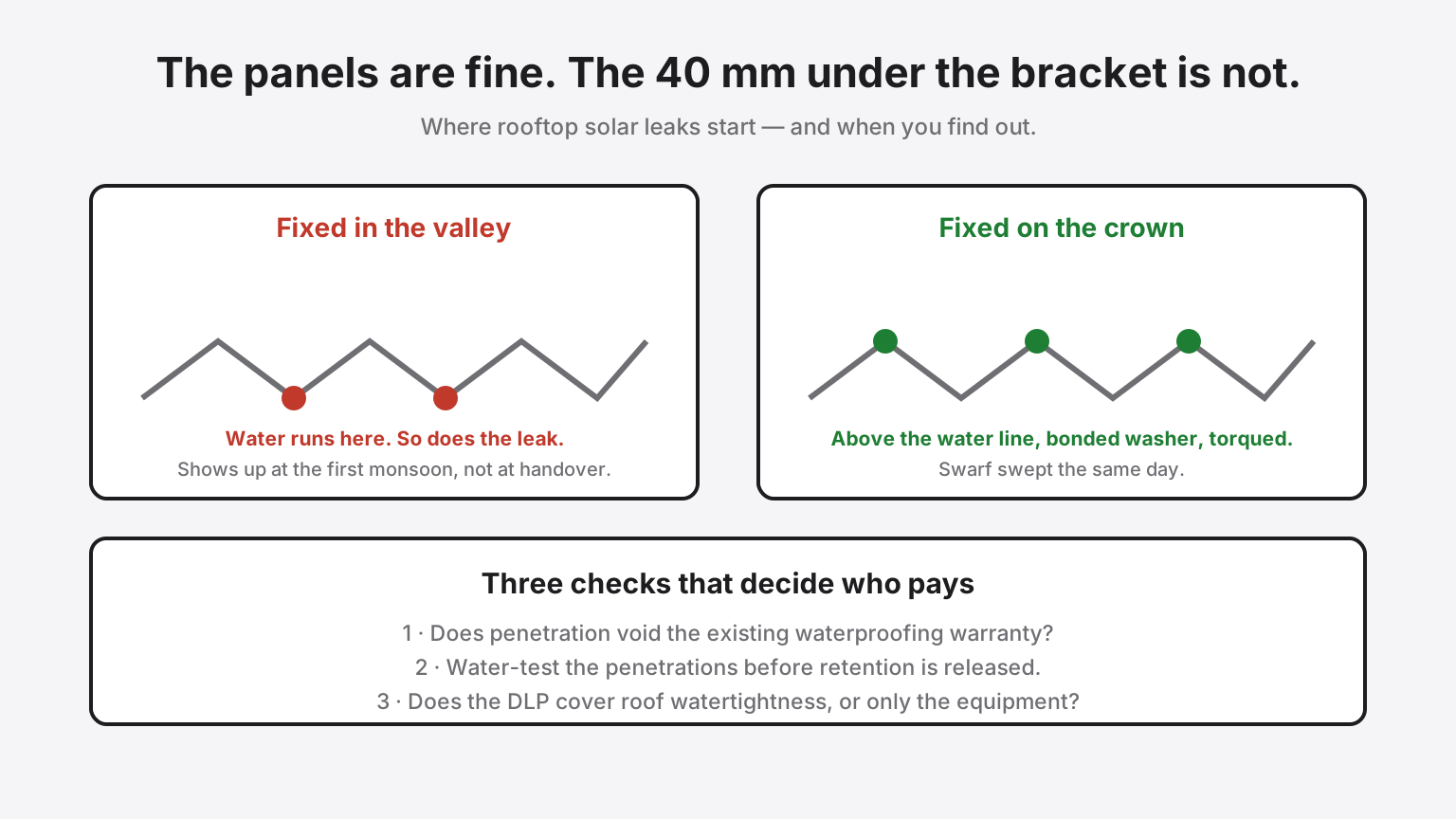
Rooftop solar without roof leaks — penetrations, ballast and the monsoon test
The plant works and the roof does not. Leak complaints arrive with the first monsoon, months after the installer demobilised. Here is how the detail is done properly.
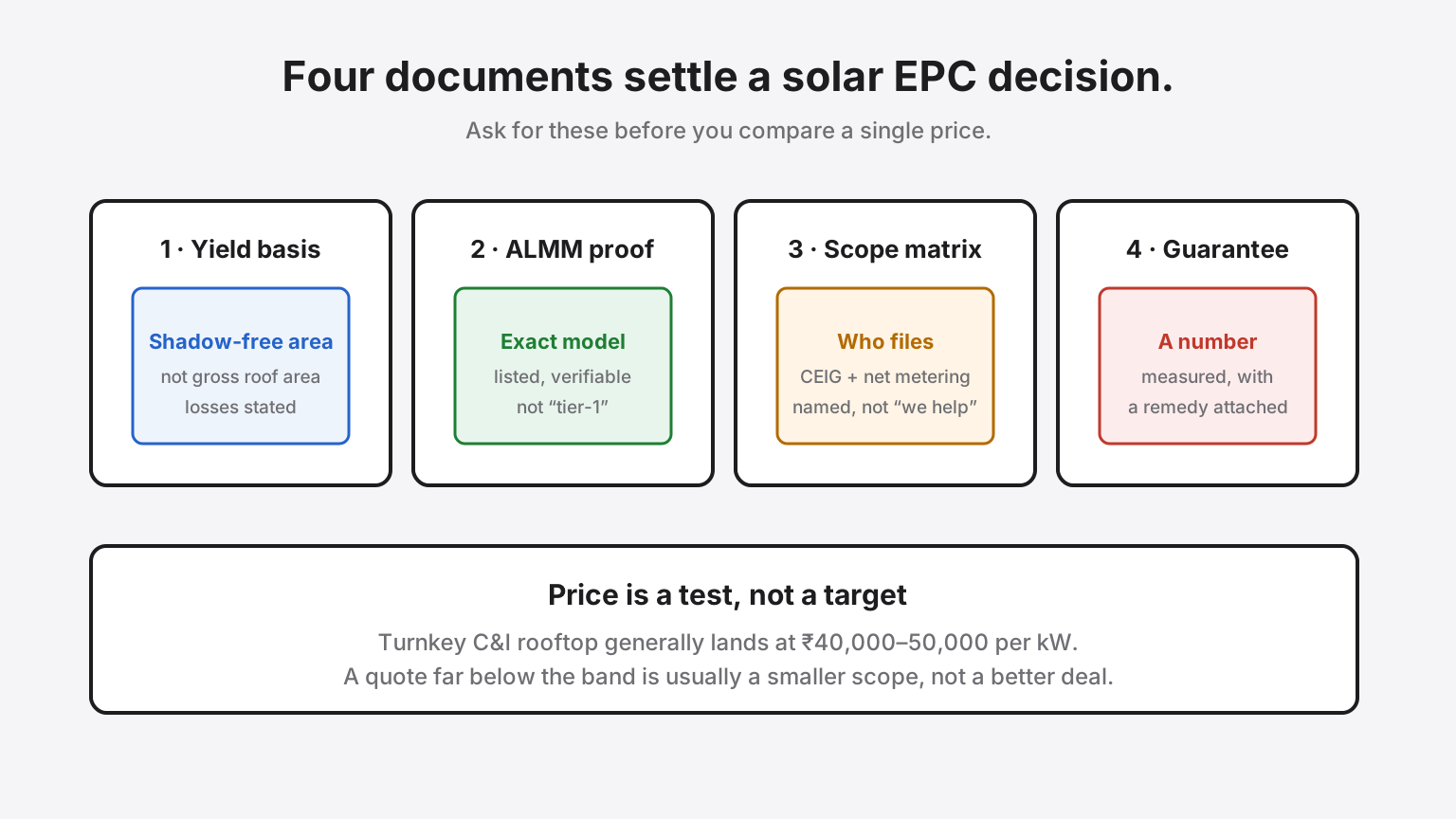
How to choose a solar EPC company in India — the checks that actually matter
Search that phrase and you get 'Top 10' lists written by solar companies about themselves. Here is the evaluation checklist instead — the one we'd want a buyer to run on us.
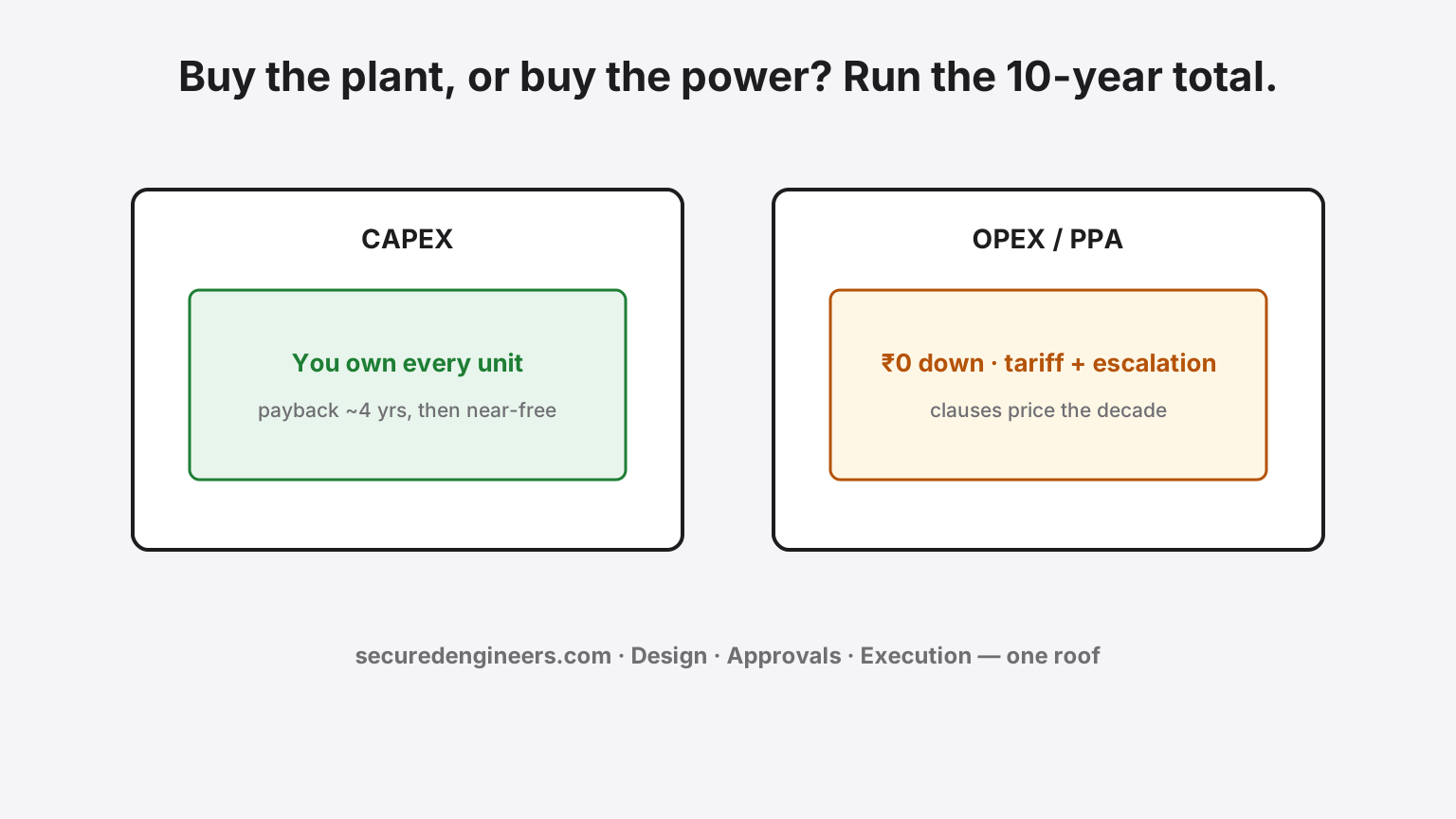
CAPEX vs OPEX Solar in India: Compare Ownership and a PPA on the Same Load
Owning a rooftop plant and buying its power under a PPA can only be compared on the same load and the same generation. What to hold constant, which clauses decide the answer, and which inputs to verify.
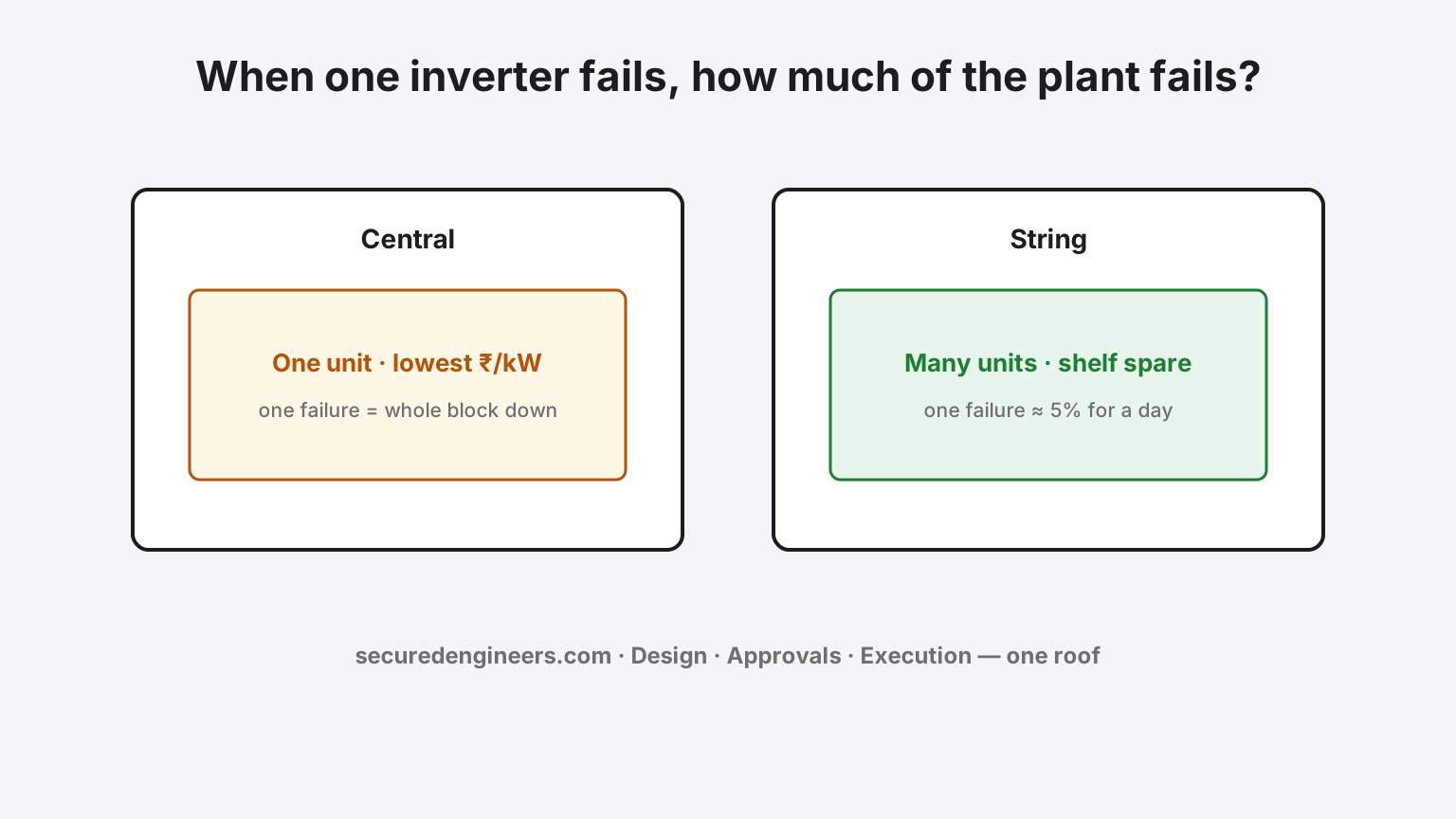
When One Inverter Fails, How Much of Your Plant Fails With It?
The inverter decision quietly sets your solar plant’s availability, monitoring granularity and 12-year replacement bill. String, central, or micro — the honest selection logic for Indian C&I rooftops, beyond brand loyalty.
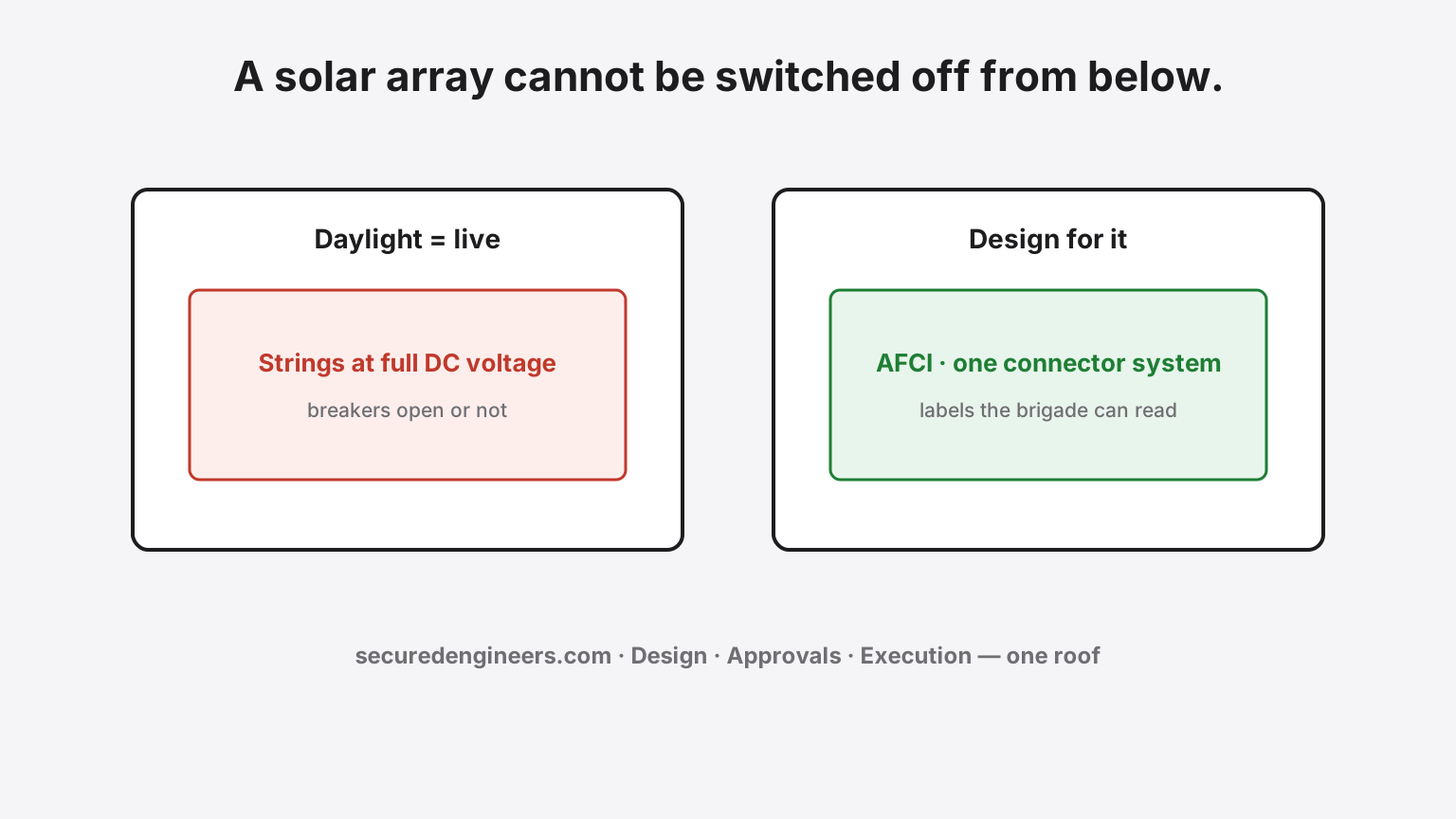
A Solar Array Cannot Be Switched Off From Below. Design for That.
While the sun shines, every string on your roof sits at hundreds of volts DC — breaker open or not. DC arcs don’t self-extinguish, mismatched connectors smoulder for months, and firefighters treat energised roofs differently. Solar fire safety is a design discipline, not an accessory.
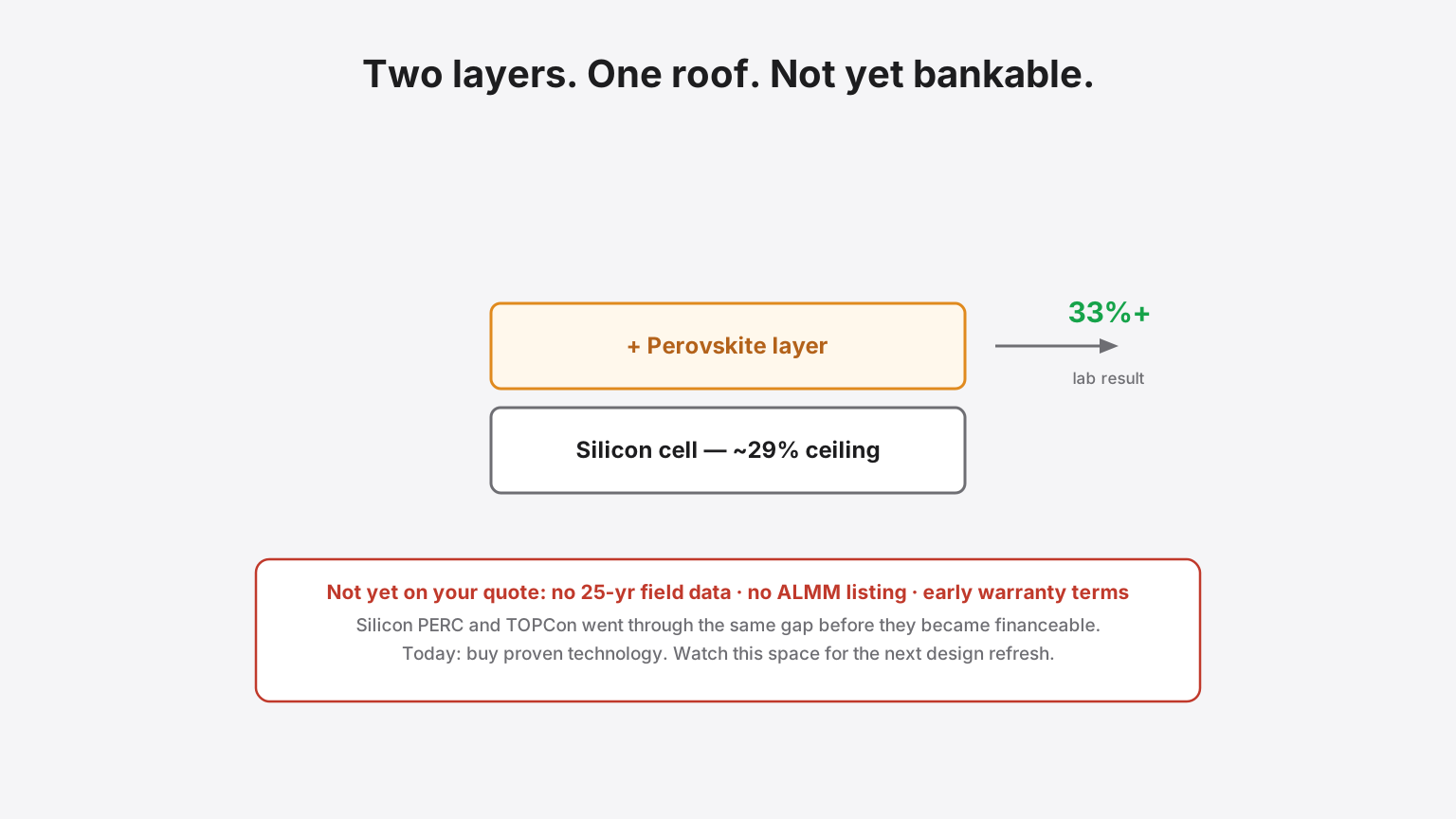
Perovskite Cells Promise 30%+ Efficiency. Your Roof Doesn't Have Ten Years to Wait and See.
Perovskite-on-silicon tandem cells are the most genuinely exciting number in solar right now — lab efficiencies past 33%, well above silicon's ceiling. They are also not yet a module you can put on an industrial roof and finance normally. Here's the honest gap between the lab result and your next RFQ.
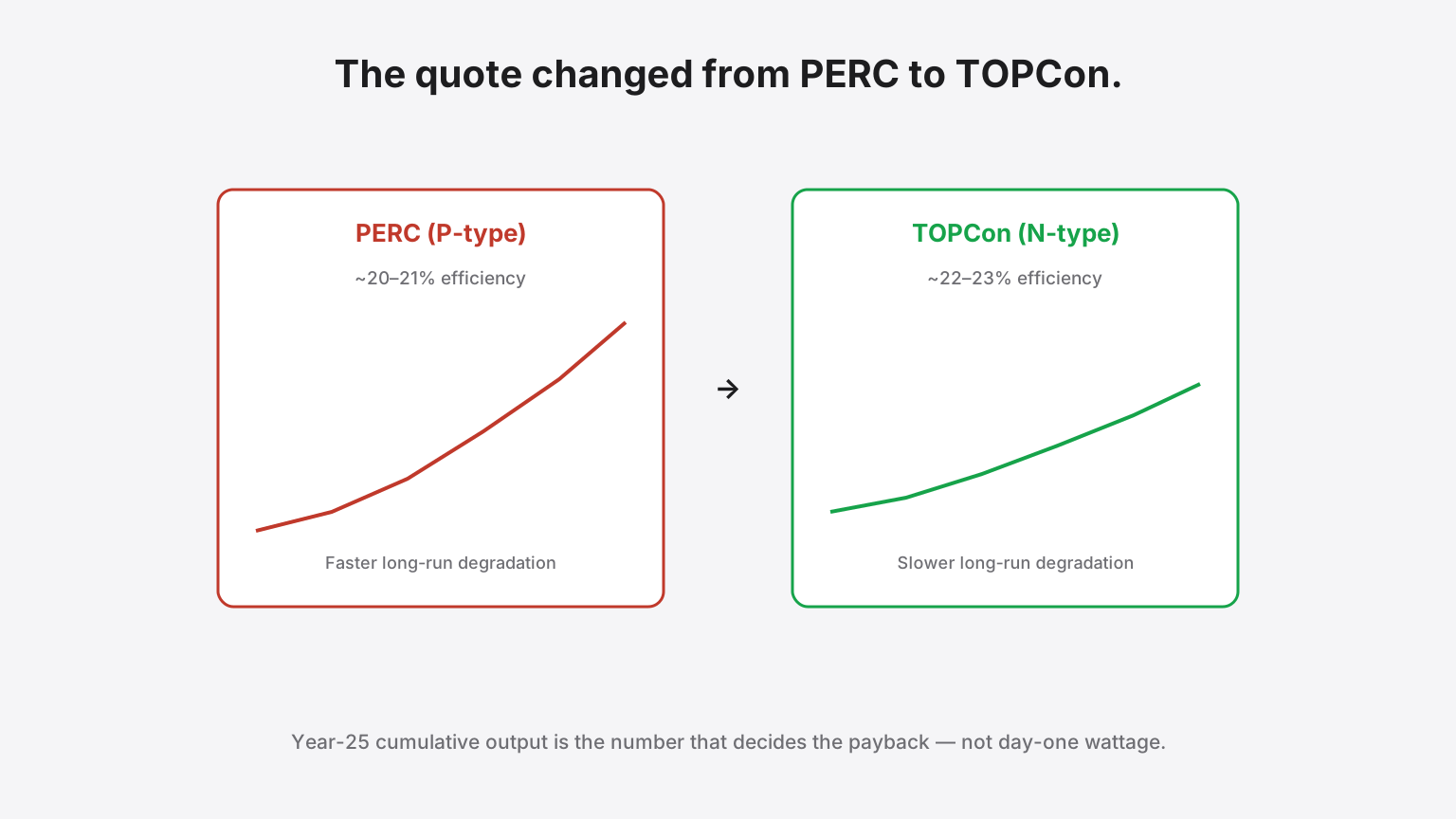
Your Quote Says TOPCon Now, Not PERC. Here's What Actually Changed.
Most commercial and industrial solar quotes in 2026 default to TOPCon modules rather than the PERC panels standard a few years ago. The efficiency number moved, but the number that matters more for a 25-year asset is the degradation curve — and that's where N-type genuinely earns the switch.
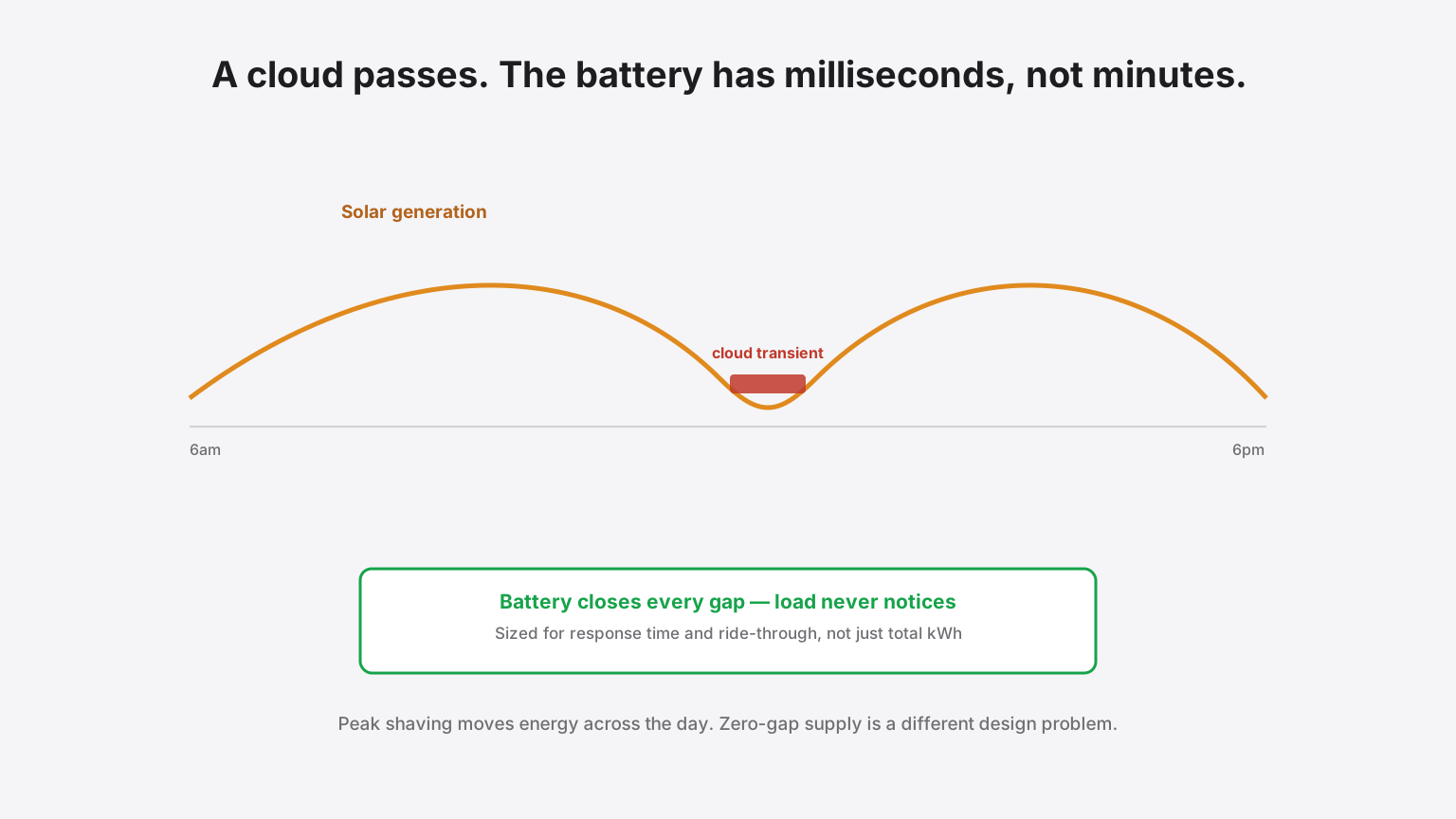
Peak Shaving Is One Battery Use Case. Zero Tolerance for a Supply Gap Is a Different Design Problem.
Solar-plus-storage for evening peak shaving is now a familiar factory decision. A different, harder problem sits behind it: continuous-process plants, cleanrooms and server rooms that cannot tolerate even the seconds-long gap between a cloud transient and a DG picking up. That needs different sizing, not just a bigger battery.
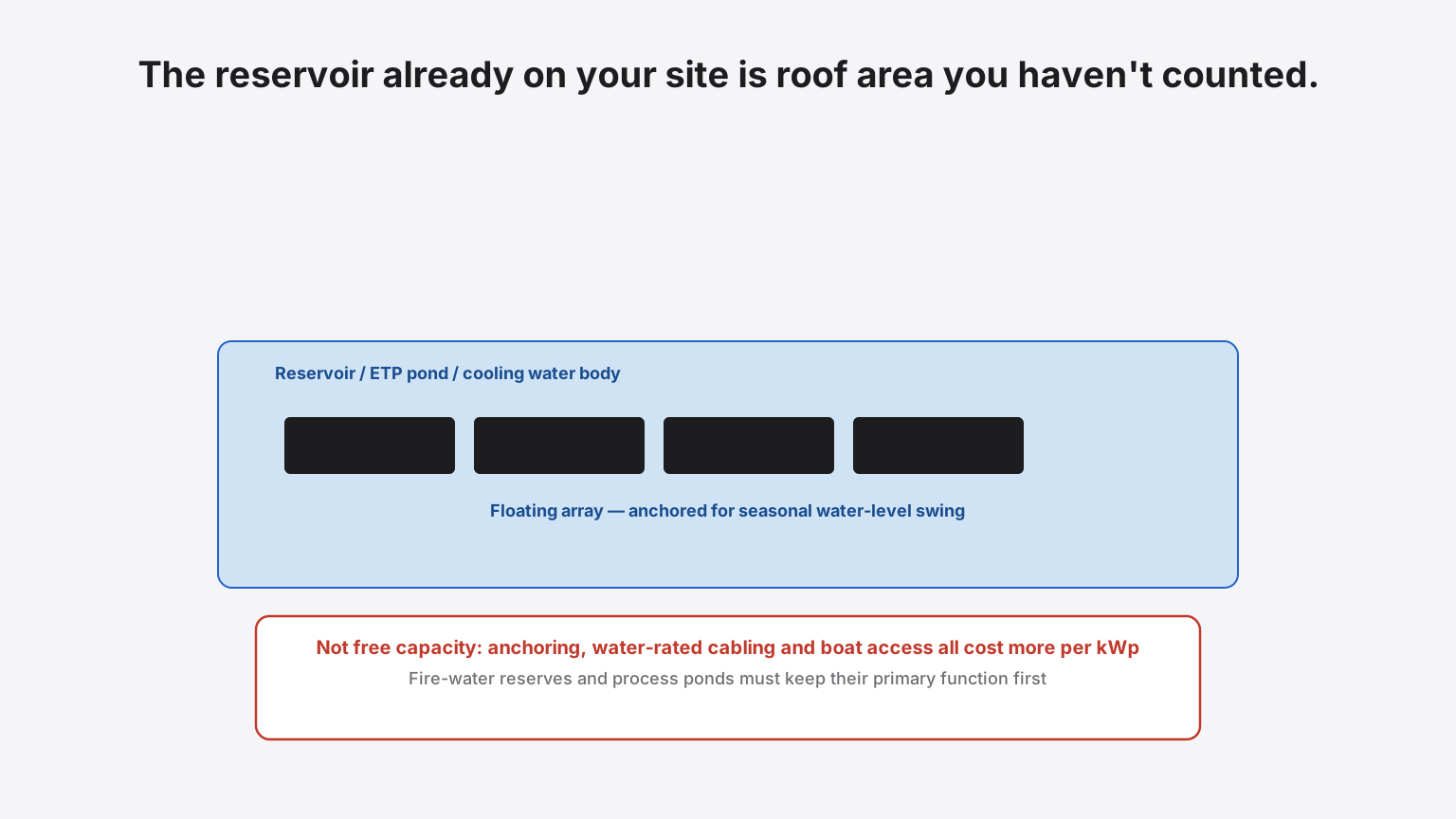
Your Factory Has a Reservoir, an ETP Pond, or a Cooling Tank. That's Roof Area You Haven't Counted.
Floating solar puts panels on water instead of roof or ground — a genuine option for factories, textile mills and campuses that already have a reservoir, effluent pond or cooling water body. It isn't free capacity, though: anchoring, water quality and access all add real engineering that a roof-mount quote doesn't have to price.
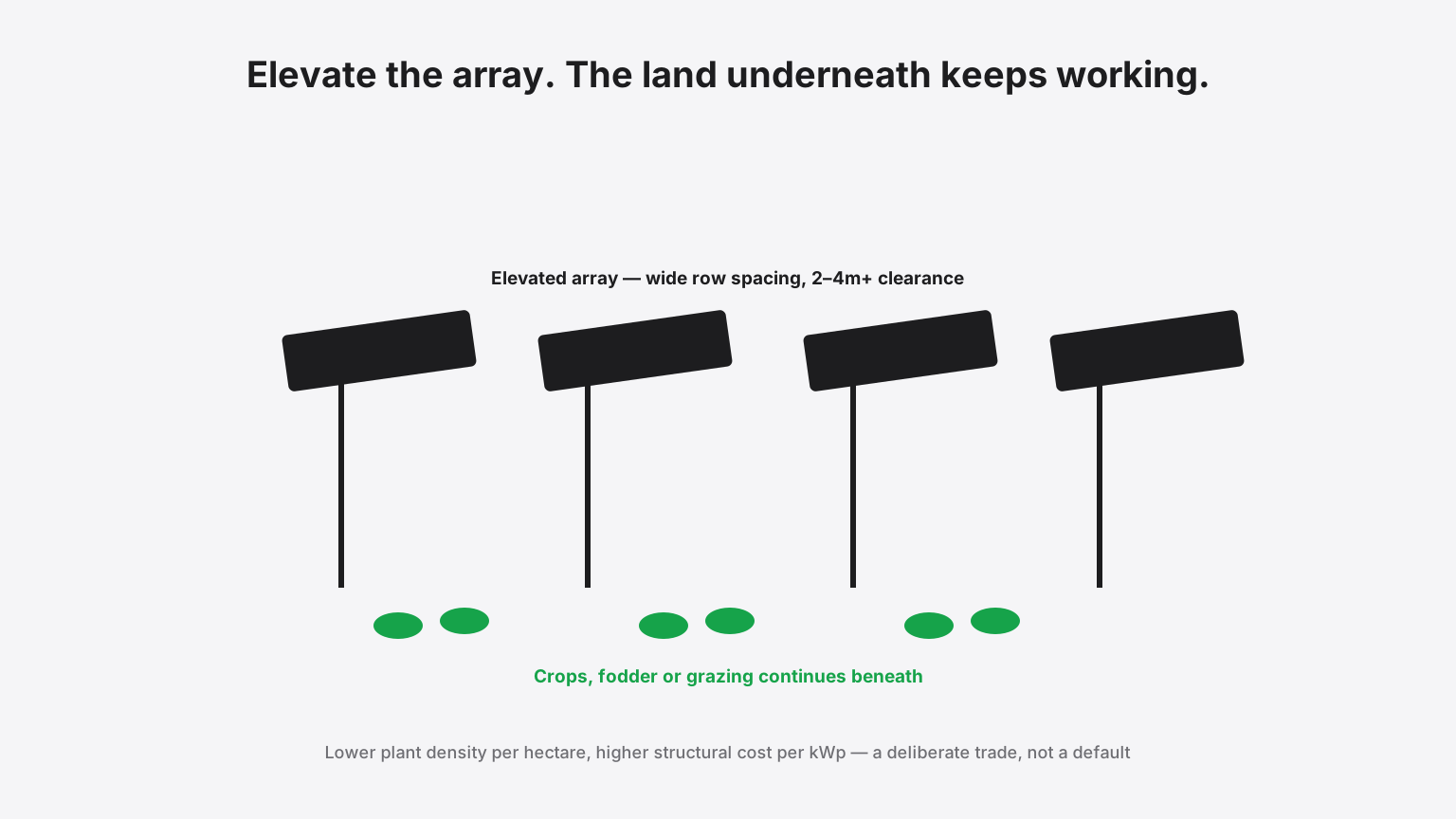
Elevate the Array, and the Land Underneath Doesn't Have to Sit Idle.
Large ground-mount captive or open-access solar plants use land that could otherwise stay in agricultural use. Agrivoltaic design — elevating and spacing the array so farming continues beneath it — is a real option for industrial buyers structuring these deals, with real structural cost and yield trade-offs, not a default.
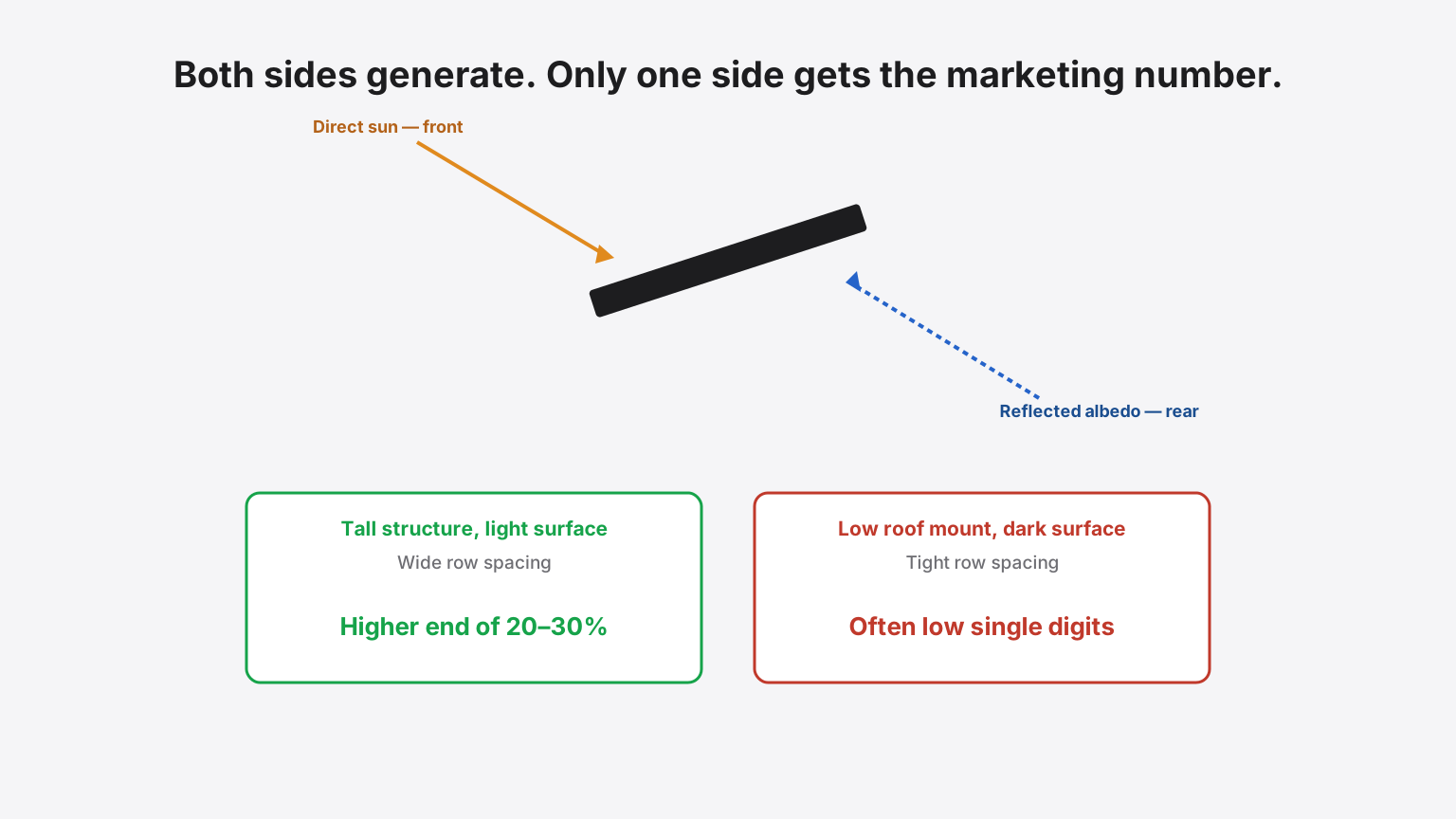
Bifacial Panels Generate From Both Sides. On the Wrong Roof, the Second Side Generates Almost Nothing.
Bifacial modules capture light reflected off the ground as well as direct sunlight — real, but the gain depends entirely on mounting height, tilt and what's actually underneath the array. Marketing puts the number at up to 20-30%. Most Indian commercial rooftops see a fraction of that, and it's worth knowing why before paying the premium.
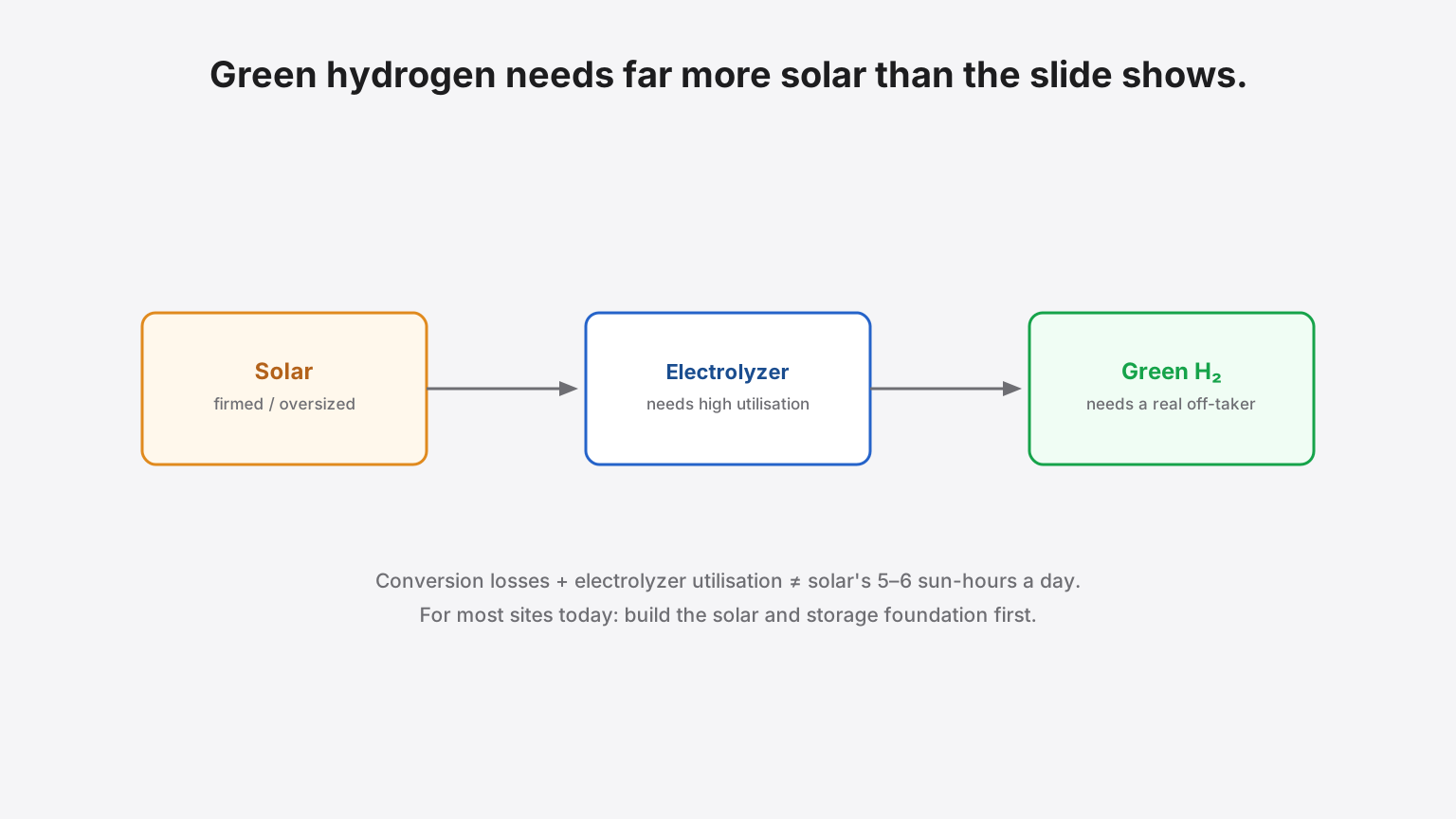
Green Hydrogen Needs a Lot More Solar Than the Slide Deck Shows.
Green hydrogen — solar power run through an electrolyzer to split water — is the path being discussed for decarbonising steel, fertiliser and other hard-to-electrify heavy industry. For most Indian industrial buyers today it's a genuine future direction, not a retrofit decision, and the honest reason why is the scale of solar capacity it actually requires.
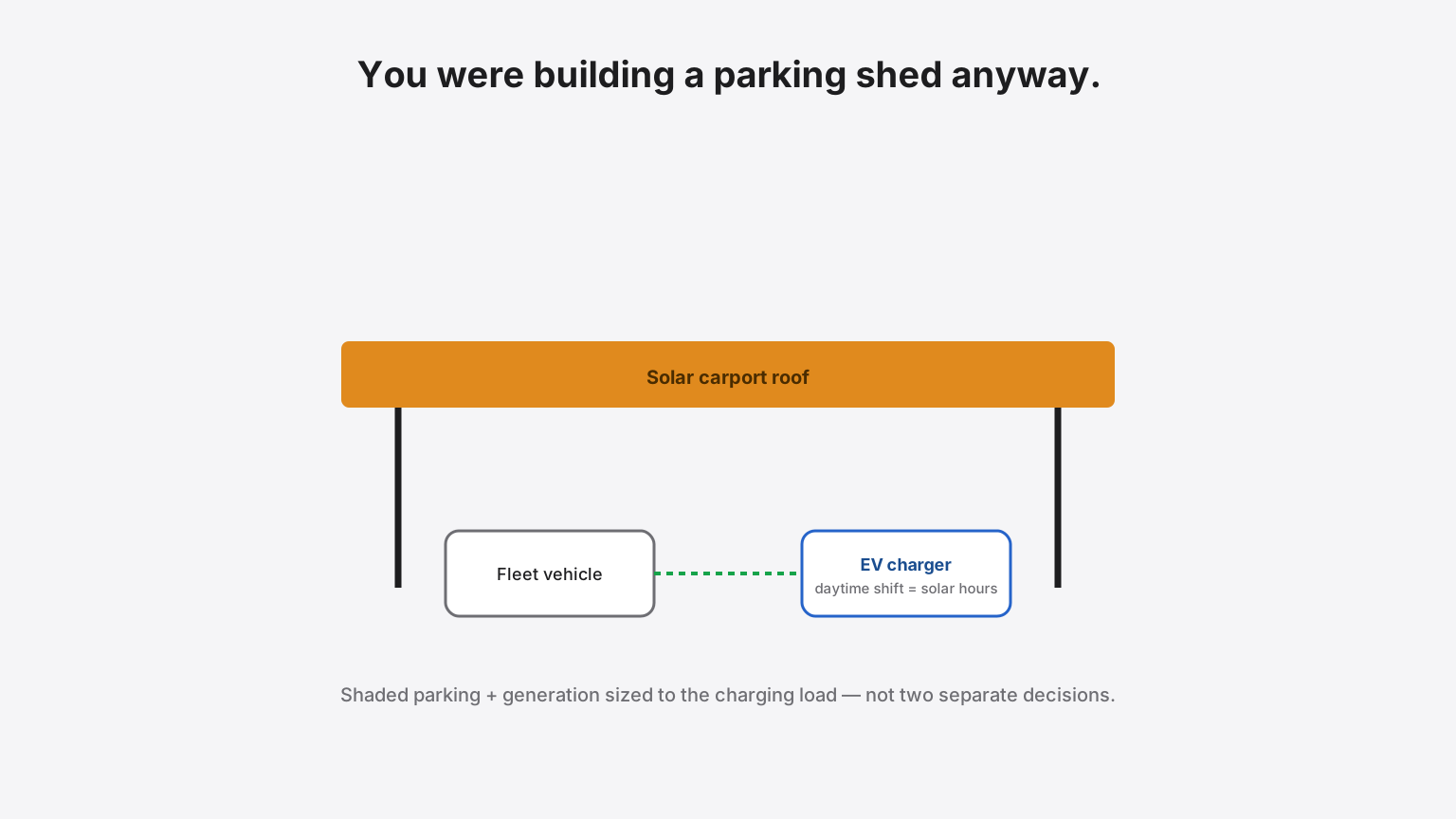
You Were Going to Build a Parking Shed Anyway. Put Solar on It Before the EV Chargers Go In.
Factories with EV logistics fleets, hotels, and corporate campuses adding EV charging usually treat the charger and the parking structure as two separate decisions. A solar carport combines them — shaded parking plus a generation source sized to actually offset the new charging load, rather than dumping it straight onto the grid connection.
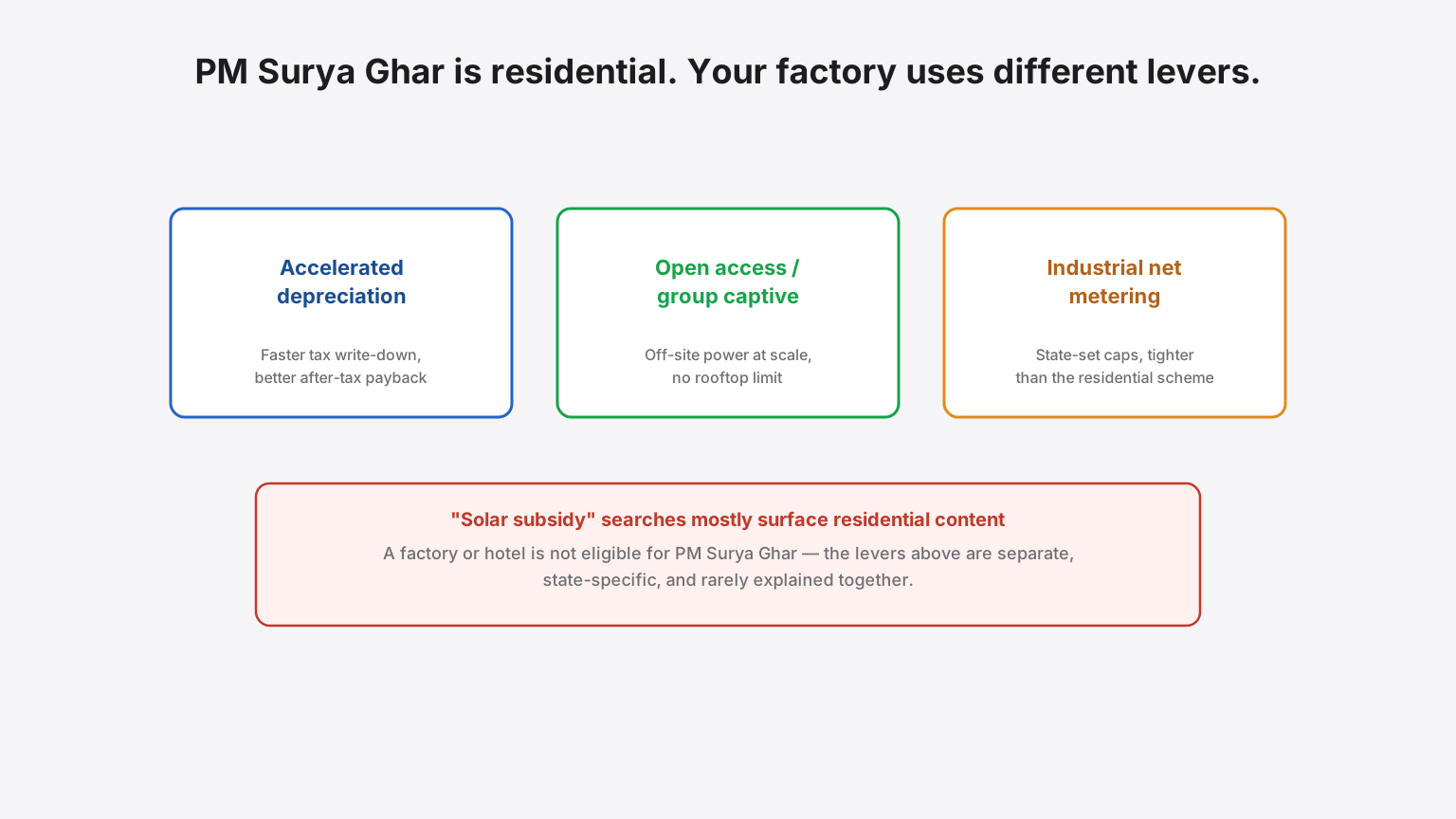
PM Surya Ghar Is a Residential Scheme. Your Factory's Solar Incentives Work Differently.
PM Surya Ghar dominates solar-incentive coverage in India — and it's a residential rooftop scheme your factory or hotel isn't eligible for. Commercial and industrial buyers work a different set of levers: accelerated depreciation, open access, and industrial net-metering rules that are more restrictive, not more generous, than the residential ones.
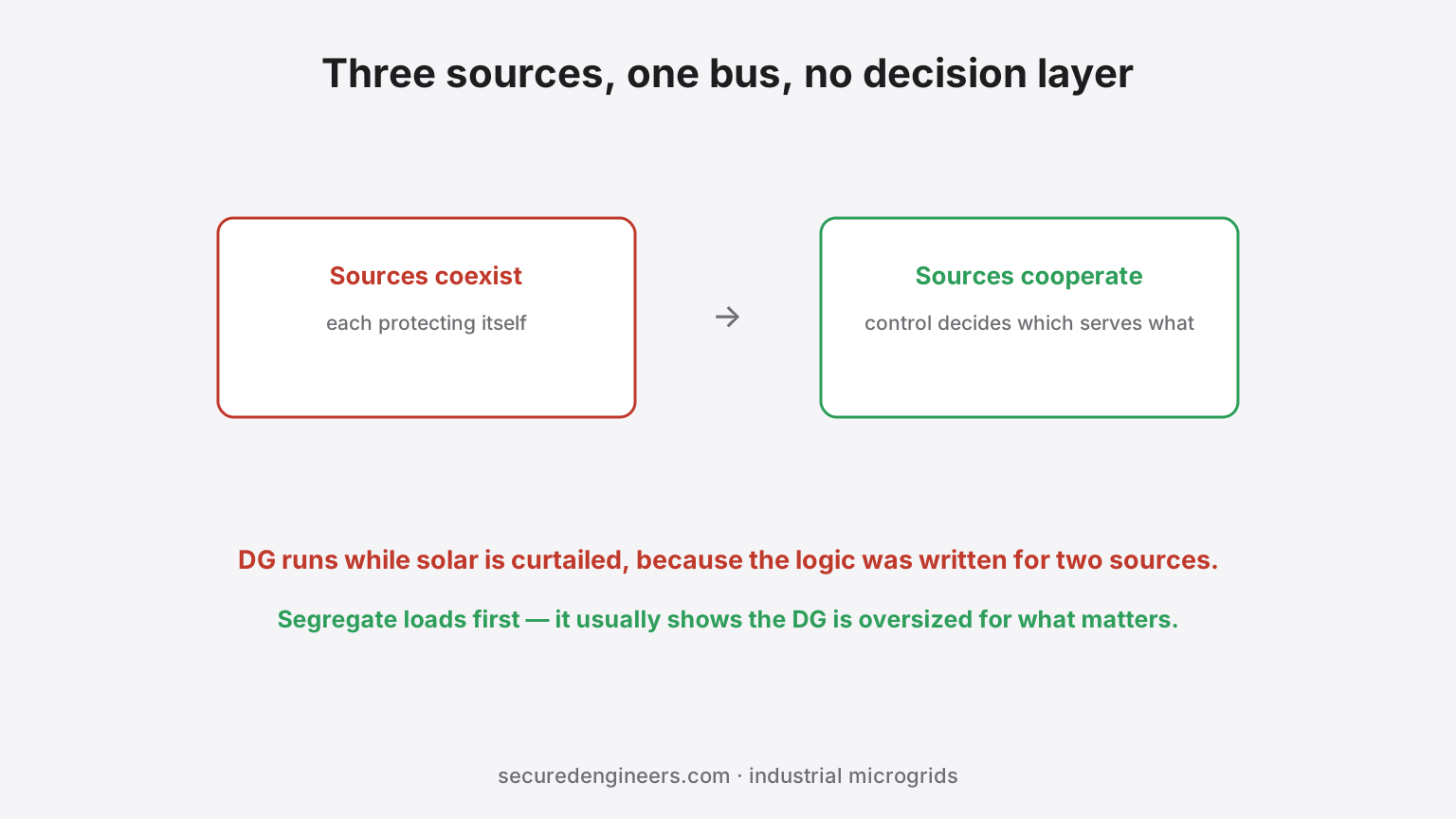
Solar, DG and Battery Integration for a Factory: Outages, Protection and Control
A grid-tied solar plant stops the moment grid supply fails, by design. Making solar, a DG set and batteries work together during outages is an architecture decision — which loads are critical, which source serves them, and the protection and controls that keep the grid, the DG and the inverters out of each other's way.
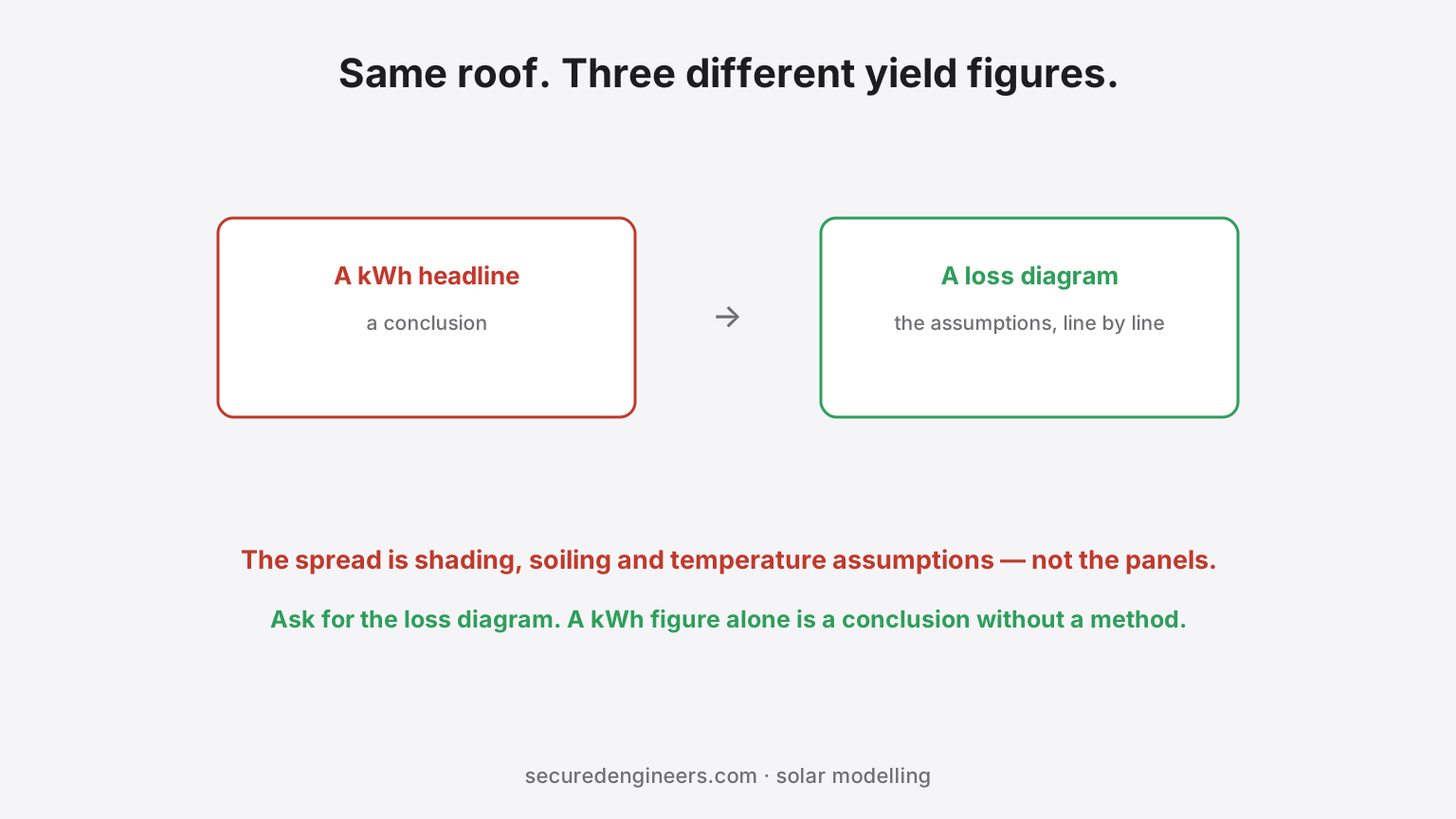
Three Vendors, One Roof, Three Different Generation Figures.
Solar yield estimates for the same roof routinely differ by double digits. The gap is rarely the panels — it is what each model assumed about shading, soiling, temperature and losses, and almost none of it is visible in the headline number.

A Plant Down 8% Looks Exactly Like a Plant Working Fine.
Solar underperformance is invisible from the ground and rarely obvious in the monitoring portal. Aerial thermography inspects every module in a fraction of the time a manual survey takes — and finds the specific failures that inverter data cannot localise.
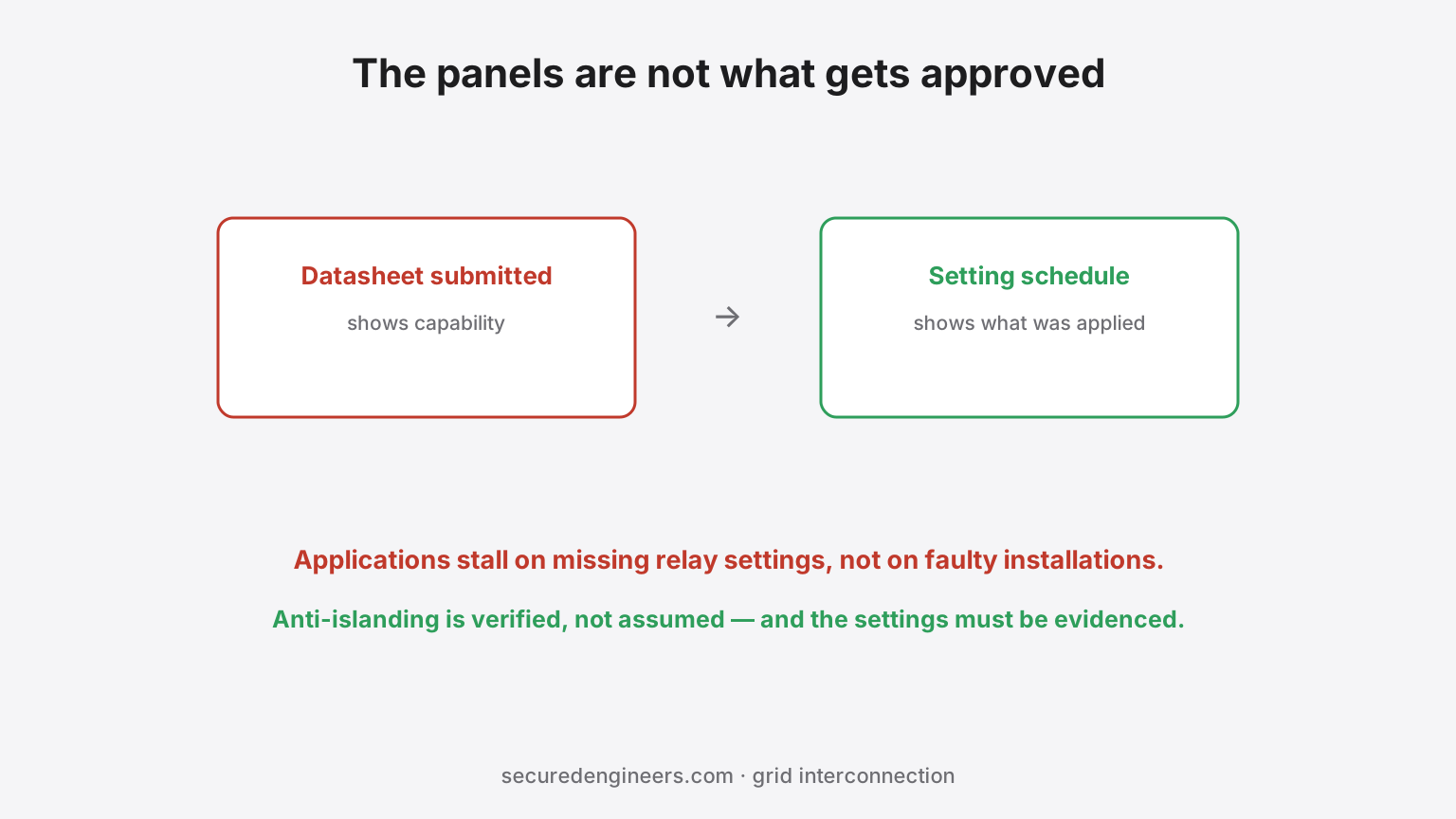
The Array Is Built. The Protection Settings Decide Whether It Ever Exports.
A rooftop plant cannot export until the DISCOM is satisfied it will disconnect safely, protect its own network, and stay within limits. Those requirements sit in the protection settings and the interconnection documentation, not in the panels.
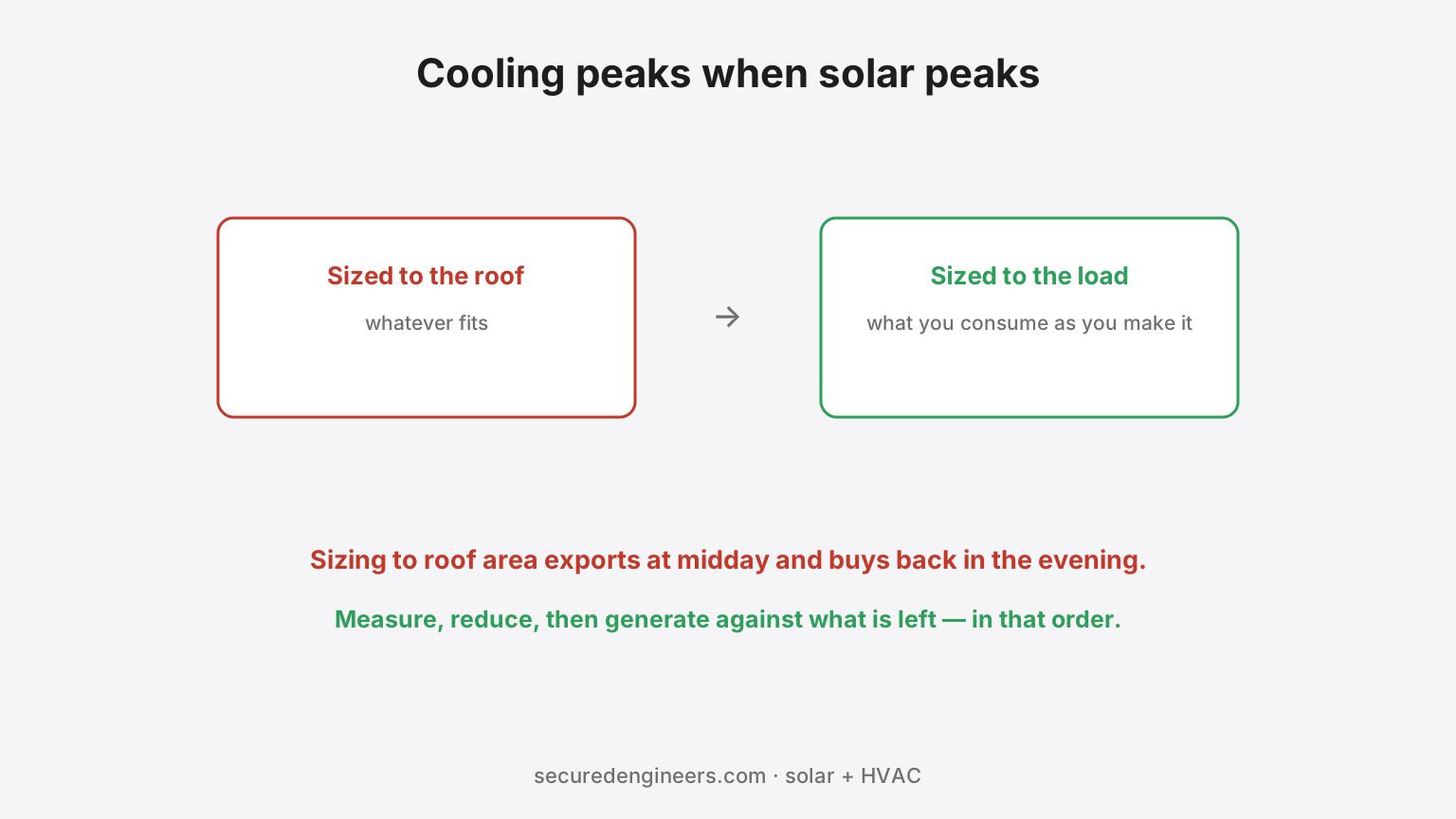
Size Rooftop Solar Against Your Factory's Daytime Load, Not the Roof
A rooftop plant pays best when the factory uses its output as it is generated. Sizing it means overlaying interval load data on the generation curve — weekdays, shutdowns and seasons included — and deciding what happens to the surplus before choosing the kW.
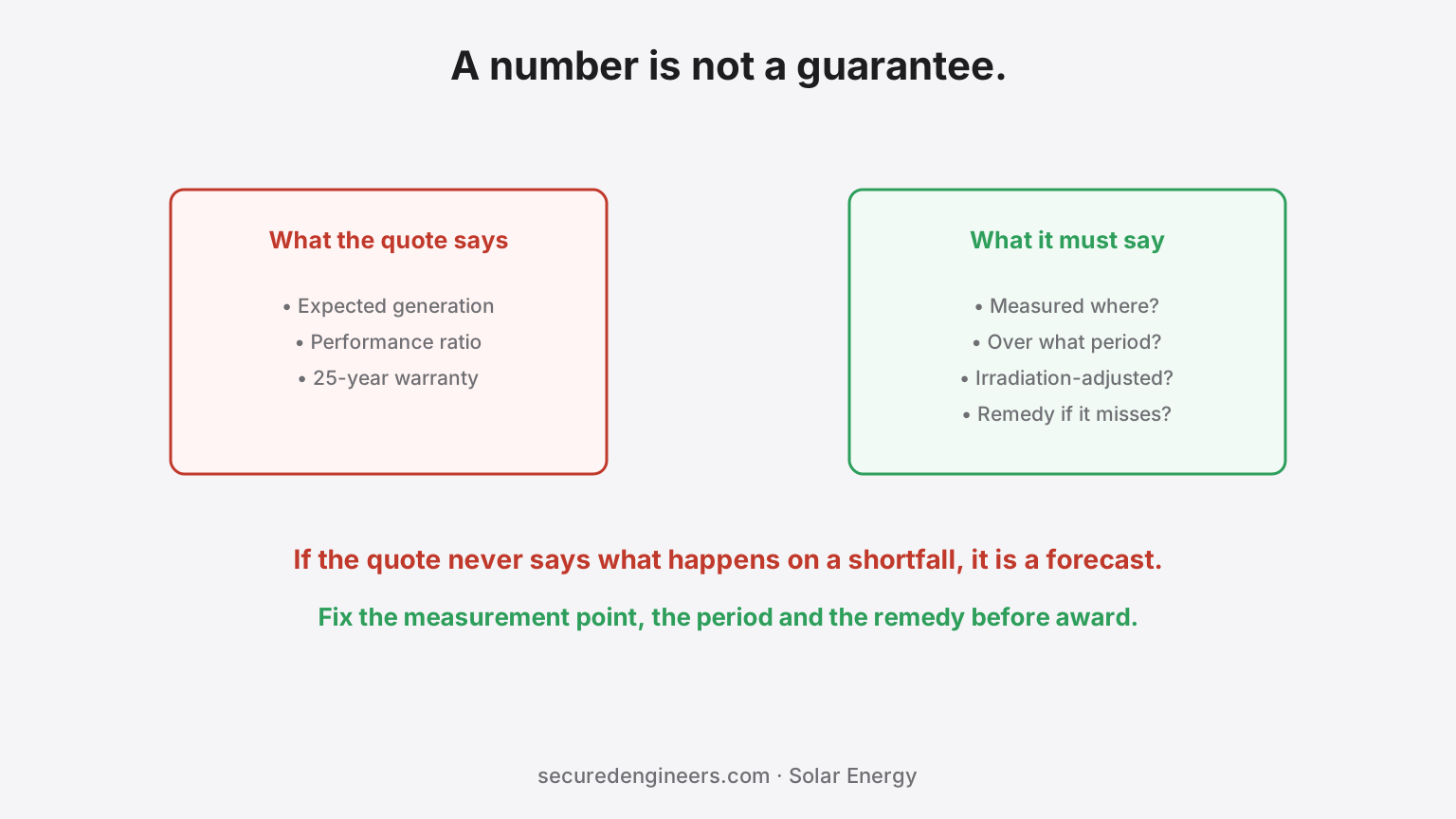
The Solar Quote Guarantees Generation. Read What Happens When It Misses.
Every solar EPC quote carries a performance figure. Almost none state what happens if the plant does not reach it — how it is measured, over what period, and what the contractor actually owes you.
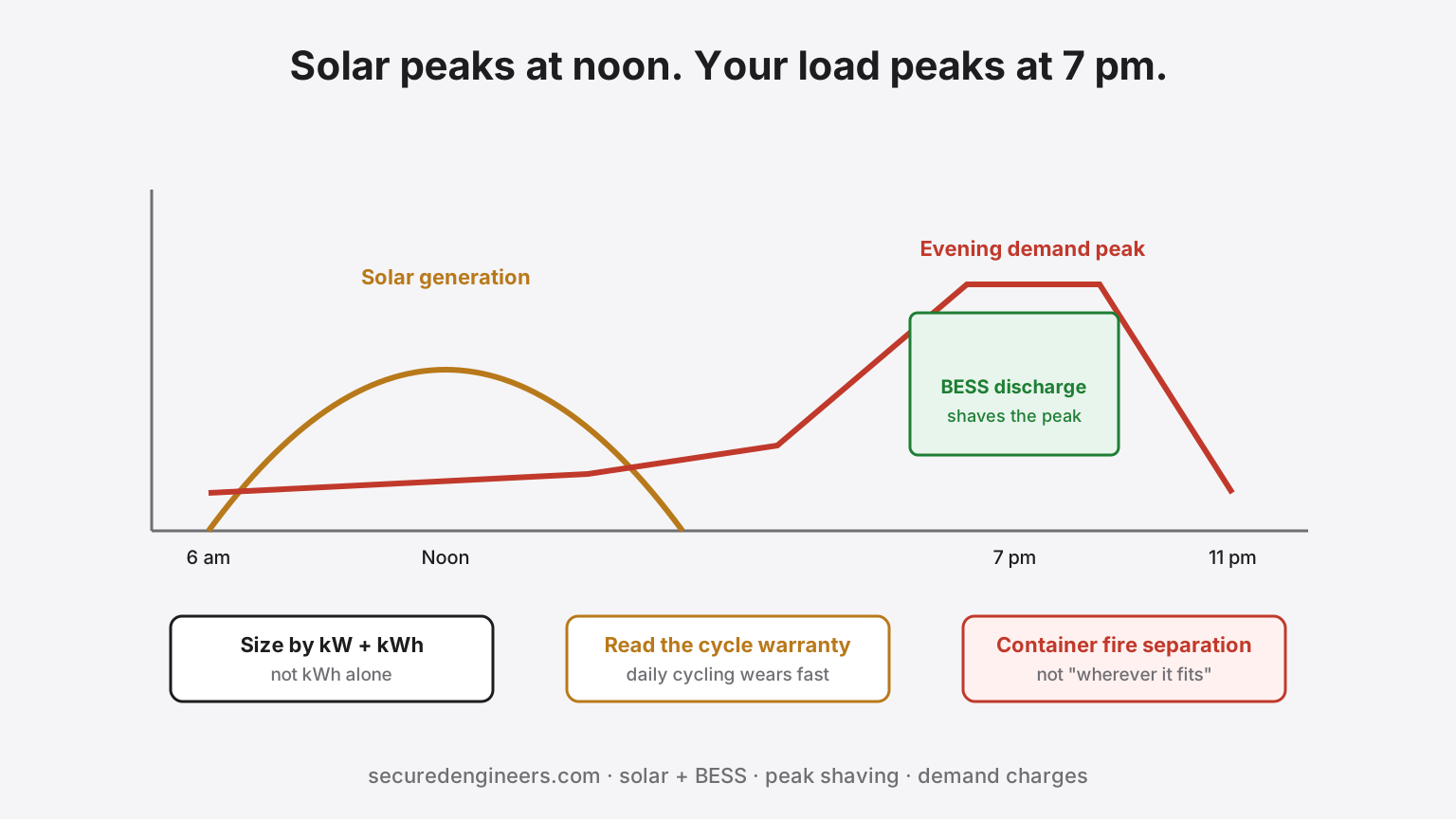
Your Solar Plant Sleeps Through Your Evening Peak. A Battery Doesn't Have To.
Battery energy storage paired with rooftop solar lets a factory shave demand peaks, cut demand charges and shrink DG hours — and 2026 is the year the economics started genuinely working. But buyers keep sizing by kWh alone, skipping cycle-life warranty terms, and parking containers where fire codes say they can't sit.
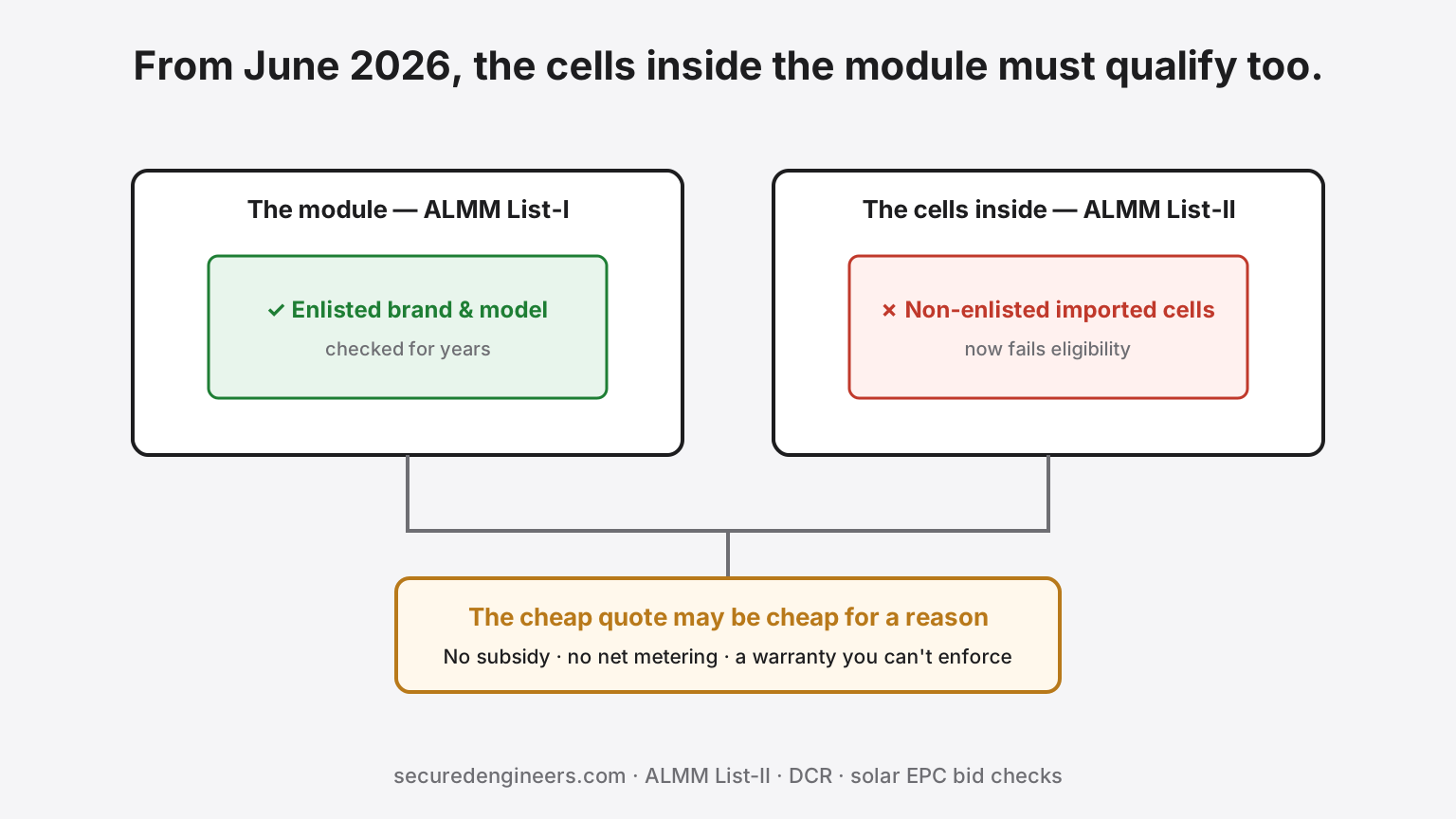
That Cheap Module Quote May Not Be an Eligible Module Anymore. ALMM List-II Changed the Rules.
From June 2026, ALMM compliance extends to solar cells (List-II), not just modules. A module that was fine to buy last year may now be ineligible for government schemes and net metering — and the cheapest quote on your table is the most likely to be built on non-compliant cells.
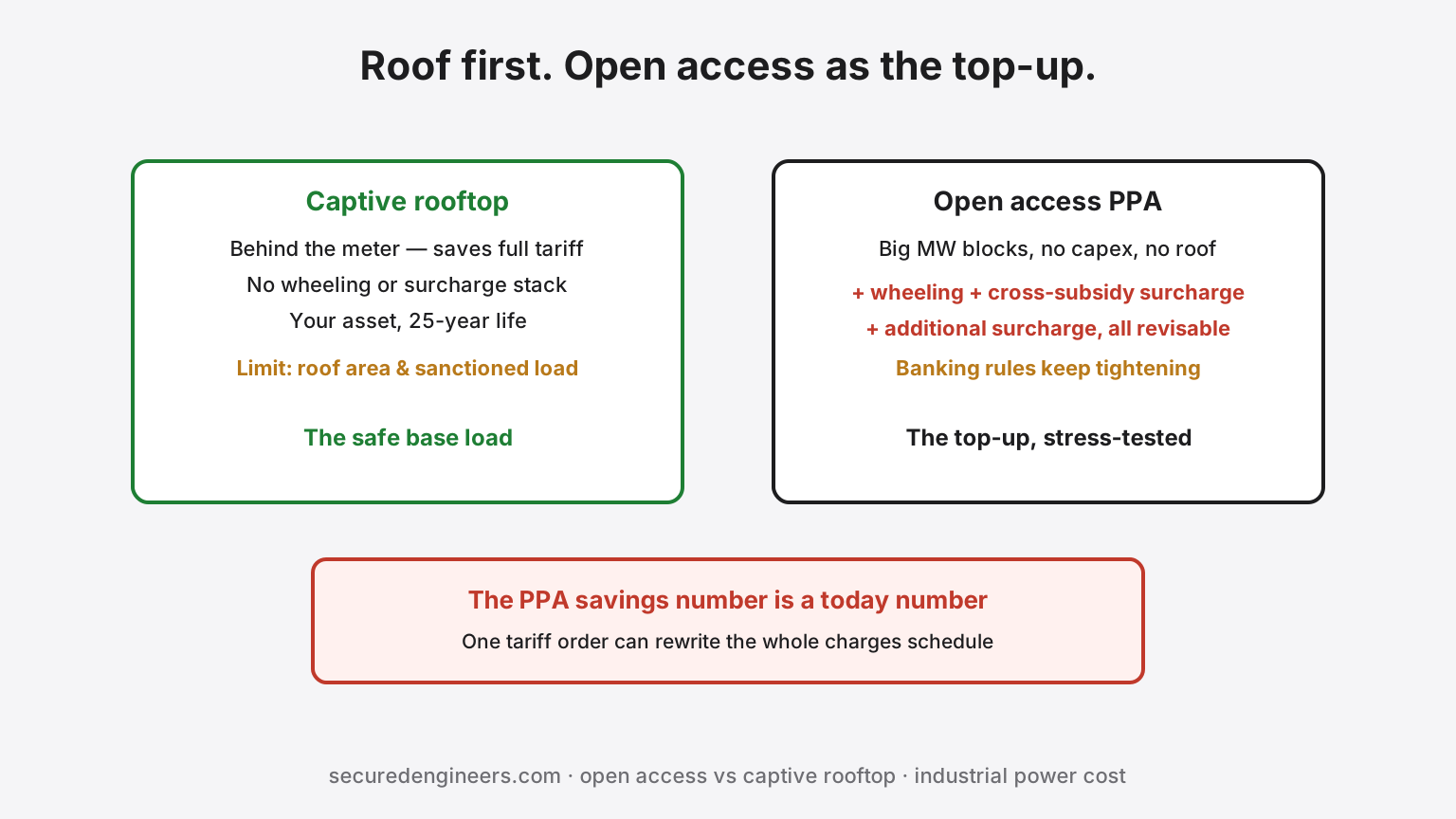
The Open-Access PPA Promised Cheaper Power Than Your Roof. Read the Charges Schedule First.
Open-access solar can deliver large blocks of cheap power without touching your roof — but its economics live and die on state-set charges that get revised, banking rules that keep tightening, and eligibility thresholds. Rooftop captive is smaller but yours. Most factories should treat roof-first as the base and open access as the top-up.
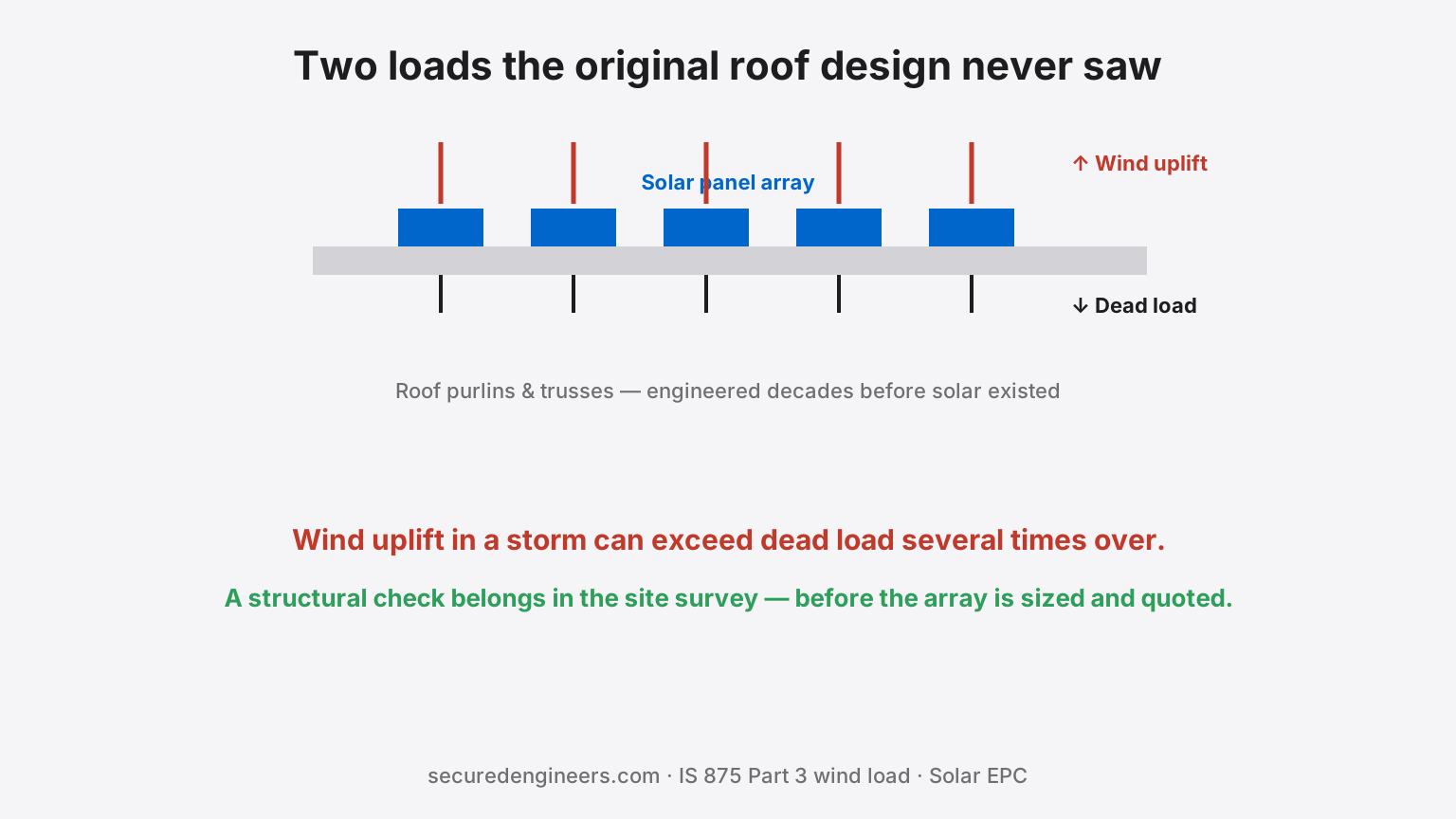
Can an Existing Factory Roof Take Solar? Four Checks Before the Quote
Whether an existing factory roof can take solar is settled by four checks before anyone fixes the kW: the roof's condition and remaining life, a structural engineer's assessment, the wind and fixing design, and how the array works with waterproofing and fire access.
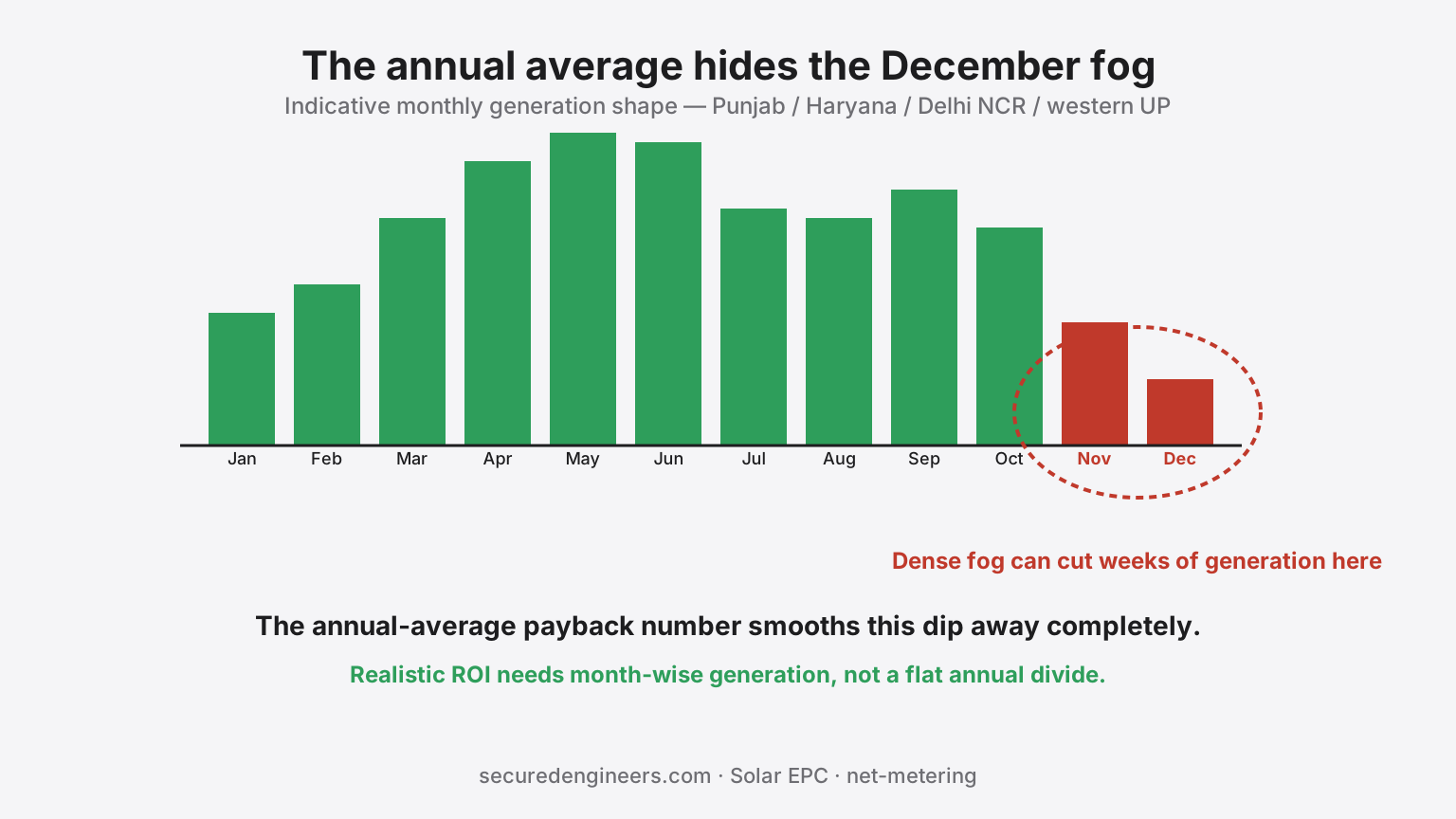
Your Solar ROI Model Assumed Average Sun. December in Punjab Isn't Average.
Rooftop solar payback models often use an annual average generation figure — but North India's dense winter fog belt (Punjab, Haryana, western UP) can cut December–January generation sharply for weeks at a time. Realistic ROI needs month-wise generation, not an annual average smoothed flat.
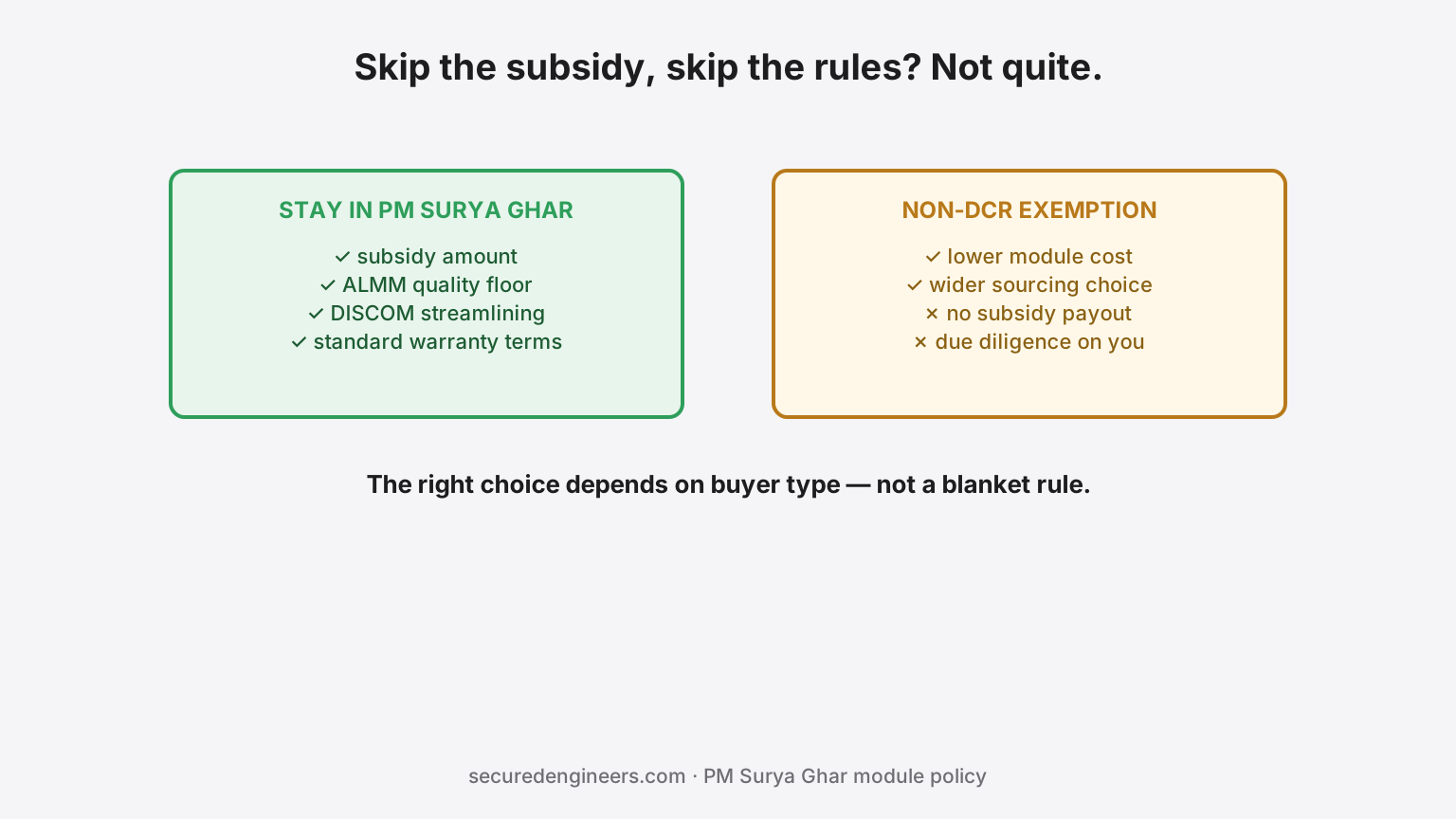
Skip the Subsidy, Skip the Rules? PM Surya Ghar's Module Exemption, Explained.
MNRE's recent clarification lets PM Surya Ghar applicants who voluntarily forgo the subsidy use non-DCR solar modules, with some residential consumers also getting exemptions from ALMM List-II requirements. That sounds like more freedom — and for the right buyer, it is. For most homeowners, it's a trade-off between a smaller upfront cost and a set of protections the subsidy scheme was built to guarantee.
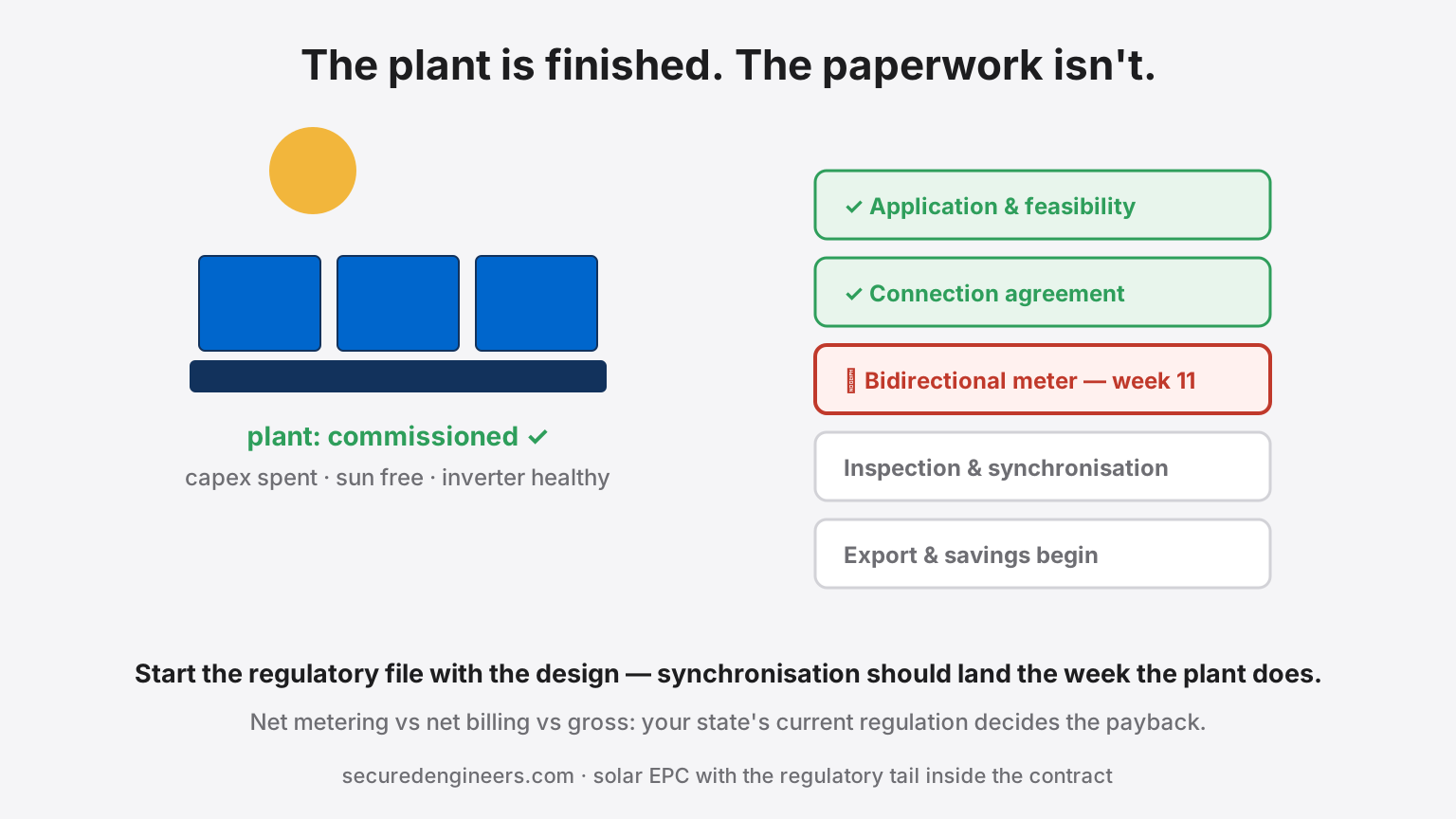
Your Solar Plant Has Been "Awaiting Meter" for 11 Weeks. Here Is Why.
The panels are up, the inverter hums through commissioning mode — and the plant cannot legally export a unit because the bidirectional meter and synchronisation approval are stuck. Why net-metering files stall at North Indian DISCOMs, and how to sequence solar so the paperwork finishes with the plant.
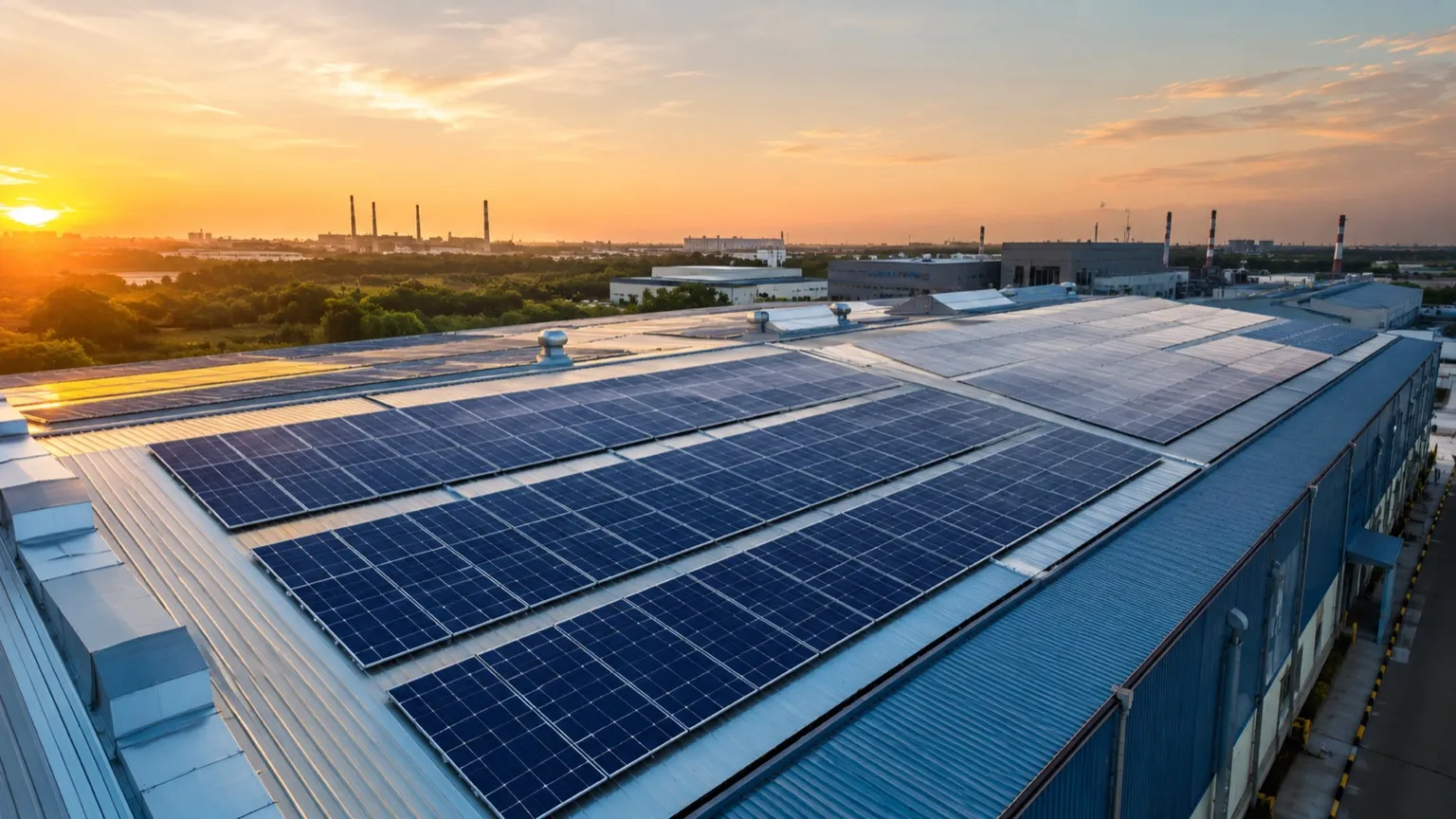
Why Most Industrial Solar Underperforms (It Starts on Day 1)
Solar is not a product you buy — it is an engineering outcome. The decisions made before a single panel goes up quietly decide whether your plant saves money or loses it for 25 years.
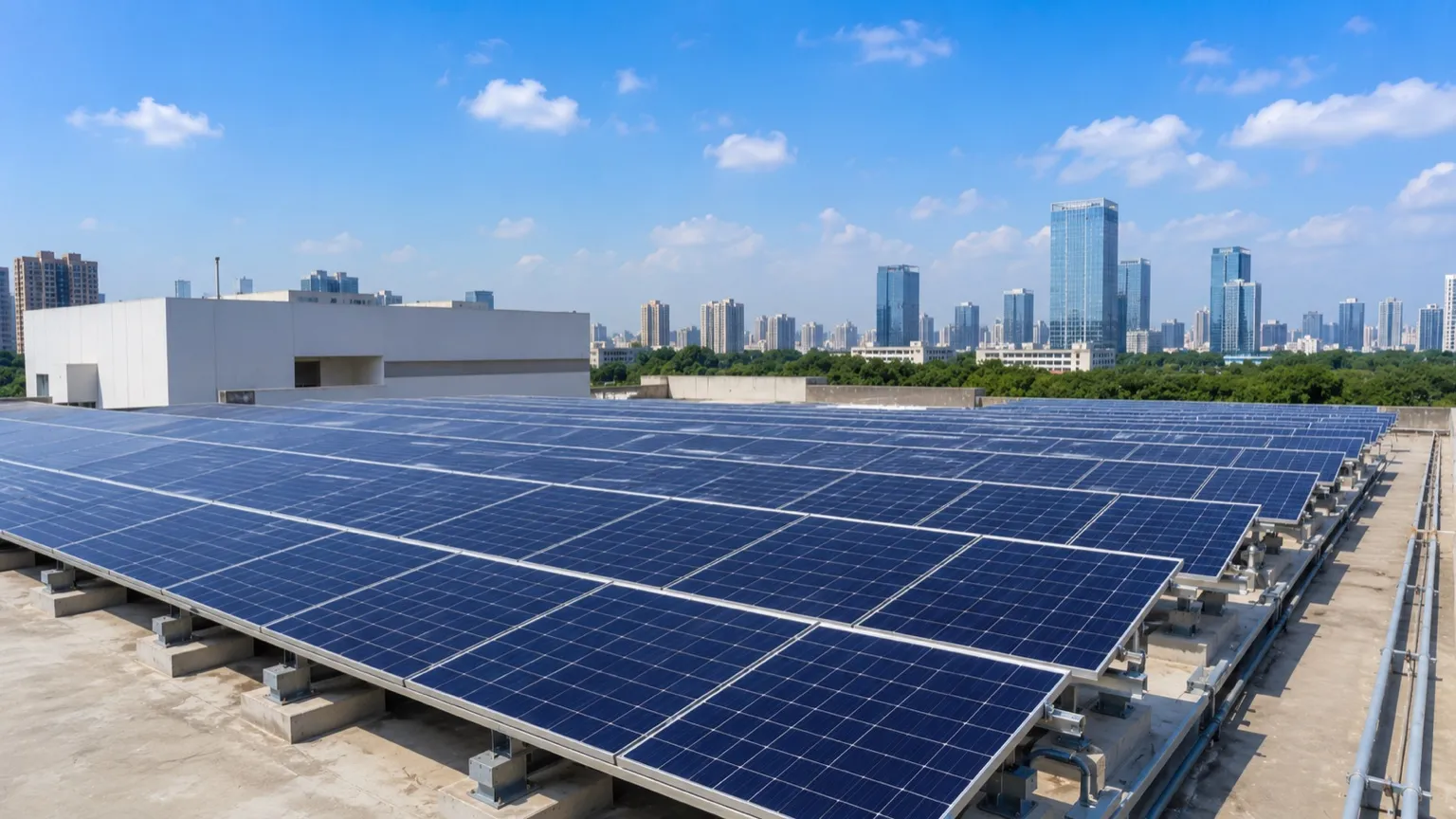
Rooftop Solar Payback in India: What Businesses Should Expect
For commercial and industrial rooftops, solar typically pays back in 3–5 years and then delivers free power for two decades. Here's how the maths works.
Ready to start your project?
Get a free consultation and quote. We design, prepare and file your approvals, and execute — you deal with one team.