
Project Delivery & Commercial: guides & engineering insights
Most MEP project failures are organisational before they are technical: quantities taken off uncoordinated drawings, scopes split so the interfaces belong to nobody, L1 awards whose discount was simply an unpriced risk, retention disputes that were really documentation disputes. This hub collects the delivery and commercial guides — the ones about how work is bought, coordinated, measured, handed over and paid for — because that machinery decides outcomes more often than any equipment selection.
The recurring subjects: execution models compared honestly (turnkey EPC versus PMC-coordinated multi-vendor versus in-house), BOQs that cannot be gamed, coordination as a deliverable with clash costs made visible, realistic scheduling against authority timelines, escalation and payment mechanics (MSME rules included), and the closeout discipline — commissioning dossiers, as-builts, DLP administration — that converts a finished site into a defensible asset.
Cost sits underneath everything, so several guides quantify what estimates usually hand-wave: services cost per square foot by building type, where budgets actually bleed, and what coordination failures price out to. The MEPF cost estimator pairs with these for first numbers; the contracting glossary entries (EPC, BOQ, DLP, AMC SLA) keep the vocabulary honest while you negotiate.
The instruments this discipline runs on
| Area | Reference | What it governs |
|---|---|---|
| Scope & measurement | Employer's requirements; measurement conventions | What "done" means; how quantities certify |
| Technical baseline | NBC 2016; discipline IS codes | The floor every contract implies |
| Payments | Contract terms; MSME payment provisions | Certification cycles, retention, statutory timelines |
| Quality & handover | Commissioning dossiers; O&M documentation | Acceptance evidence, DLP baselines |
Where to go deeper
All project delivery & commercial guides (74)
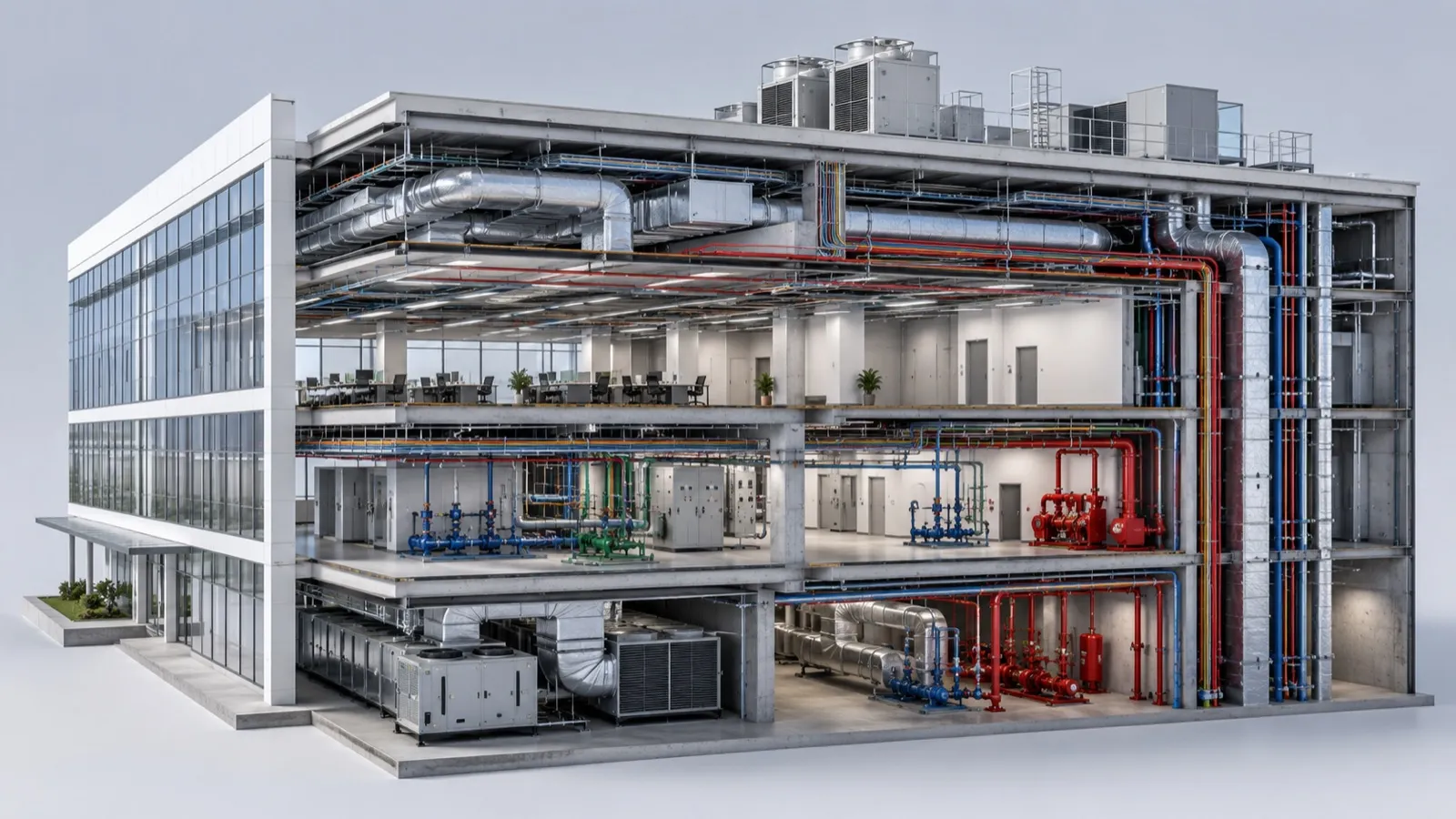
New Factory MEP Planning Checklist: From the Equipment Schedule to Commissioning
A new factory's MEP scope is set by what its machines need, not by its floor area. A checklist for building the process equipment utility schedule, reserving plot and plant rooms, fixing the utility interfaces and gating design through to commissioning.

Commercial MEP Renovation Cost: A Survey-Led Scope Checklist
A commercial MEP renovation is priced from a survey, not a rate per square foot. What to survey, how to decide retain or replace, what working in an occupied building adds, which exclusions move the price, and how to set contingency against what is still unknown.

Factory Shutdown Planning: Price the Lost Production Before You Pick the Window
A planned shutdown's real cost is the contribution margin lost while the line is stopped, less what can genuinely be recovered, plus the cost of recovering it, restarting and any temporary supply. How to work it out, and how to compare outage options without pretending any of them is zero-downtime.
Hospital Expansion MEP Planning: Capacity, Segregation and Phasing
A hospital expansion shares the transformer, generators, oxygen source, chillers and water of the wards already in use. How to measure what is left, segregate life-critical supplies, fix the clinical ventilation basis and phase the tie-ins so no clinical area loses a service.

Cold Storage Expansion Requirements: Refrigeration, Power and NCCD Checks
A cold store expansion is sized by how much product arrives each day, how warm it arrives and how fast it must be pulled down — not by chamber volume. The checklist for throughput, room conditions, plant and power reserve, and what NCCD’s 2025 guidelines ask of an assisted expansion.

MEP Contractors in India: A Buyer's Evaluation Guide
Five checks for comparing MEP contractors in India: scope match, system coordination, statutory approvals, regional delivery and commercial fit.
MEP Consultants in India: How to Choose One
Five steps for appointing an MEP consultant in India: capability, approval experience, constructability, proposal comparison and governance through handover.

How we approach an MEPF BOQ review for industrial projects
A BOQ review is a search for what is not there. The order our estimators read a bill in, the lines they test first, and the gaps that appear on most industrial BOQs.

Lessons from industrial MEPF project execution
What the site teaches that the drawing does not. The lessons our project engineers carry from one industrial MEPF project to the next — about loads, approvals, fronts, commissioning and the machine list that always changes.
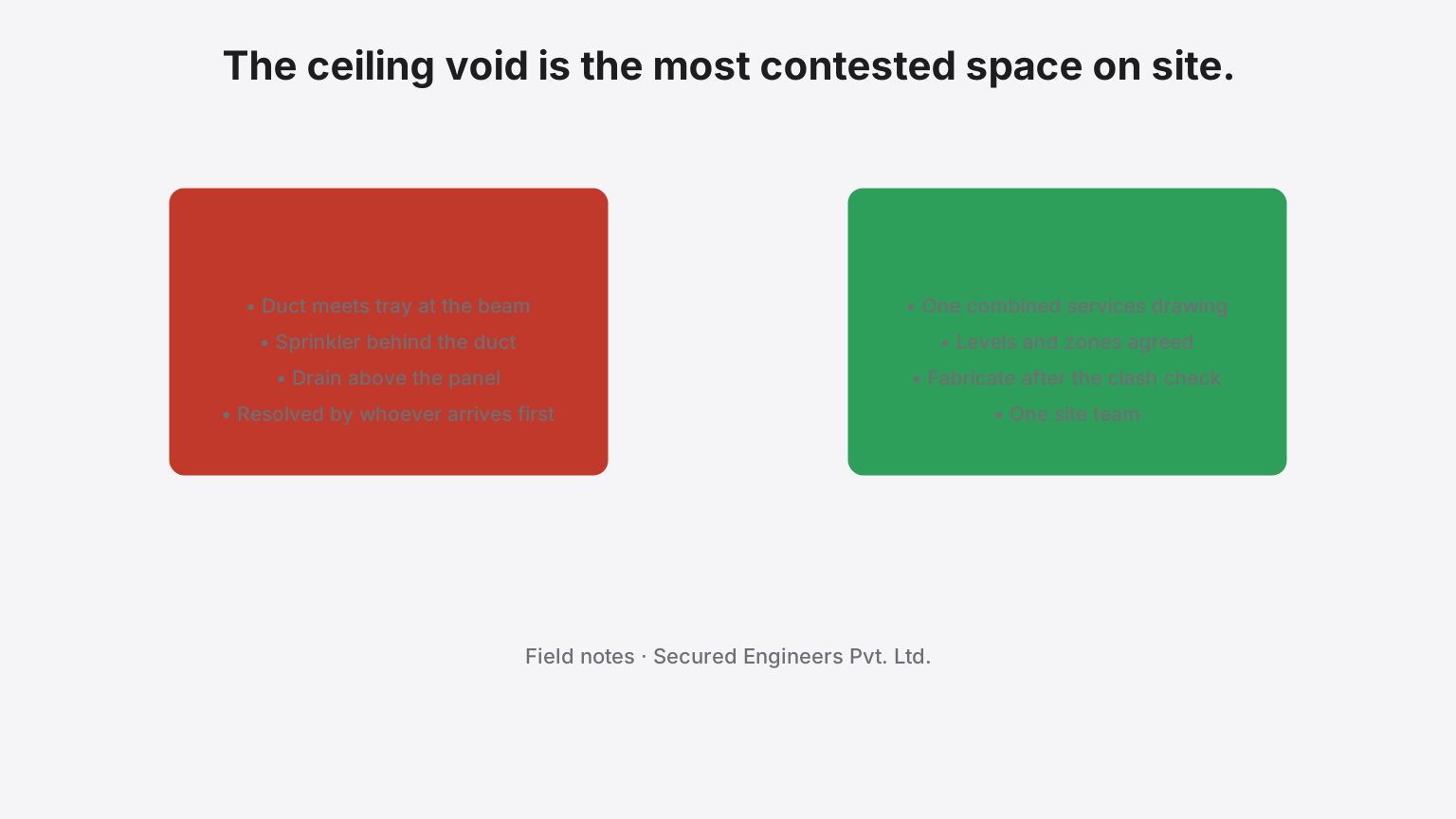
How we coordinate electrical, HVAC, fire and plumbing on a turnkey project
The ceiling void is the most contested space on any site. The coordination method our engineers use so that ducts, trays, sprinkler mains and drains are resolved on a drawing rather than by whoever arrives first.
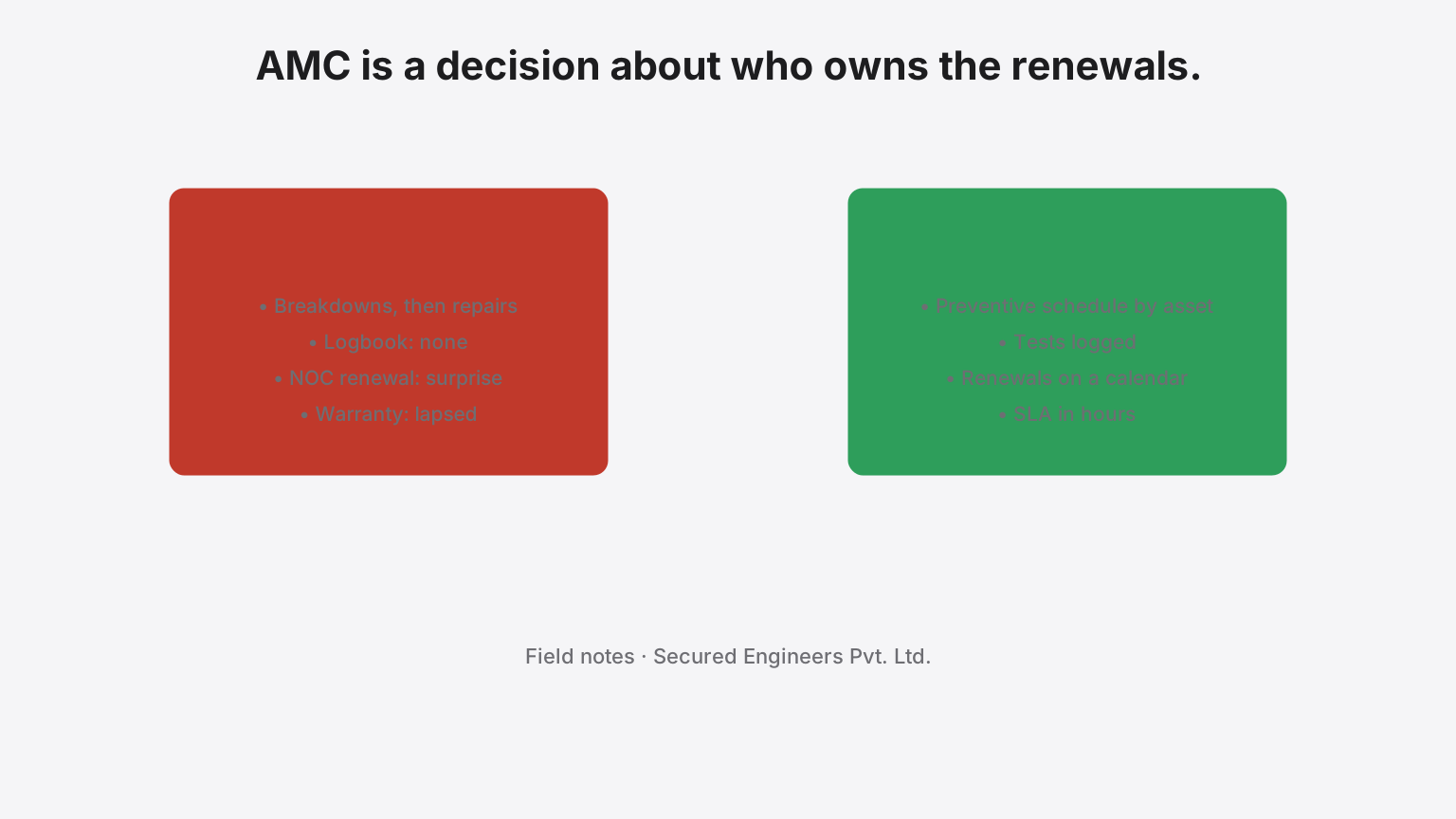
When should an industrial facility consider an AMC?
An AMC is a decision about who owns the renewals, the logbooks and the breakdowns. A framework for when a maintenance contract is worth it, which kind, and what it must contain to be worth anything.
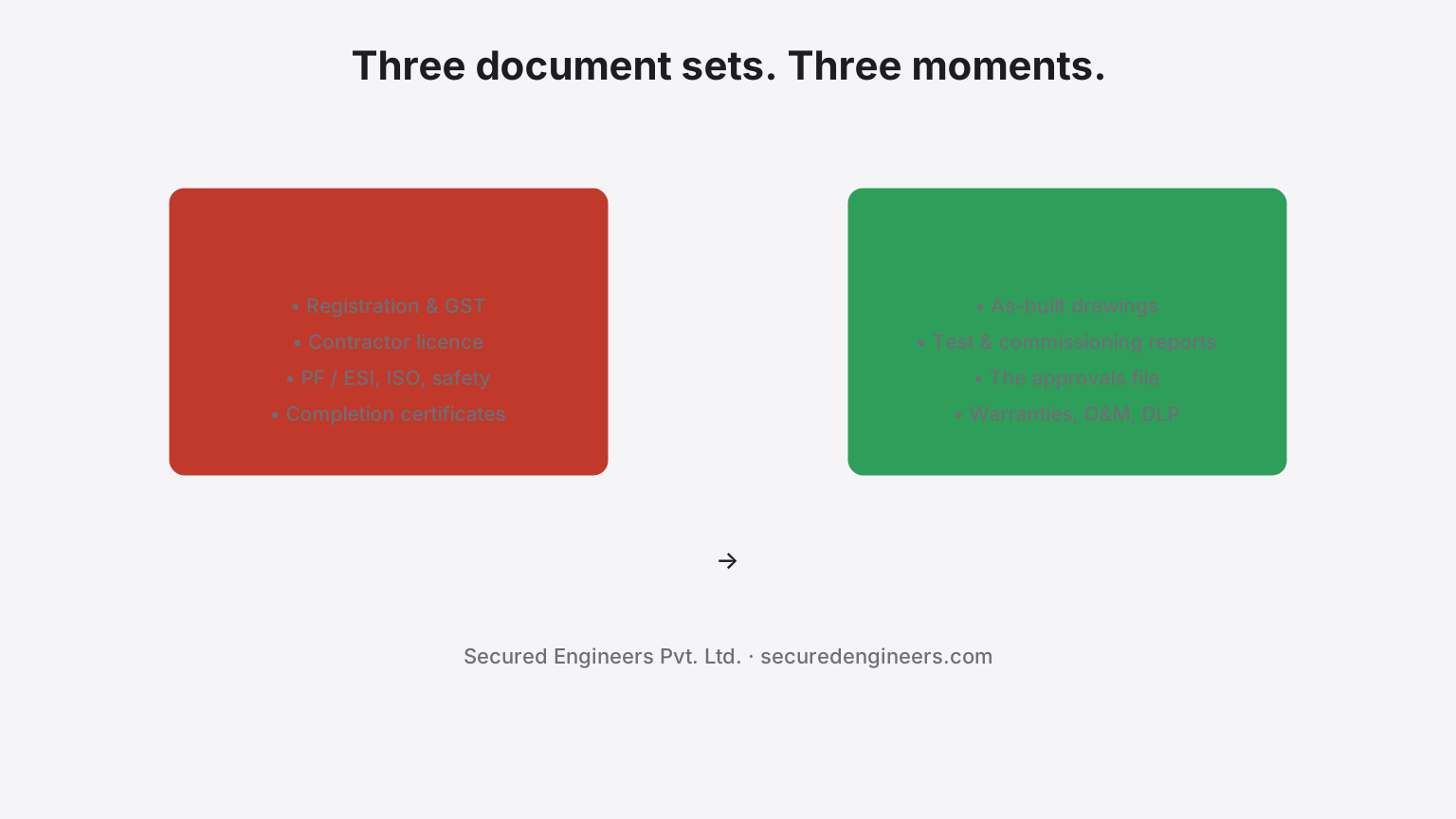
Documents your EPC contractor should deliver — design basis, test records, asset register and as-builts
Four document sets an EPC contractor should deliver — design basis and approved drawings, inspection and test records, an asset register with warranties, and as-built and O&M files — with a checklist to attach to the contract and the payment each set should unlock.
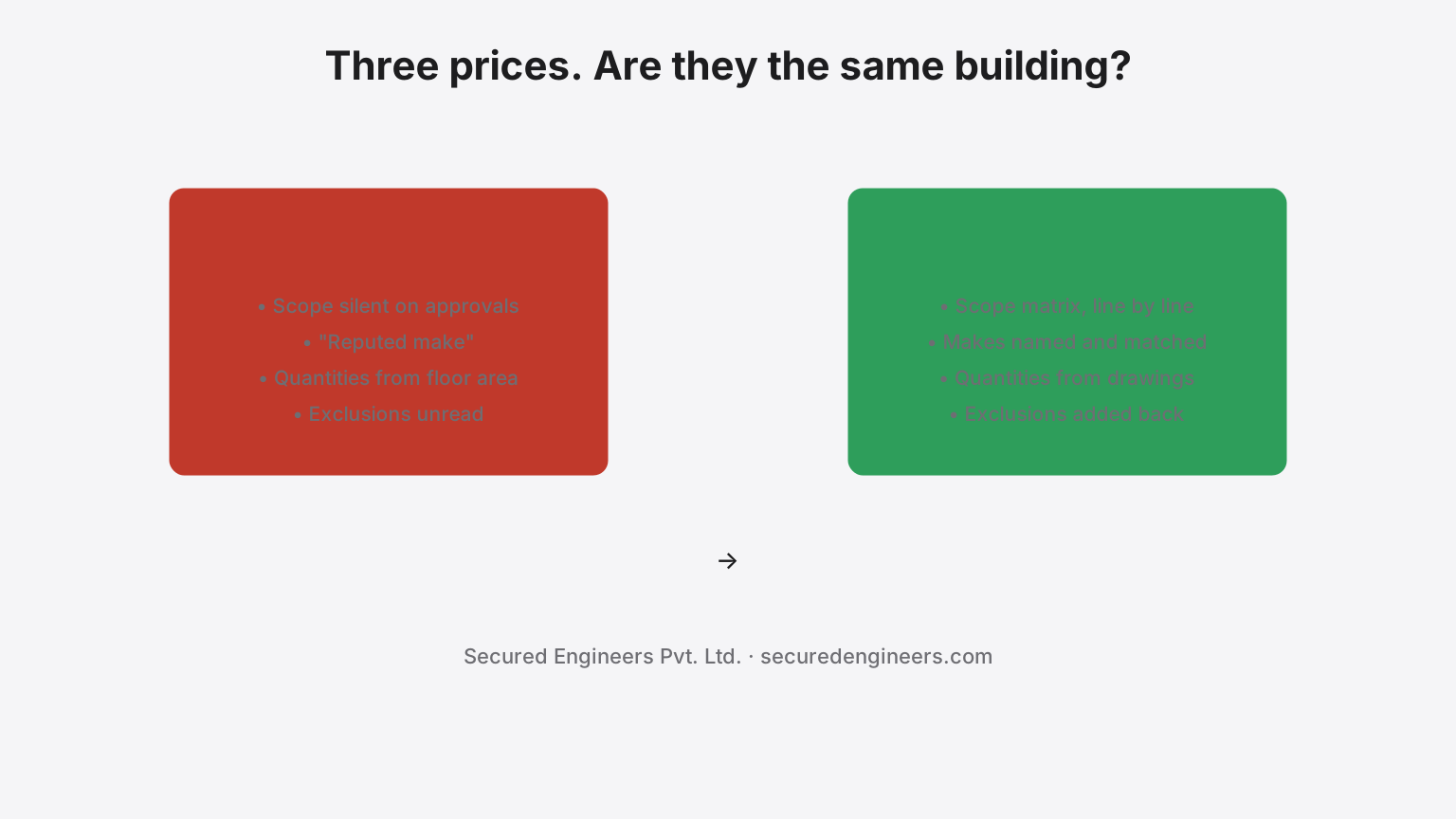
How to compare MEP contractor quotations: one set of quantities, one scope, one basis for tax and payment
Three quotations for the same MEP package rarely price the same package. Put them on common quantities, price what each one leaves out, test the “equivalent” makes, then bring GST and payment terms onto one basis — and only then compare the totals.
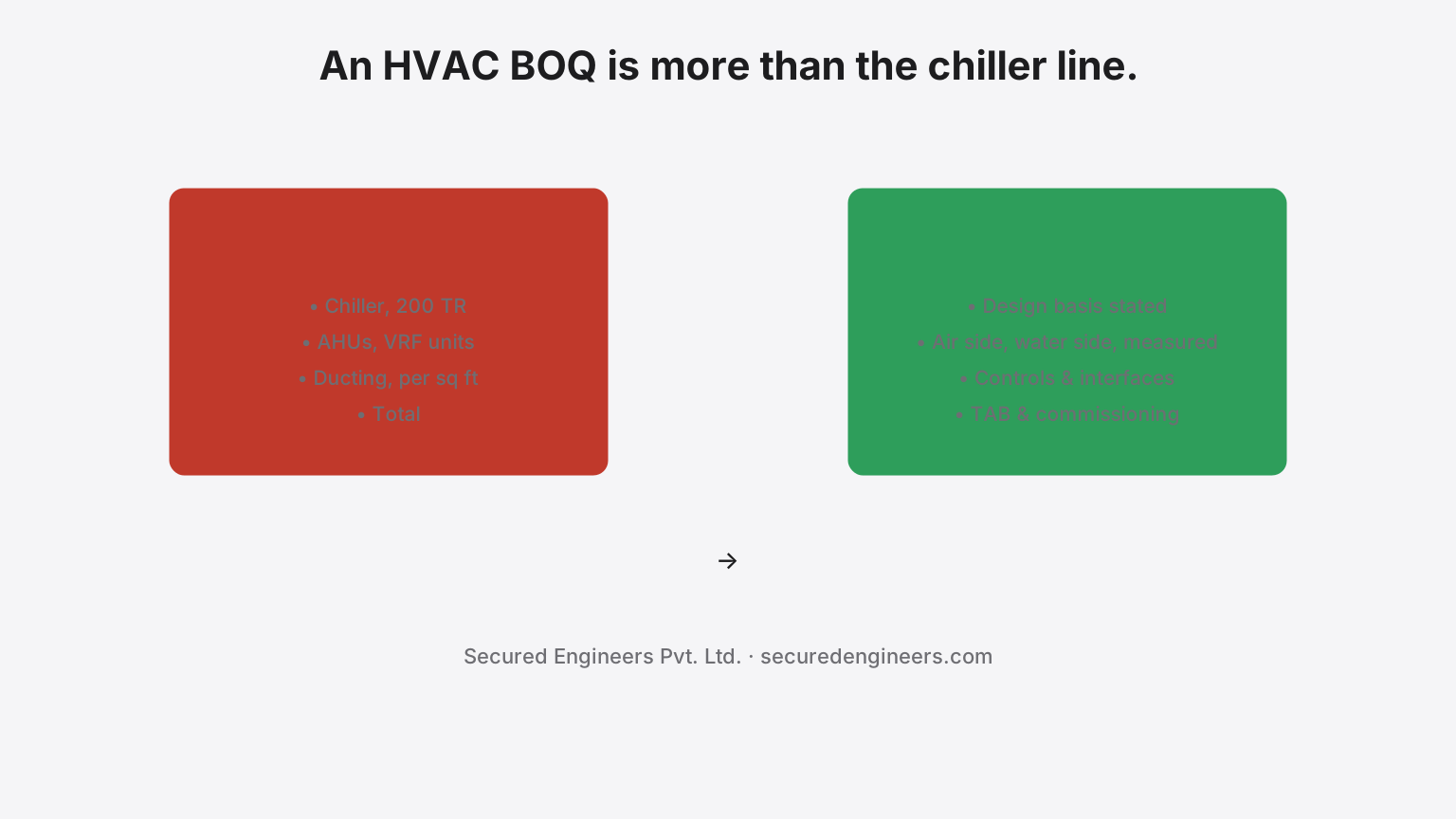
HVAC contractor BOQ: what to include and compare — selection basis, interfaces, TAB and exclusions
An HVAC BOQ that stops at "chiller, 200 TR" cannot be priced or compared. The selection basis, the insulation, controls and power interfaces, testing, adjusting and balancing, and the civil and electrical work excluded — each written as lines, with a checklist and an interface table.
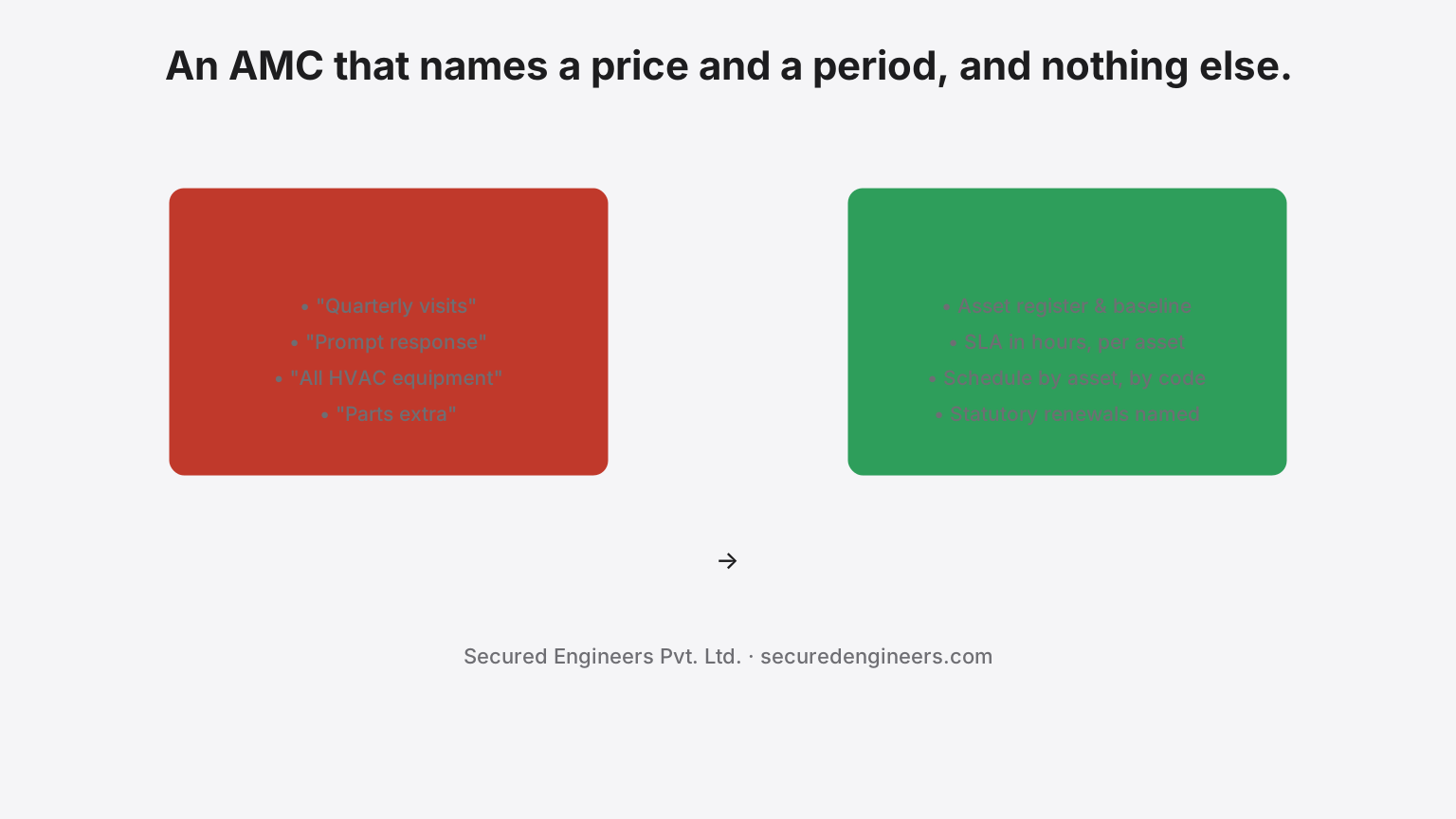
MEP AMC scope after an expansion or renovation — the asset register, tasks, exclusions and records to update
After an expansion or renovation, the AMC usually still describes the old building. Rebuild the asset register, the task frequencies and performance duties, the exclusions, response and spares terms, and the reporting — with a checklist and a table of how each change affects the contract.
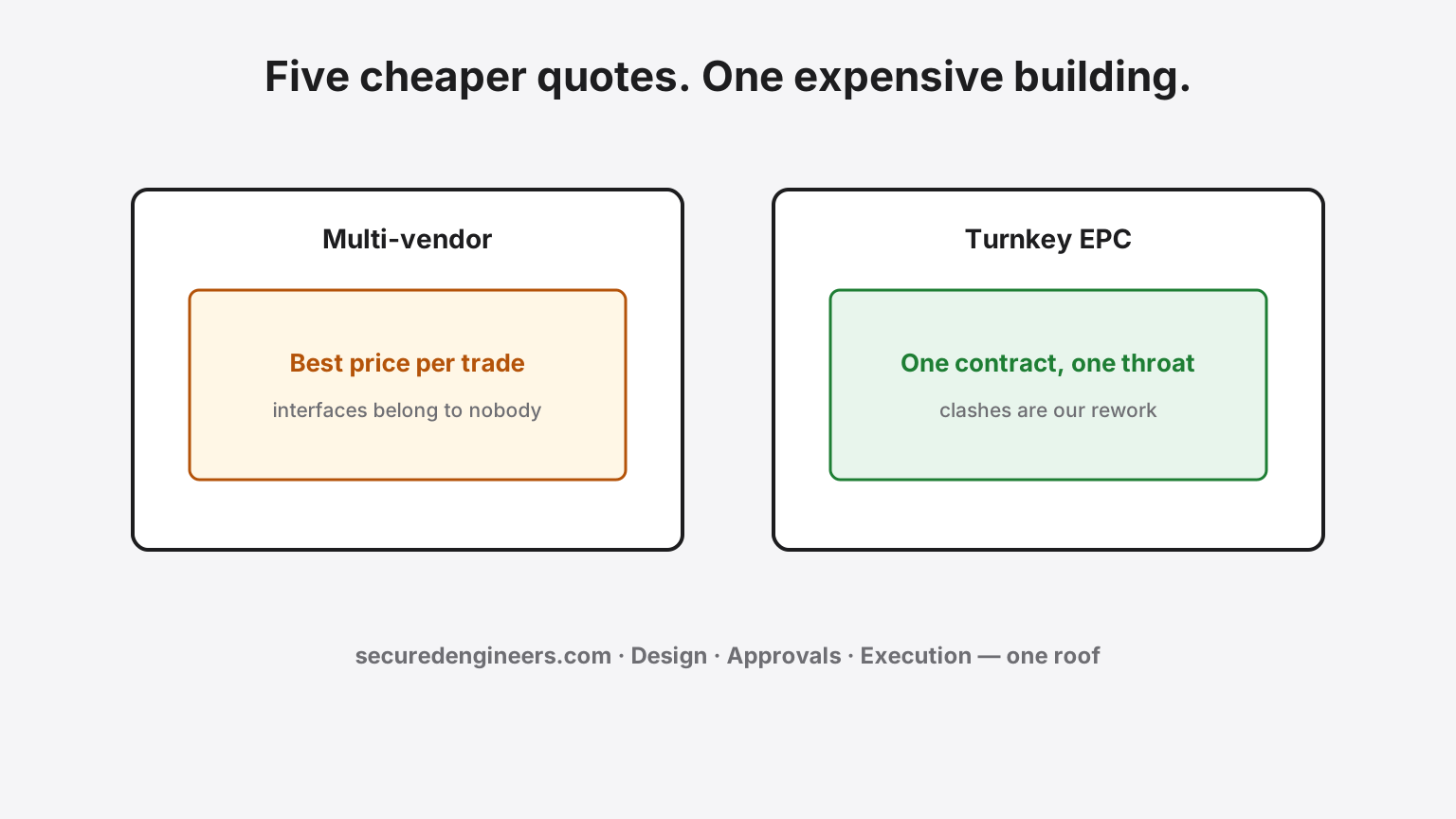
Turnkey EPC vs Multi-Vendor MEP — the Real Cost of Coordination
Five specialist quotes beat one turnkey number on paper. Then the interfaces start billing you. The honest comparison of how MEP is bought in India.
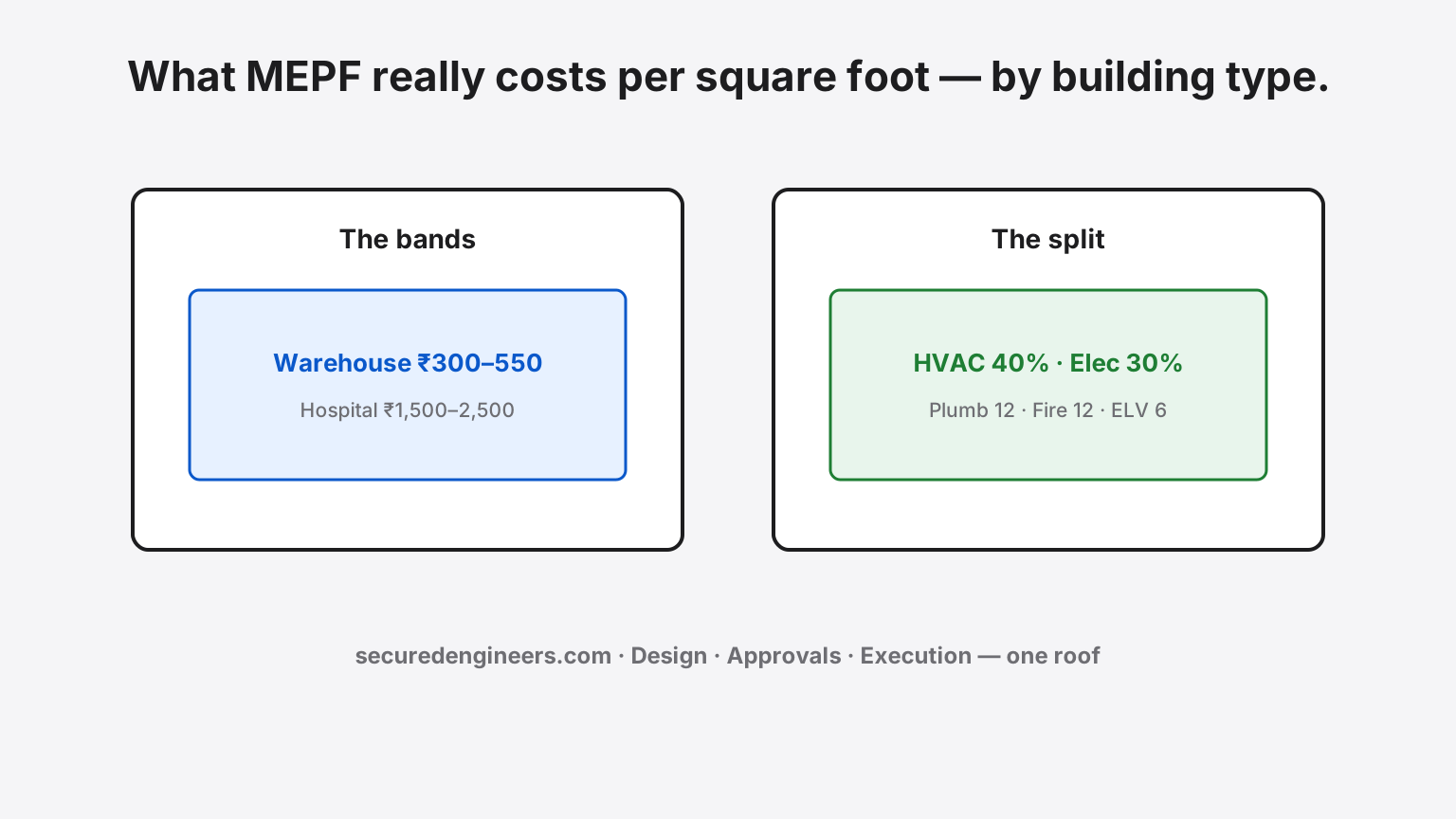
MEPF Cost per Sq Ft in India: How to Build a Budget You Can Defend
A per-sq-ft MEPF figure is only as good as what it includes. Separate MEP from whole-project cost, price each discipline from dated quotes, and write down the exclusions and contingency.
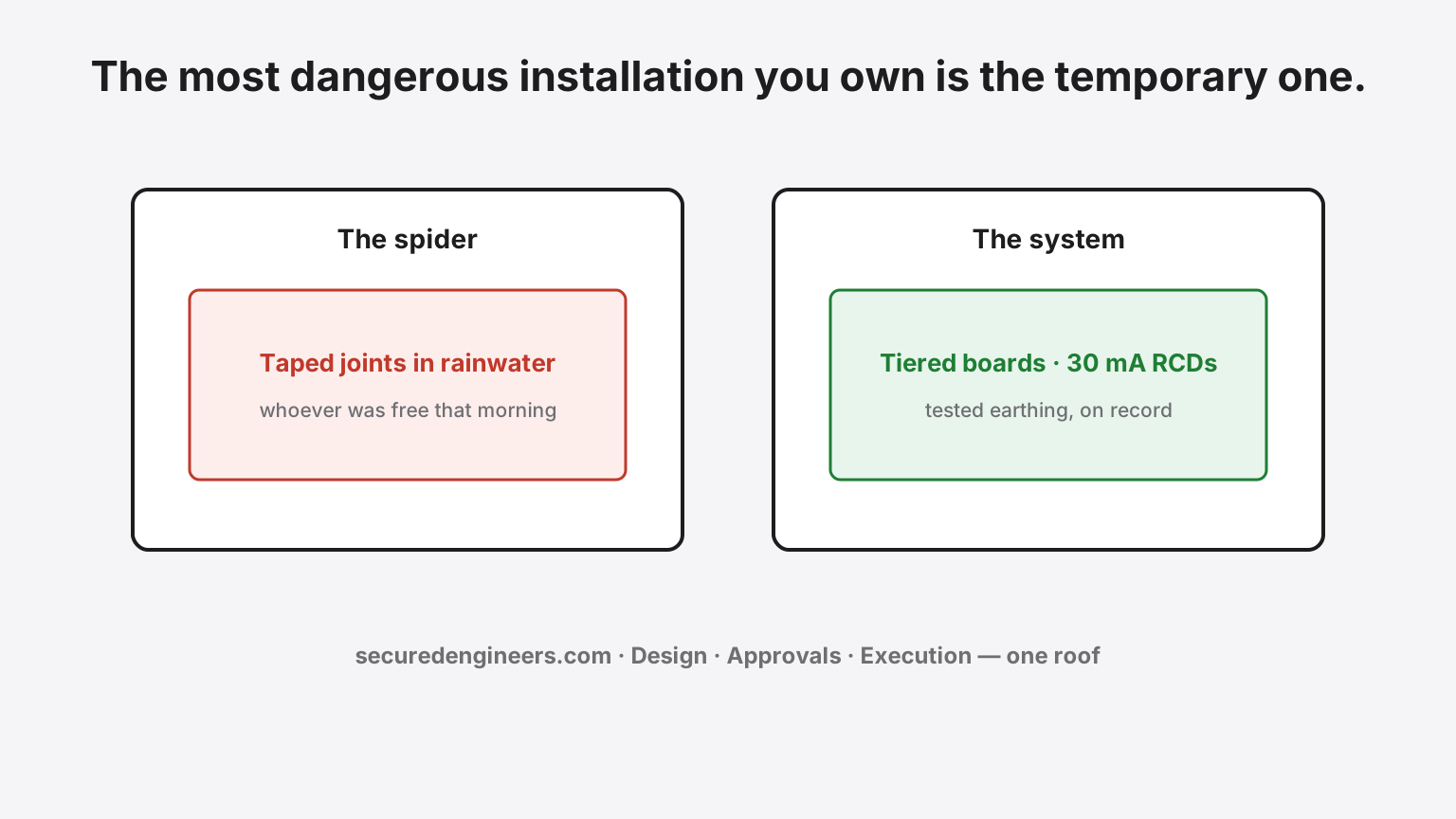
The Most Dangerous Electrical Installation You Will Ever Own Is the Temporary One
Permanent installations get design, inspection and as-builts. The site supply that builds them gets a rented DG, a spider of cables through rebar and rainwater, and whoever was free that morning. Construction power deserves engineering — it kills more people than the permanent kind.
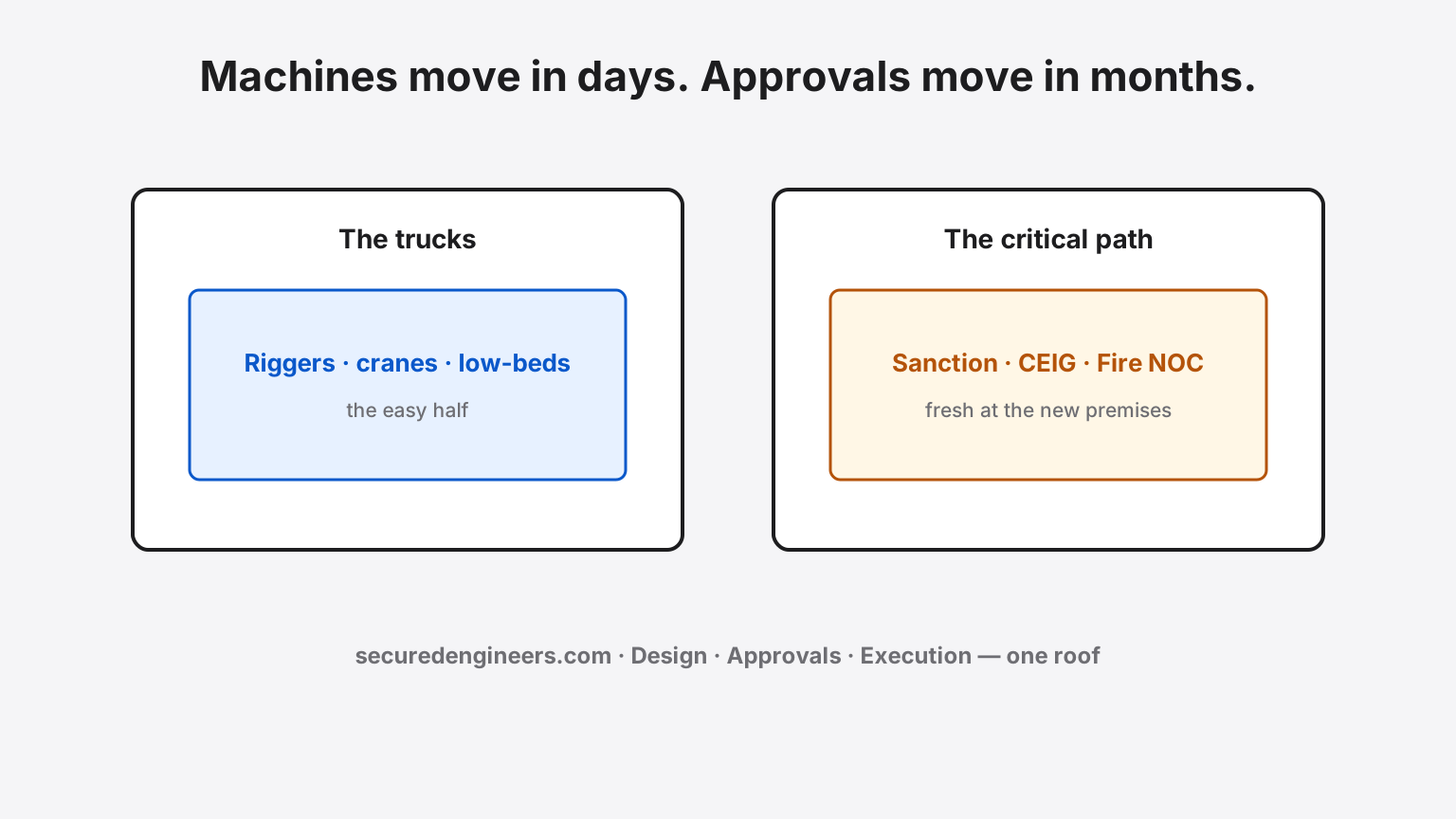
Factory Relocation: A Utility Cutover Checklist
Riggers can move a press in days. Production restarts only when power, air, water, fire protection and the approvals at the new site are ready. A destination readiness checklist, a cutover-strategy decision table and the authority interfaces to start early.
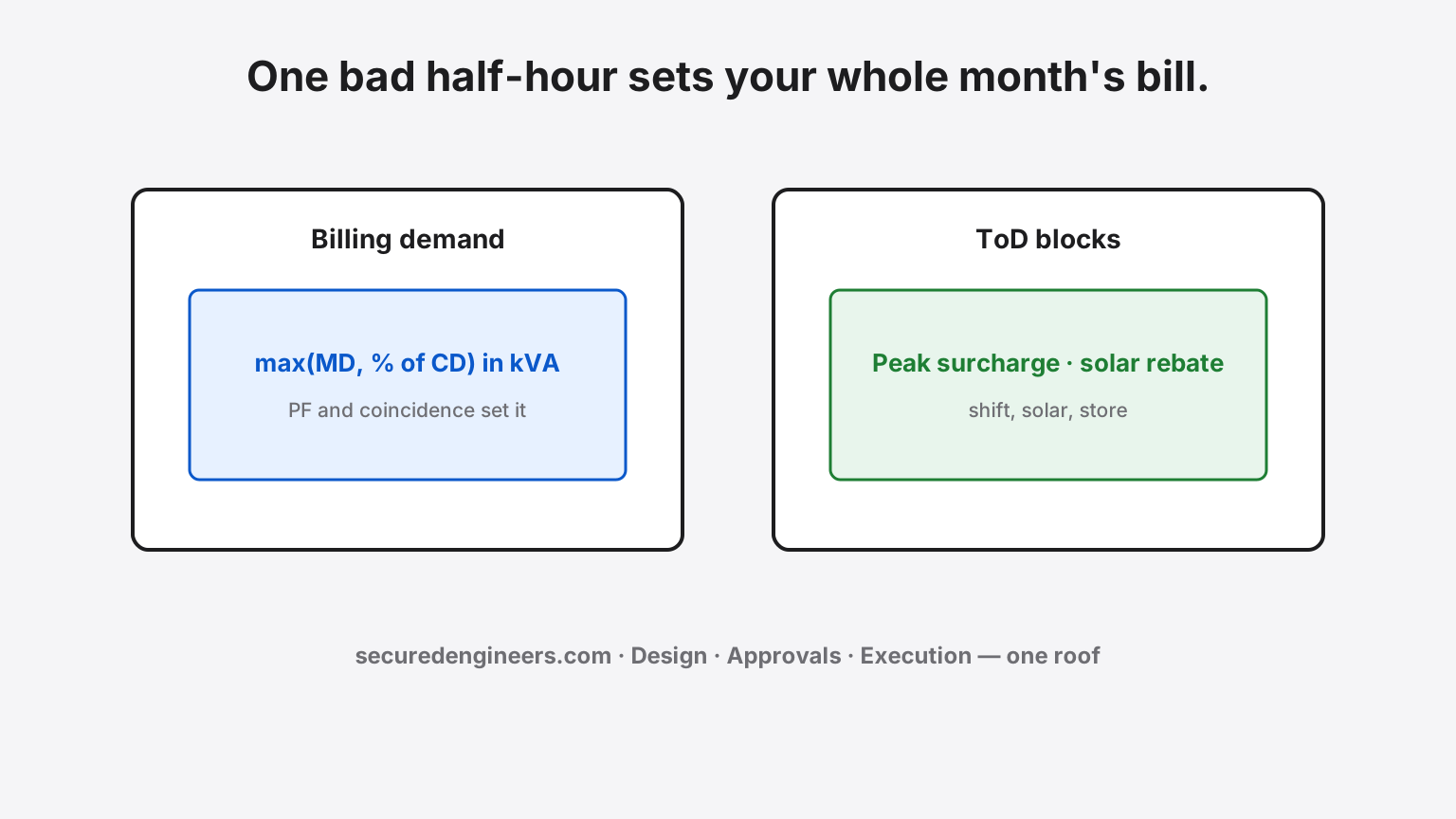
Maximum Demand and Time-of-Day Tariffs: Plan the Expansion on Interval Data
An expansion changes two numbers on an HT bill: the maximum demand the meter records and the share of energy used in each time-of-day block. Plan contract demand, shifts and load-shifting on the meter's interval data, and price every scenario against your state's current tariff order.
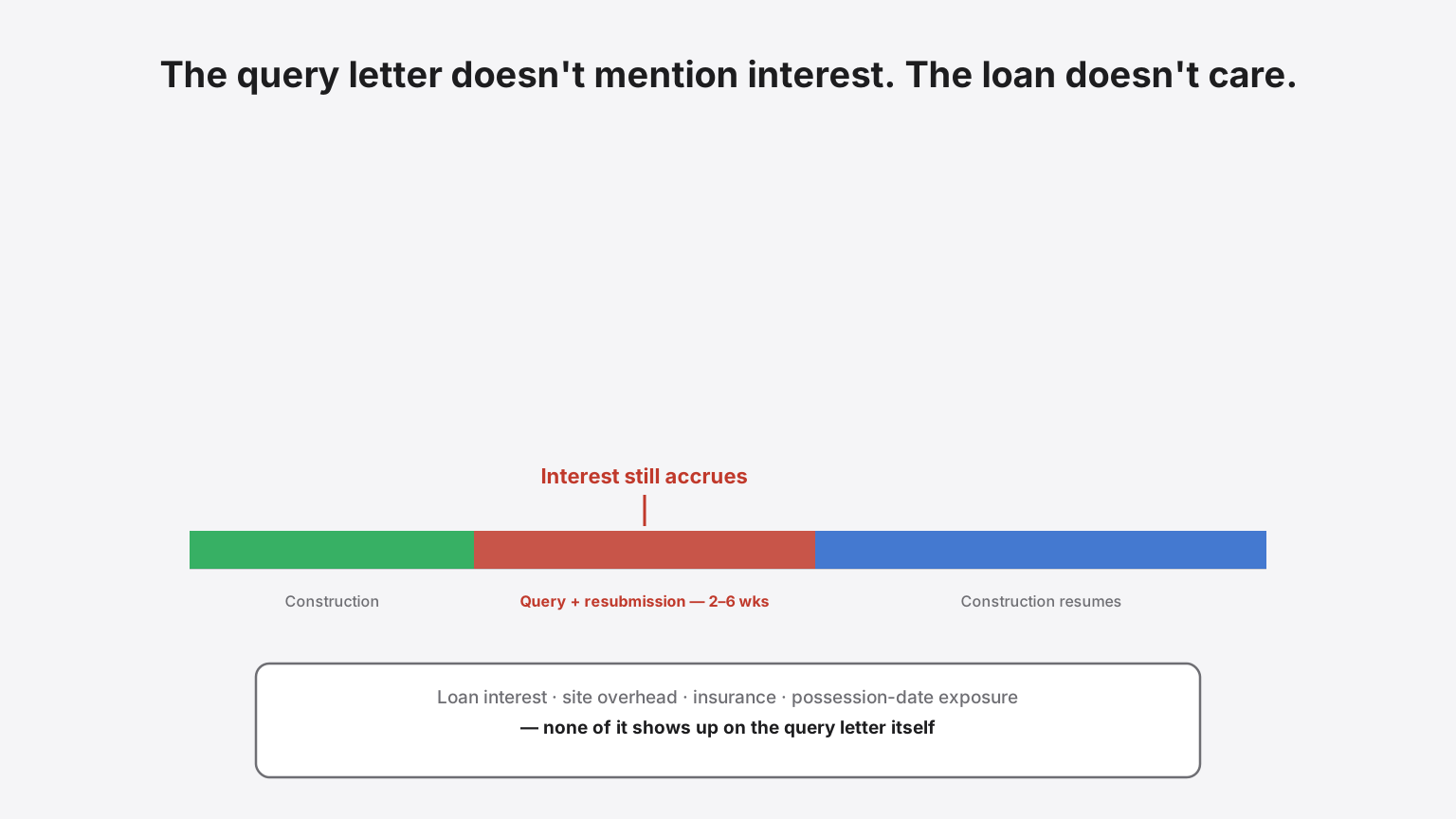
A Plan-Sanction Query Isn't a Delay. It's an Invoice — for Interest You're Already Paying.
A rejected MEP drawing reads as a paperwork problem. It's a financial one: every week a submission sits in a query-and-resubmission cycle is a week of construction-loan interest, idle site overhead and a possession date paid for by someone who assumed the file would move on schedule.
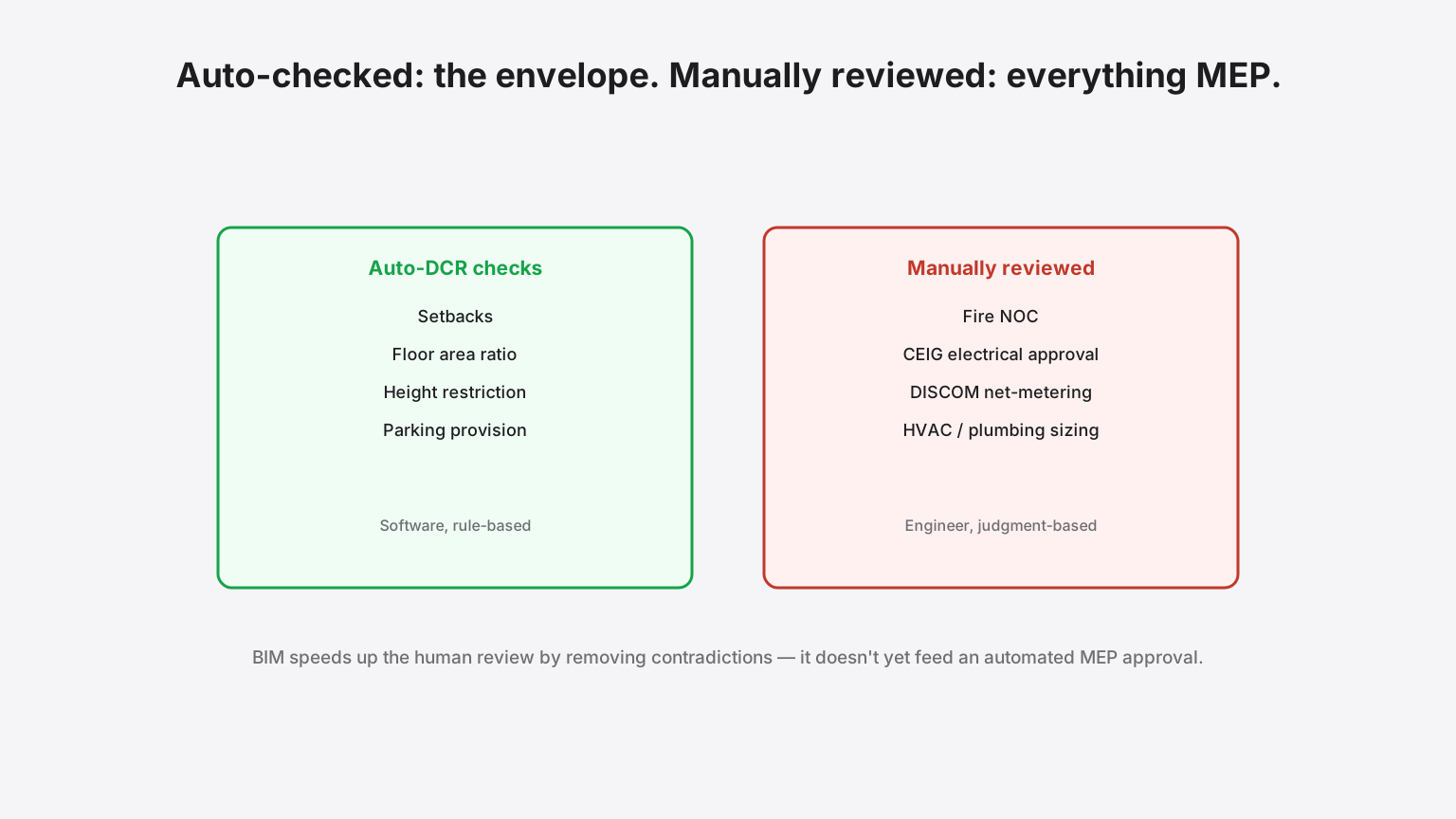
Your Municipality Already Auto-Checks the Building Envelope. It Doesn't Auto-Check Your MEP.
Many Indian municipal corporations now run Auto-DCR software that automatically checks a building's plan against local byelaws — setbacks, FAR, height. It's a genuine, useful system. It's also not an MEP code-checker, and treating BIM as if it feeds an automated MEP approval process overstates where the technology actually is today.
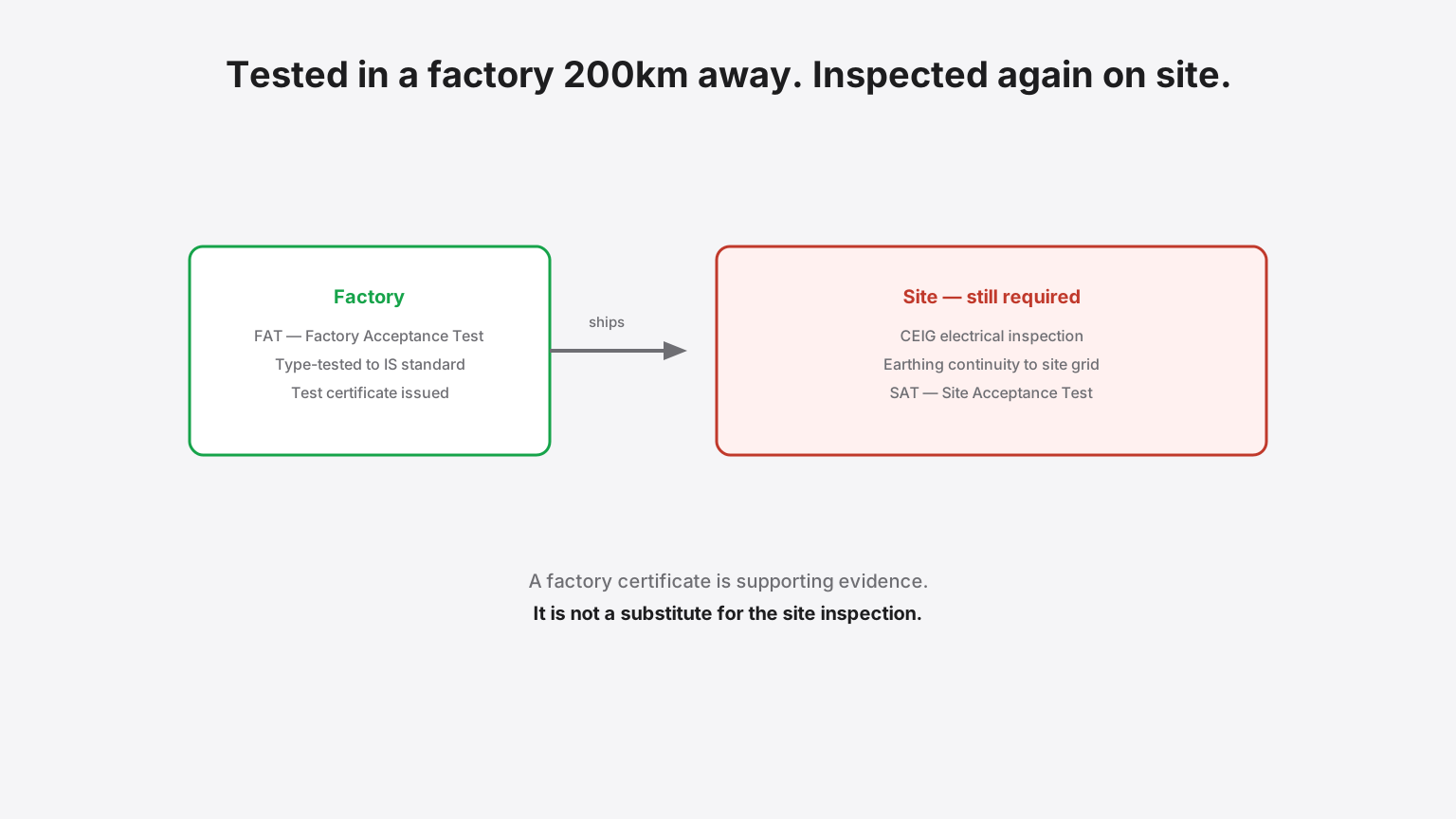
The Panel Room Was Built and Tested in a Factory 200km Away. Who Inspects It Now?
Prefabricated MEP — pump skids, packaged plant rooms, factory-built LT panel assemblies — genuinely compresses site programme. It also raises a question buyers rarely ask before ordering one: does factory testing satisfy the site electrical inspector, or does the whole assembly get re-inspected as if it were built on-site from scratch?
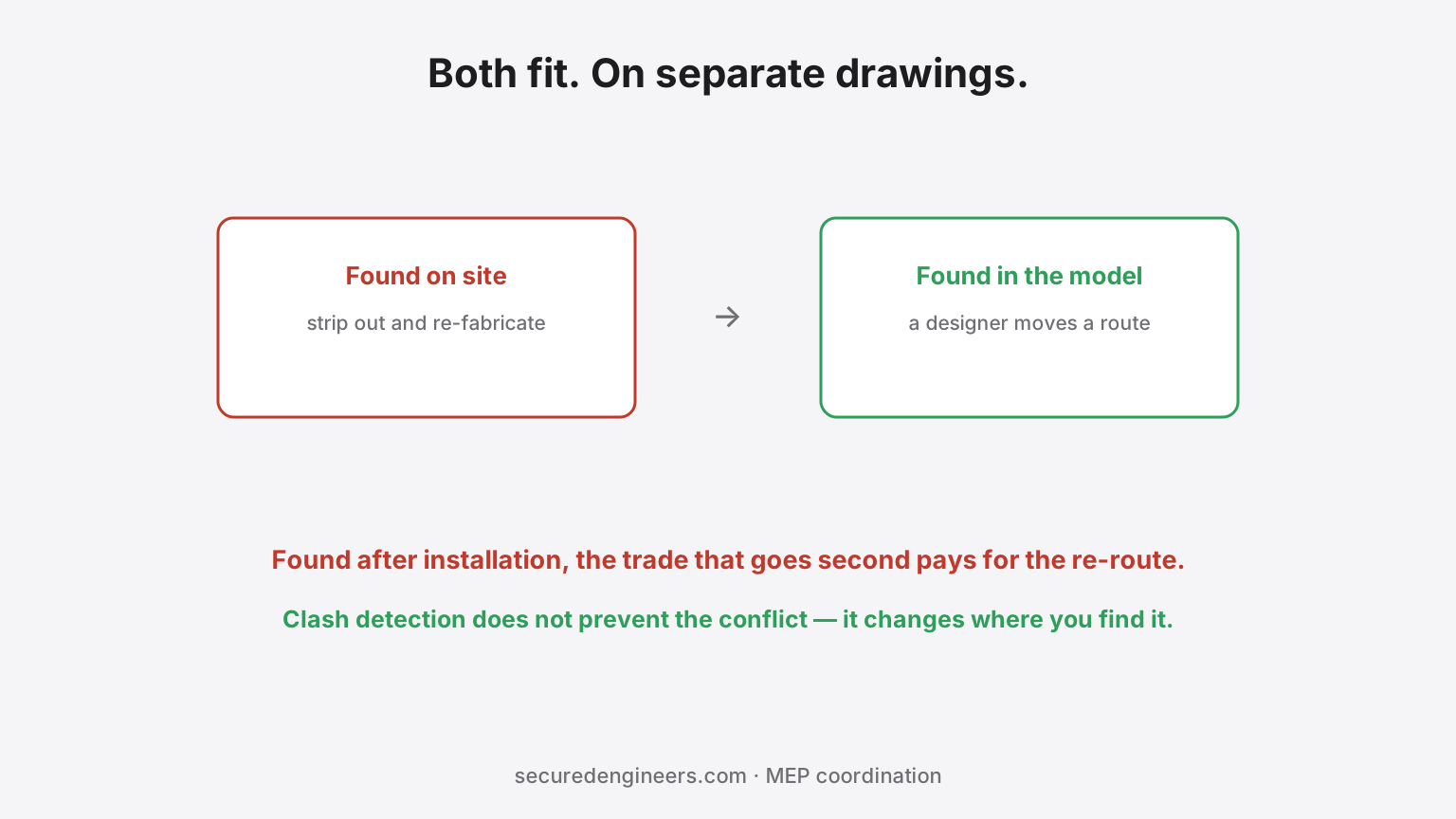
The Duct and the Beam Both Fit. On Separate Drawings.
Every services trade produces a layout that works in isolation. They only conflict once installed — and on a 2D workflow that discovery happens on site, with steel already up. Clash detection moves the argument to a screen, where changing it costs nothing.
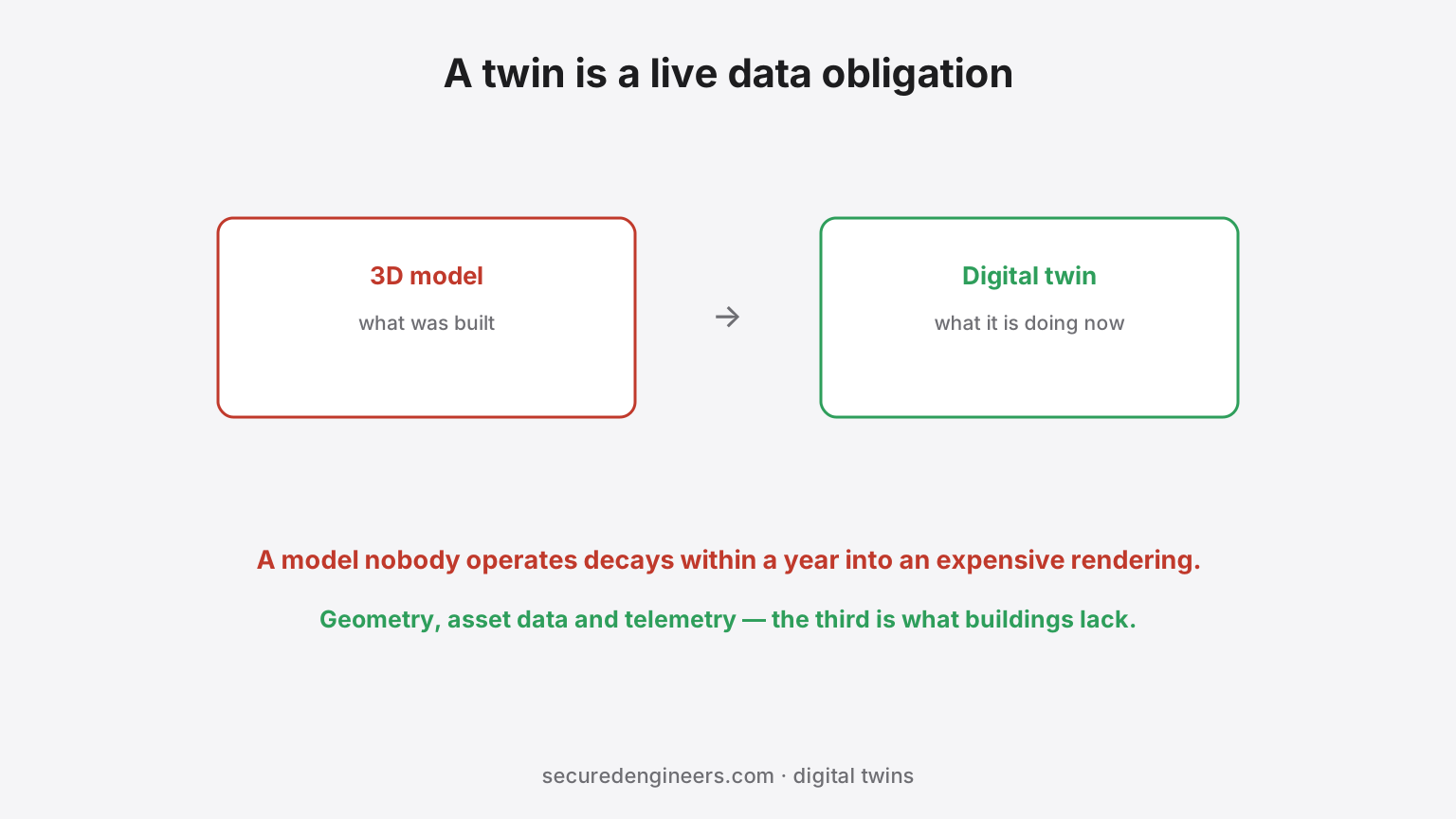
A Digital Twin Is Not a 3D Model. It Is a Live Data Obligation.
Digital twins are sold as a visualisation. What makes one useful is the live data behind it — which means metering, BMS integration and an as-built model that stays true. Most twins fail not at creation but at maintenance.
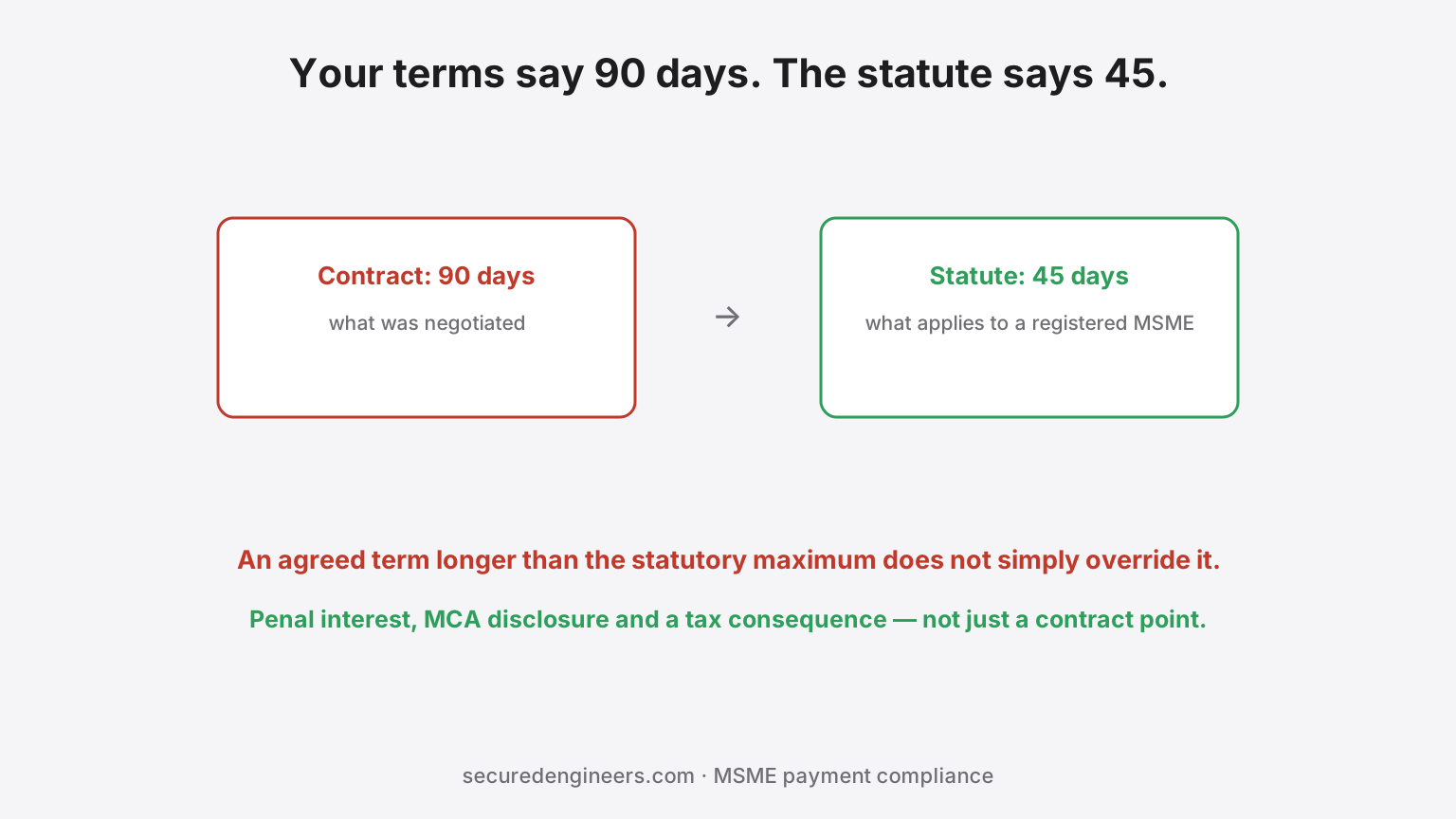
Your MEP Contractor Is an MSME. Your Payment Terms Say 90 Days.
Construction payment terms are negotiated as though they are free to agree. Where the supplier is a registered MSME, the statutory 45-day clock does not care what the contract says — and the consequences of ignoring it are financial, not merely contractual.
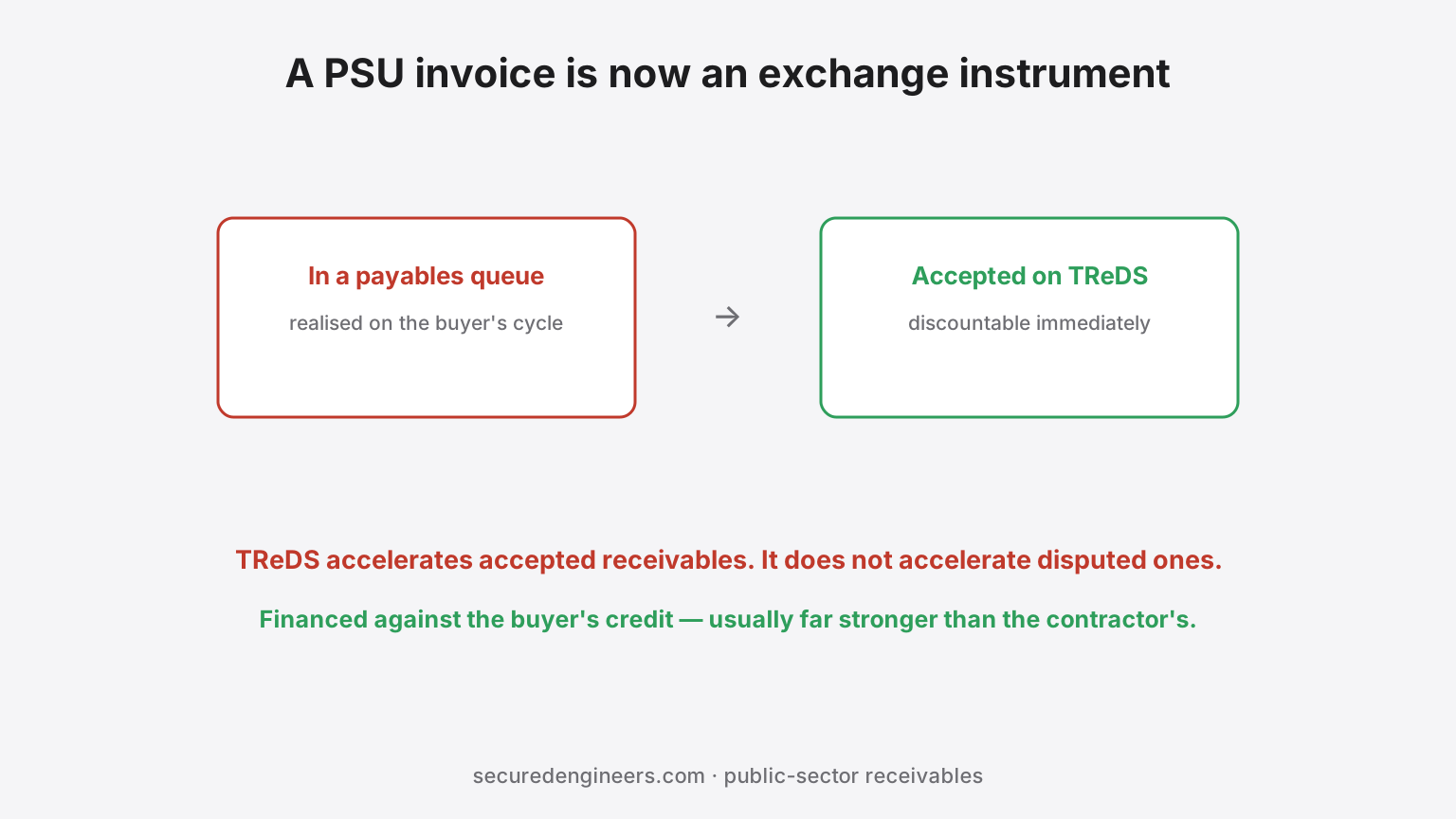
Supplying a PSU? Your Invoice Now Has to Go on TReDS.
The 2026 amendment requires every central public sector enterprise to settle MSME invoices on the Trade Receivables Discounting System. For contractors on PSU work, that turns a receivable in a queue into a discountable instrument on a regulated exchange.
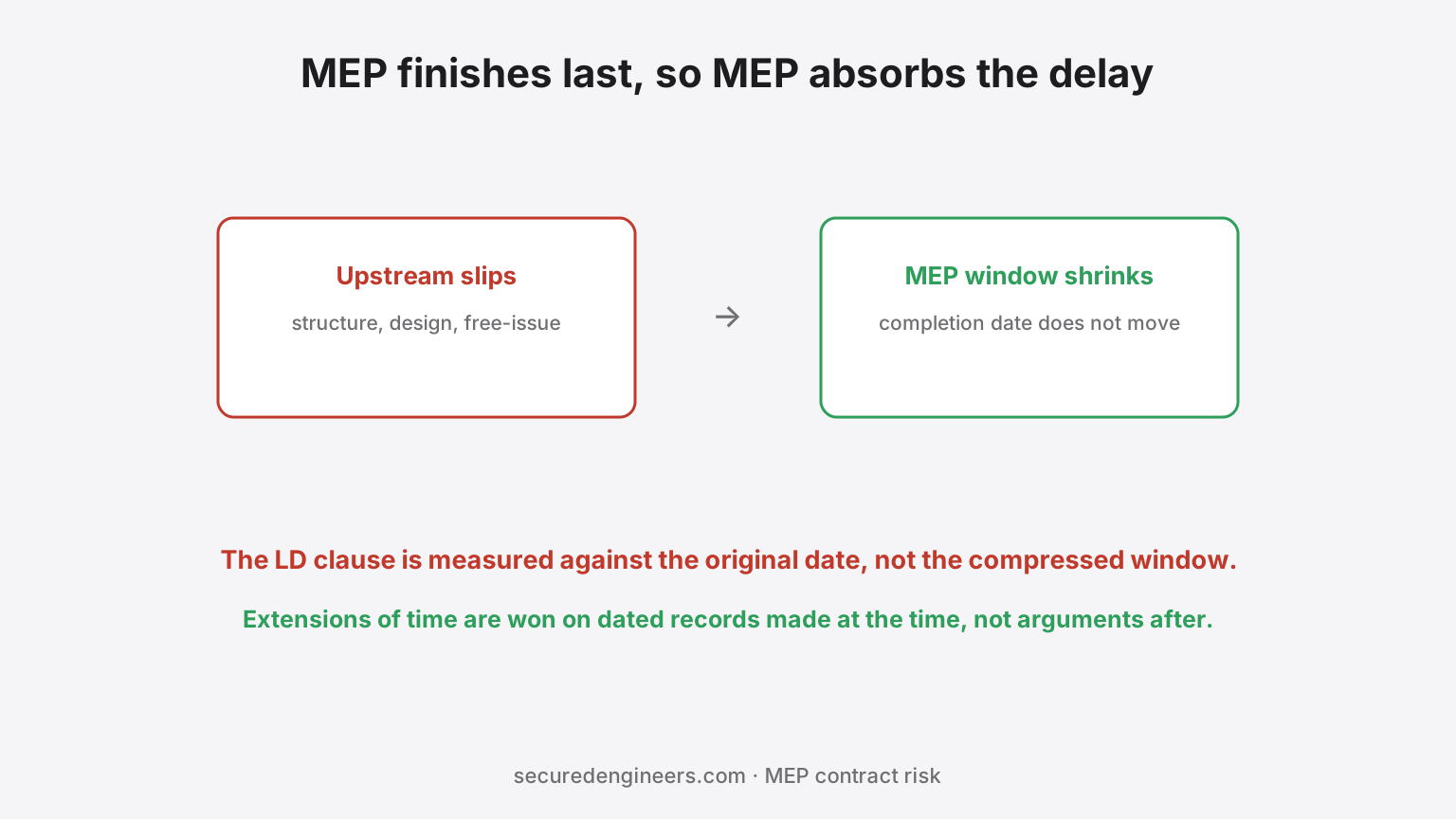
The LD Clause Punishes Whoever Was Working Last, Not Whoever Caused the Delay.
MEP is the final trade on site, so it absorbs every delay upstream of it and then meets a liquidated-damages clause written against the original date. Without contemporaneous records, the contractor who caused the slip is rarely the one who pays for it.
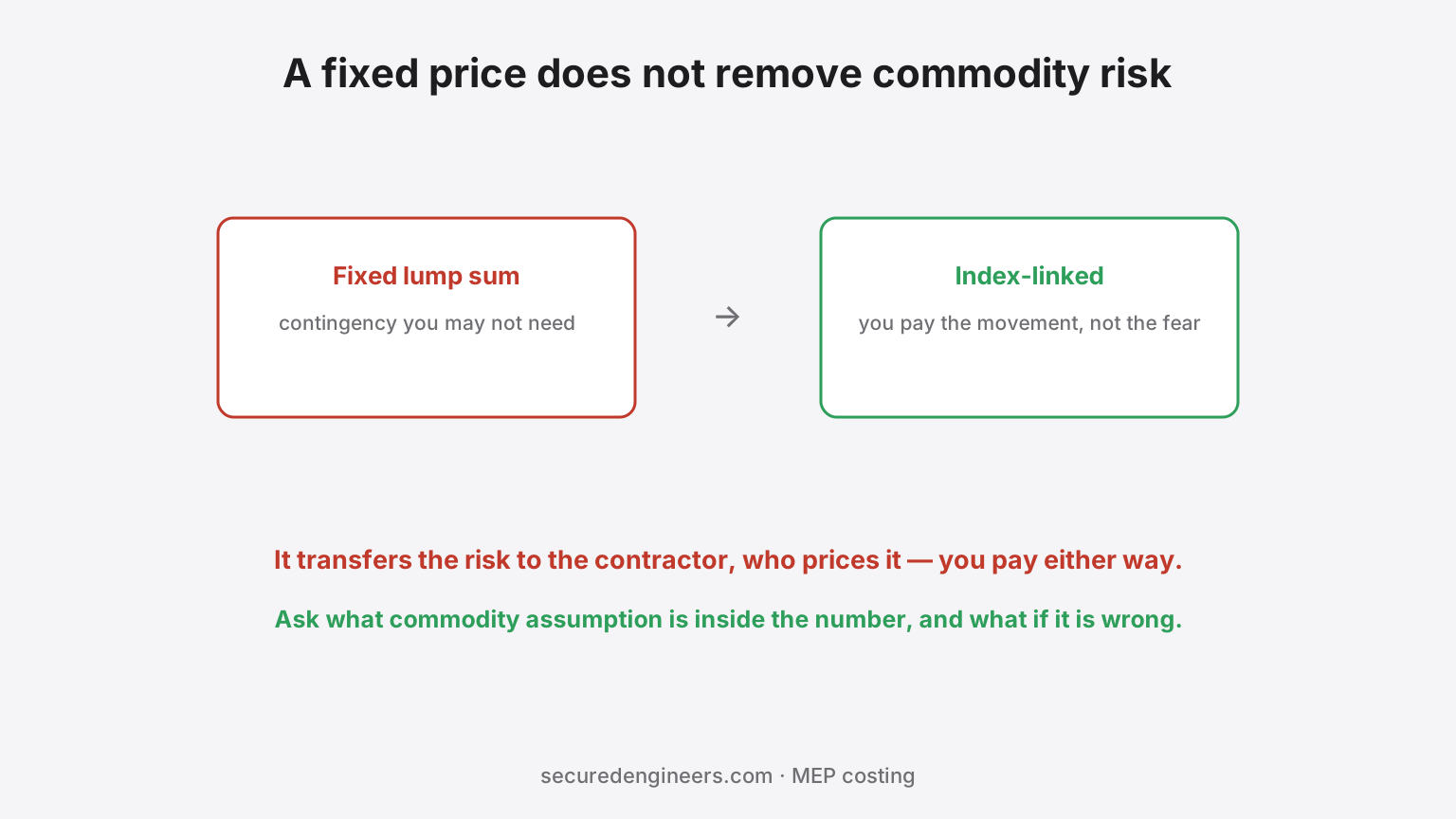
A Fixed Price for 14 Months of Copper. Someone Is Carrying That Risk.
MEP is unusually exposed to metal prices — copper in cable and motors, steel in pipe, tray and structure. A fixed lump sum over a long programme does not remove that risk. It just decides who holds it, and prices it in.
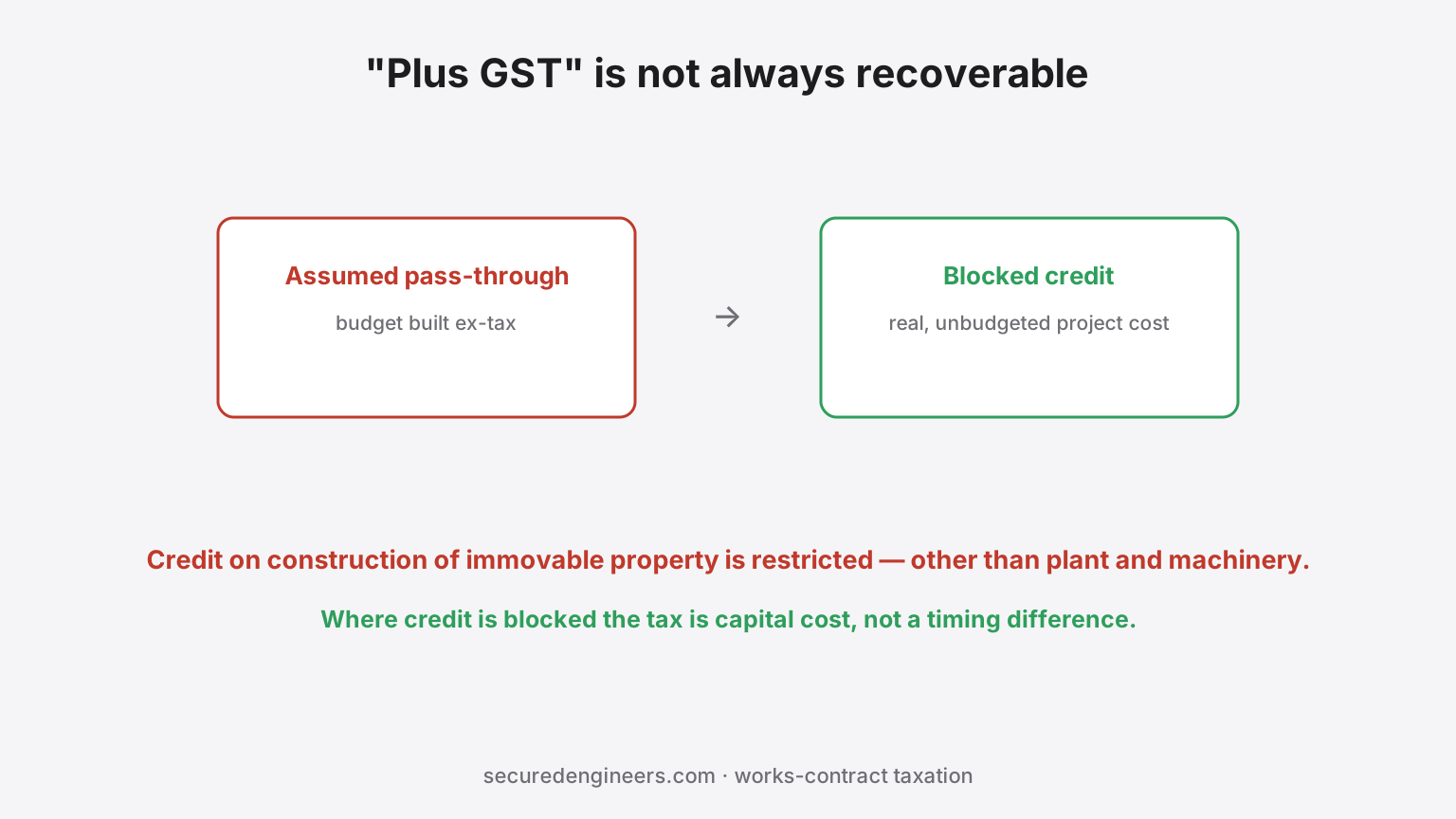
The Quote Said "Plus GST". Whether You Can Reclaim It Is a Different Question.
MEP installation is a works contract, and works contracts have their own GST treatment. The trap is not the rate — it is that input tax credit on construction of immovable property is restricted, so tax that looks recoverable sometimes is not.
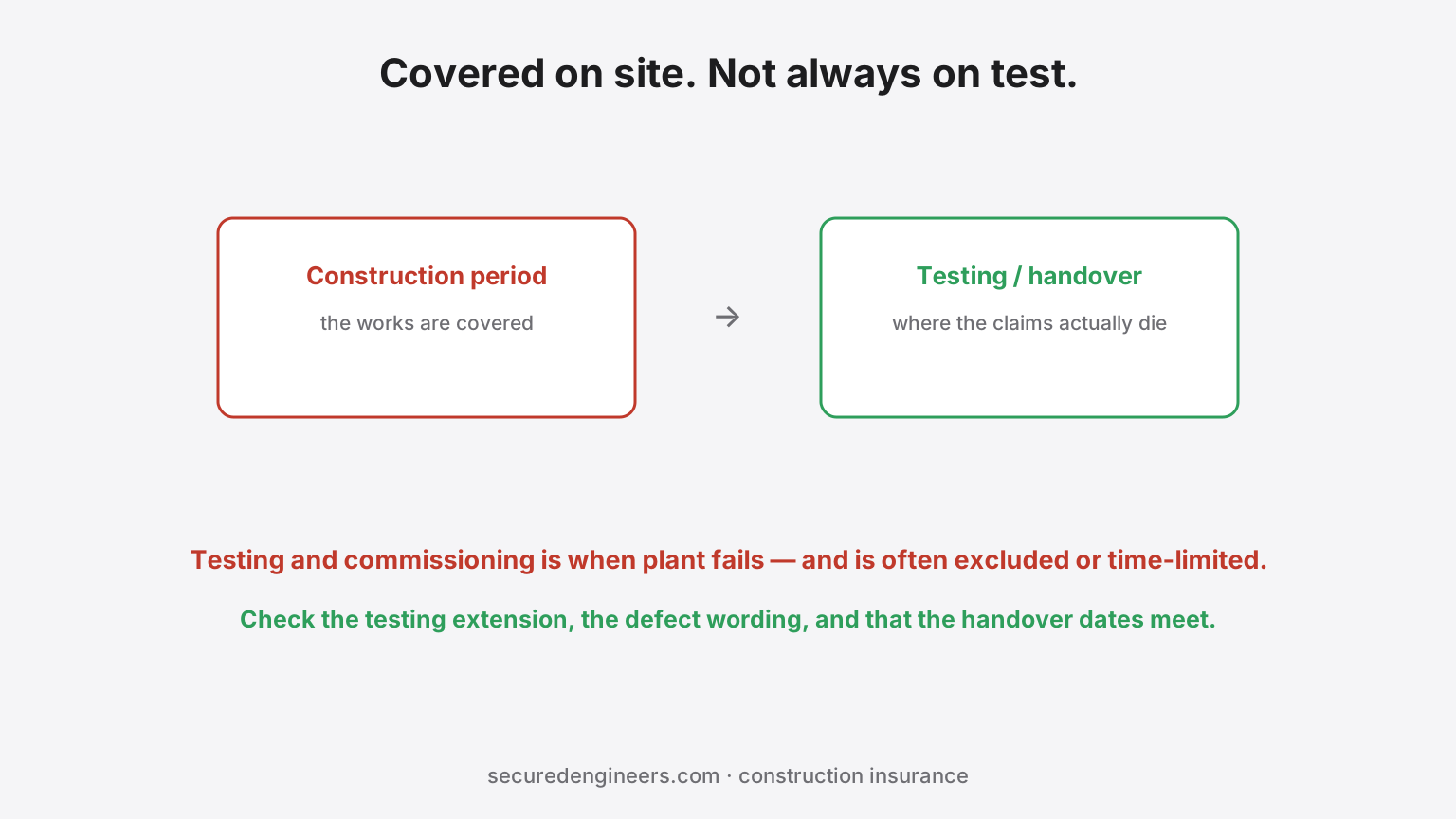
The Site Is Insured. The Chiller That Failed on Test Is Probably Not.
Erection all-risk and contractors all-risk policies cover the works during construction. The exclusions are where MEP claims die — testing and commissioning, defective design, and the gap between practical completion and the operational policy starting.
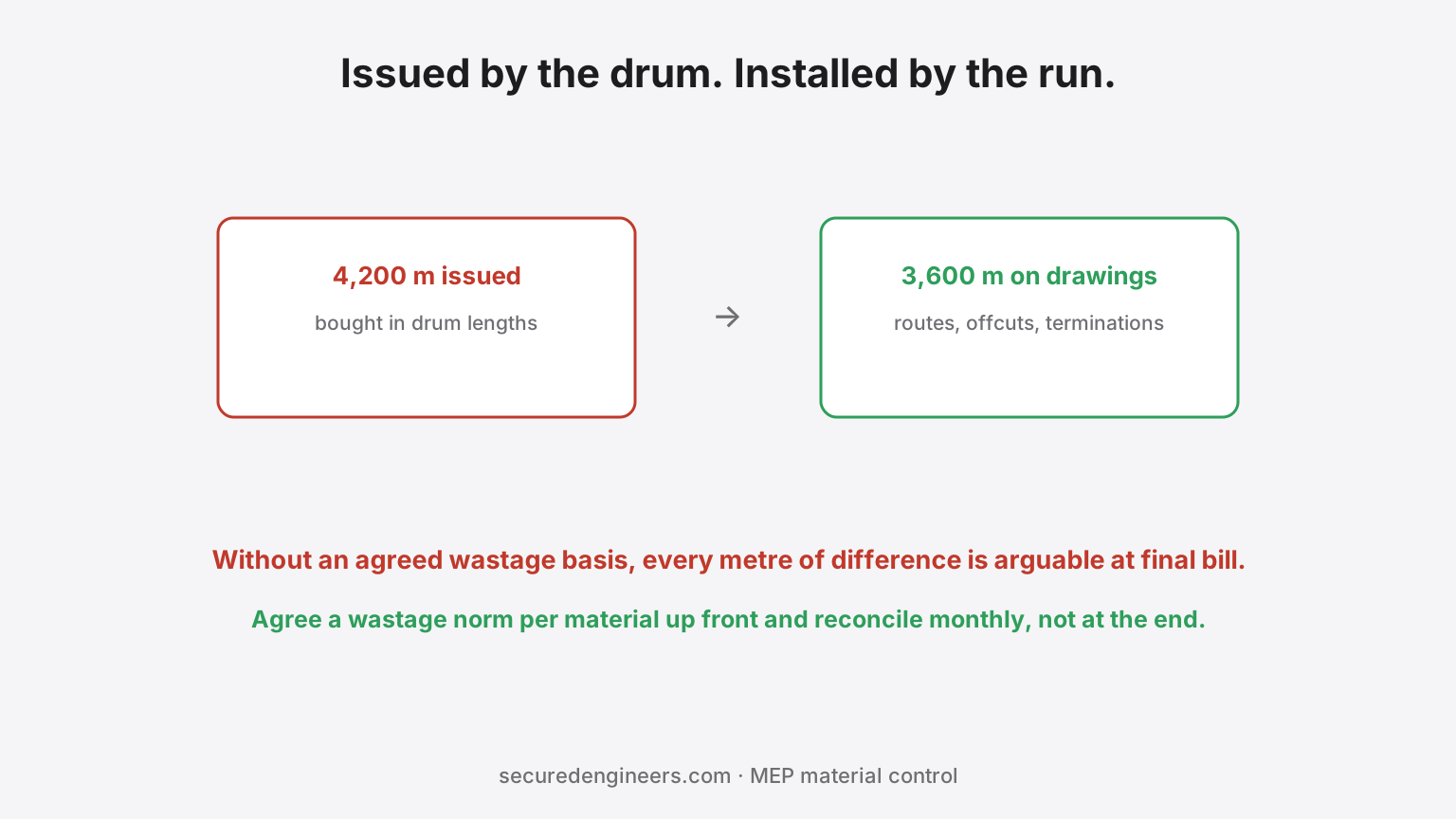
You Paid for 4,200 Metres of Cable. The Drawings Account for 3,600.
Material reconciliation on an MEP job is where trust breaks down late. Cable, pipe and tray are bought by the drum and installed by the run, and without an agreed wastage basis the difference becomes an argument at final bill.
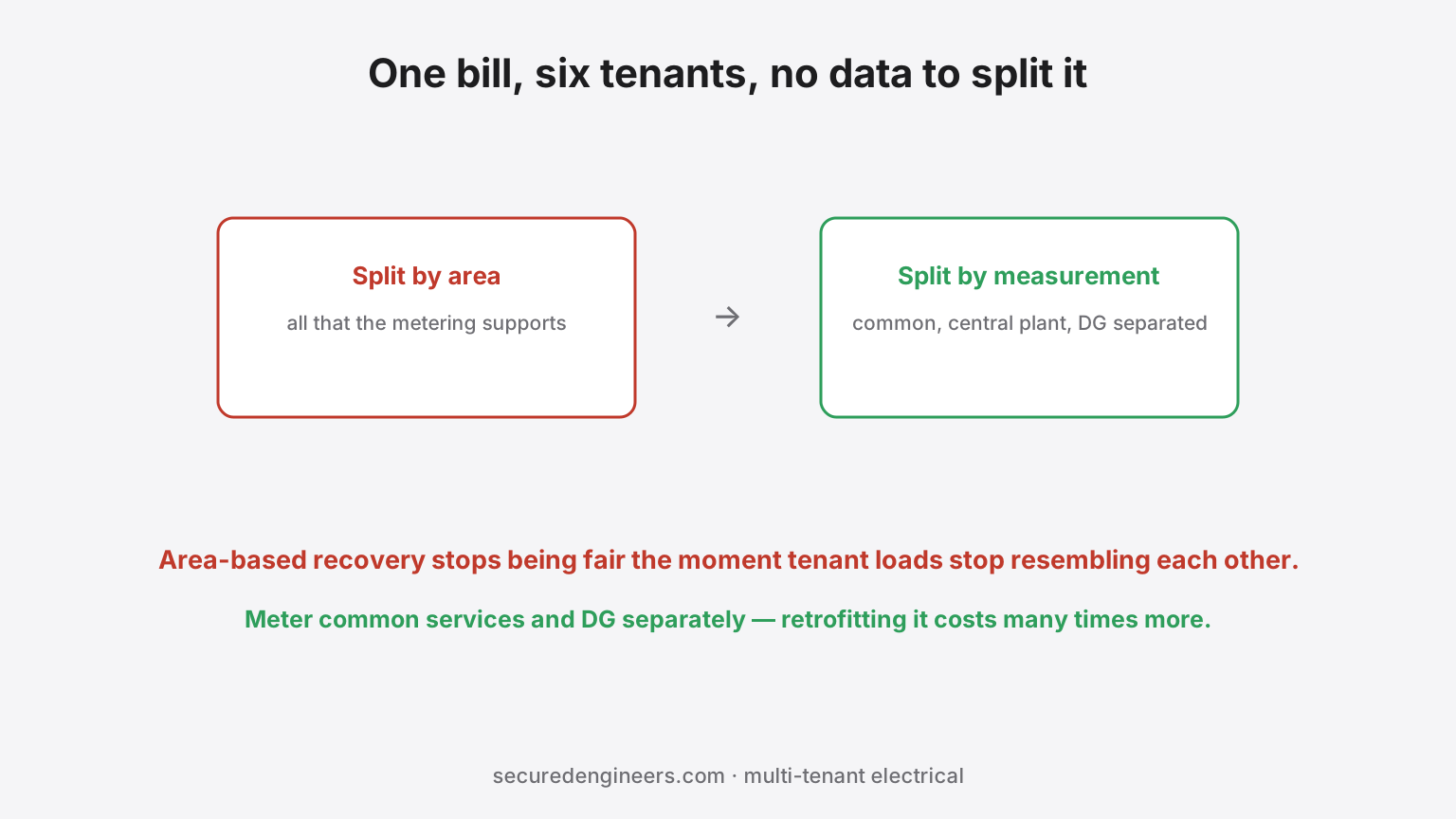
One Bill, Six Tenants, and No Way to Prove Who Used What.
Multi-tenant buildings recover electricity by area share because that is all the metering supports. The moment one tenant runs a heavier load than another, an area-based split stops being fair — and there is no data to settle the argument.
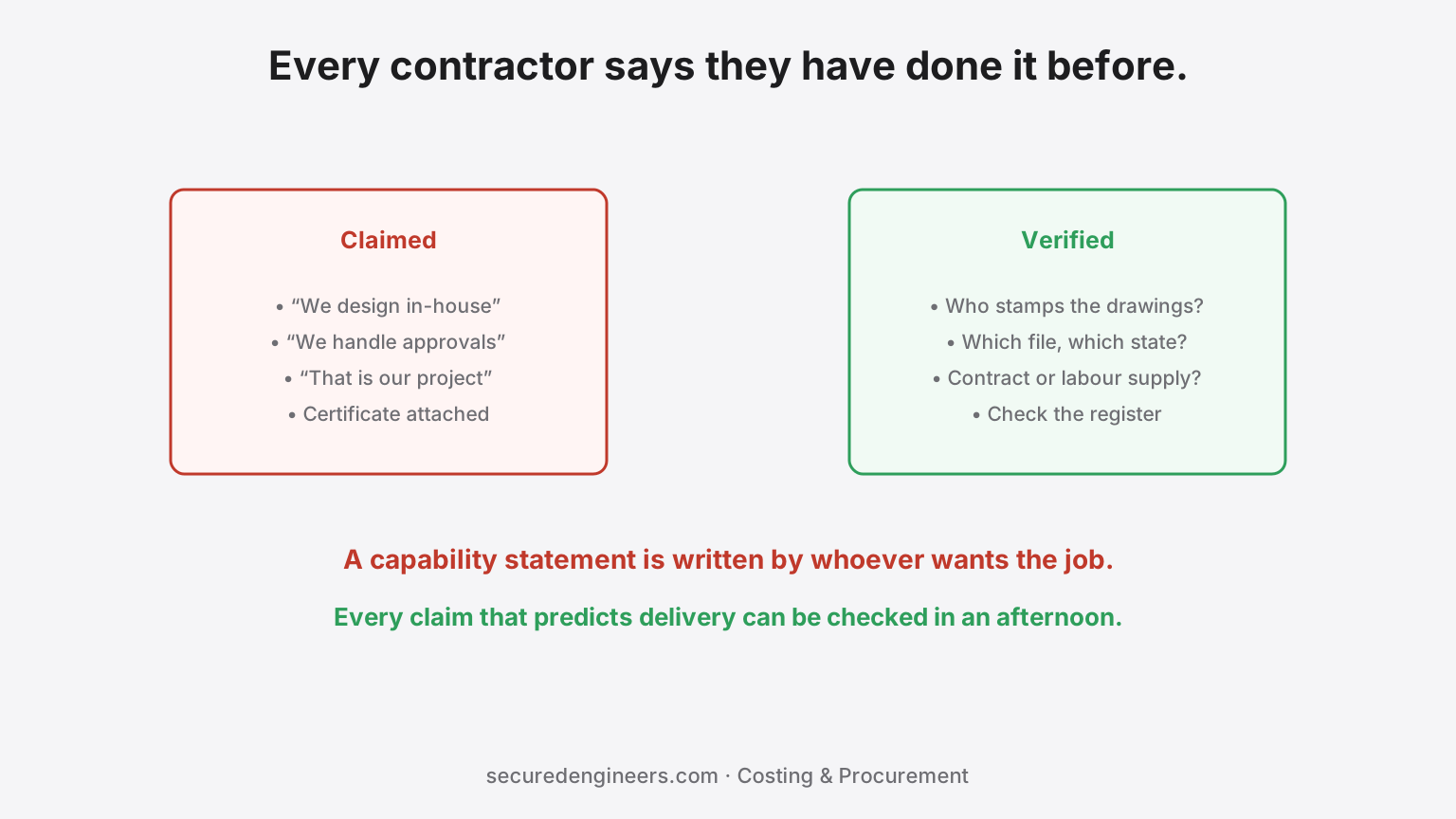
How to Verify an MEP Contractor Before You Award the Work
Capability statements are written by whoever wants the job. The claims that predict delivery — comparable work in the role claimed, engineers who will be on your job, approvals experience and a scope accepted in writing — can each be checked against evidence before award.
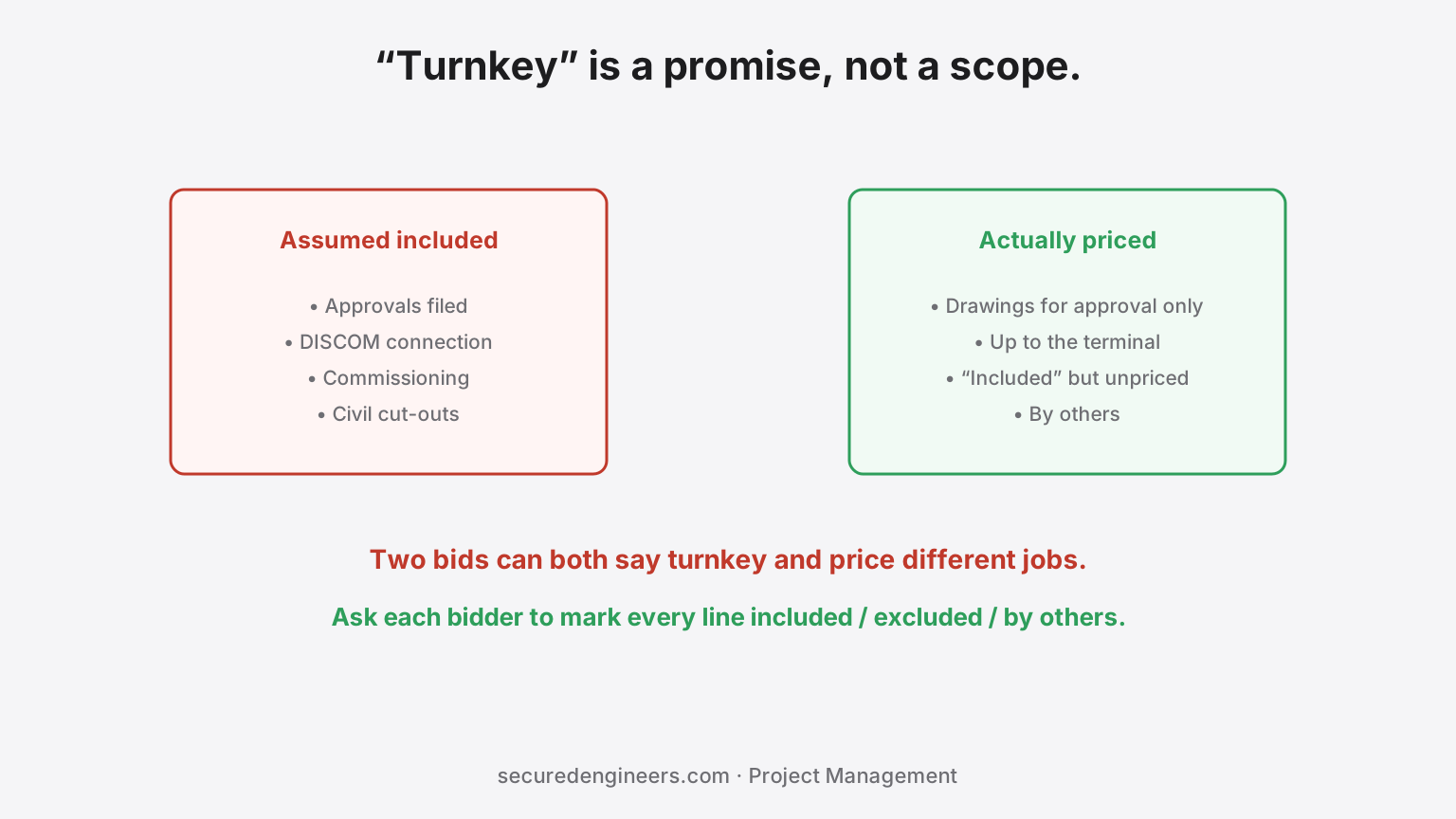
Turnkey MEPF Scope of Work: What Your Contract Should Include
Turnkey is a commercial promise, not a defined scope: two bidders can both quote turnkey MEPF and price different jobs. The design deliverables, interfaces, authority fees and handover items a contract should name, with a responsibility matrix that makes bids comparable.
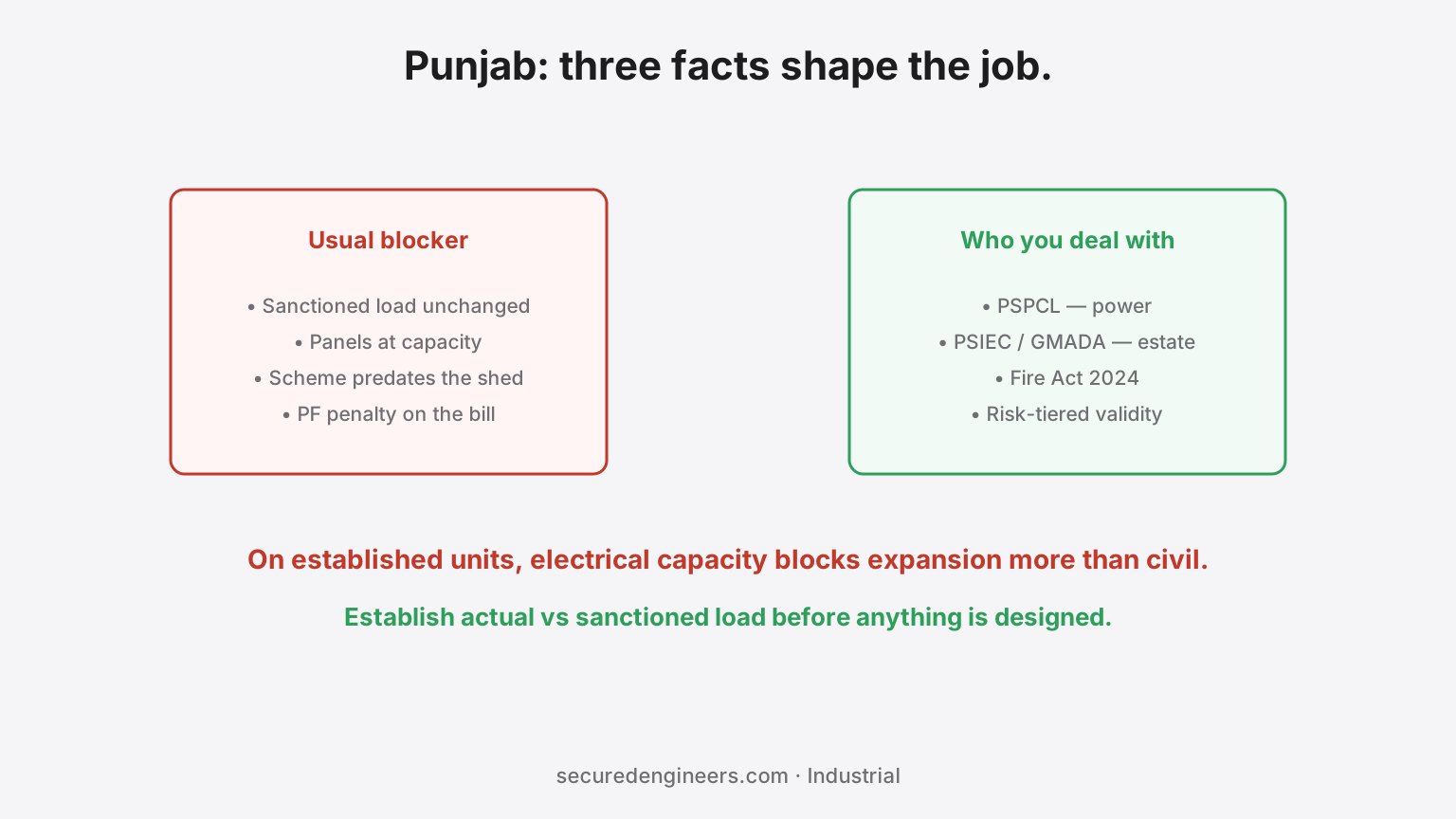
Expanding a Factory in Punjab: The Power and MEP Approval Checklist
Before a Punjab plant adds machines or sheds, several authorities need to see it: PSPCL for the load, the Electrical Inspector for the installation, the fire service for the building, and the pollution and water regulators for the process. The checklist, the thresholds that change the route, and who owns each document.
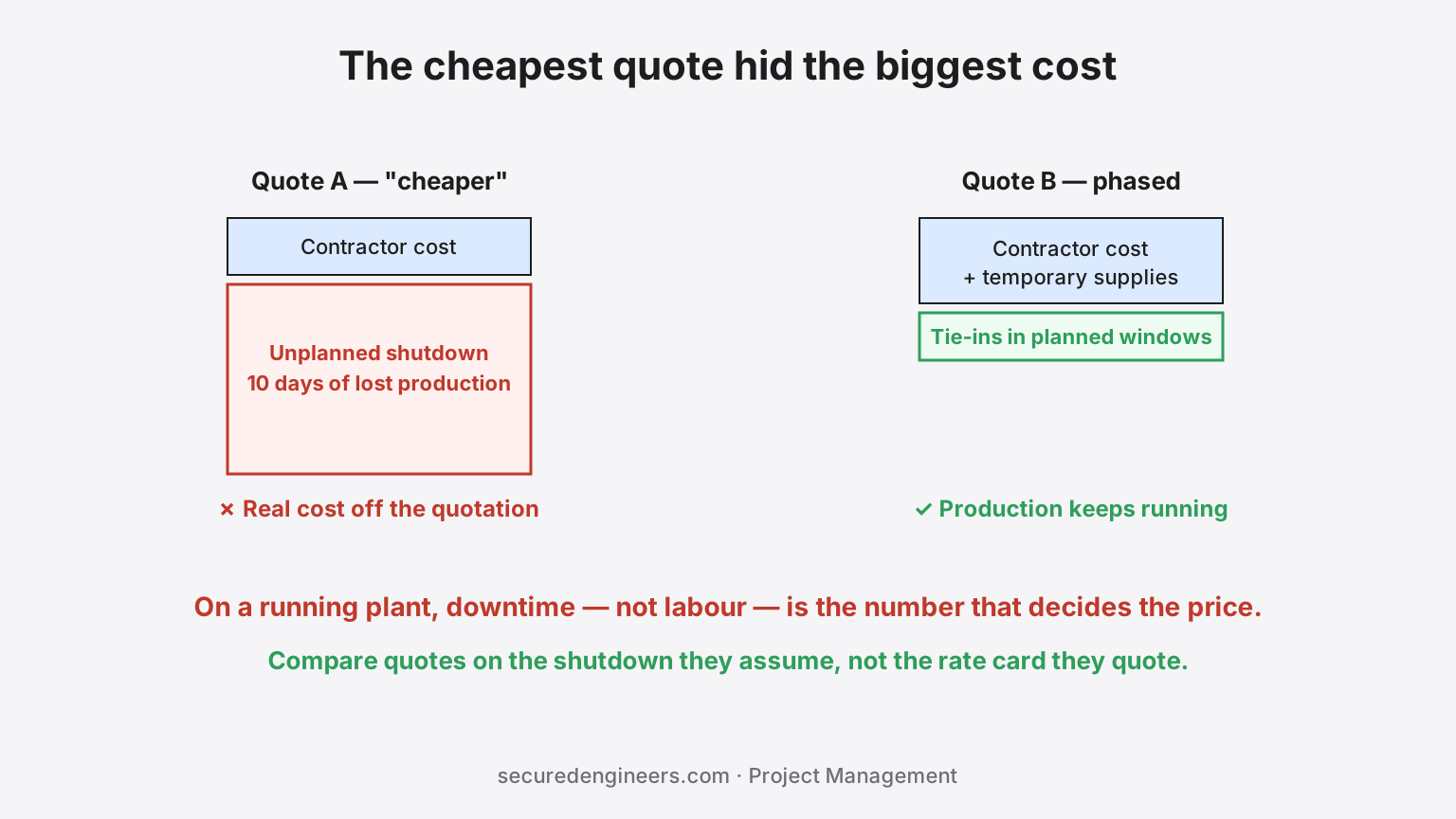
MEP Retrofit in a Running Plant: Phase the Shutdowns
In a running factory, an MEP retrofit is decided by what has to be switched off, for how long, and how it comes back. How to survey the live system, set isolation boundaries, price temporary utilities, plan shutdown windows with a rollback, and commission before restart.
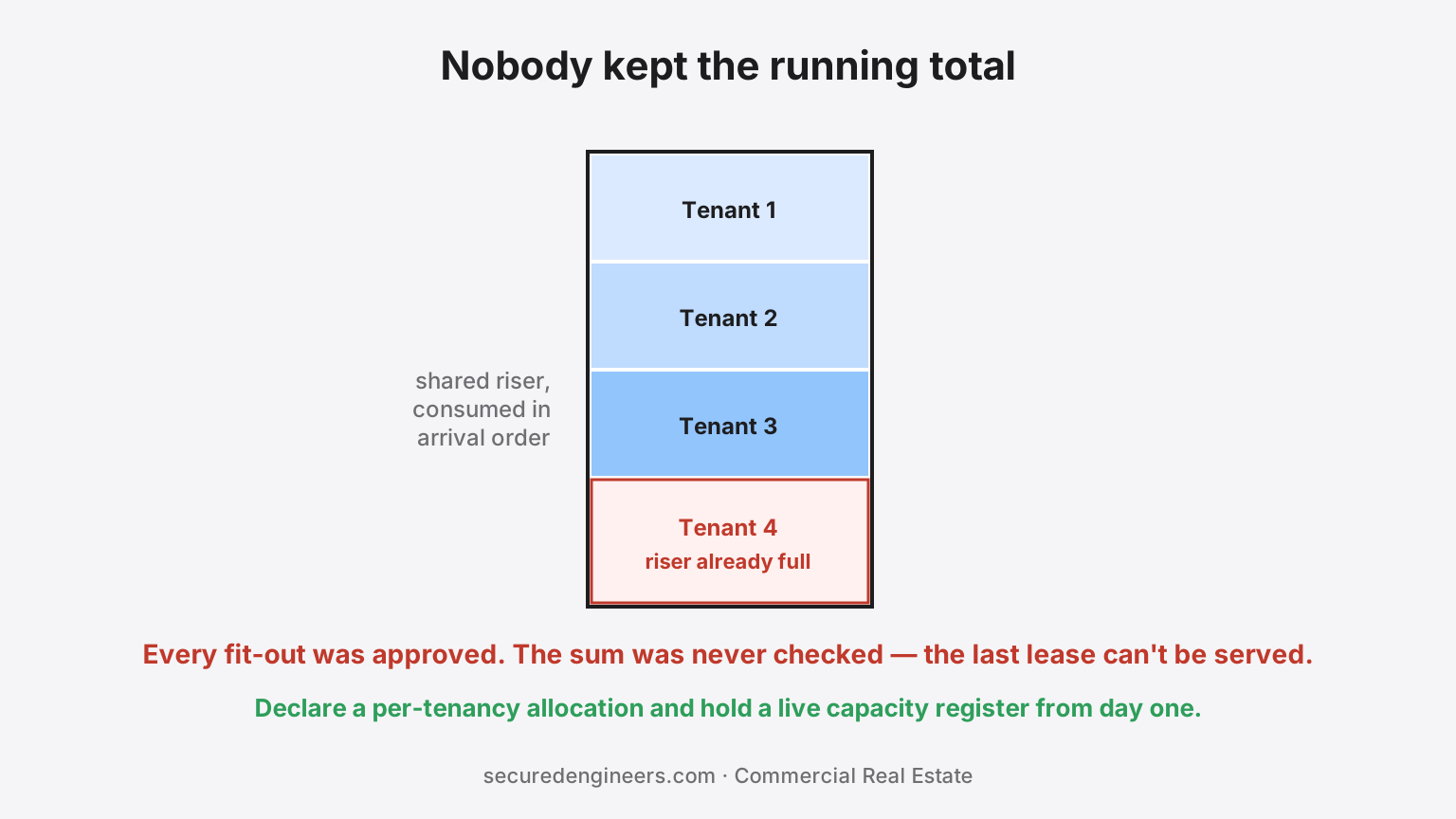
Riser and Shaft Capacity Before an Office Expansion
An office expansion is limited by what the building's risers and shafts can still deliver to your floor. How to survey usable riser space, check the power, cooling, fresh-air and water allocations, keep firestopping intact, and assemble the package the landlord will review.
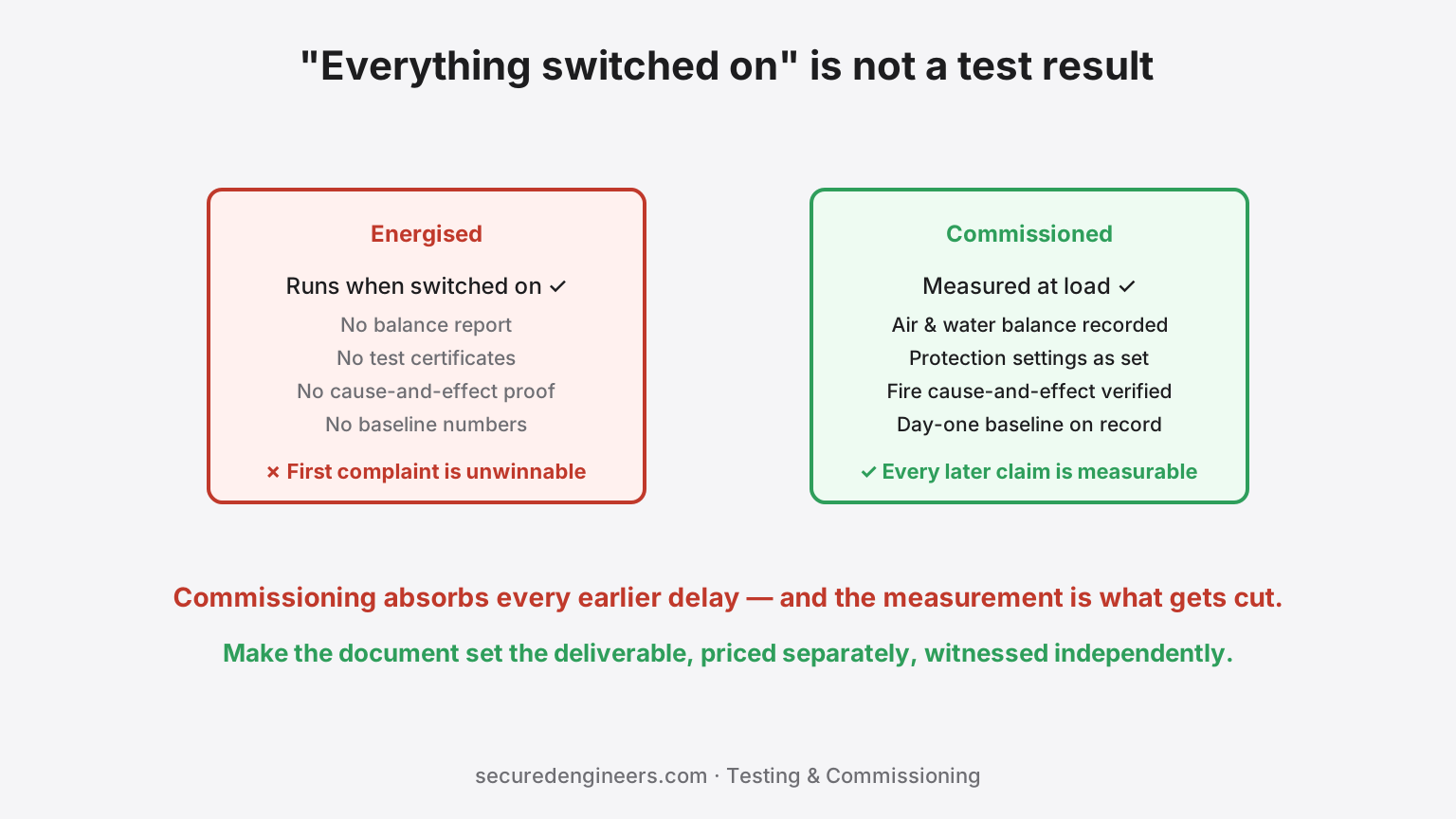
MEP Commissioning and Handover Checklist
Switching systems on is not commissioning. A checklist for the system-level tests each service needs, the integrated fire interfaces, performance criteria agreed before witnessing, the punch list, and the records a building should not be handed over without.
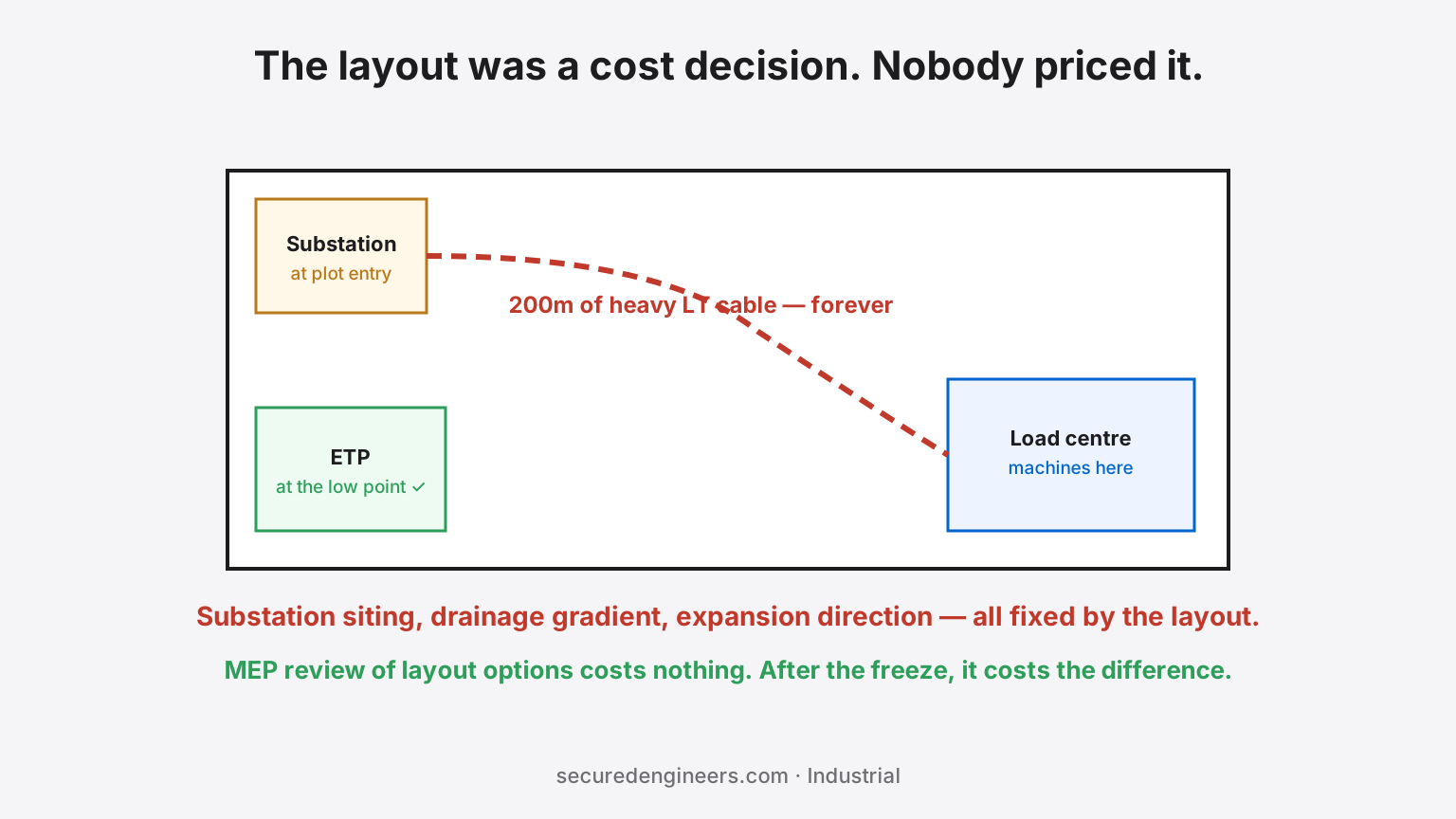
Factory Layout Decisions That Affect MEP Cost
A factory layout is drawn for production flow, but it also fixes cable and pipe lengths, plant-room positions, maintenance access and whether the next phase can be fed. The clearances, service routes and expansion allowances to check before the layout is frozen.
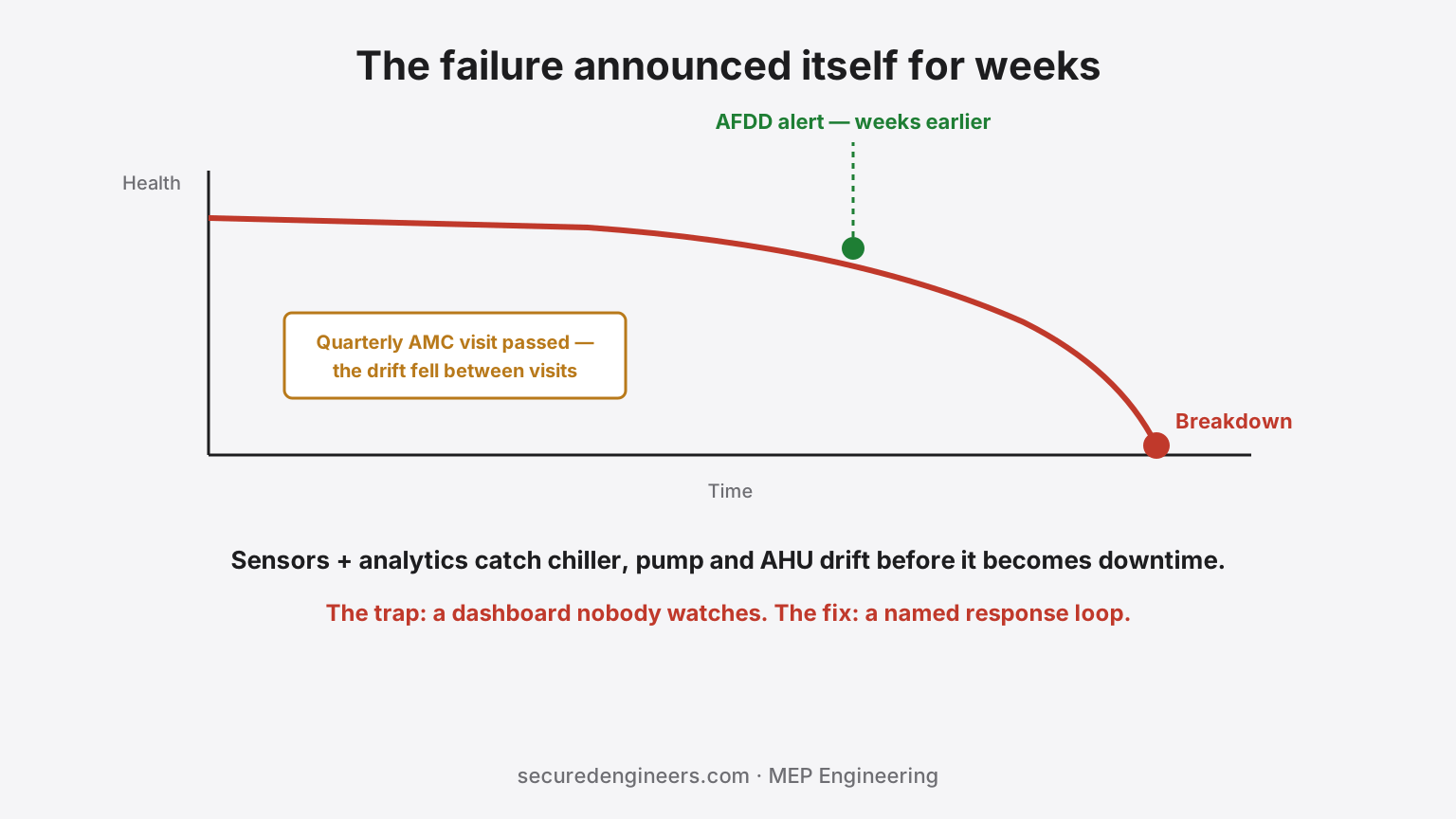
The Chiller Gave Three Weeks of Warning Before It Failed. Nobody Was Listening.
Automated fault detection and diagnostics — sensors plus analytics watching chillers, pumps and AHUs — now catches degradation weeks before failure, and has shifted from luxury to standard practice at serious operators. But the technology is the easy half; the hard half is metering, connectivity, and someone who actually acts on alerts.
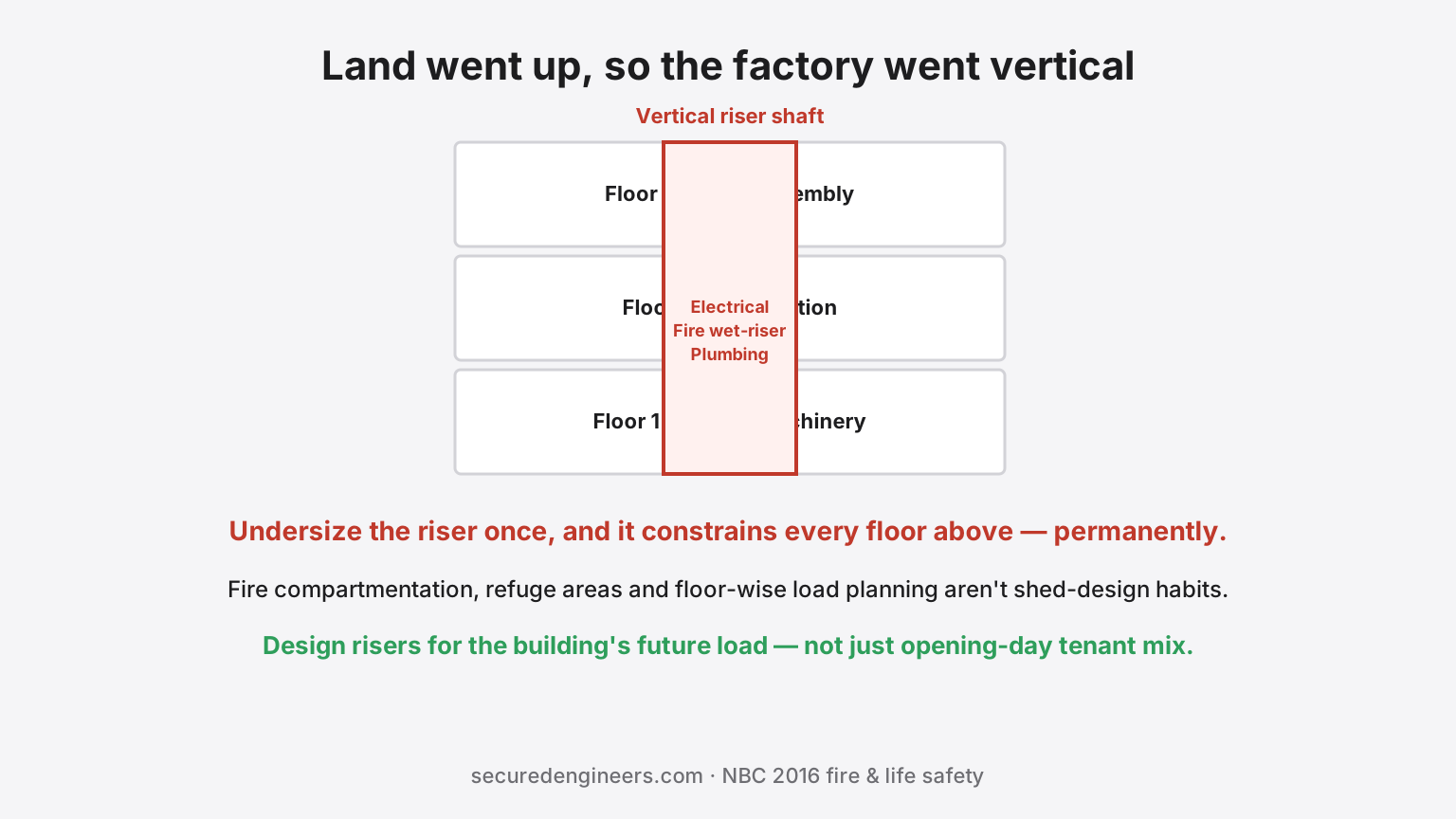
Land Got Expensive, So the Factory Went Vertical. The MEP Design Didn't Follow.
Multi-storey industrial buildings are becoming common as land prices push factories vertical instead of horizontal — but MEP design habits built for single-storey sheds don't automatically transfer. Fire compartmentation, vertical risers and floor-by-floor load all need rethinking.
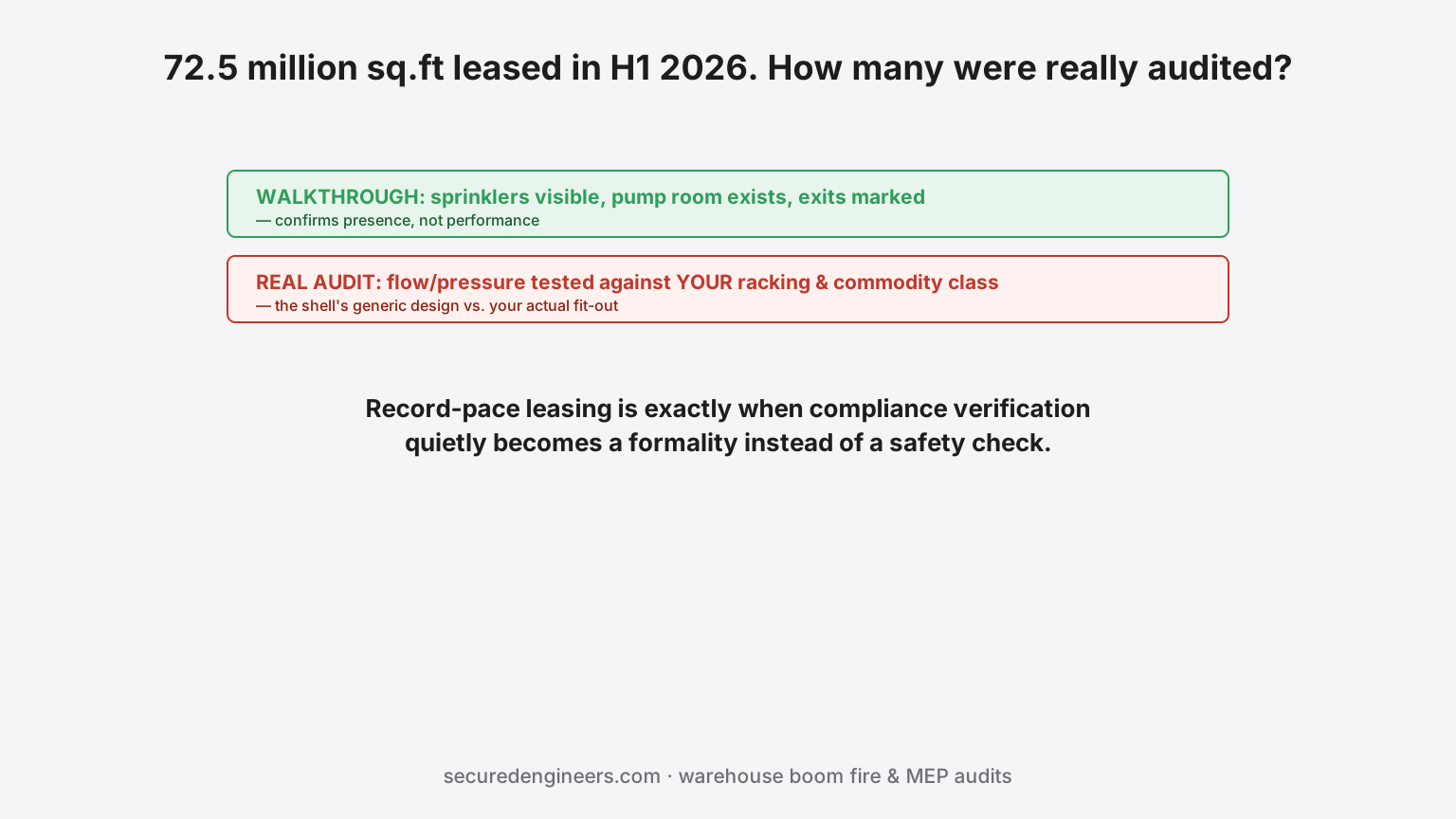
72.5 Million Square Feet Leased This Year. How Many Passed a Real Fire Audit?
India's industrial and warehousing sector transacted 72.5 million square feet in H1 2026 alone, up 29% year-on-year, with Grade A vacancy tightening fast. That pace is exactly what pushes fire and MEP compliance into the background — developers building to lease as fast as possible, operators moving in on a deadline, and full compliance audits treated as a formality to close rather than a genuine safety check.
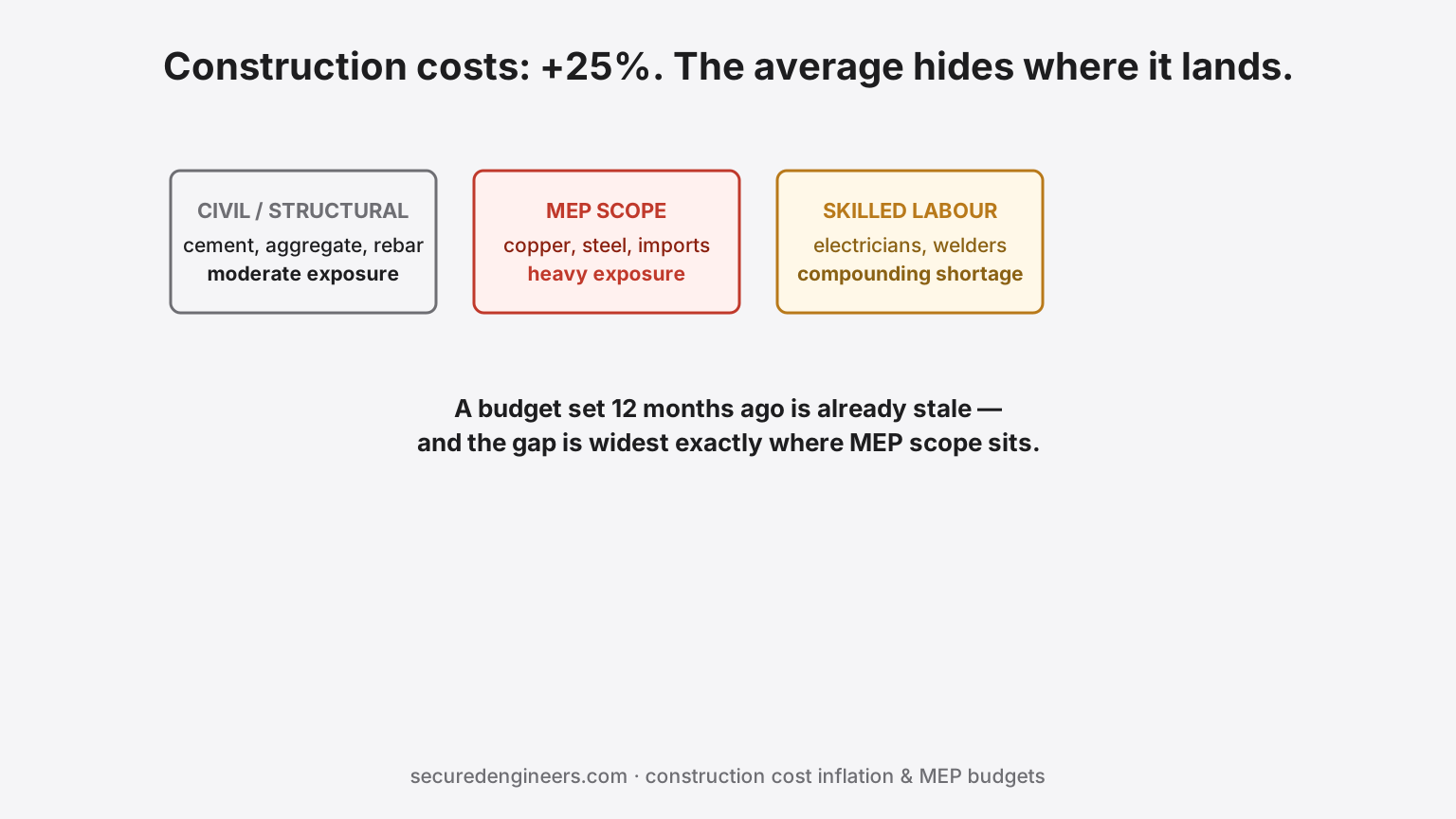
The Headline Says 25% Costlier. Nobody Says Which 25%.
India's construction sector has absorbed a widely reported 25% cost spike, forcing a cyclical moderation across the market. That number gets quoted at the project level, but it doesn't land evenly — MEP scopes, with their heavy exposure to copper, steel, and imported components, are absorbing a disproportionate share of that inflation, and budgets set even a year ago are already stale.
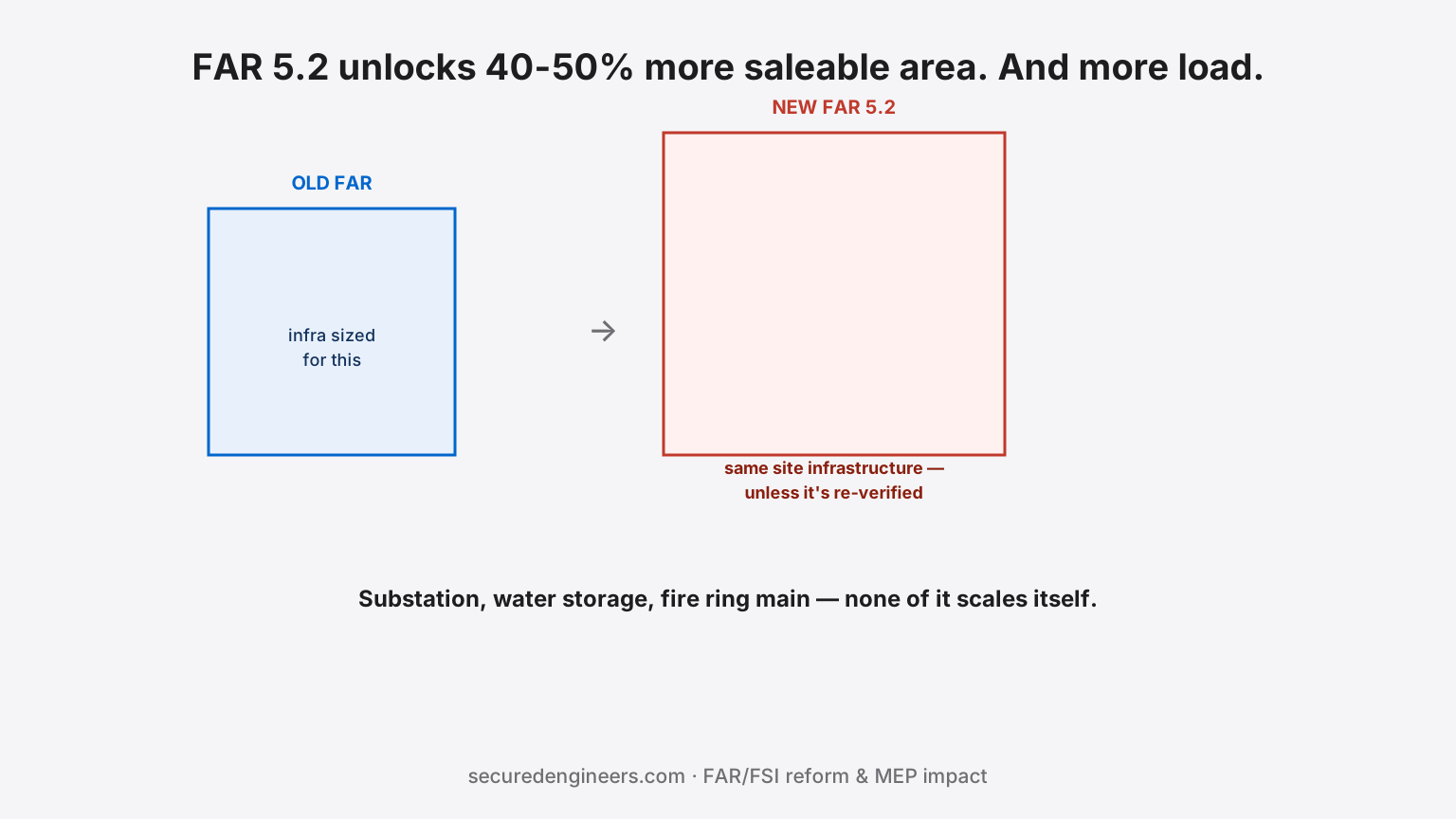
More Floor Area Ratio Sounds Like a Land Win. It's Also an MEP Redesign.
Karnataka's February 2026 reform permits FAR up to 5.2 on 30-metre roads — 40-50% more saleable area in Bengaluru — while Mumbai's expanded high-rise auto-clearance now covers buildings to 180 metres. Higher approved density is genuinely good news for a project's economics. It's also a direct, often underestimated input into every MEP system's sizing, because more floor area on the same plot means more load on the same site infrastructure.
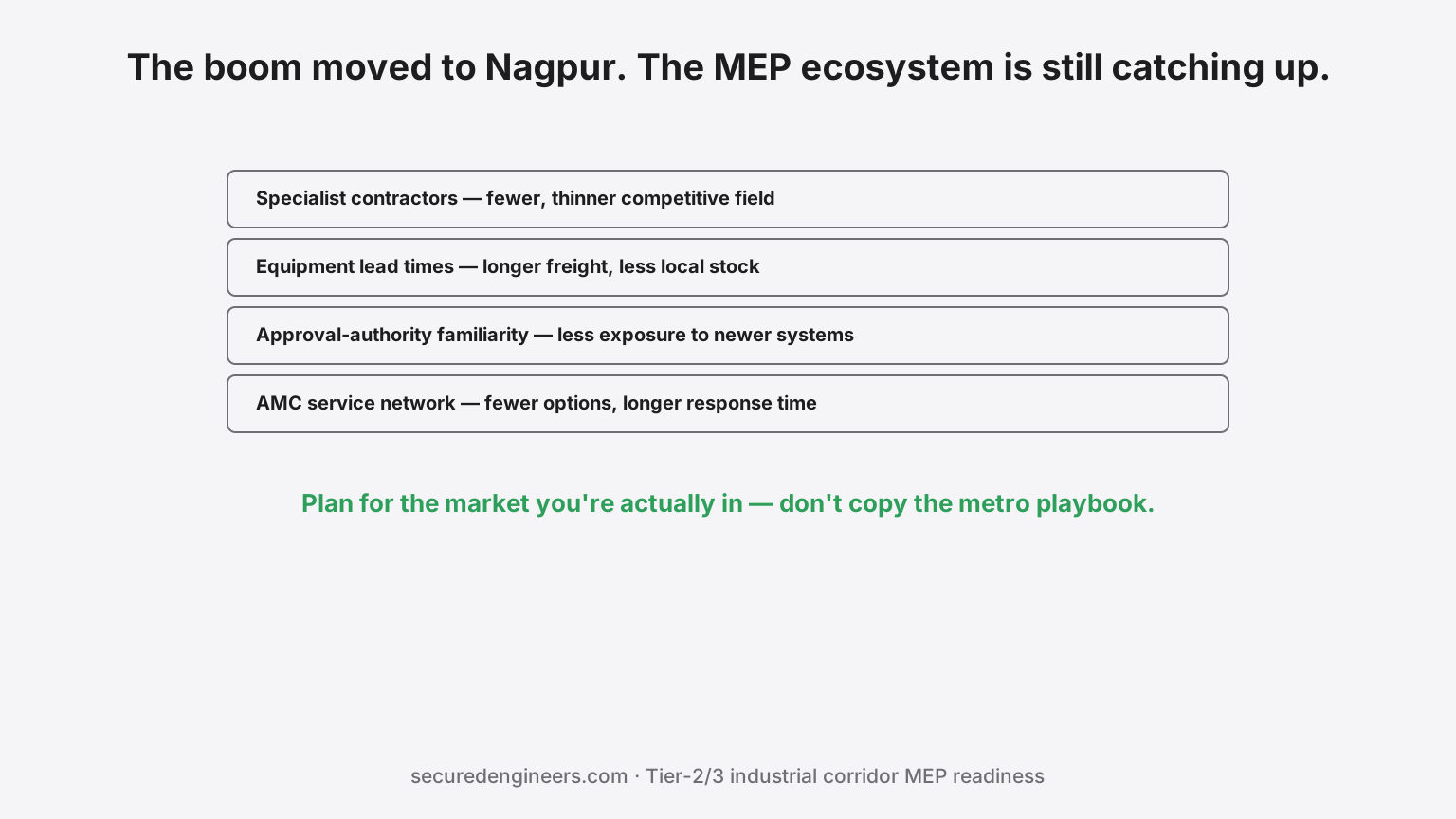
Your Warehouse Is in Nagpur Now. Your MEP Contractor Options Still Aren't.
Rooftop solar adoption, warehousing absorption and industrial corridor investment are all shifting decisively toward Tier-II and Tier-III cities — Lucknow, Nagpur, Surat, Varanasi and the Delhi-Mumbai Industrial Corridor markets are the new growth frontier. But the mature MEP contractor base, specialist vendor network and experienced approval-authority relationships that metro projects take for granted haven't relocated at the same pace. That gap is where Tier-2/3 projects actually lose time and money.
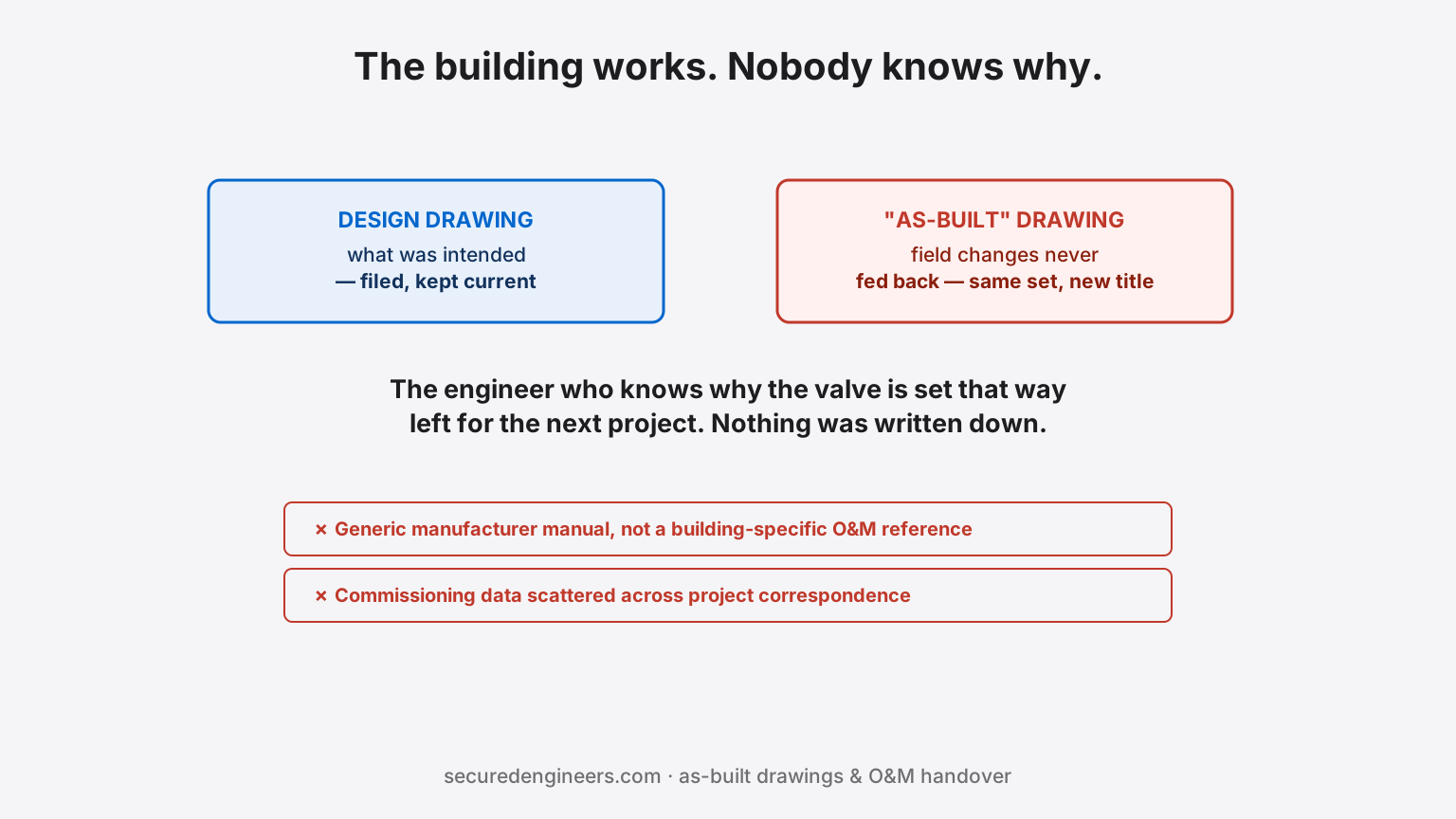
Your MEP Contractor Left. So Did the Only People Who Understood the System.
Design drawings show what was intended. As-built drawings should show what was actually installed — but they routinely don't, because site changes during execution never get fed back into the drawing set. Combined with a generic O&M manual instead of one specific to the installed system, the facility team inherits a working building with no reliable record of why it works or how to fix it when it stops.
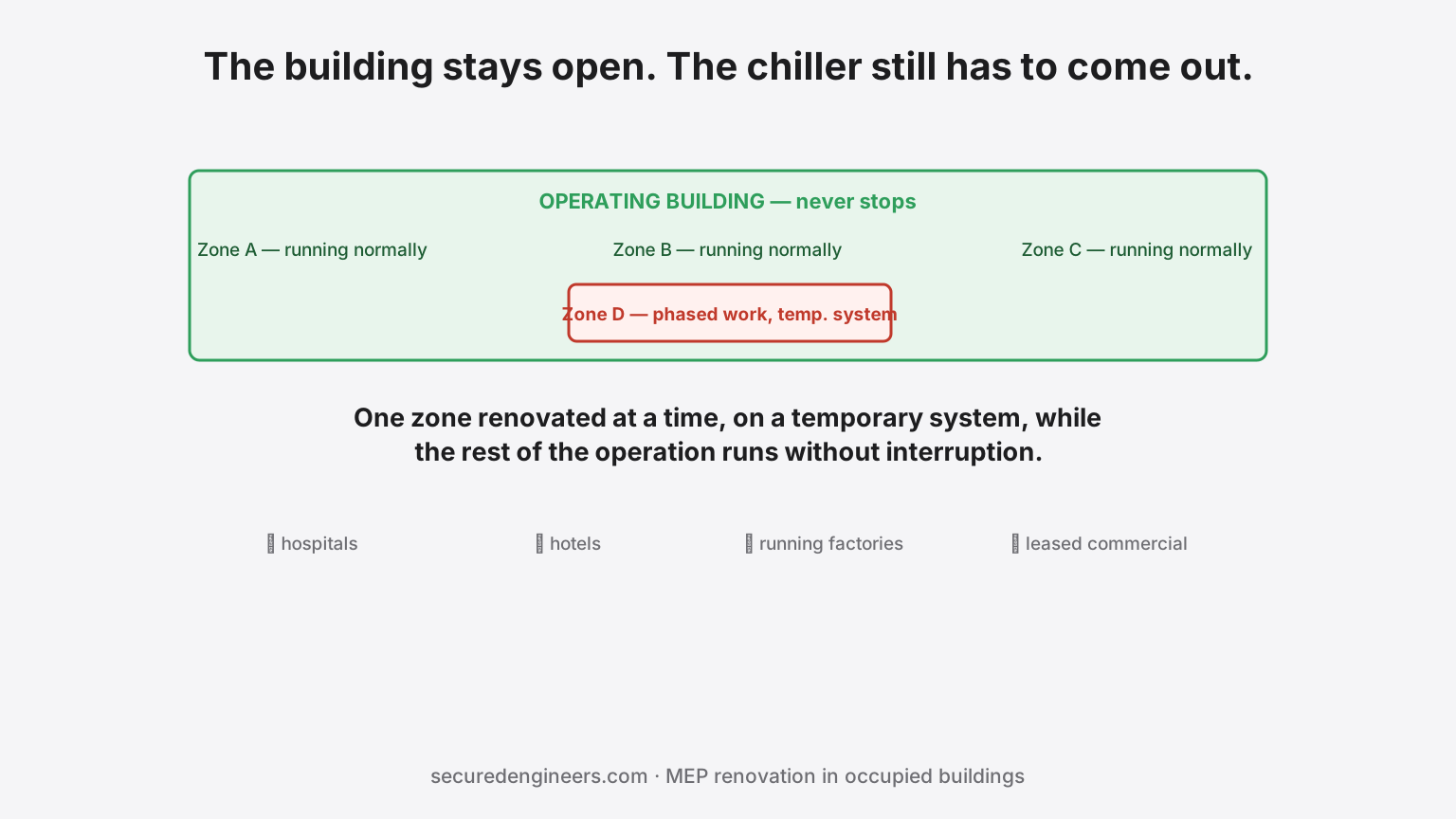
The Building Stays Open. The Chiller Still Has to Come Out.
Renovating MEP infrastructure in an occupied, operating building — a hospital, hotel, running factory or leased commercial building — is a fundamentally different problem from new construction, because the systems being replaced can't simply be switched off while work happens. Phasing, temporary systems and sequencing decide whether the renovation succeeds quietly or becomes the outage the client remembers for years.
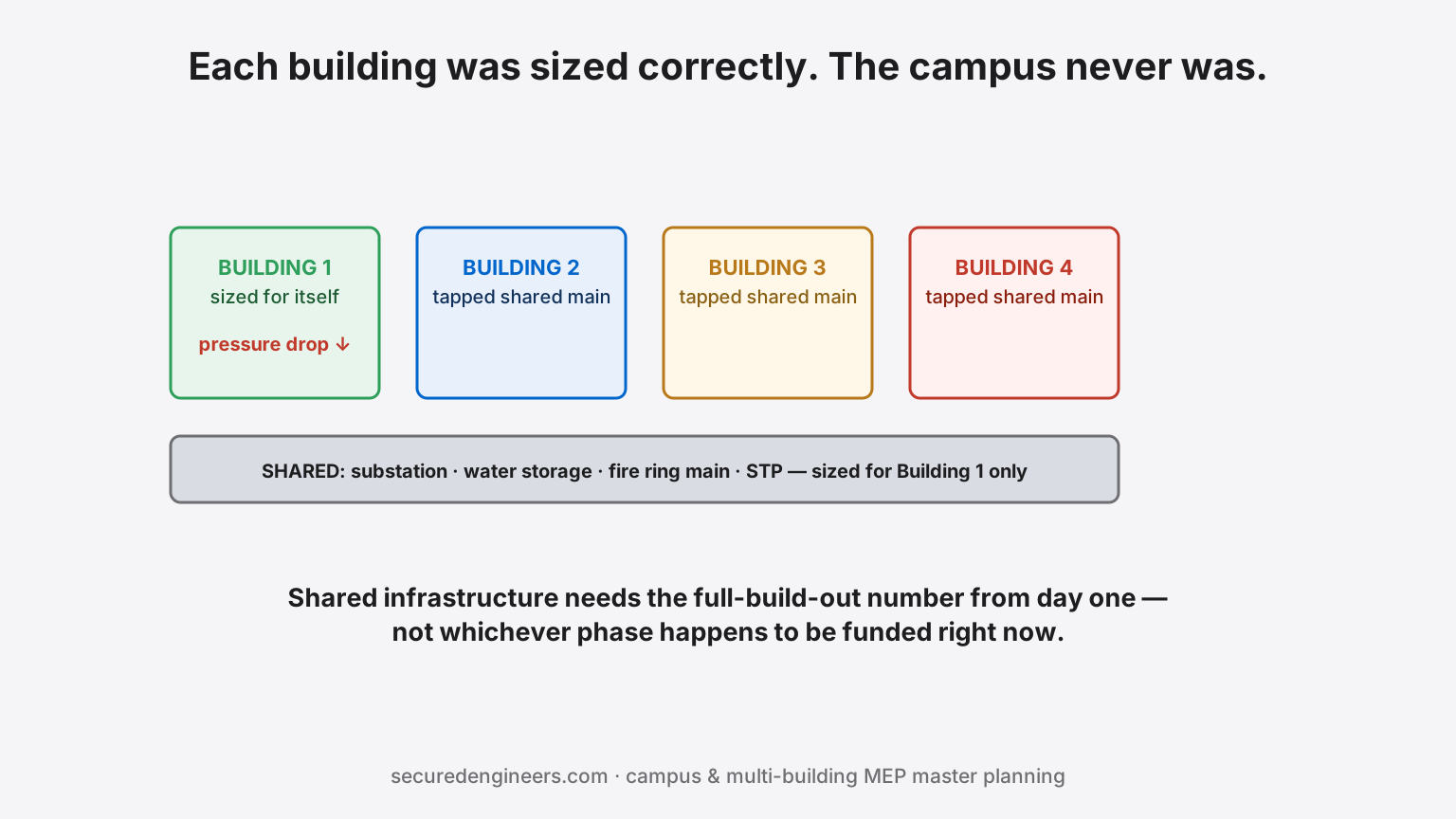
Each Building Was Sized Correctly. The Campus Never Was.
A multi-building campus — an IT park, an industrial estate, a large institutional site — gets built one phase at a time, and each individual building's MEP systems get sized correctly for that building. What routinely doesn't get sized correctly is the shared infrastructure underneath all of them: the substation, the water storage, the fire ring main, the STP. By the time the campus is fully built out, shared systems sized for phase one are serving phase four.
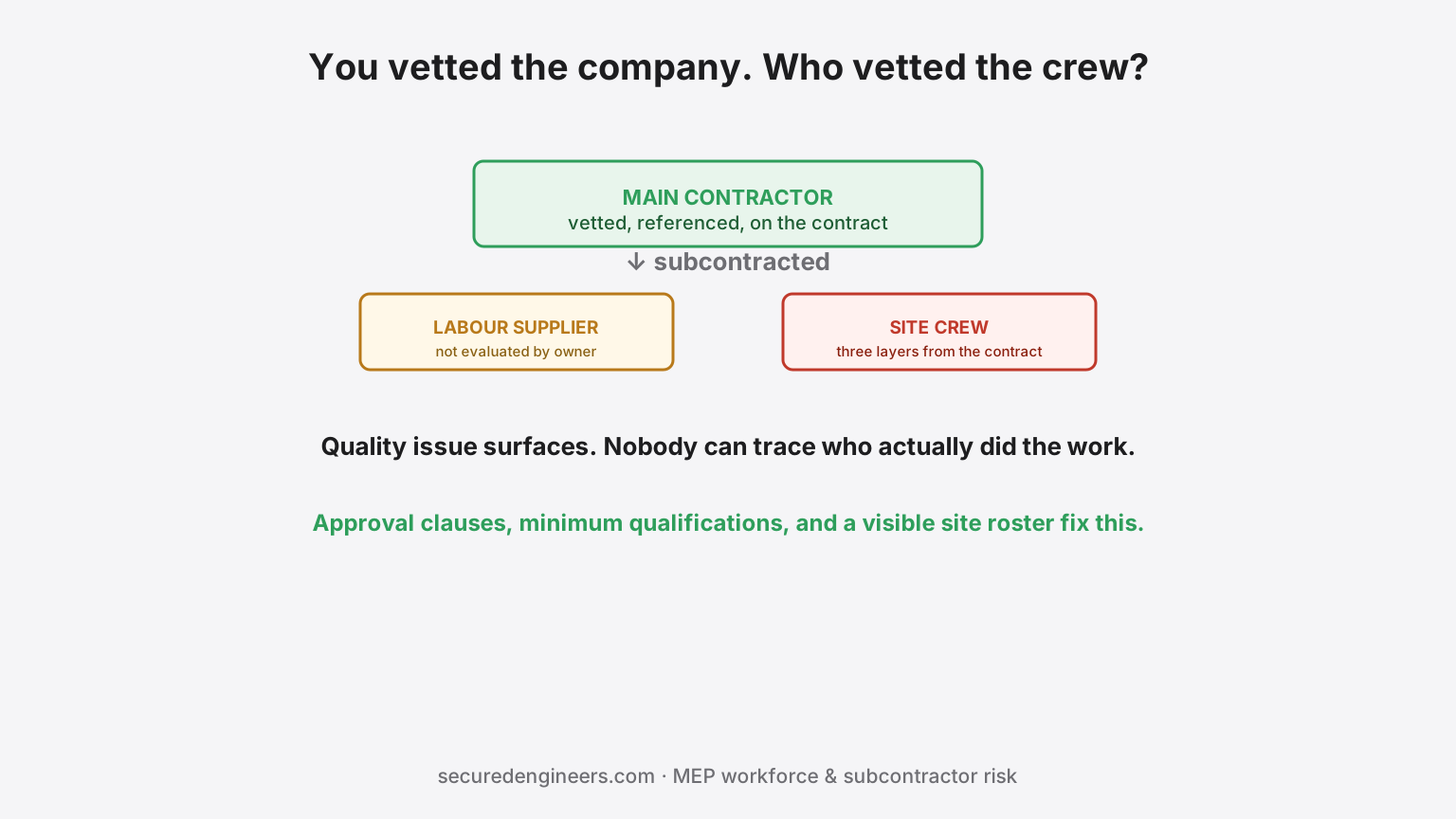
You Vetted the Company. Did Anyone Vet the Hands Actually Doing the Work?
A skilled-manpower shortage in electricians, HVAC technicians, welders and fire-system installers means the contractor who won your tender may be executing through layers of subcontracted labour you never evaluated. The company on the letterhead passed your due diligence. The crew actually pulling cable or commissioning the chiller may not have — and by the time quality or safety issues surface, the layering makes accountability hard to trace.
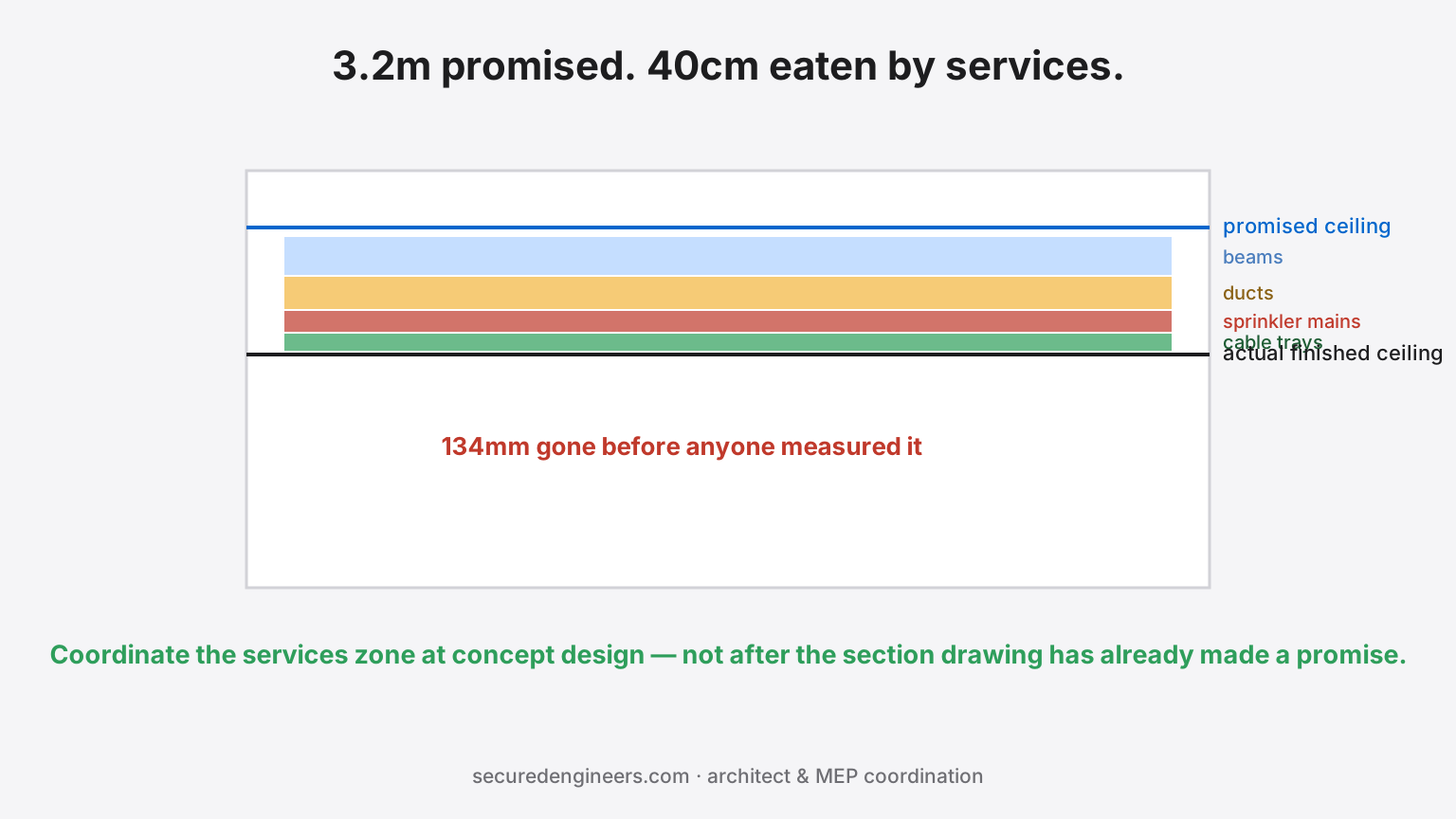
Your Section Drawing Promised a 3.2m Ceiling. The Ducts Ate 40cm of It.
The concept design looked stunning at 3.2m clear height. Then the structural beams arrived, the HVAC ducts needed their own path, the sprinkler mains claimed a level, and the fire-rated ceiling ate the rest. Nobody adjusted the drawing until the site foreman asked where 40cm of height went. Why MEP coordination has to happen before design freeze, not after.
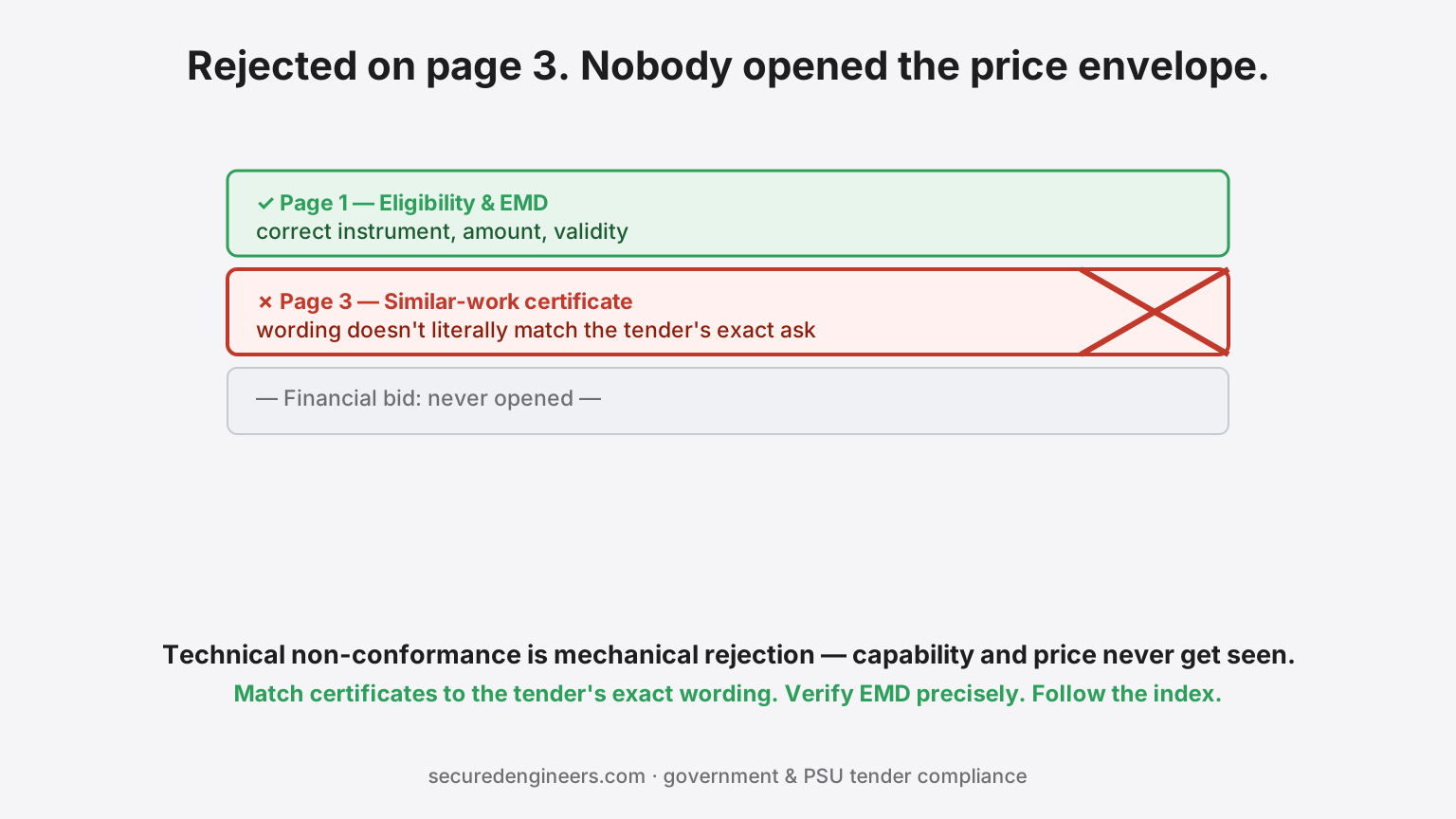
Your Government Tender Was Rejected on Page 3. Nobody Opened the Price Envelope.
Government and PSU MEP tenders reject more bids on technical eligibility than on price — a missing certificate, an EMD in the wrong format, a turnover figure one lakh short of the threshold. The financial bid never gets opened. What actually disqualifies technical bids, and the pre-submission checklist that prevents it.
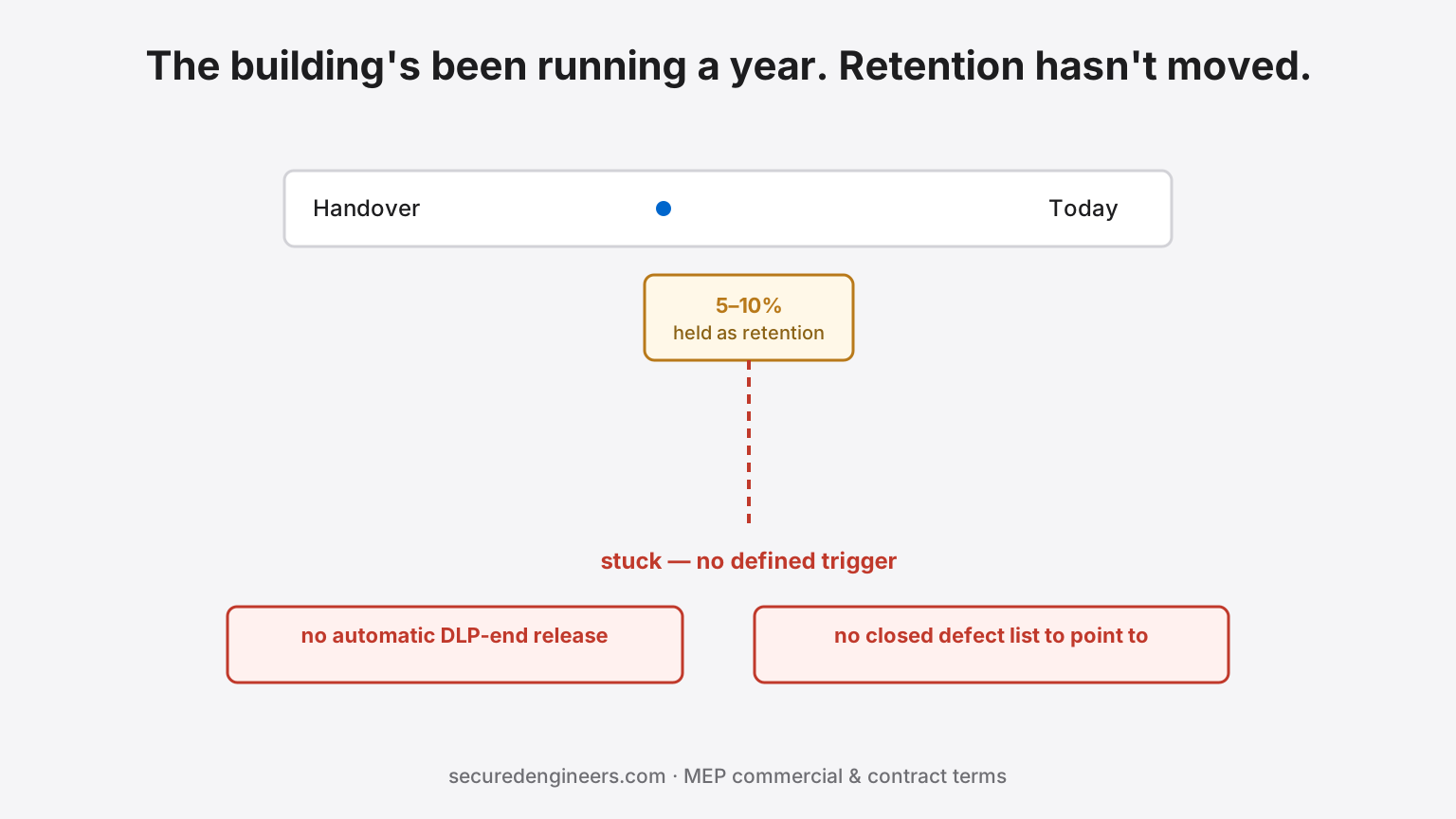
The Building Has Been Running for a Year. Your Retention Money Hasn't Moved.
Retention money exists to protect the owner against defects that surface after handover — a reasonable principle that somehow turns into an indefinitely stuck 5-10% of the contract value, with no clear trigger for release and no documented defect list to close against. Why retention disputes drag on, and the contract language that actually prevents them.
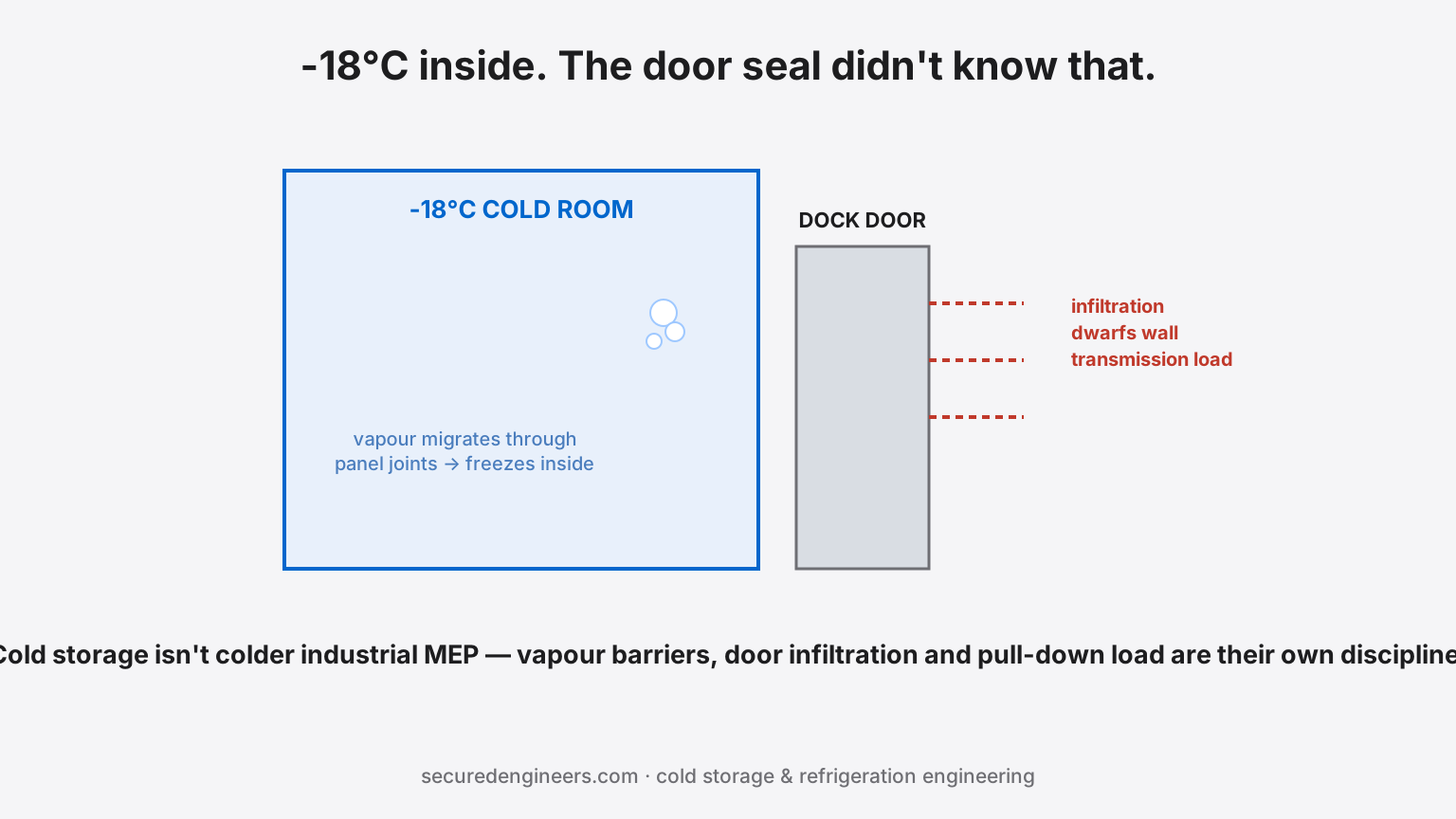
The Cold Room Held -18°C. The Door Seal Didn't Know That.
Cold storage and refrigerated warehousing fail in ways general industrial MEP design doesn't anticipate — vapour barrier gaps that let moisture migrate into insulation, door and dock seals that leak more cold air than the refrigeration system can replace, defrost cycles that were never coordinated with product load. What makes cold-chain MEP a distinct discipline, not a colder version of standard industrial design.
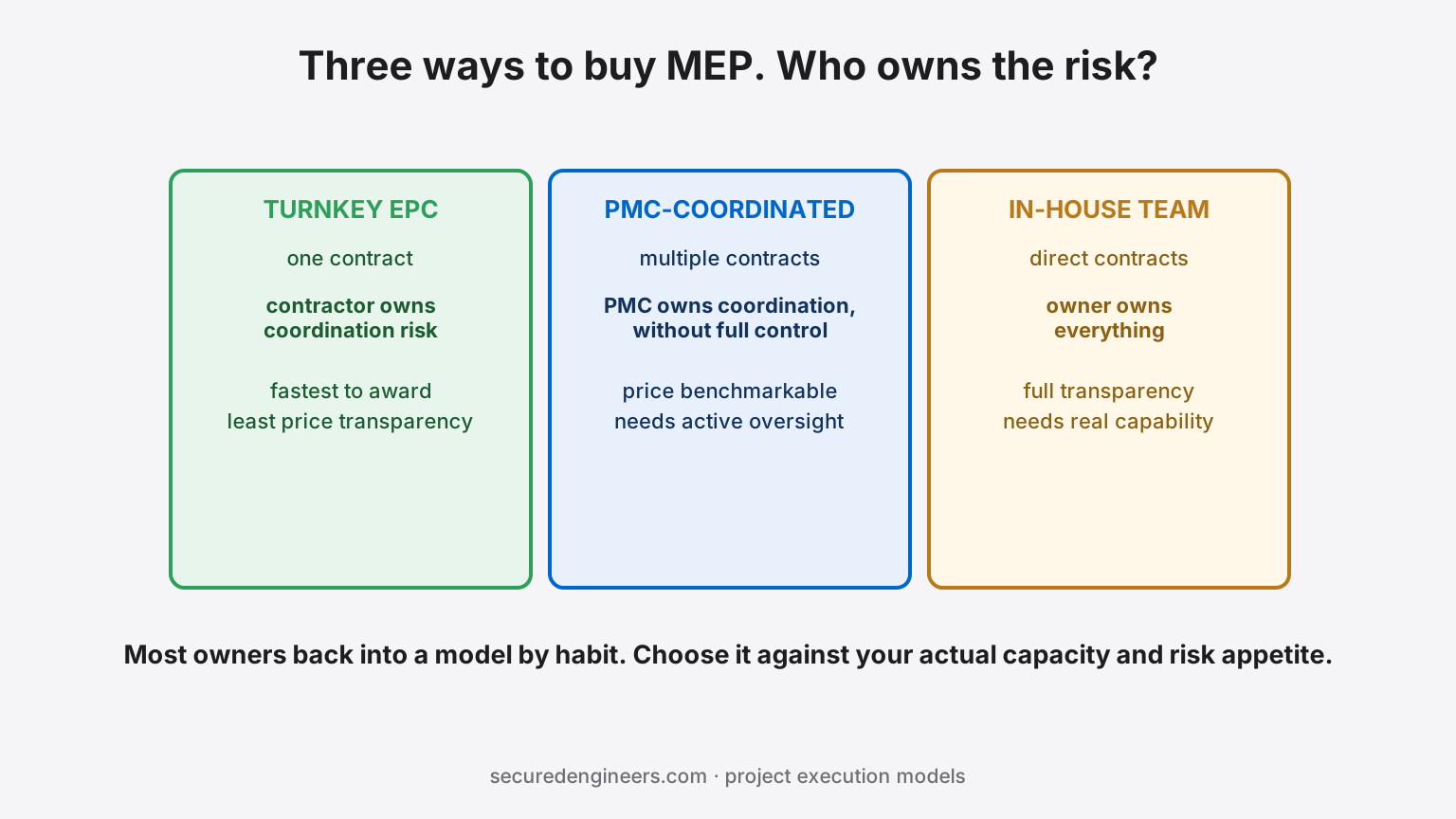
You Need MEP Done. Nobody Told You There Are Three Completely Different Ways to Buy It.
Turnkey EPC, a PMC coordinating separate contractors, or an in-house engineering team running the project directly — three fundamentally different risk and control structures, often chosen by default rather than deliberately. Each one changes who owns coordination risk, who owns cost overruns, and who you call when something goes wrong. The decision framework that actually fits your project.
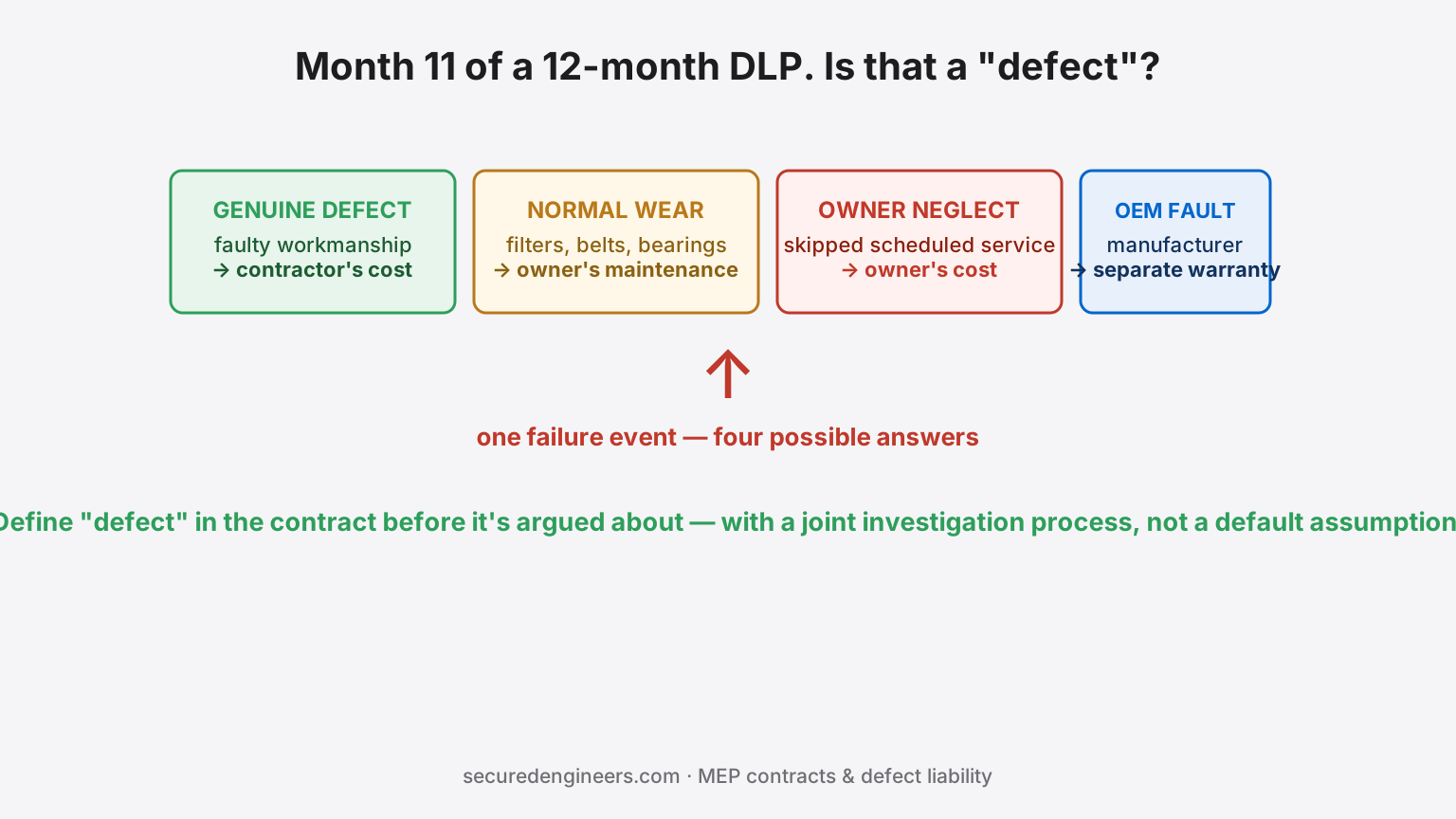
The AC Failed in Month 11 of a 12-Month DLP. Is That a Defect, or Just... Life?
The defect liability period sounds simple: the contractor fixes anything that goes wrong for 12 months after handover. In practice, 'goes wrong' is exactly where owner and contractor start disagreeing — is a filter clog a defect or routine maintenance the owner skipped? Is a compressor failure a manufacturing fault or normal wear? The DLP works only when 'defect' is defined before it's argued about.
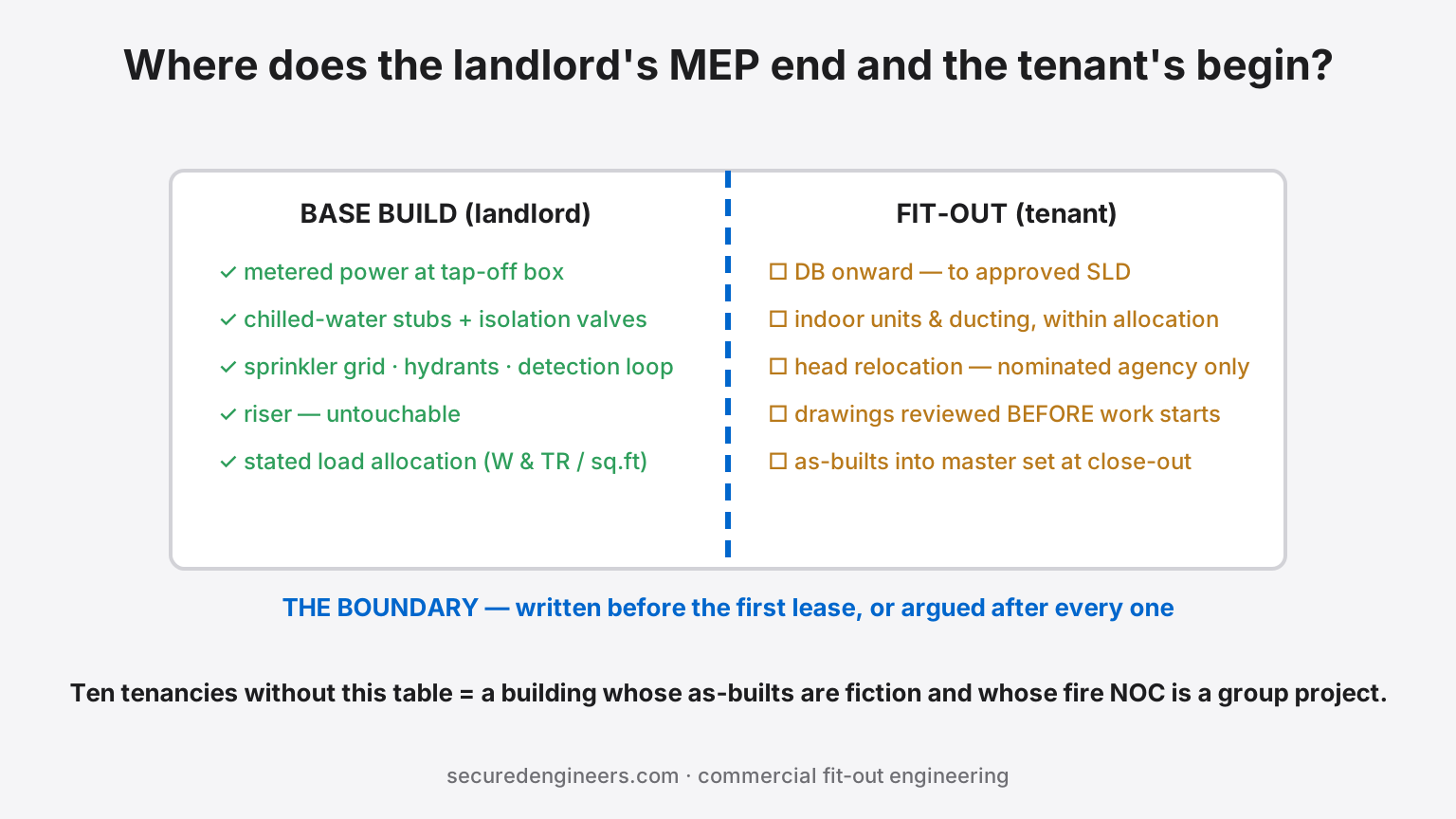
Office Fit-Out MEP Scope: Base-Build and Tenant Boundaries
Before an office fit-out is designed, the tenant needs the landlord’s capacity schedule, the rules for altering base-build electrical and fire systems, a metering and maintenance split, and the completion and reinstatement terms. A checklist and a decision table for drawing the line.
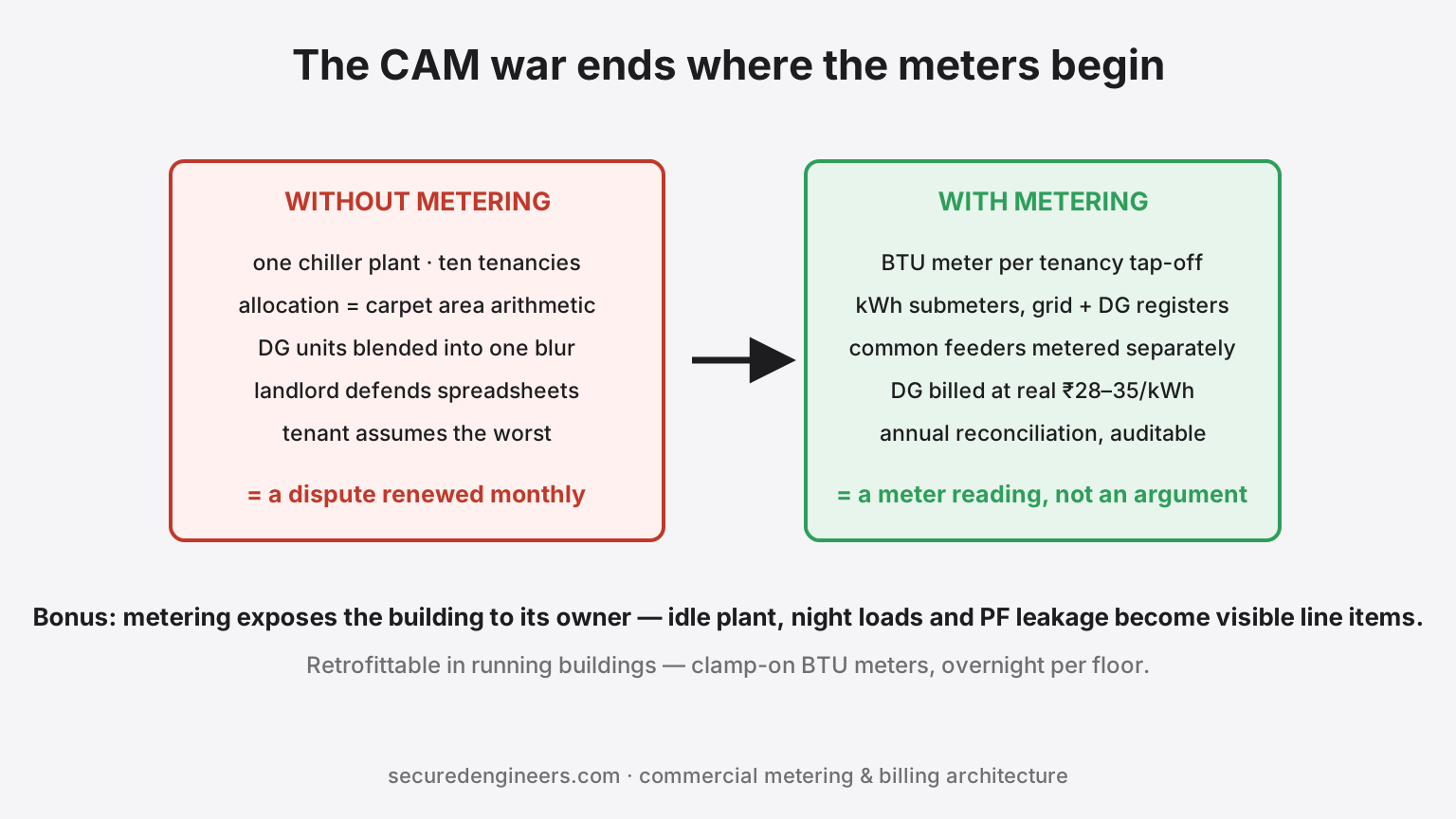
Your Tenants Think CAM Is a Scam. Your Meters Can't Prove Otherwise.
Every commercial landlord fights the same war: tenants dispute CAM bills they cannot verify, the landlord allocates costs they cannot measure, and the chiller plant burns money nobody owns. The fix is not better arguments — it is metering architecture designed on day one.
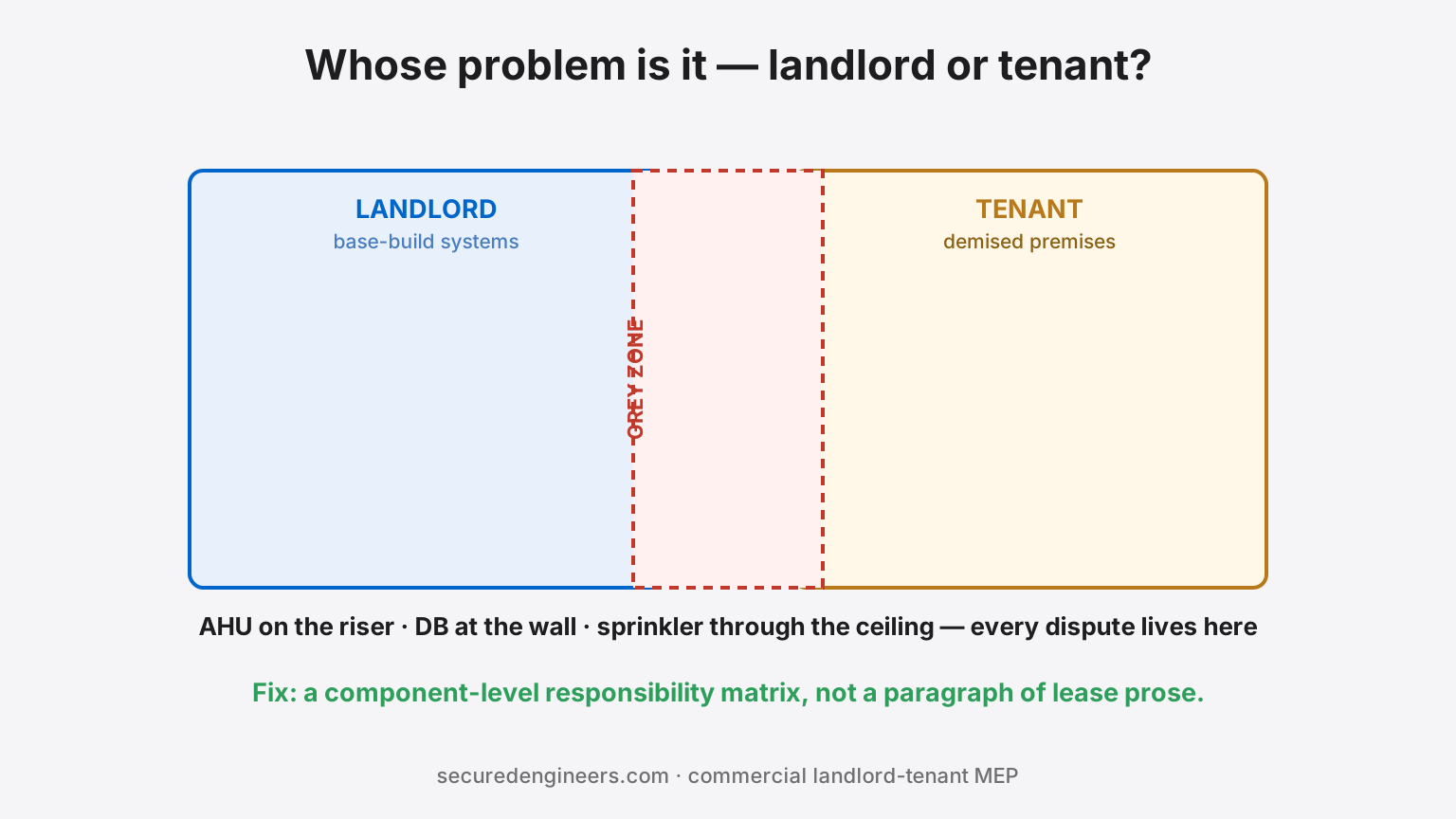
Landlord and Tenant MEP Responsibility Matrix
MEP disputes between landlords and tenants start where a landlord-owned system crosses into tenant space. A component-by-component matrix that separates ownership, operating duty, maintenance and cost, with fit-out rules and common-plant billing options to negotiate from.
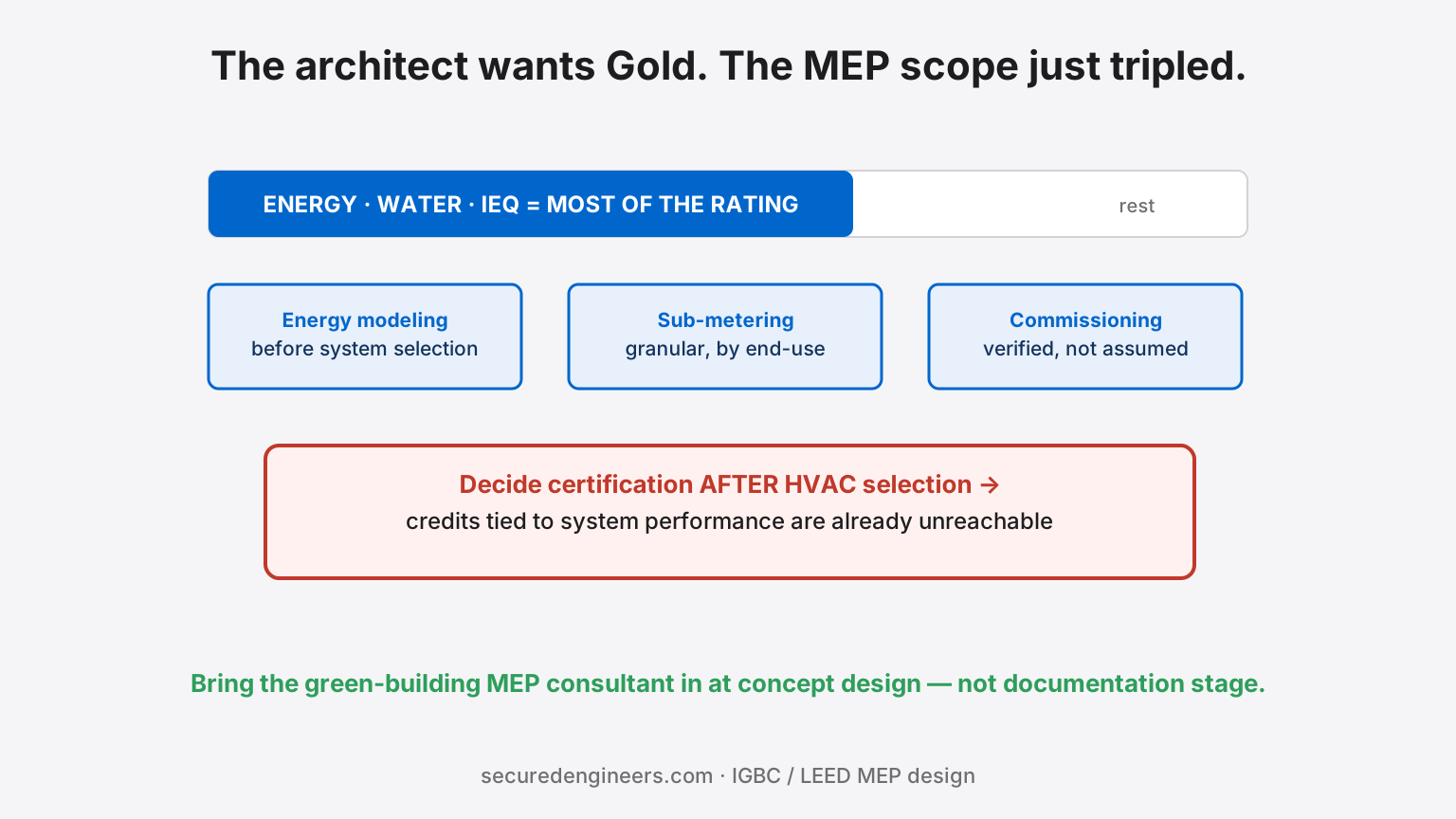
The Architect Wants Gold Certification. The MEP Scope Just Tripled.
Green building certification isn't a plaque you add at the end — it's a set of MEP design and commissioning requirements that reshape HVAC, metering, water and controls from day one. Commercial developers chasing IGBC or LEED without understanding the MEP implications routinely find out too late, when the credits they need are already impossible to achieve.
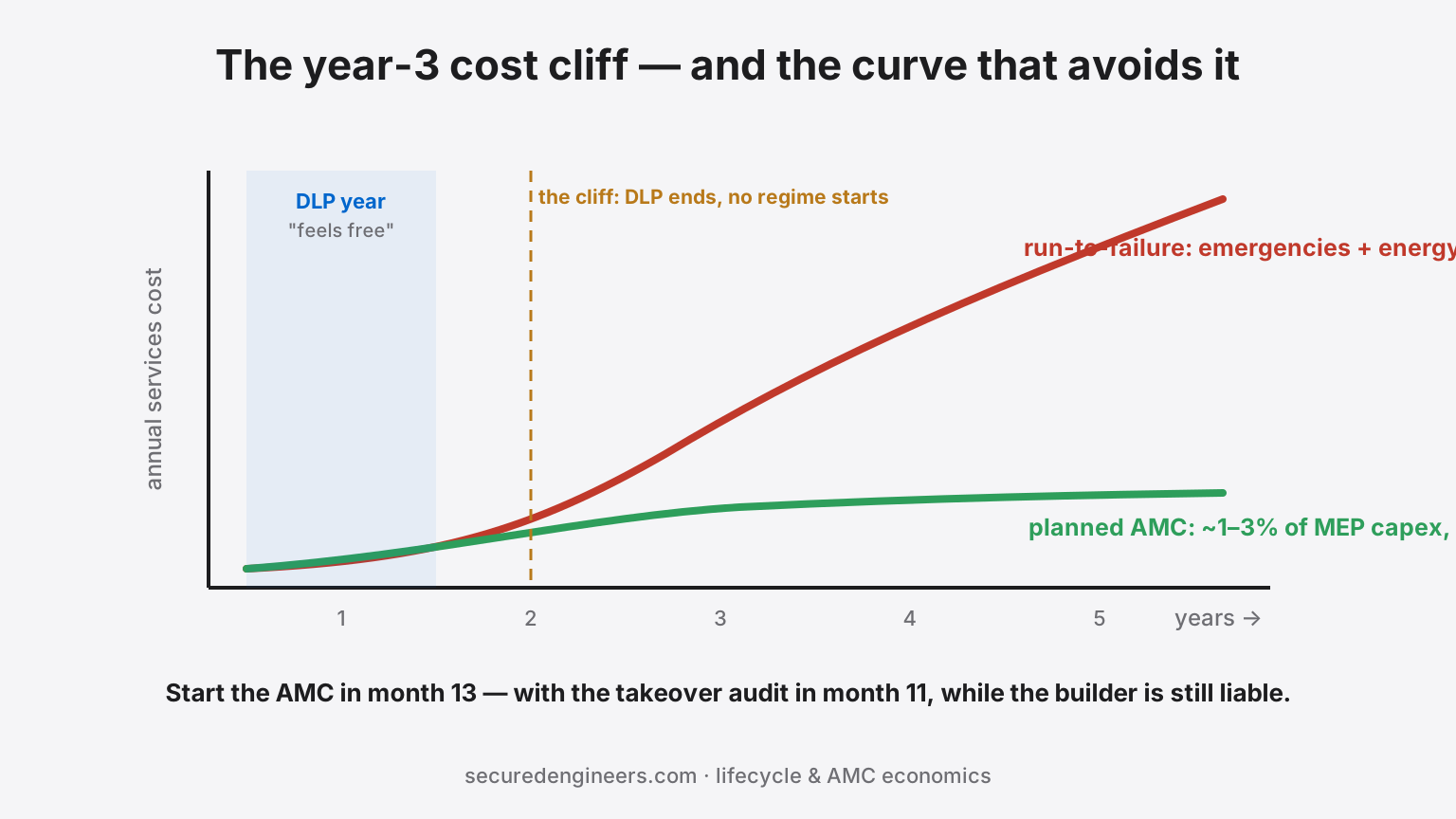
Year 1 Was Free. Year 2 Was Cheap. Year 3 Is Eating Your Budget. Here Is the Curve.
Every new building lives the same cost story: the defect-liability year feels free, year two runs on youth, and from year three the breakdowns, energy drift and emergency repairs compound — because maintenance was treated as a cost to minimise instead of an asset to manage. The lifecycle economics, honestly.
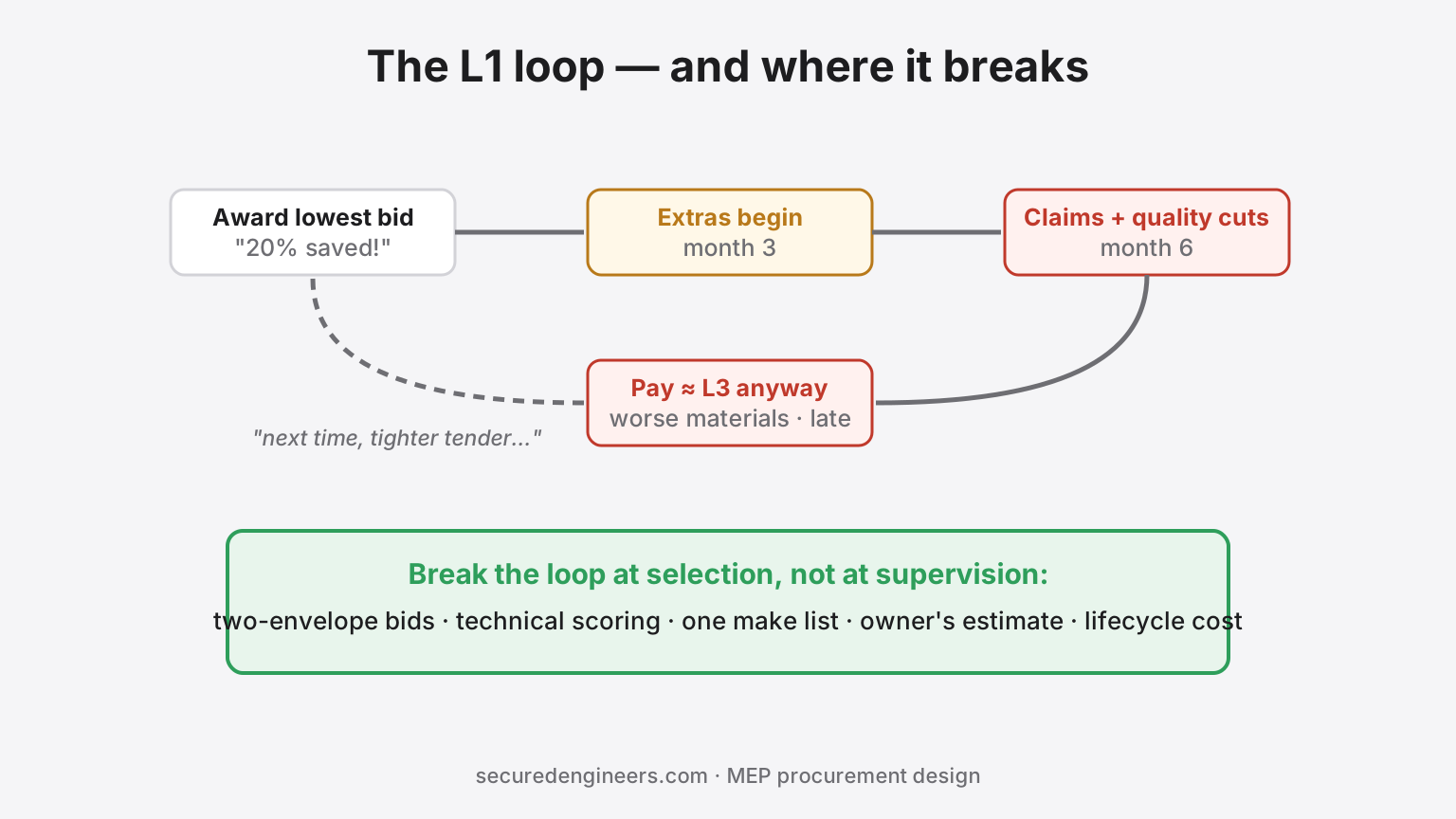
You Have Awarded L1 Five Times. It Has Backfired Five Times. The Problem Is the Method.
Every project, the same movie: award the lowest bid, watch quality sag, fight variation claims, finish late — then write a tighter tender and do it again. L1 is not bad luck; it is a procurement design that selects for exactly these outcomes. Here is how to fix the method, not the vendor.
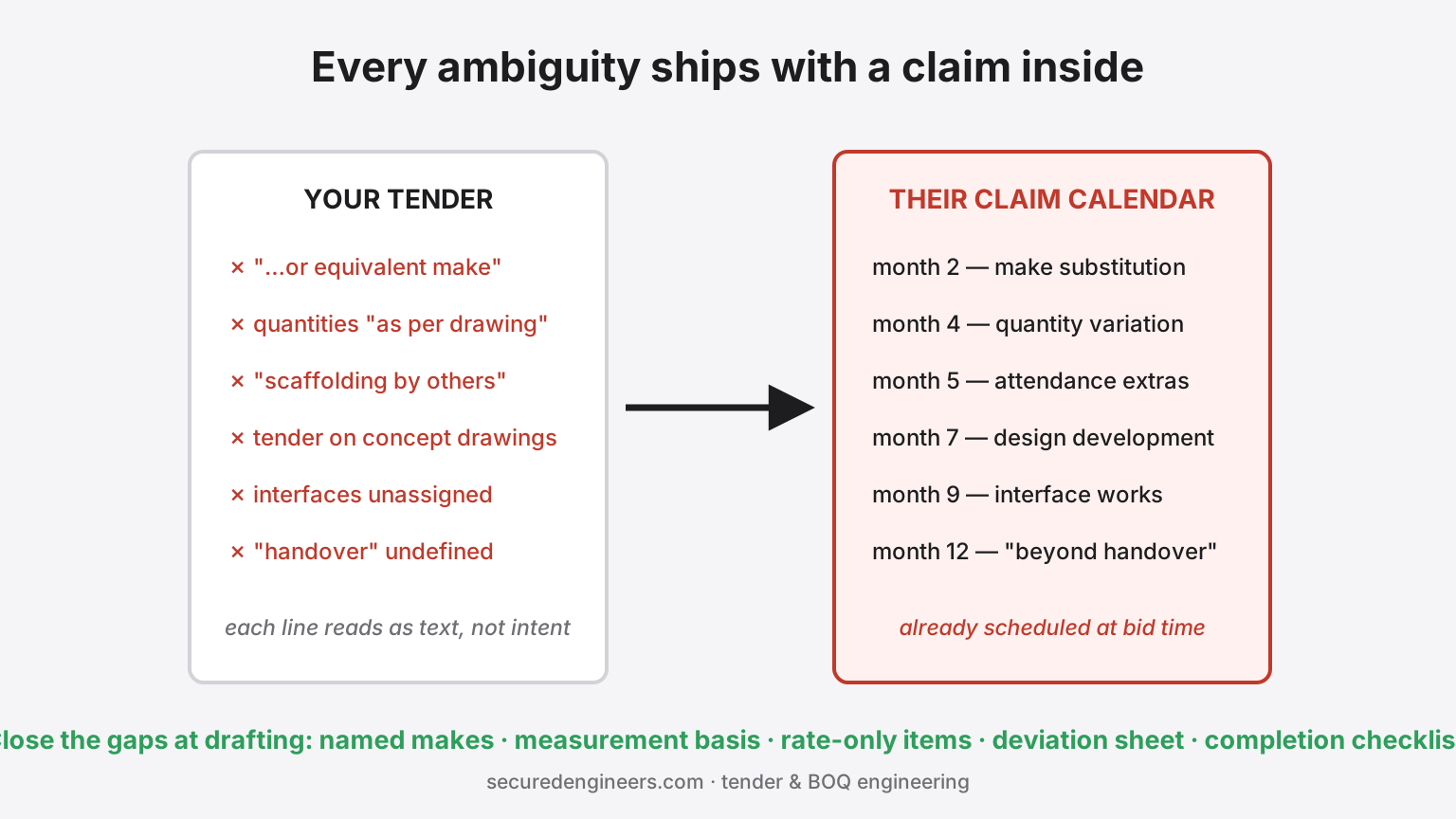
MEP tender BOQ checklist: close every ambiguity before it becomes a variation claim
A tender BOQ is the rulebook for every commercial argument on the project. Write the quantity basis, the specifications, the priced tests and the variation and acceptance rules into it while you hold the leverage — or meet each gap later as a claim.
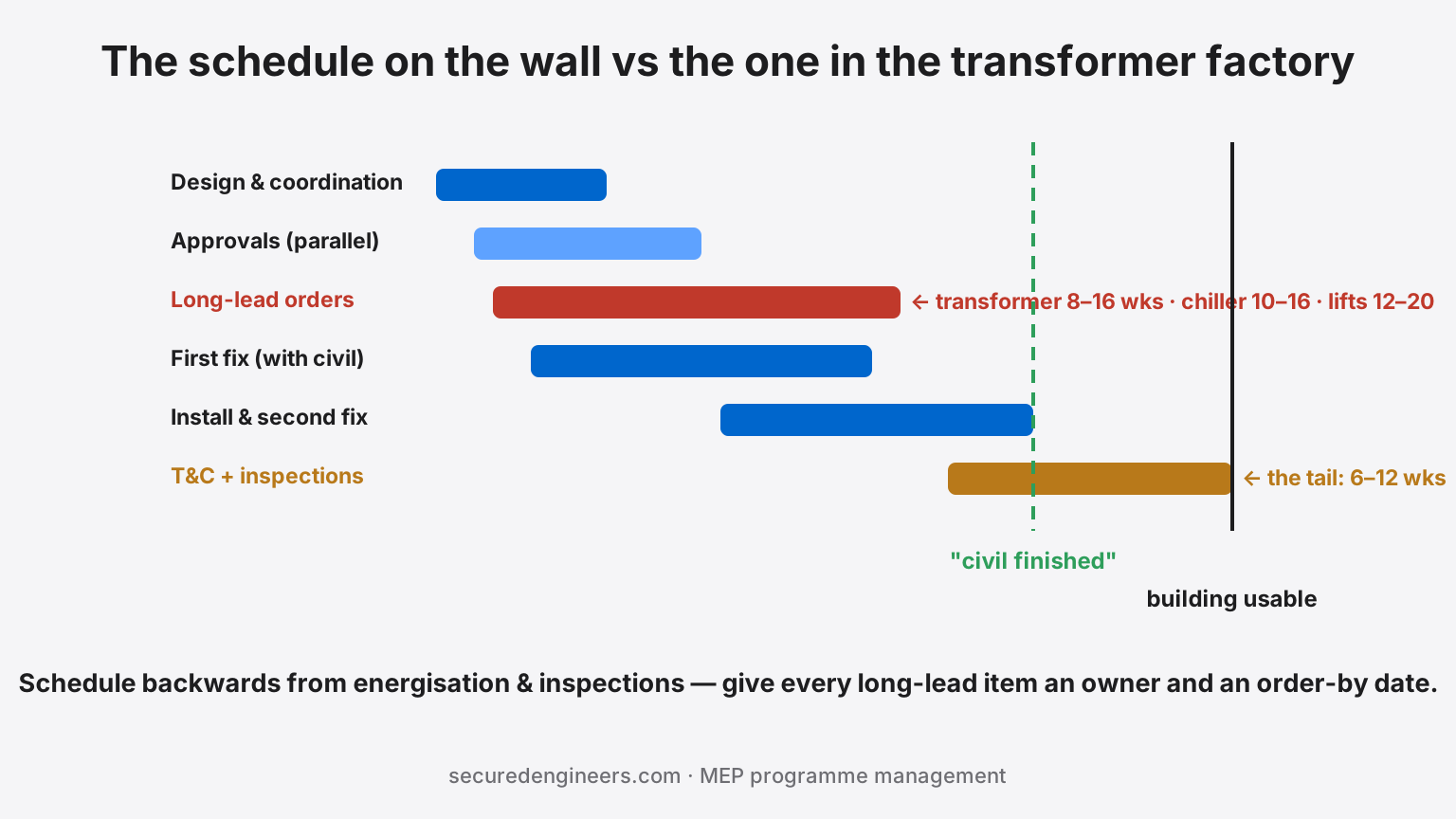
MEP project timeline from design to handover: the dependencies, long-lead orders and hold points that set the date
The civil programme says when the shell is ready; MEP decides when the building can be used. The design dependencies, approval and procurement constraints, installation sequence and testing and energisation hold points that set the real handover date — and how to put them on the programme.
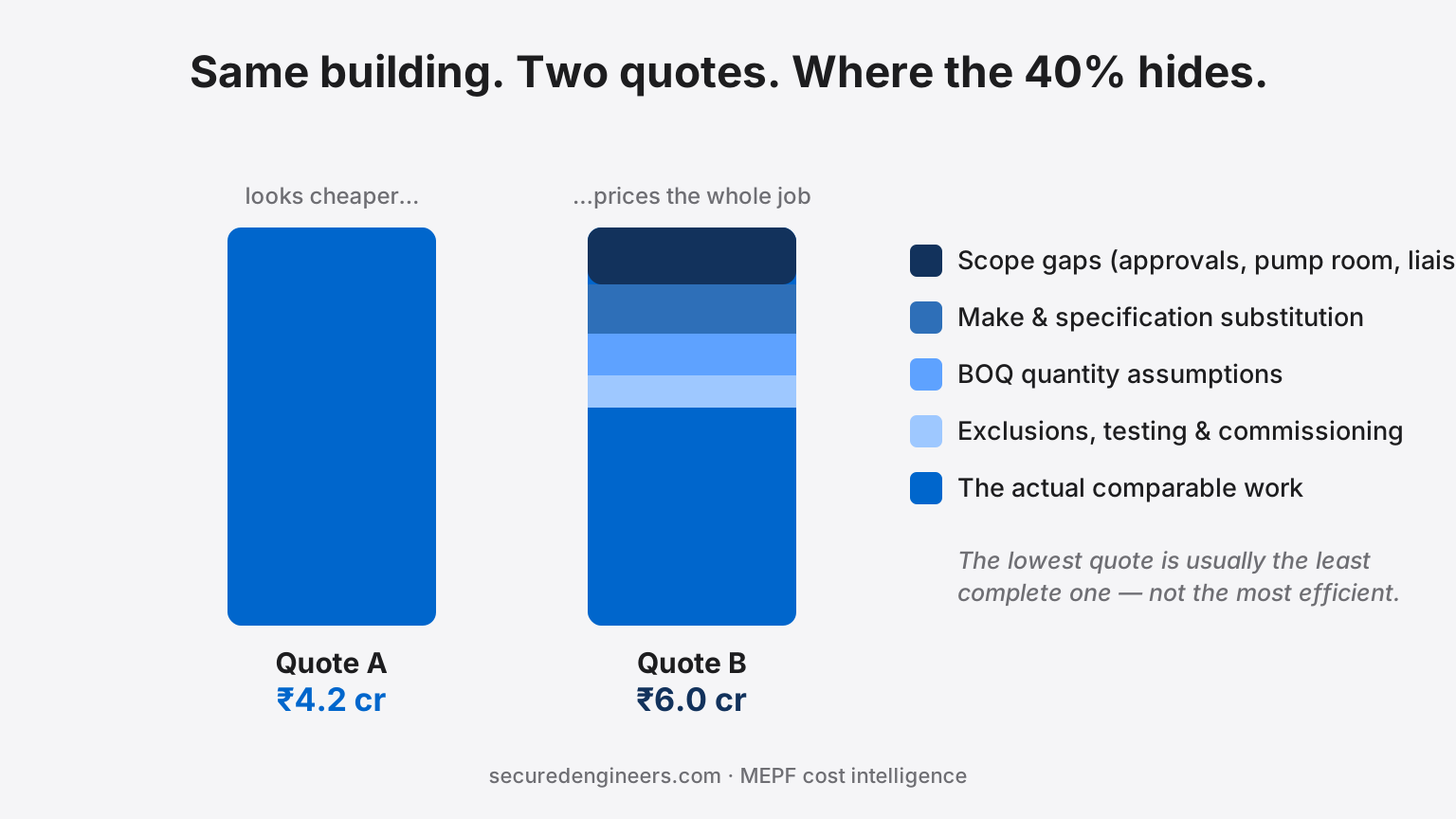
Two MEP Quotes. Same Building. 40% Apart. Which One Is Lying?
One contractor quotes ₹4.2 crore. Another quotes ₹6 crore for the same drawings. Neither number is random — they are answering different questions. How to read an MEP quote, what drives the spread, and the checklist that makes quotes comparable.
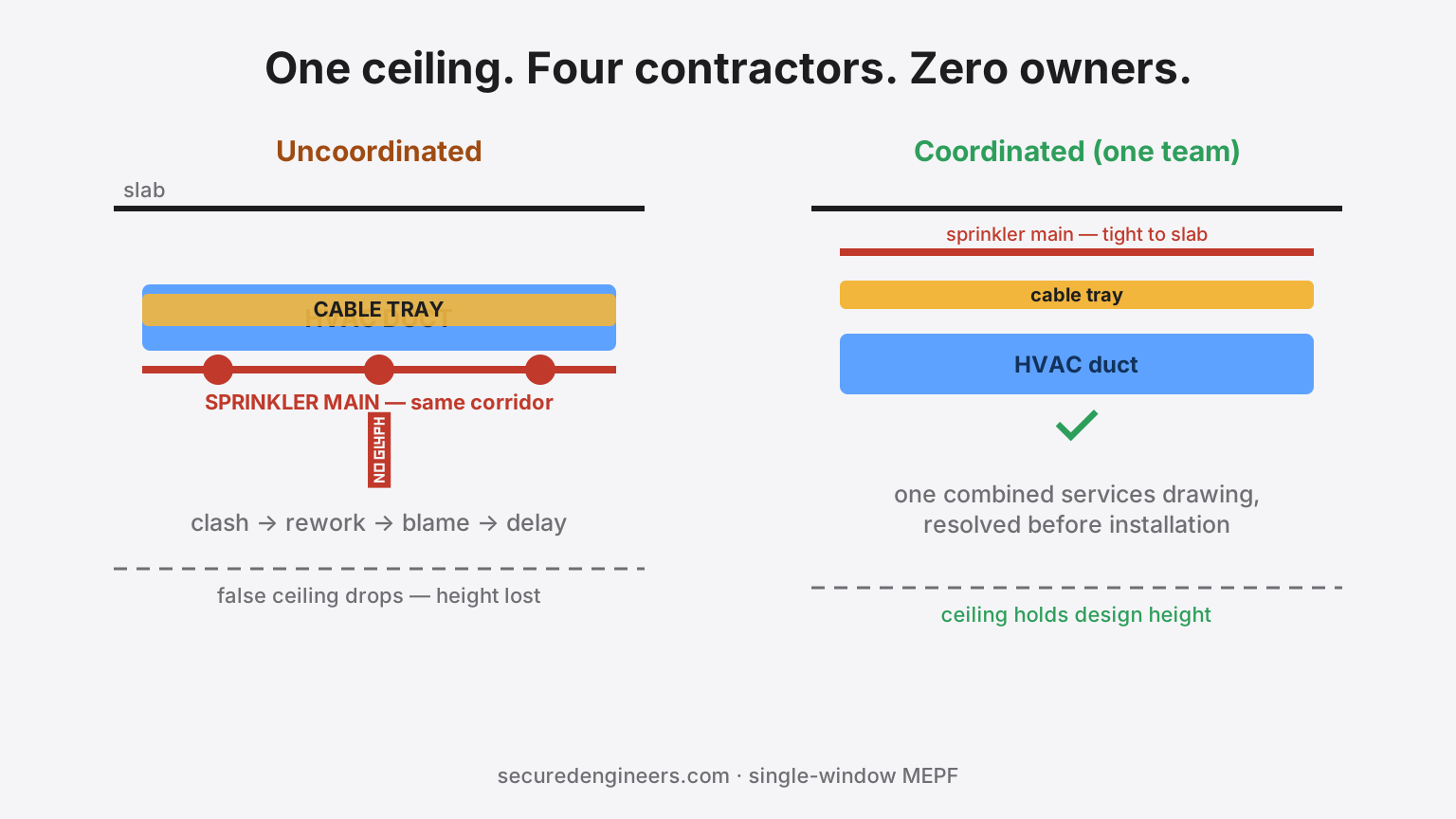
Five Contractors, One Ceiling: Why Your Duct, Cable Tray and Sprinkler All Want the Same Spot
The HVAC contractor blames the electrical contractor. The electrical contractor blames the fire contractor. Everyone blames the drawings. Why multi-contractor MEP projects clash — and what coordination actually costs when nobody owns the ceiling.
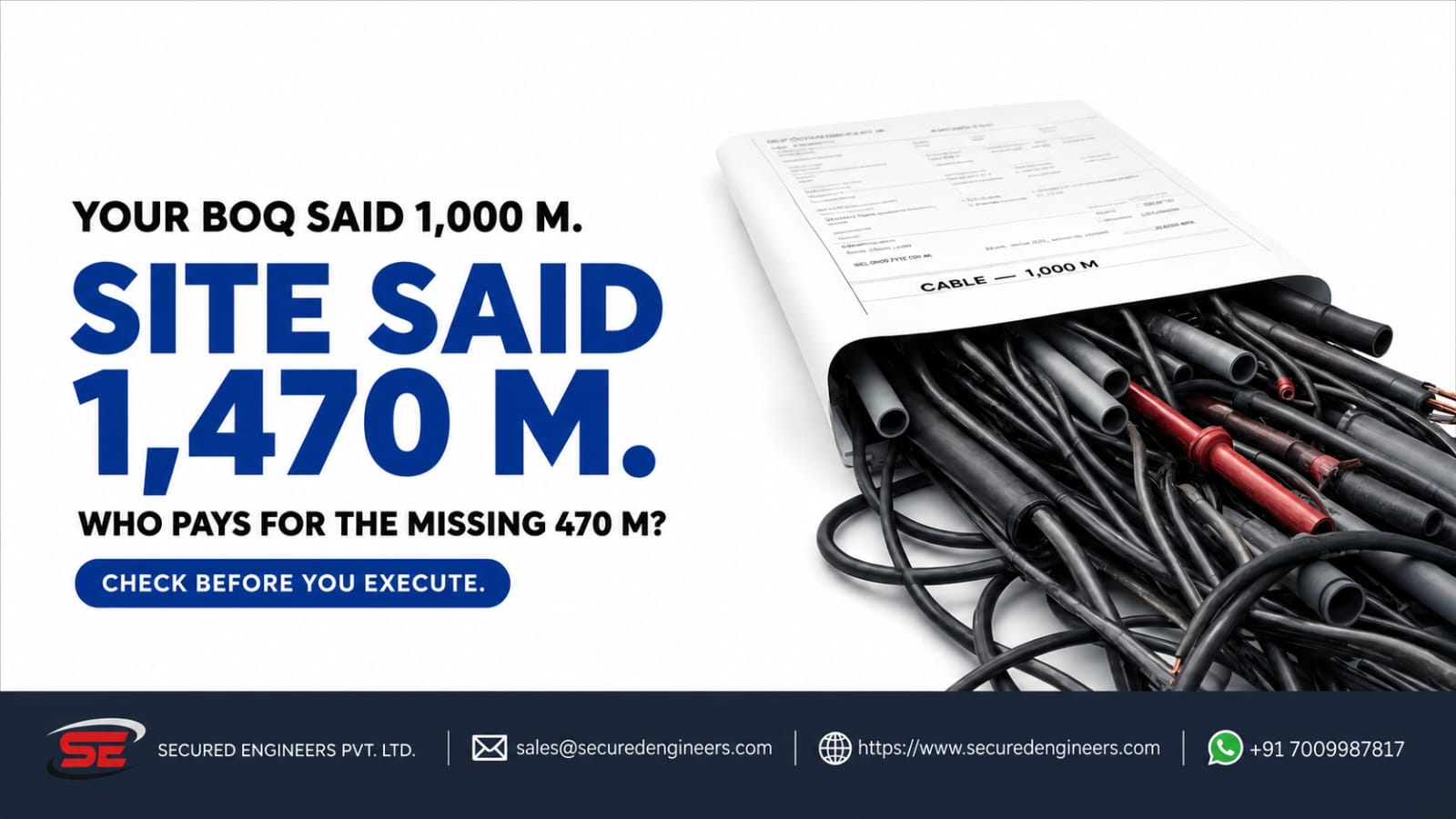
Your BOQ Said 1,000 M. Site Said 1,470 M. Who Pays for the Missing 470 M?
Your BOQ says 1,000 metres of cable. The coordinated site route needs 1,470. Who pays for the missing 470? Why BOQ quantity mismatches surface during execution — and how route-based validation catches them first.

Managing Multiple Contractors? Here's Why Your Project Keeps Falling Behind
Separate Electrical, HVAC, Plumbing and Fire Fighting contractors mean four schedules, four drawing sets and four points of failure — here's what that costs, and how one MEPF EPC partner fixes it.
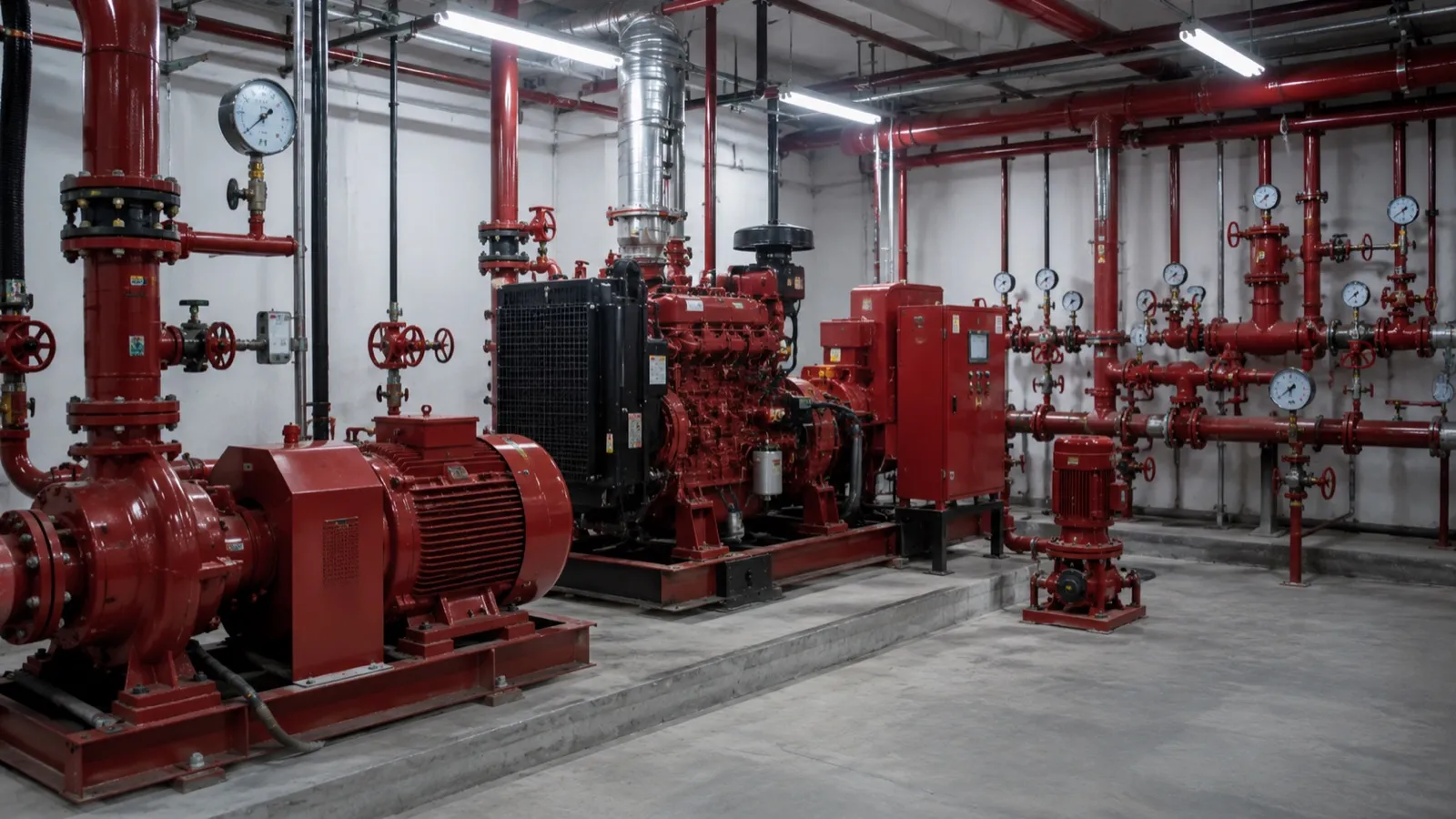
Choosing a Fire Protection & MEP Contractor for a Warehouse or Factory: The Checklist
Industrial buildings punish weak engineering. How to choose an MEP contractor for a factory or warehouse — with the fire-safety checklist owners most often miss.
What Does an MEP Contractor Do? (And Why Fire Protection Belongs In-House)
A plain-English guide to what an MEP contractor delivers — the mechanical, electrical, plumbing and fire scope — and why the smartest teams keep fire protection under one roof.
MEP vs MEPF: What Indian Developers Should Look For in an MEP Contractor
MEP or MEPF? What the terms mean, why 'MEP contractor' is the global standard, and why the 'F' — fire protection — is what separates a safe building from a risky one.

Why Projects Get Delayed: It Is Coordination, Not Concrete
Most construction delays do not come from civil work — they come from multiple contractors who do not coordinate. Here is how a single MEPF execution partner keeps projects on schedule.

The Future of MEP Engineering: 5 Technologies to Watch
From AI-powered BIM clash detection to digital twins and net-zero design, five innovations are changing how buildings are engineered, built and operated.
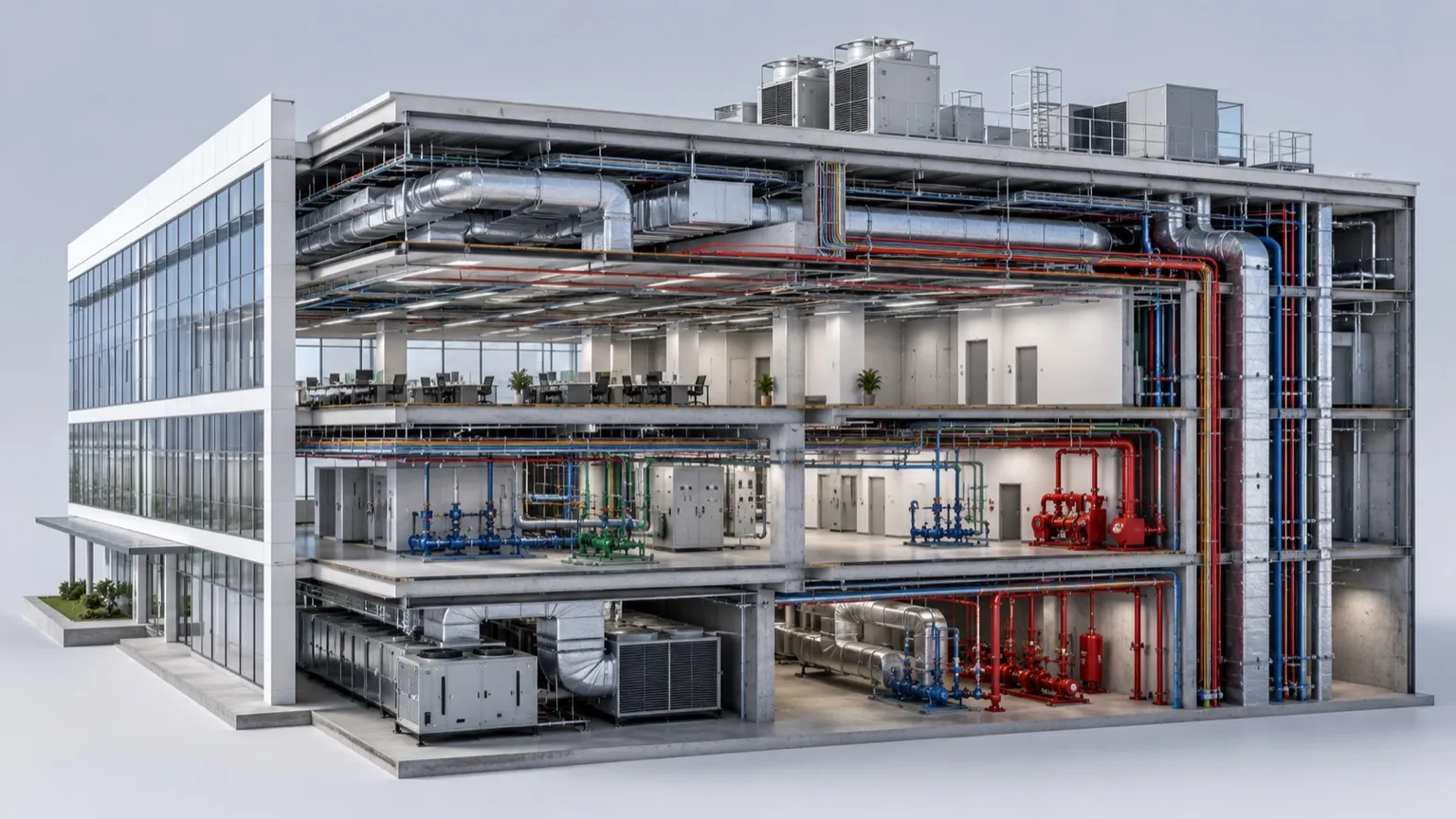
What is MEPF? The 'F' That Most Contractors Forget
MEPF stands for Mechanical, Electrical, Plumbing and Fire-fighting — the core systems that make a building work. Here's why integrating all four matters.
Ready to start your project?
Get a free consultation and quote. We design, prepare and file your approvals, and execute — you deal with one team.