
Engineering guides & industry insights
MEPF, solar and fire-safety guides — page 7
Archive page 7 of 9 — practical, no-jargon guides on MEPF, solar, fire safety and approvals.
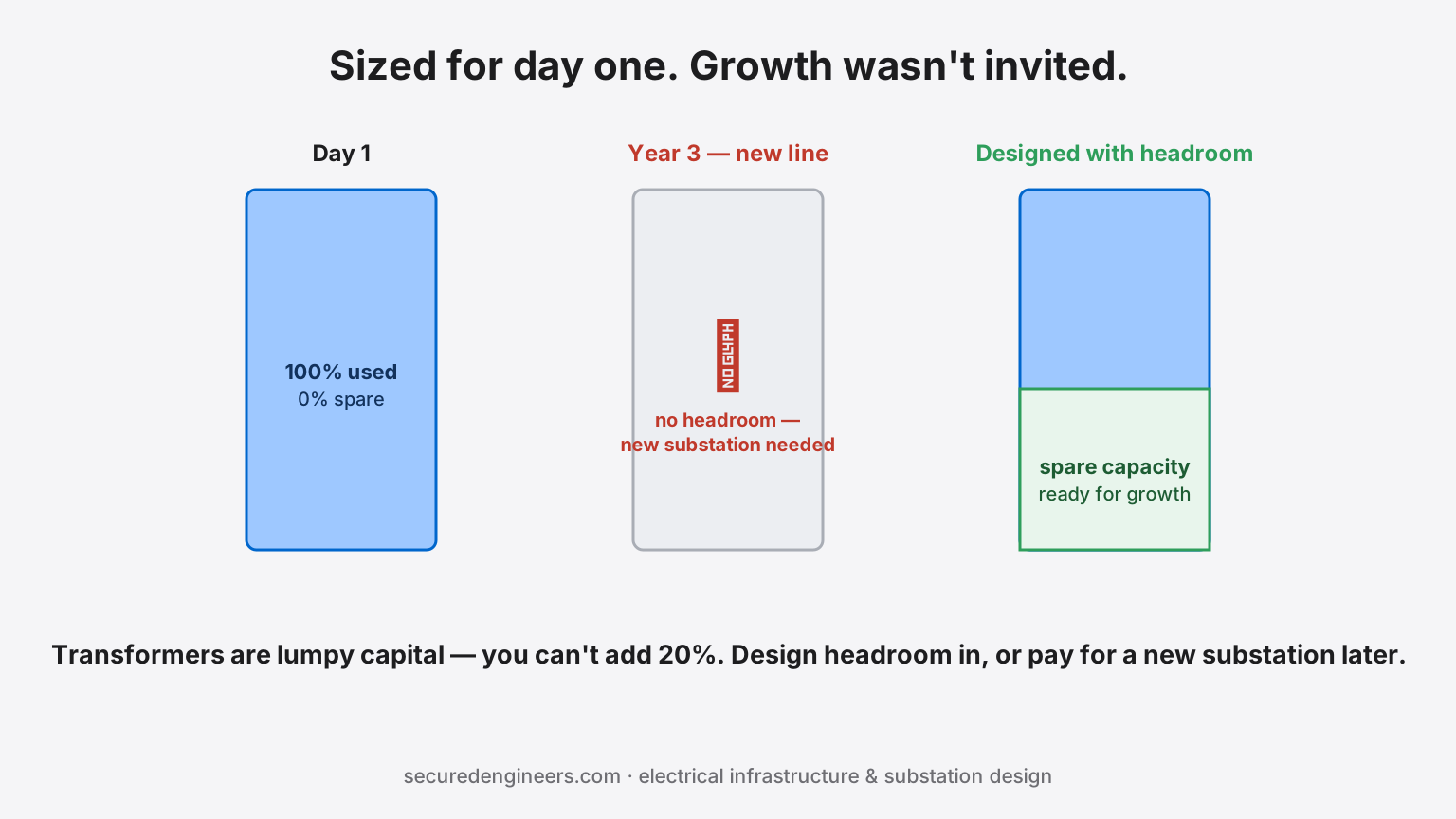
The Transformer Fit Day-One Load Perfectly. Then You Grew.
A transformer and substation sized precisely to opening-day load looks efficient on the cost sheet — until the first expansion, the first new production line, the first added shift, all discover there's no headroom left. Substation undersizing is one of the most expensive false economies in industrial electrical design, because the fix isn't a component swap, it's often a new substation.
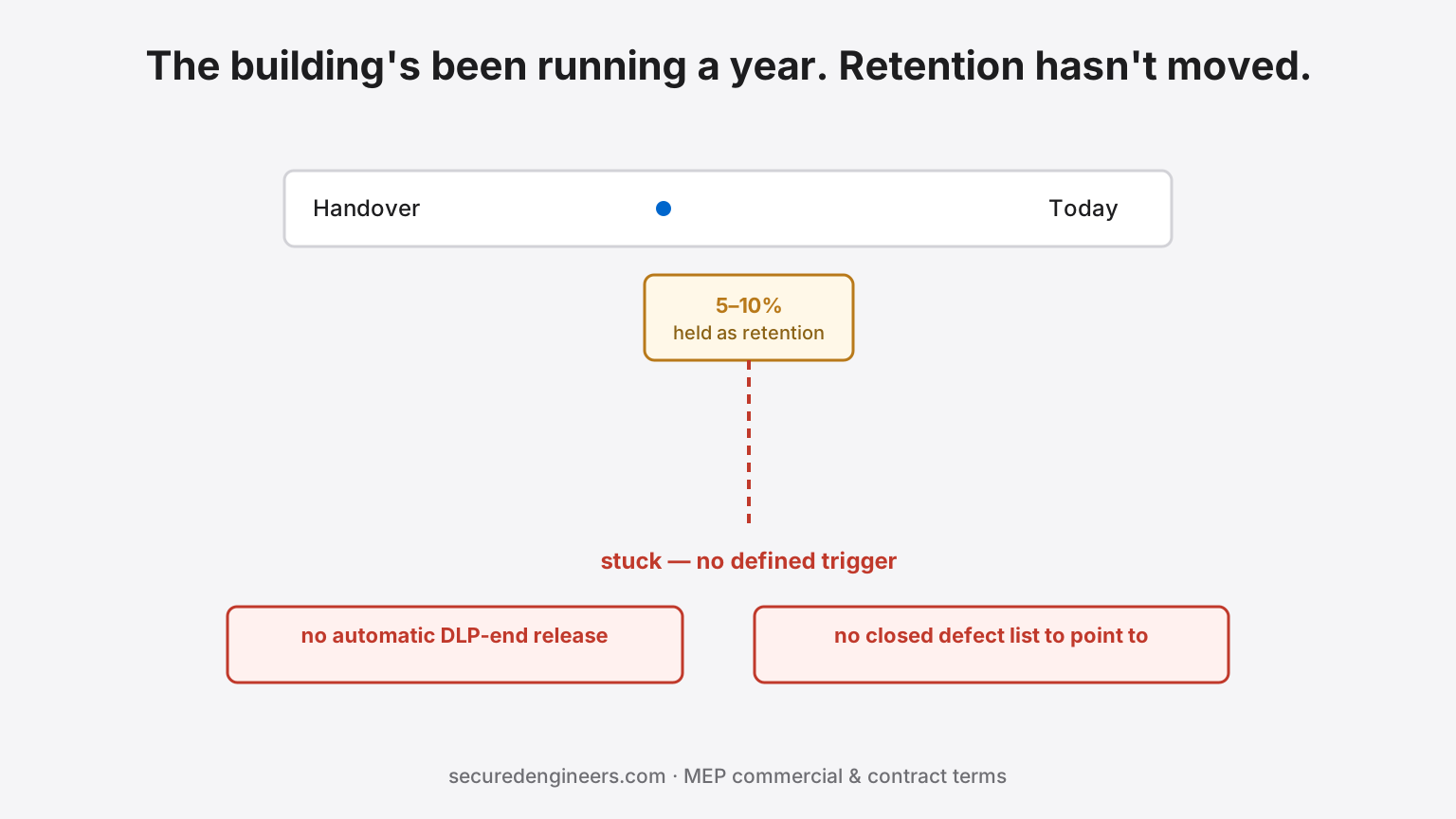
The Building Has Been Running for a Year. Your Retention Money Hasn't Moved.
Retention money exists to protect the owner against defects that surface after handover — a reasonable principle that somehow turns into an indefinitely stuck 5-10% of the contract value, with no clear trigger for release and no documented defect list to close against. Why retention disputes drag on, and the contract language that actually prevents them.
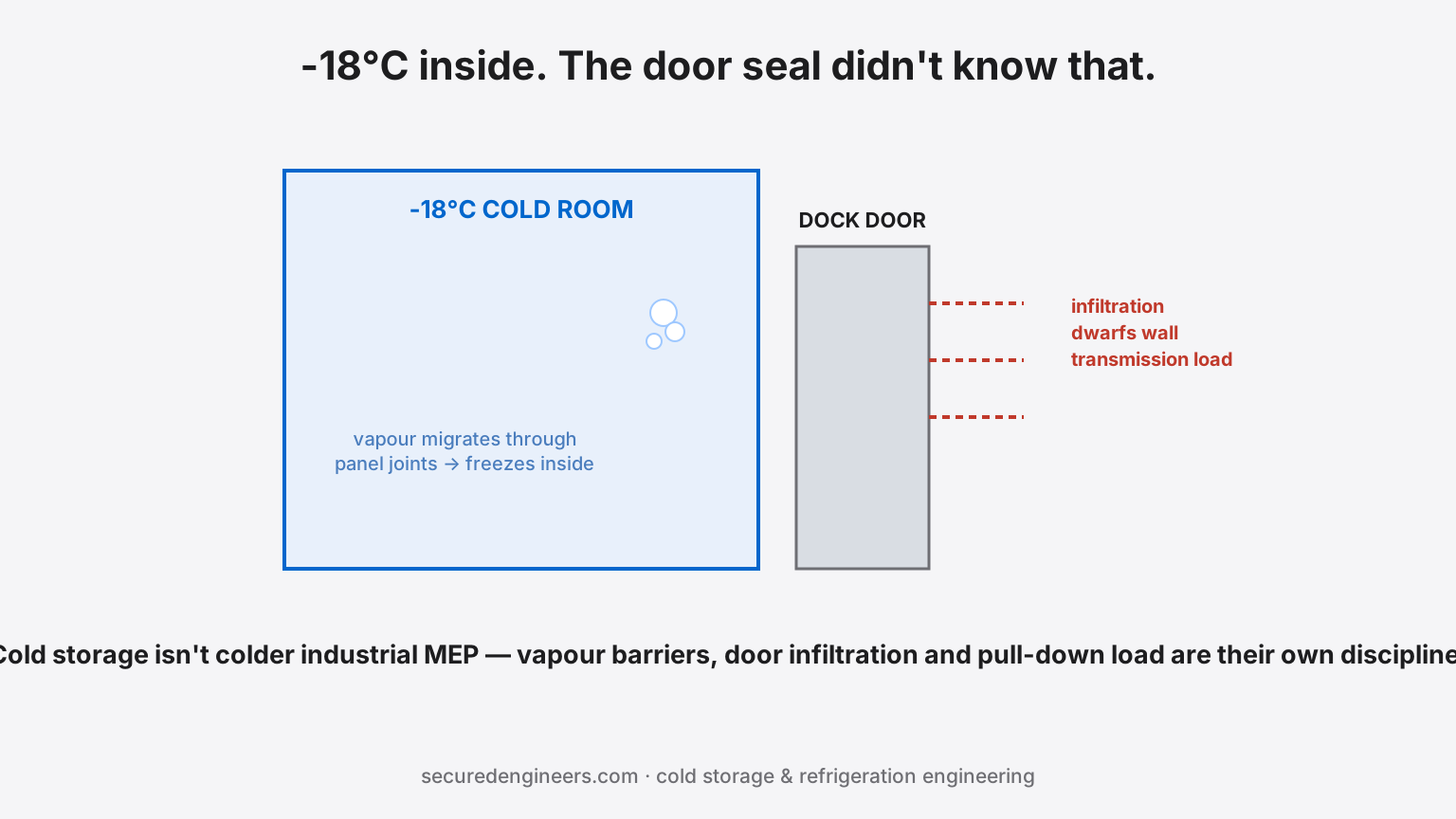
The Cold Room Held -18°C. The Door Seal Didn't Know That.
Cold storage and refrigerated warehousing fail in ways general industrial MEP design doesn't anticipate — vapour barrier gaps that let moisture migrate into insulation, door and dock seals that leak more cold air than the refrigeration system can replace, defrost cycles that were never coordinated with product load. What makes cold-chain MEP a distinct discipline, not a colder version of standard industrial design.
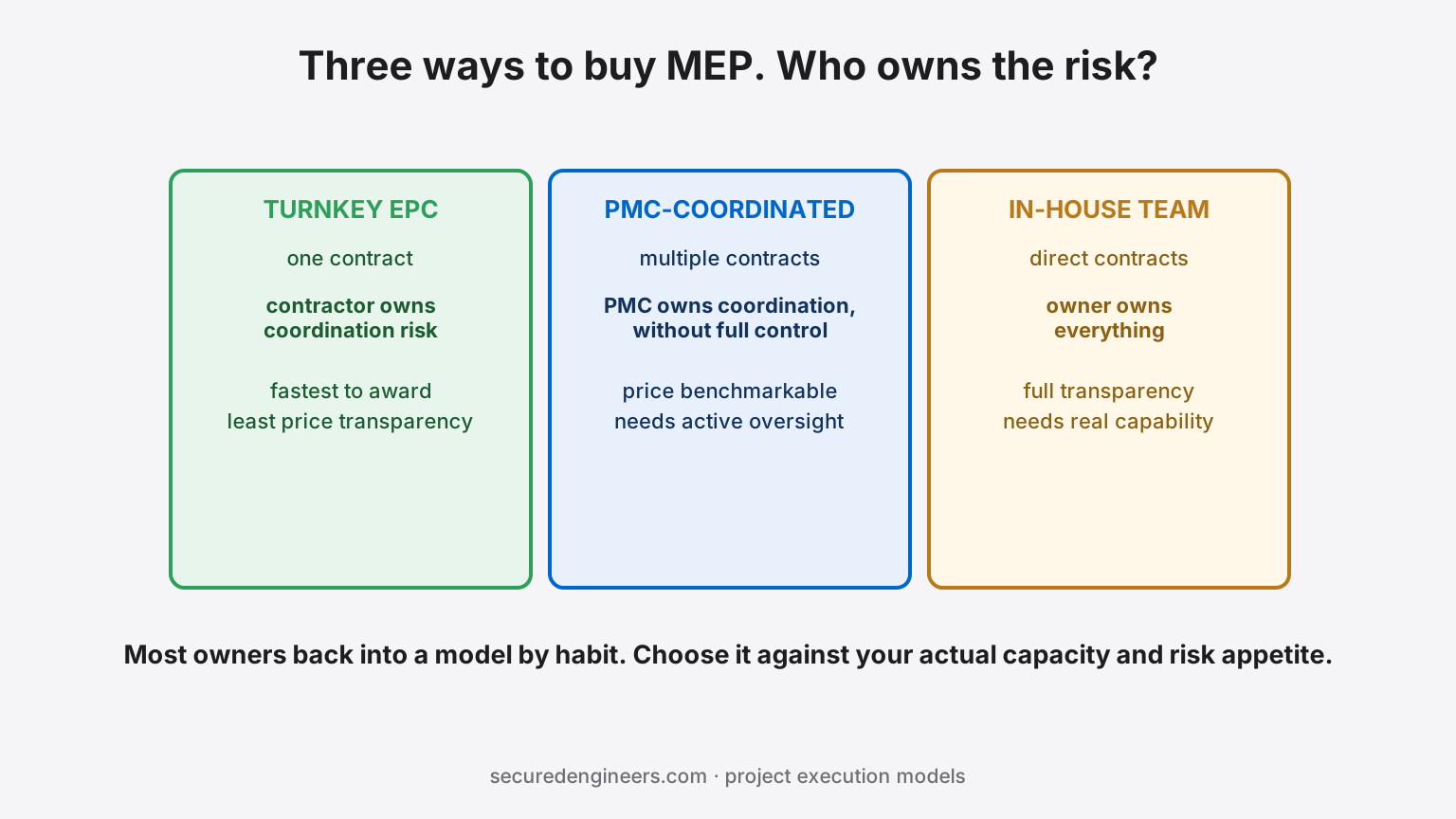
You Need MEP Done. Nobody Told You There Are Three Completely Different Ways to Buy It.
Turnkey EPC, a PMC coordinating separate contractors, or an in-house engineering team running the project directly — three fundamentally different risk and control structures, often chosen by default rather than deliberately. Each one changes who owns coordination risk, who owns cost overruns, and who you call when something goes wrong. The decision framework that actually fits your project.
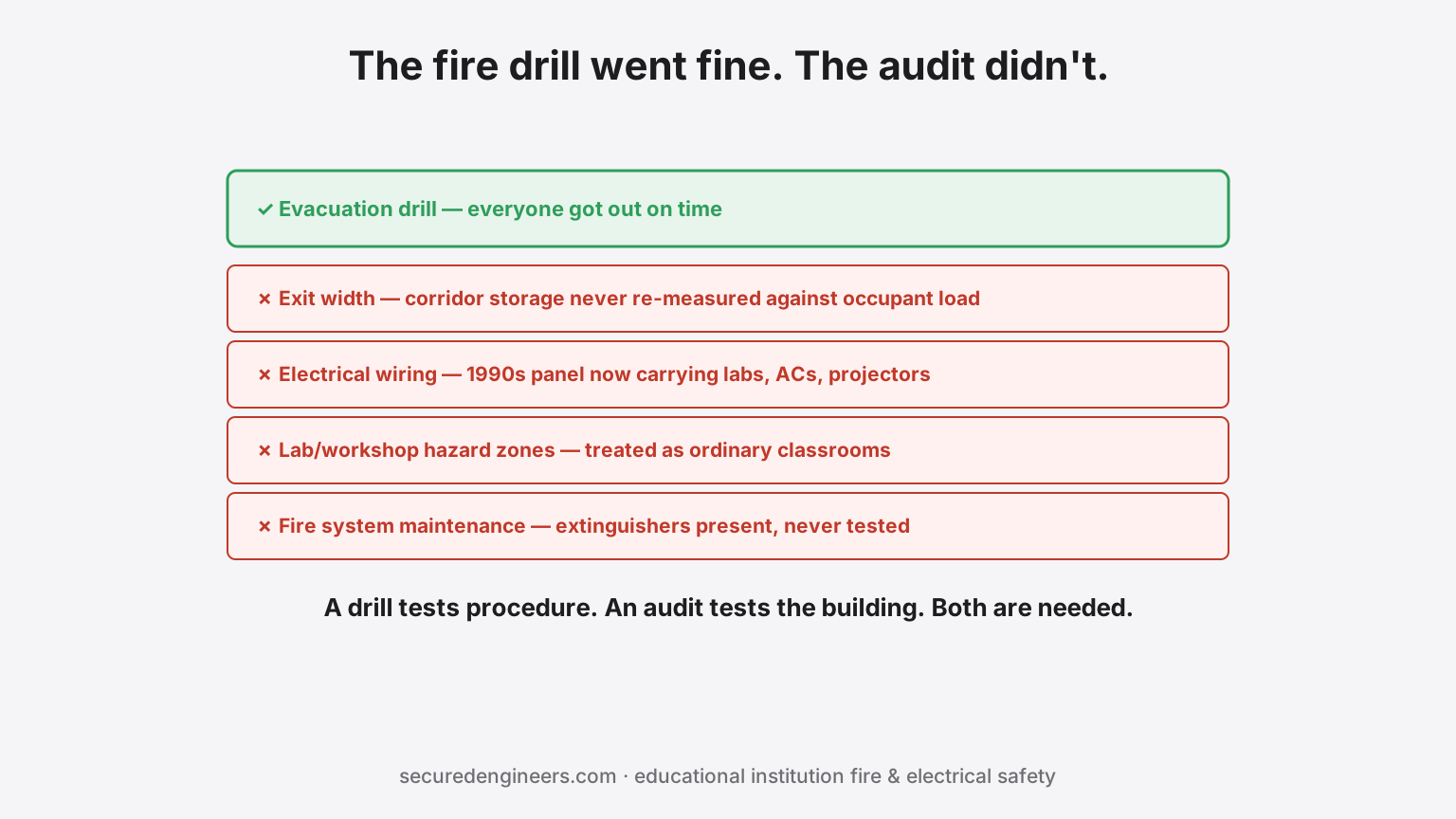
The Fire Drill Went Fine. The Fire Audit Didn't.
Schools and colleges run fire drills religiously and still fail formal fire-safety audits — because a drill tests whether people can evacuate, not whether the electrical wiring, exit widths, and fire systems actually meet code. The five recurring findings in institutional fire and electrical audits, and why 'we do drills' isn't the same as 'we're compliant.'
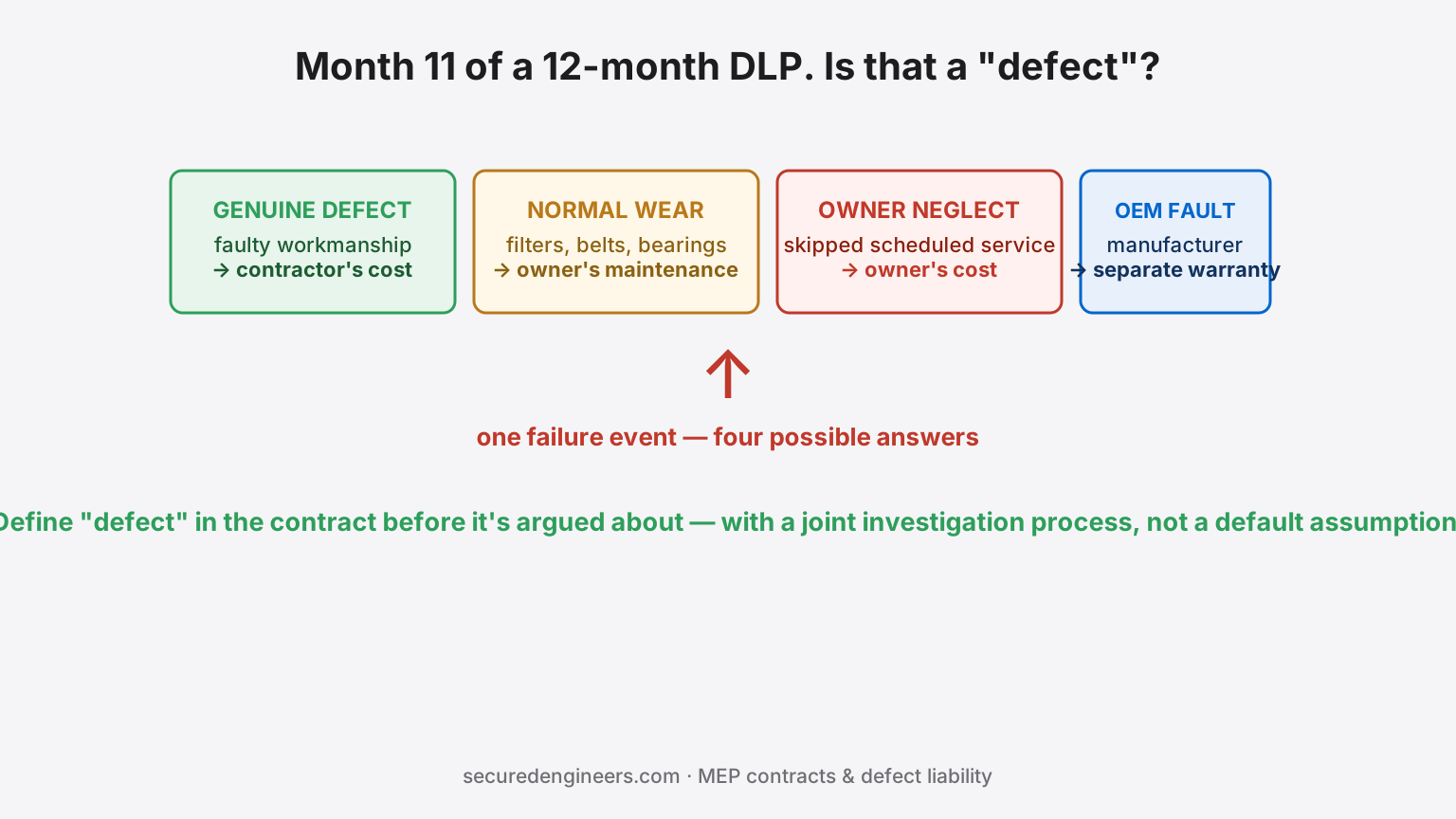
The AC Failed in Month 11 of a 12-Month DLP. Is That a Defect, or Just... Life?
The defect liability period sounds simple: the contractor fixes anything that goes wrong for 12 months after handover. In practice, 'goes wrong' is exactly where owner and contractor start disagreeing — is a filter clog a defect or routine maintenance the owner skipped? Is a compressor failure a manufacturing fault or normal wear? The DLP works only when 'defect' is defined before it's argued about.
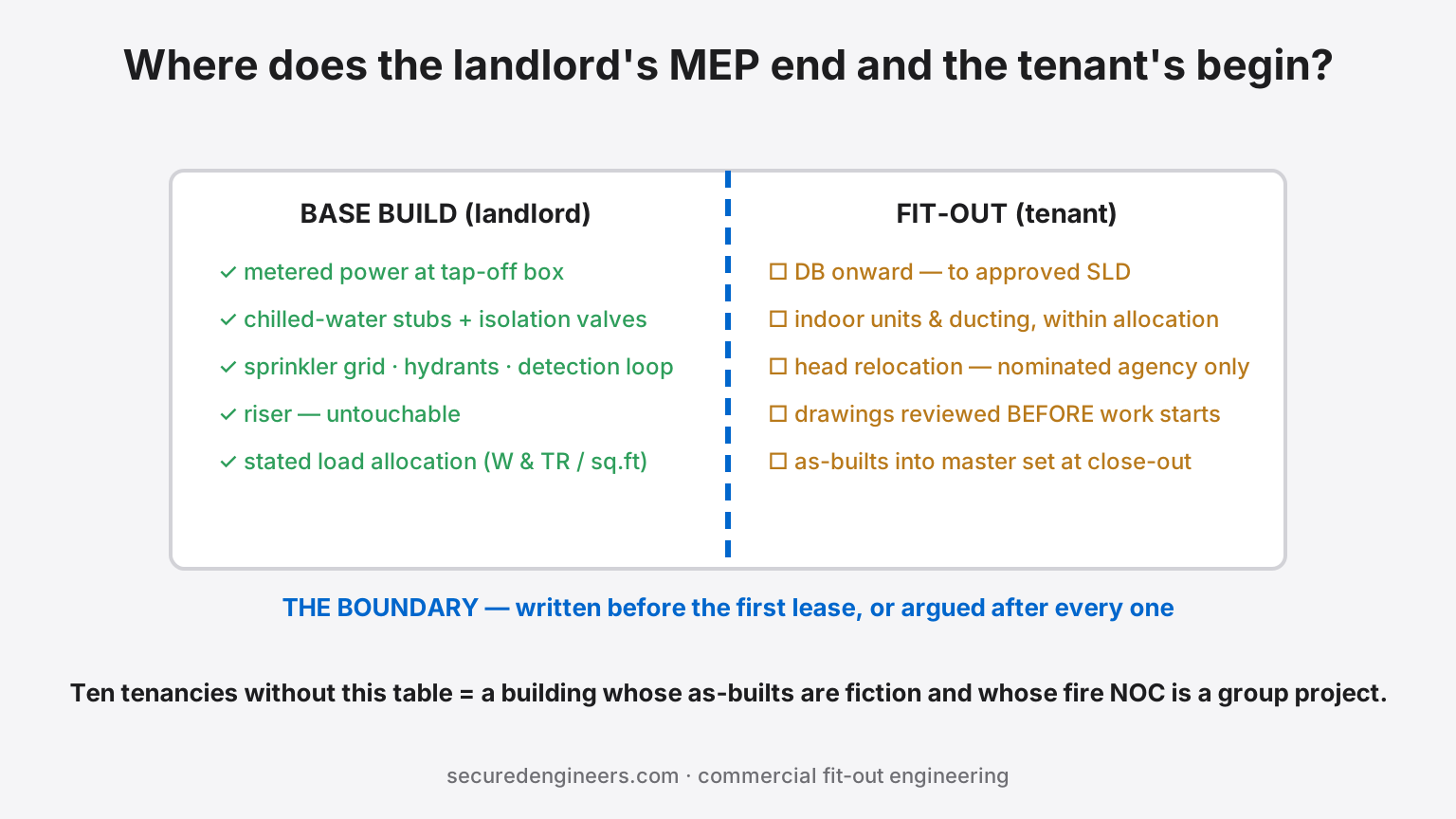
Every Tenant Asks the Same Question: Where Does Your MEP End and Mine Begin?
Ten tenants, ten fit-out contractors, one landlord — and no document saying who provides the chilled water tap-off, who modifies the sprinklers, and whose electrician touches the riser. Why the base-build/fit-out boundary is the most profitable page a commercial developer will ever write.
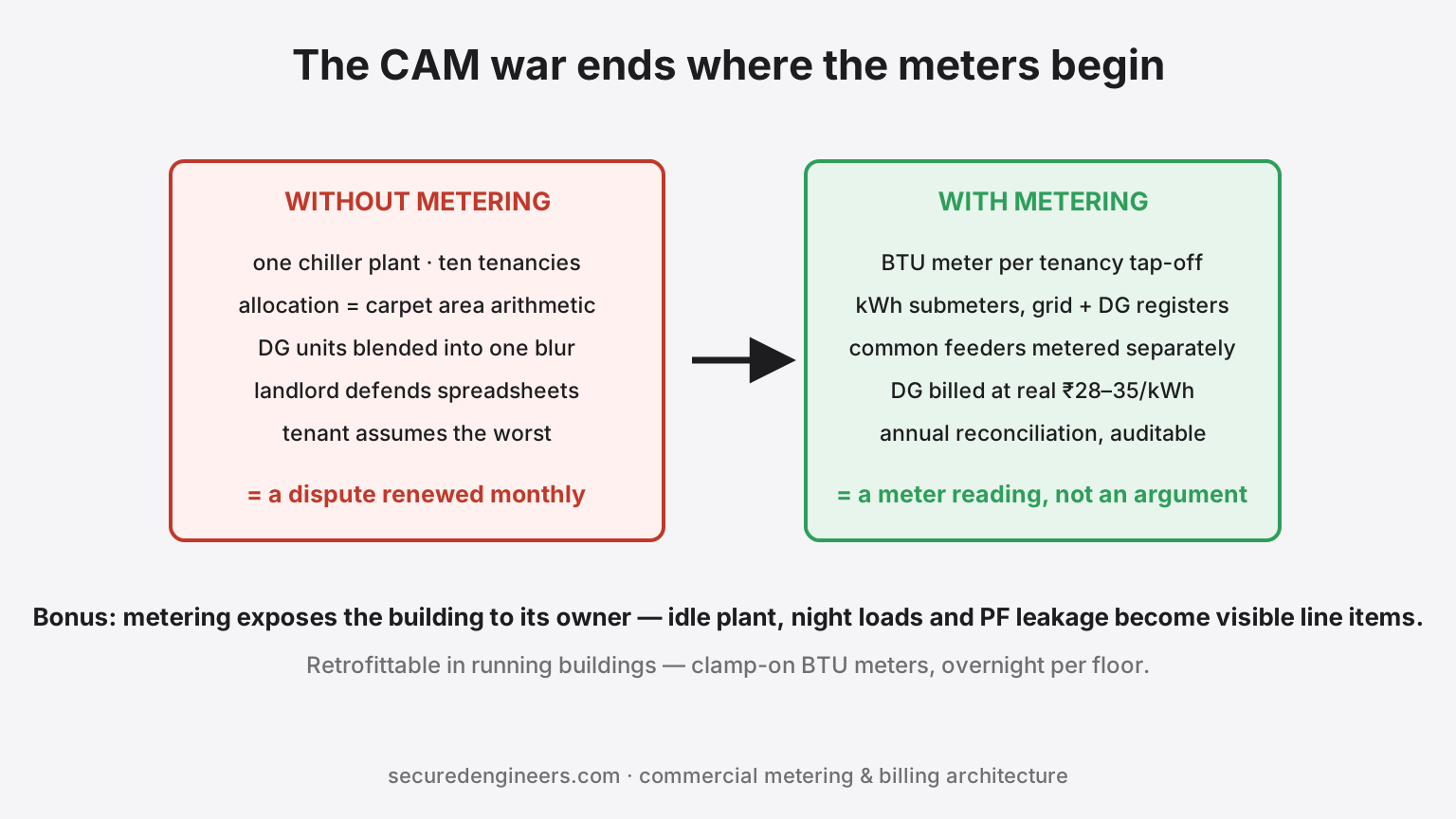
Your Tenants Think CAM Is a Scam. Your Meters Can't Prove Otherwise.
Every commercial landlord fights the same war: tenants dispute CAM bills they cannot verify, the landlord allocates costs they cannot measure, and the chiller plant burns money nobody owns. The fix is not better arguments — it is metering architecture designed on day one.
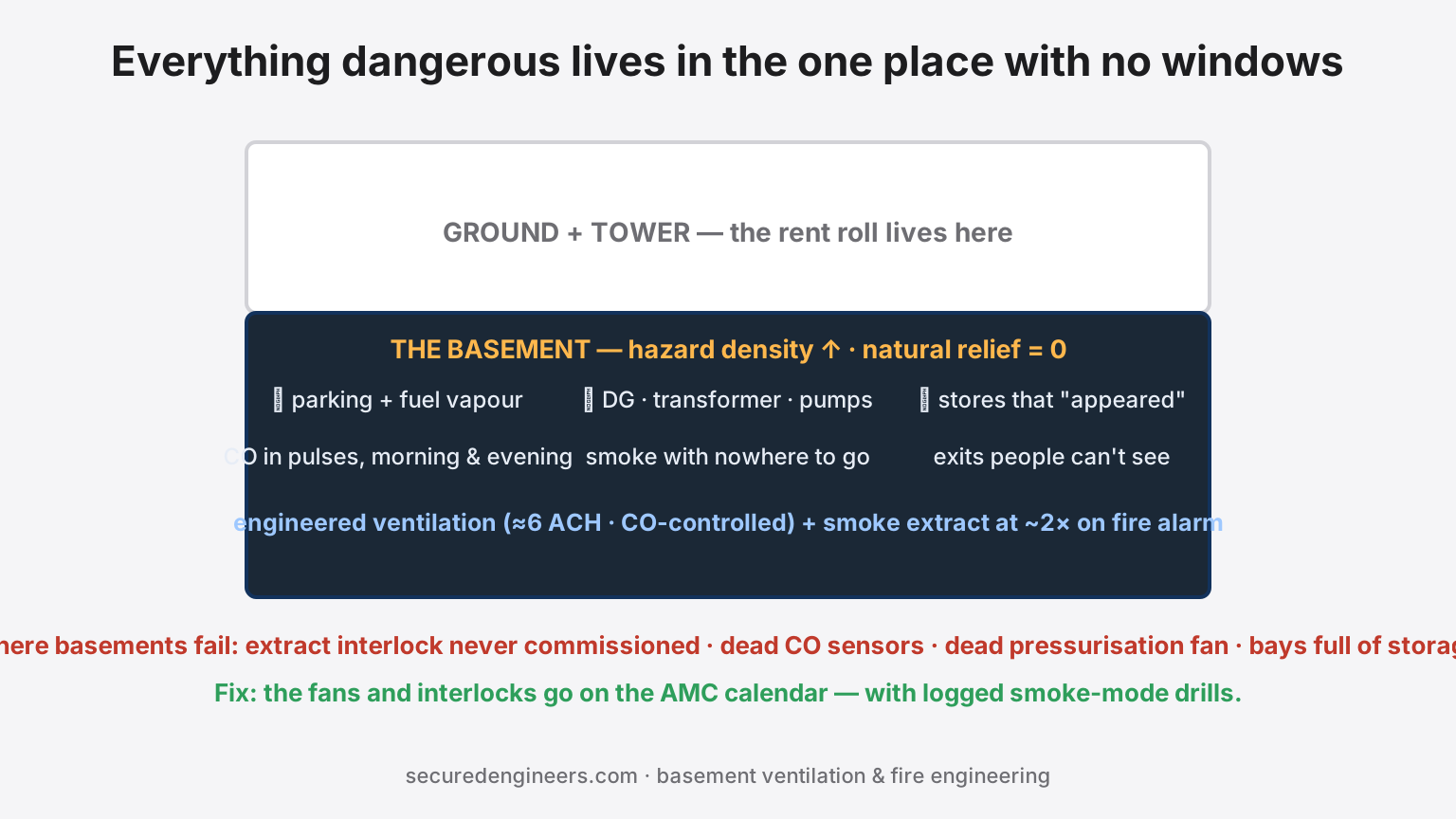
Everything Dangerous in Your Building Lives in the One Place With No Windows.
Cars, DG sets, transformers, pumps, stores — commercial buildings push everything heavy into the basement, then ventilate it with hope. Why basement parking needs engineered ventilation and CO monitoring, why smoke extract is the difference between an incident and a tragedy, and where basements fail fire inspections.
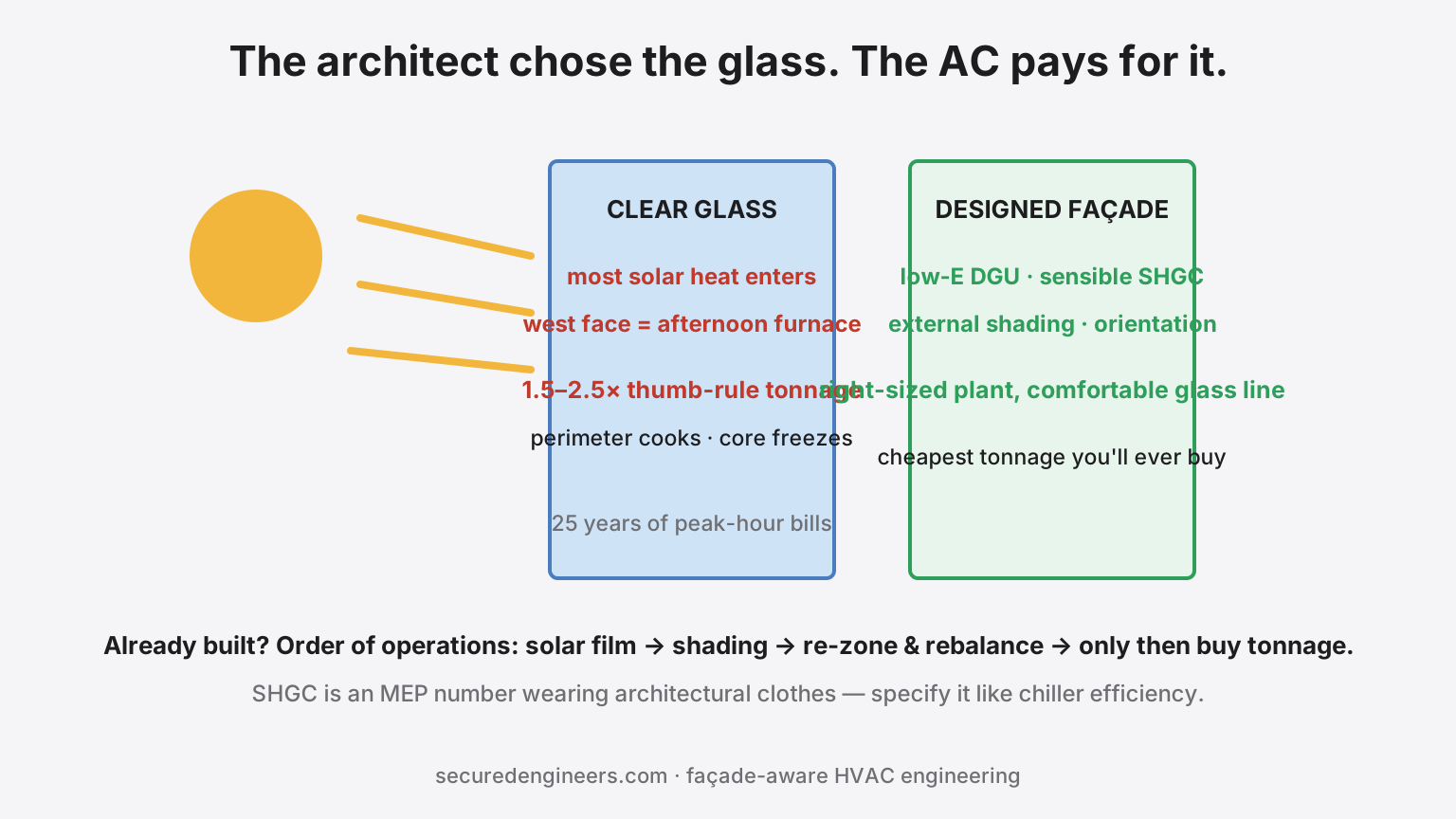
Your Architect Chose the Glass. Your Electricity Bill Is Paying for It.
The showroom looks stunning and never gets cold enough. The west-facing offices cook every afternoon. The AC plant was sized by thumb rule for a building whose façade admits a small furnace of solar heat every clear day. How glazing decisions drive HVAC destiny — and what to do at design, and after.
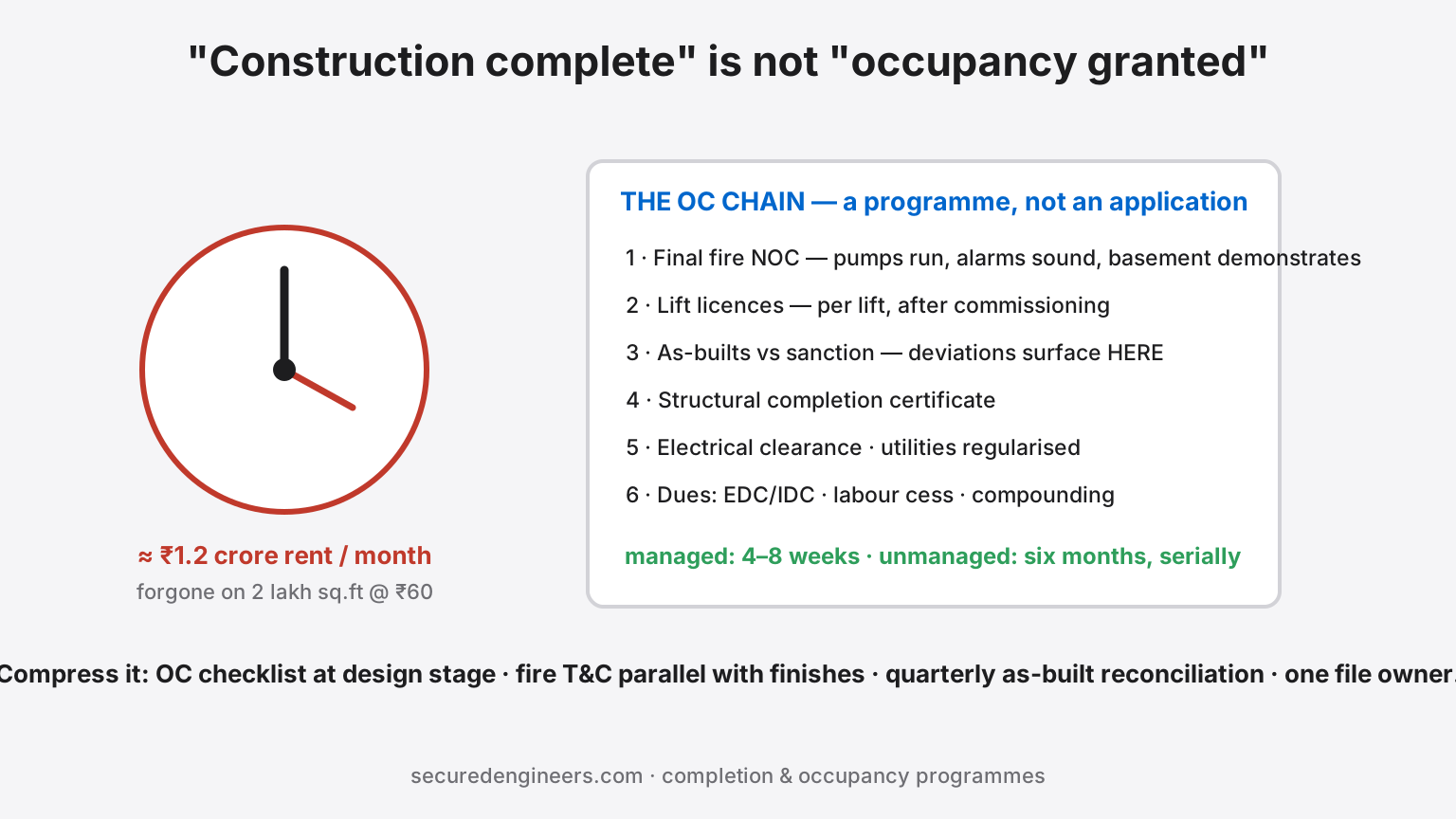
Fit-Outs Booked, Leases Signed, Rent Clock Running — and No Occupancy Certificate.
Commercial possession dates die quietly, in the gap between 'construction complete' and 'occupancy certificate granted' — a gap made of fire inspections, lift licences, completion drawings and departmental queues. What the OC chain actually contains, why it slips, and how developers compress it.
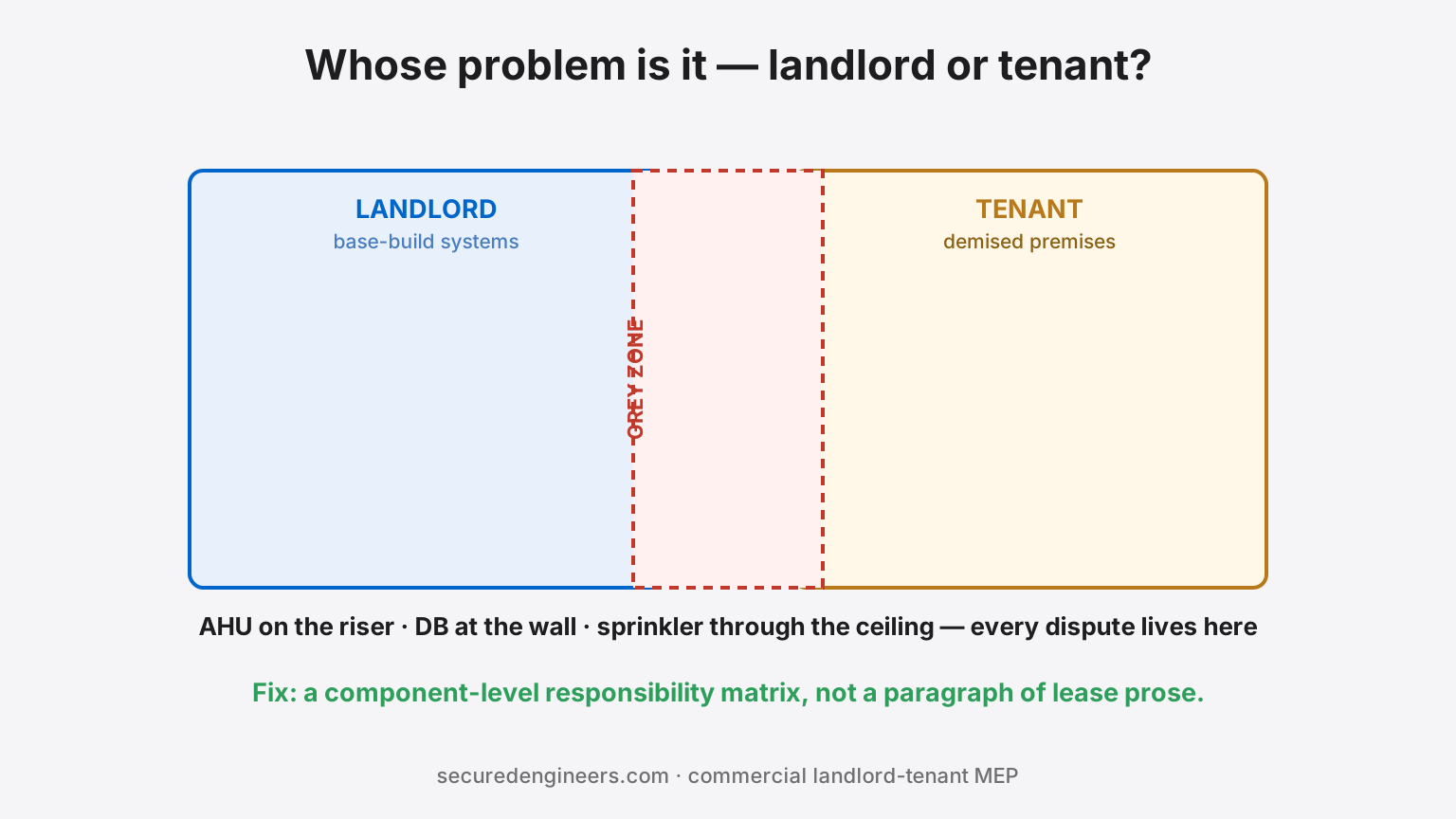
The Chiller Broke at 11 PM. The Lease Didn't Say Whose Problem It Was.
A tripped AHU, a dead riser pump, a flickering DB — and the landlord's ops team and the tenant's facility manager are both certain it's the other party's responsibility. Most disputes trace back to one missing document: a clause-by-clause MEP responsibility matrix. Here's how to build one before the next 11 PM call.
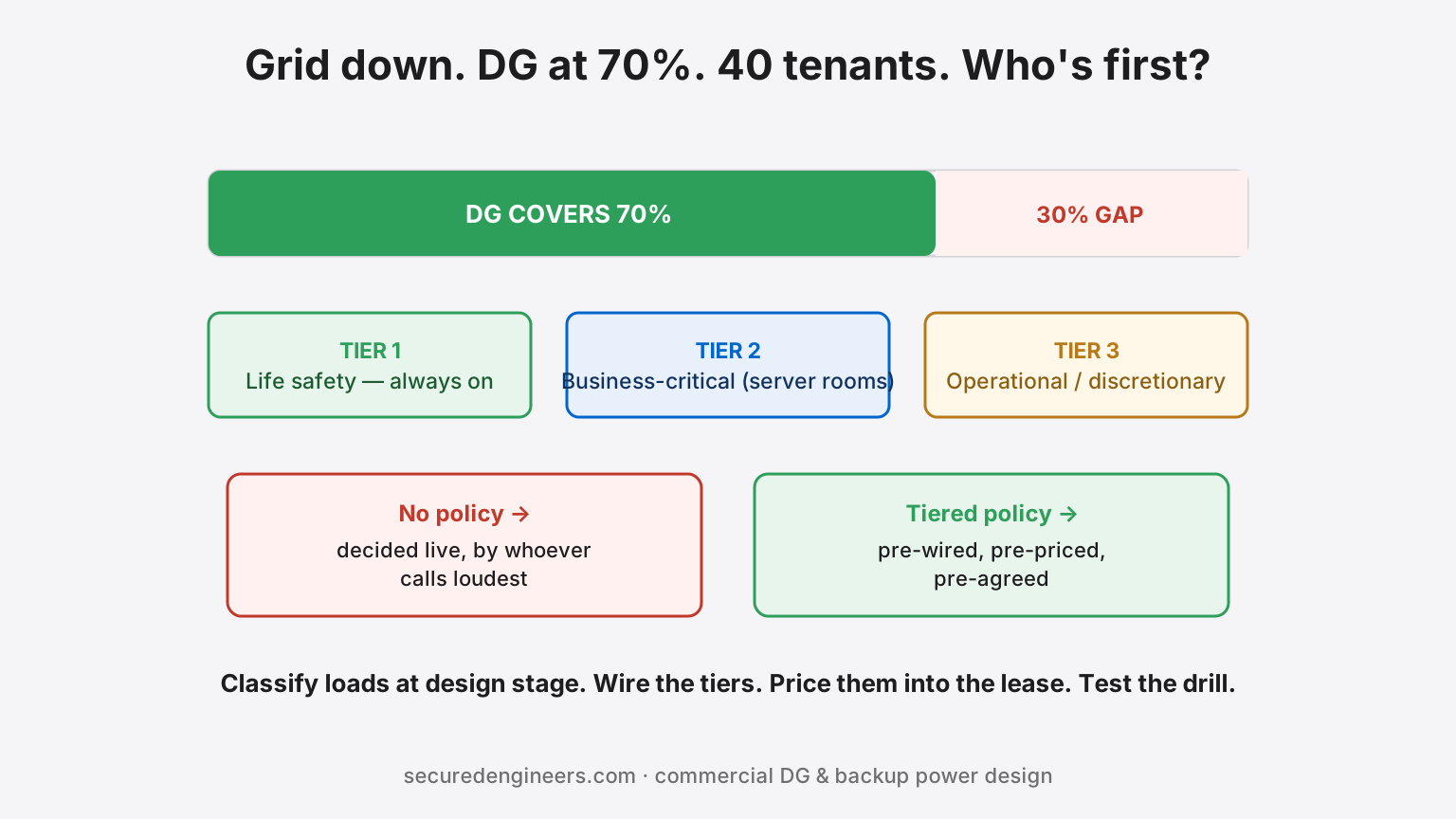
Grid Down. DG Running at 70% Capacity. 40 Tenants. Who Gets Power First?
Your building's DG covers 70% of connected load — an entirely normal design ratio. The day the grid actually fails, that 30% gap becomes a very personal argument between 40 tenants, none of whom knew where they stood in the queue. Backup power allocation is a policy decision, not an electrical one — and most buildings never make it.
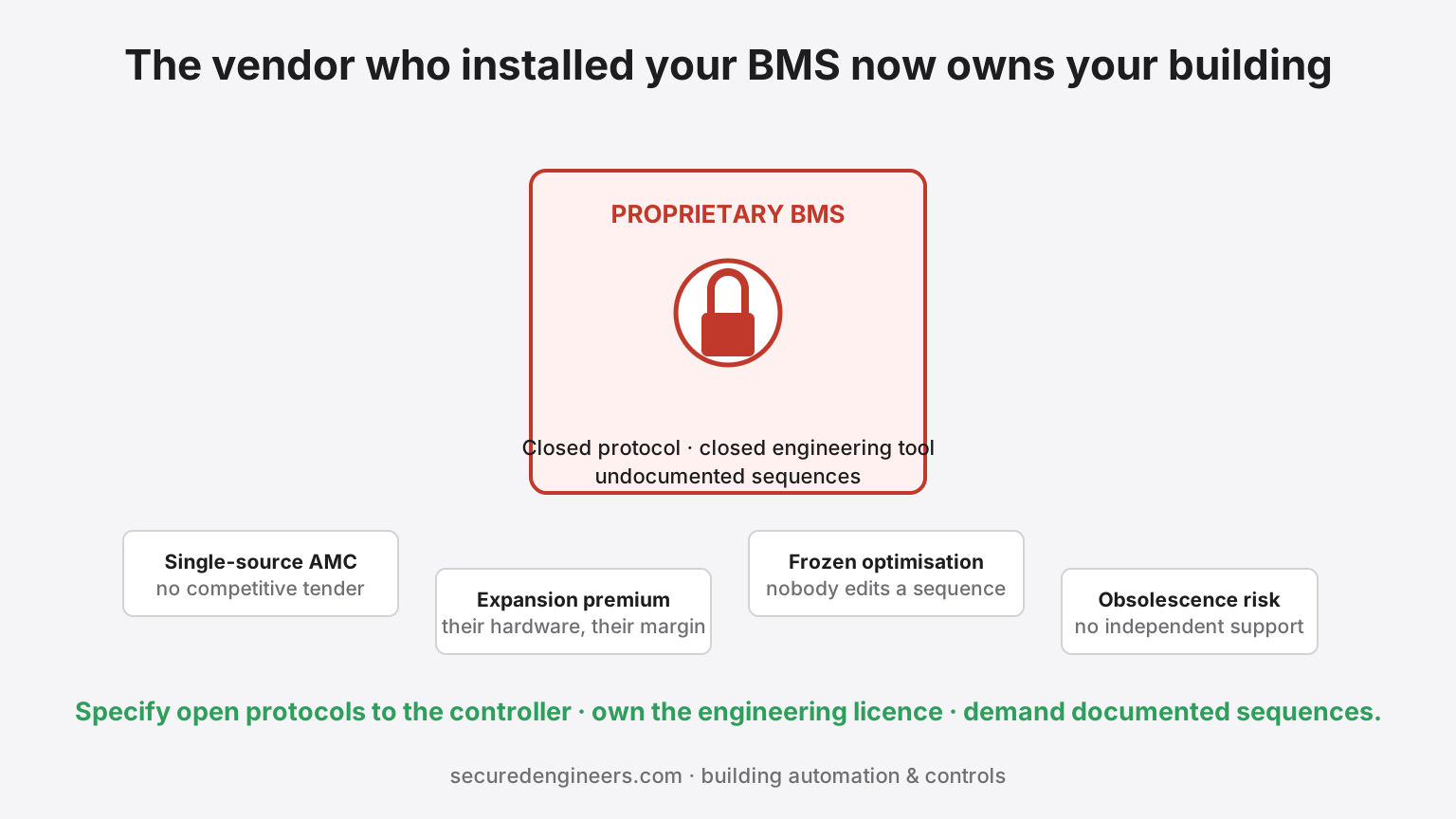
The Vendor Who Installed Your BMS Ten Years Ago Now Owns Your Building
You can't add a chiller, change a setpoint schedule, or get a second AMC quote — because the building management system speaks a proprietary protocol only its original installer understands. BMS vendor lock-in is one of the quietest, most expensive traps in commercial real estate. How it happens, and how to buy your way out of it.
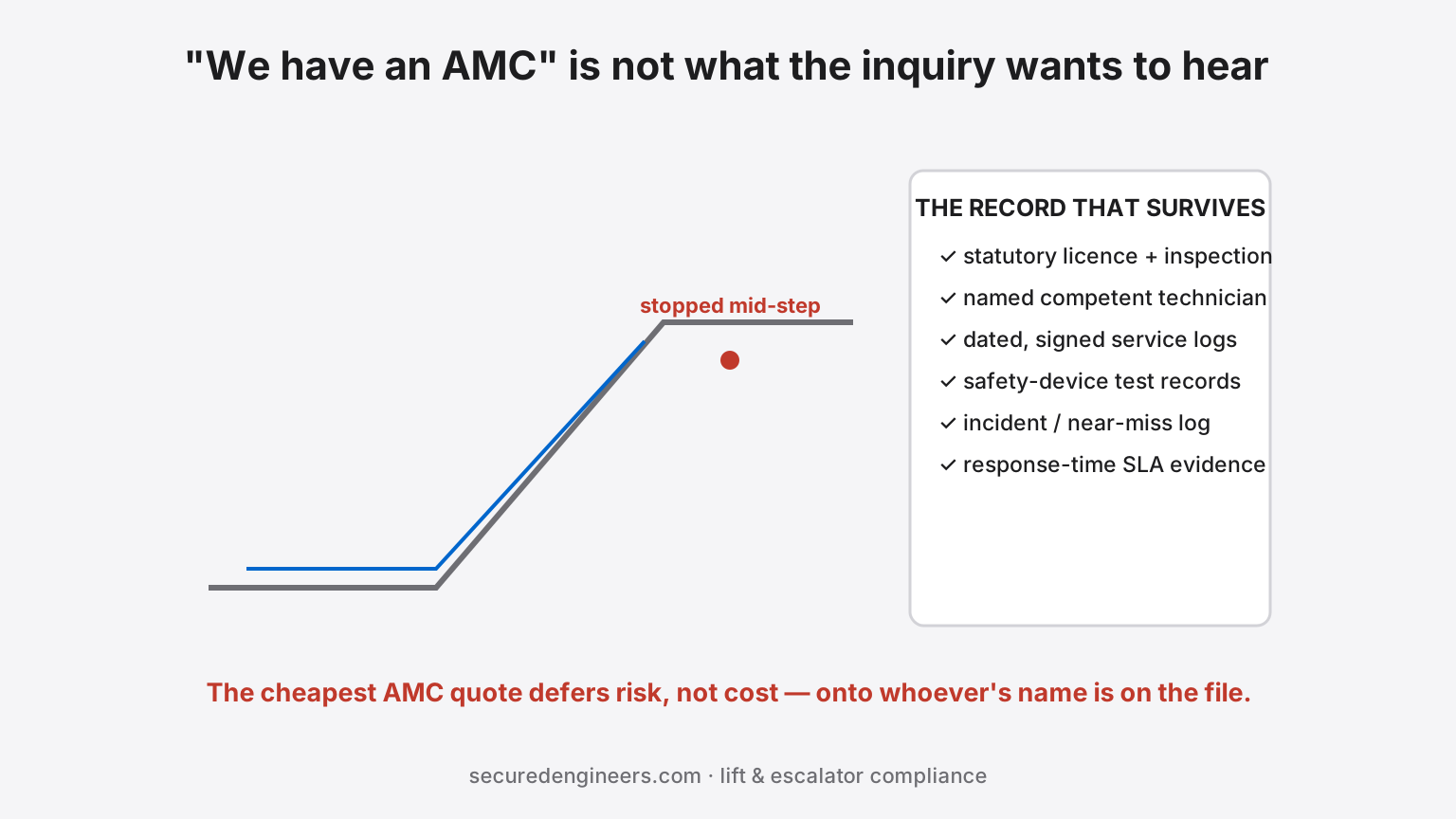
The Escalator Stopped Mid-Step. The Inquiry Wants to Know Who Last Serviced It.
Lift and escalator incidents in public commercial spaces trigger a different kind of scrutiny than a broken AC — regulatory inquiry, insurance investigation, and personal liability questions for whoever's name is on the maintenance record. Most building owners can't actually answer 'when was this last properly serviced' with evidence. Here's what that record needs to look like.
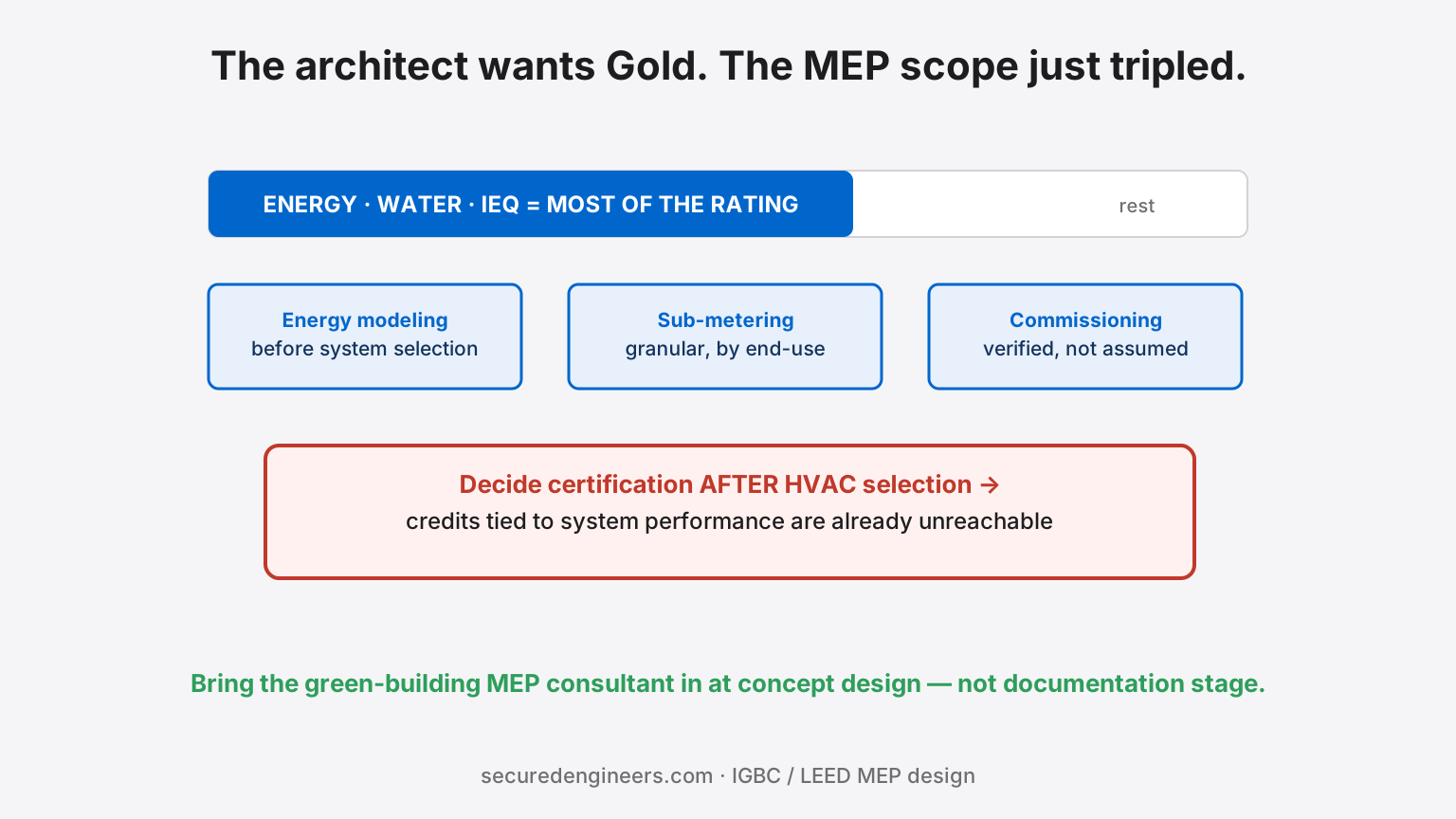
The Architect Wants Gold Certification. The MEP Scope Just Tripled.
Green building certification isn't a plaque you add at the end — it's a set of MEP design and commissioning requirements that reshape HVAC, metering, water and controls from day one. Commercial developers chasing IGBC or LEED without understanding the MEP implications routinely find out too late, when the credits they need are already impossible to achieve.
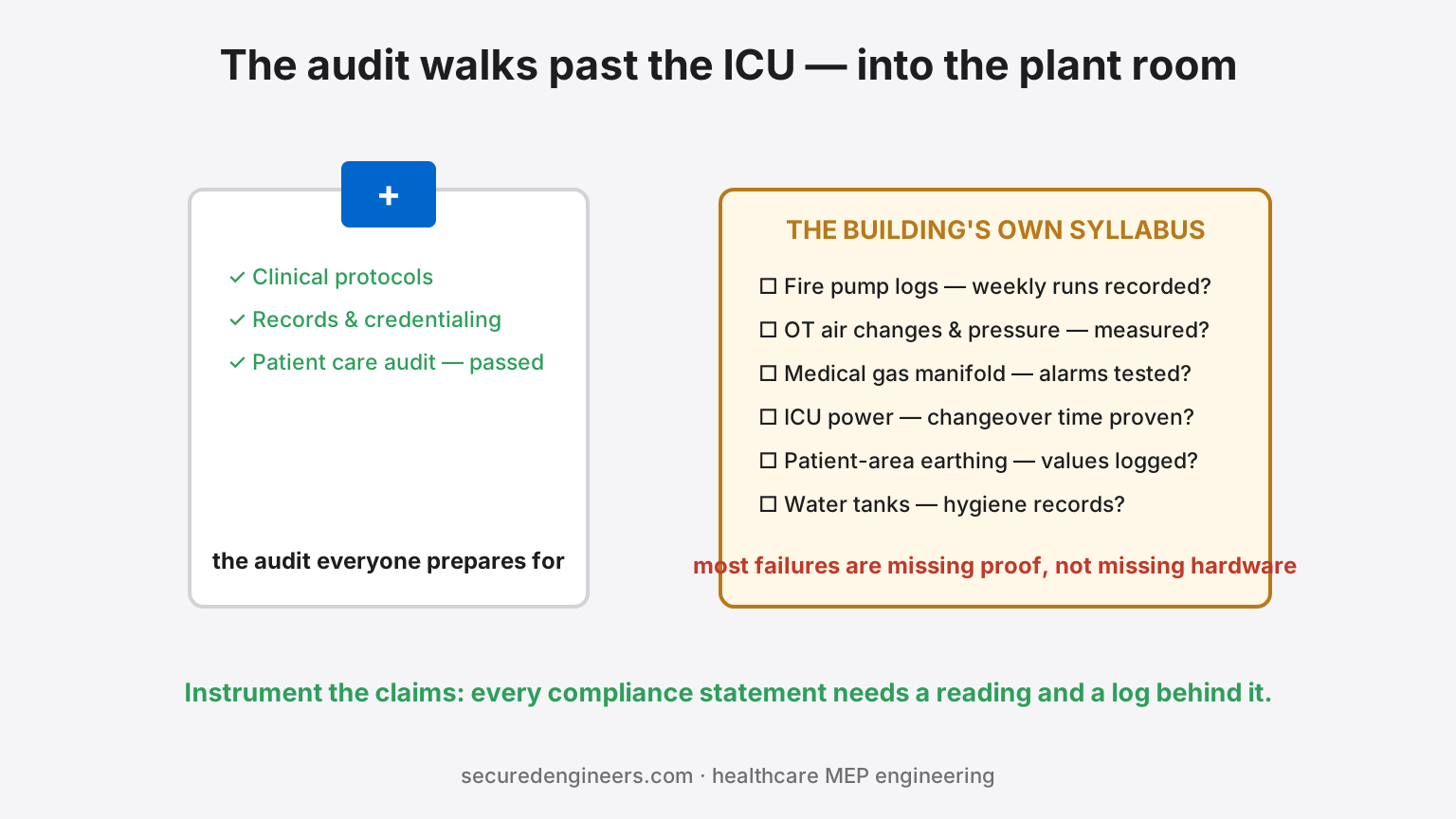
The Hospital Passed Its Medical Audit. The Building Failed Its Own.
NABH assessors and fire officers now walk straight past the ICU equipment and into the plant rooms — checking pump logs, medical gas manifolds, OT air changes and electrical safety in patient areas. Why hospital buildings fail audits their clinical teams never see coming.
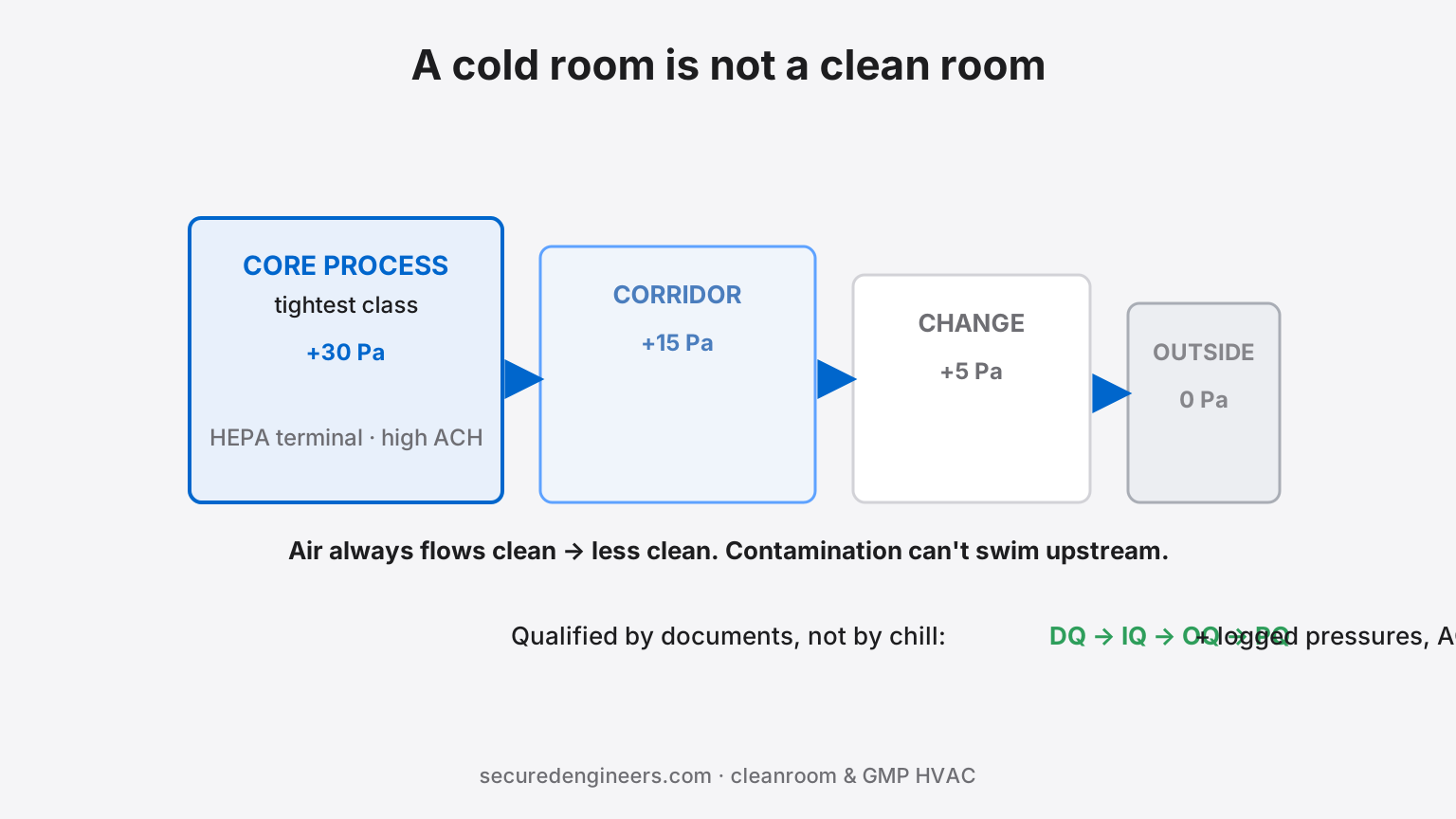
Your AC Contractor Built You a Cold Room. The Auditor Wanted a Clean One.
The plant is cold, the filters are new, and the GMP auditor still writes you up — because temperature was never the point. Pressure cascades, air changes, filtration classes and recovery times are what qualify a cleanroom. What pharma and food-plant owners need to know before the HVAC contract is signed.
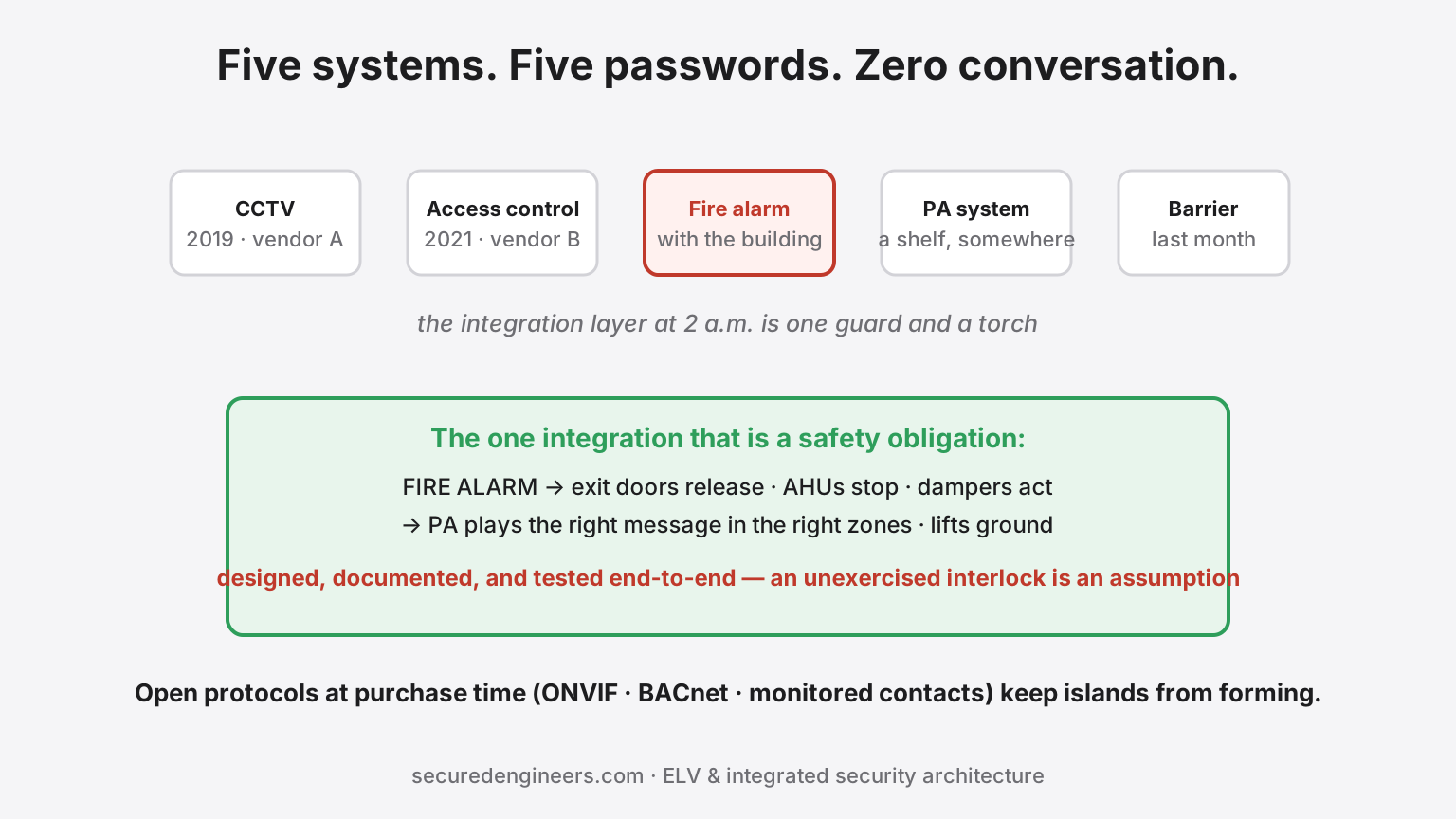
Five Control Panels, Five Passwords, Zero Conversation: The ELV Islands Problem
The CCTV was bought in 2019, access control in 2021, the fire alarm came with the building, and the new ANPR barrier arrived last month — four vendors, four servers, nothing integrated. Why ELV systems end up as islands, what integration actually means, and the one integration that is a safety obligation, not a luxury.
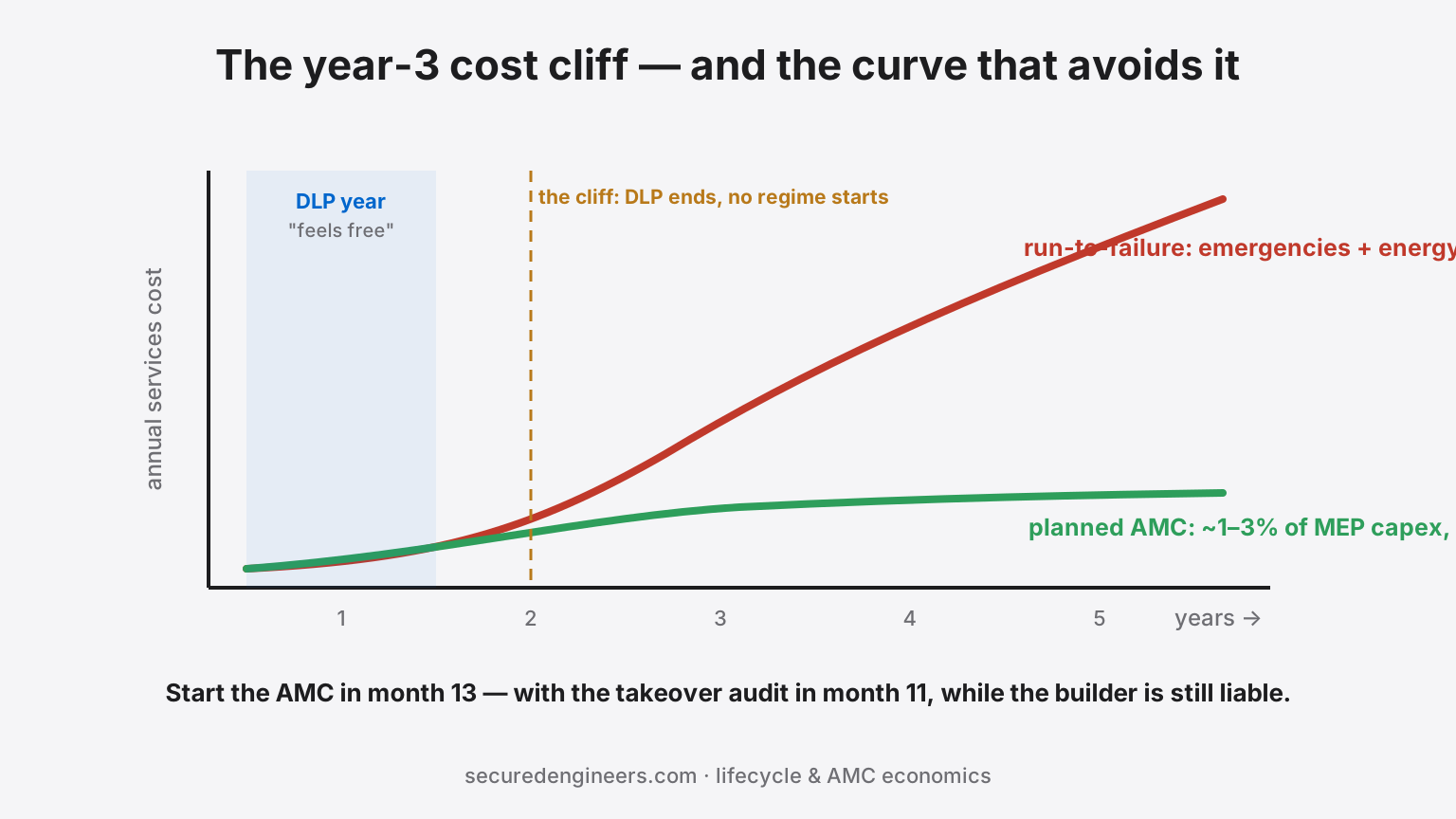
Year 1 Was Free. Year 2 Was Cheap. Year 3 Is Eating Your Budget. Here Is the Curve.
Every new building lives the same cost story: the defect-liability year feels free, year two runs on youth, and from year three the breakdowns, energy drift and emergency repairs compound — because maintenance was treated as a cost to minimise instead of an asset to manage. The lifecycle economics, honestly.
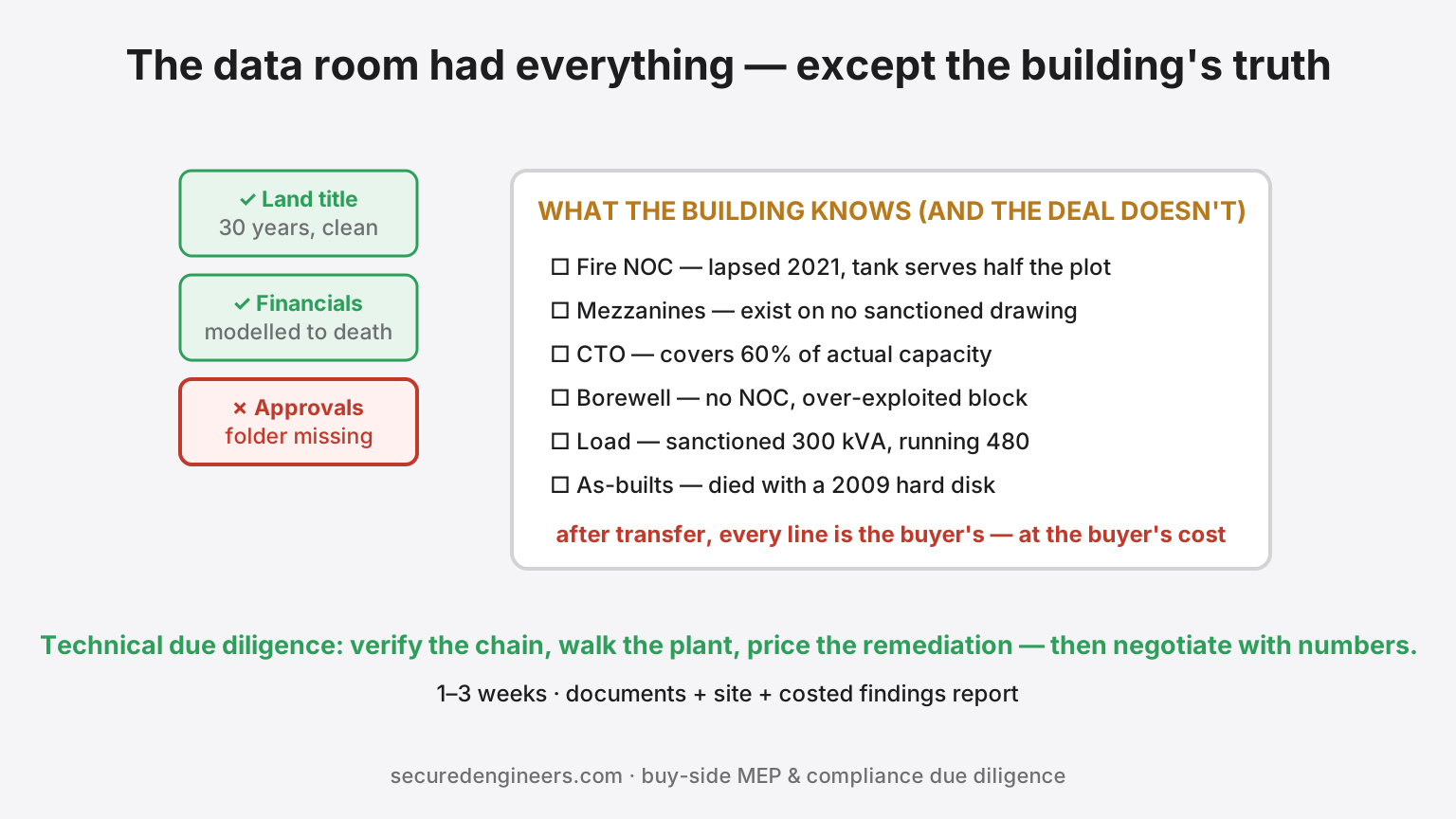
The Factory Looked Perfect. The Data Room Was Missing One Folder: Approvals.
Industrial property deals obsess over land title and price per acre — then hand over crores for a building whose fire NOC lapsed in 2021, whose consent covers half its capacity, and whose mezzanines exist on no drawing. What technical due diligence actually checks before you buy or lease a factory.
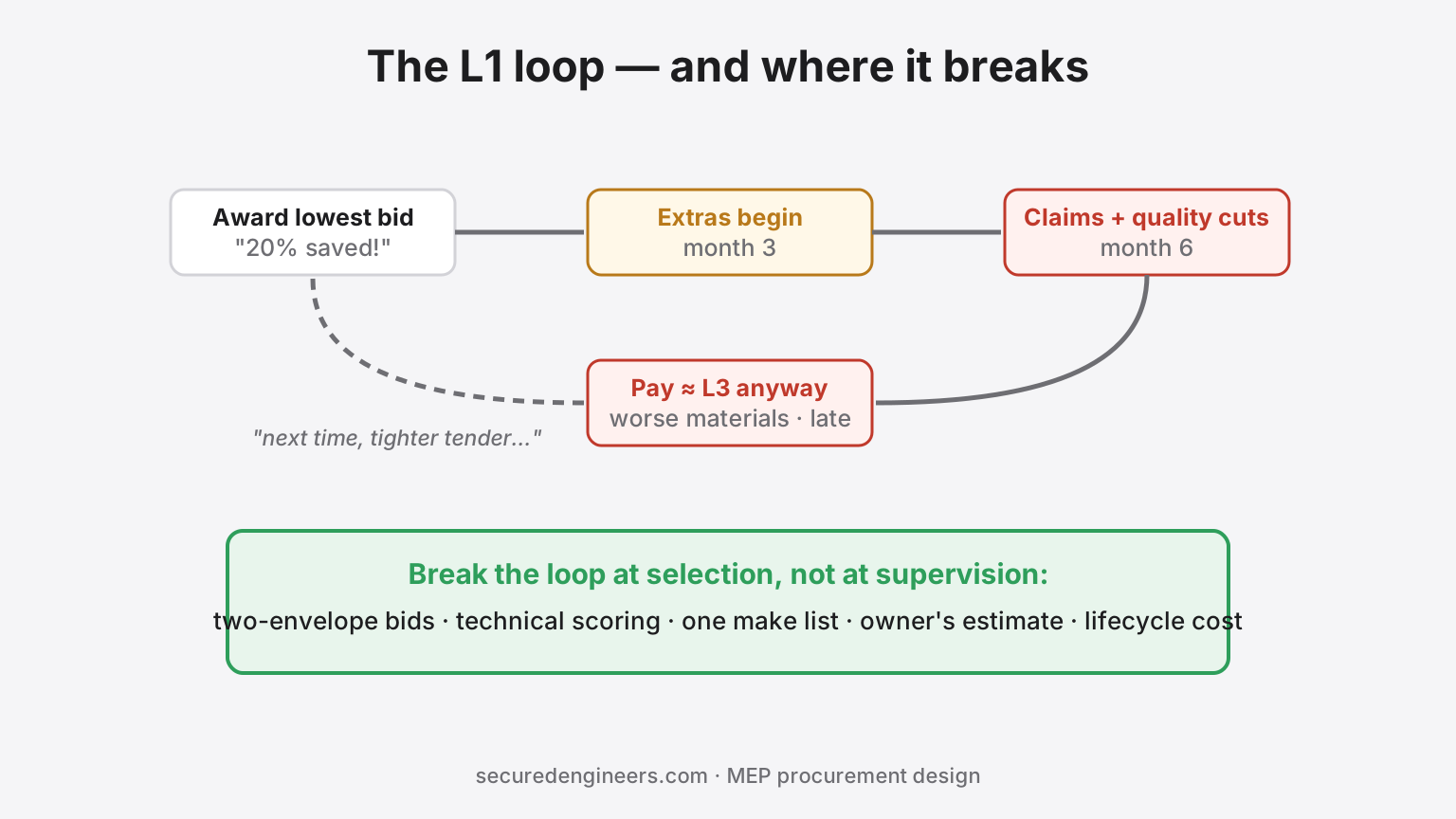
You Have Awarded L1 Five Times. It Has Backfired Five Times. The Problem Is the Method.
Every project, the same movie: award the lowest bid, watch quality sag, fight variation claims, finish late — then write a tighter tender and do it again. L1 is not bad luck; it is a procurement design that selects for exactly these outcomes. Here is how to fix the method, not the vendor.
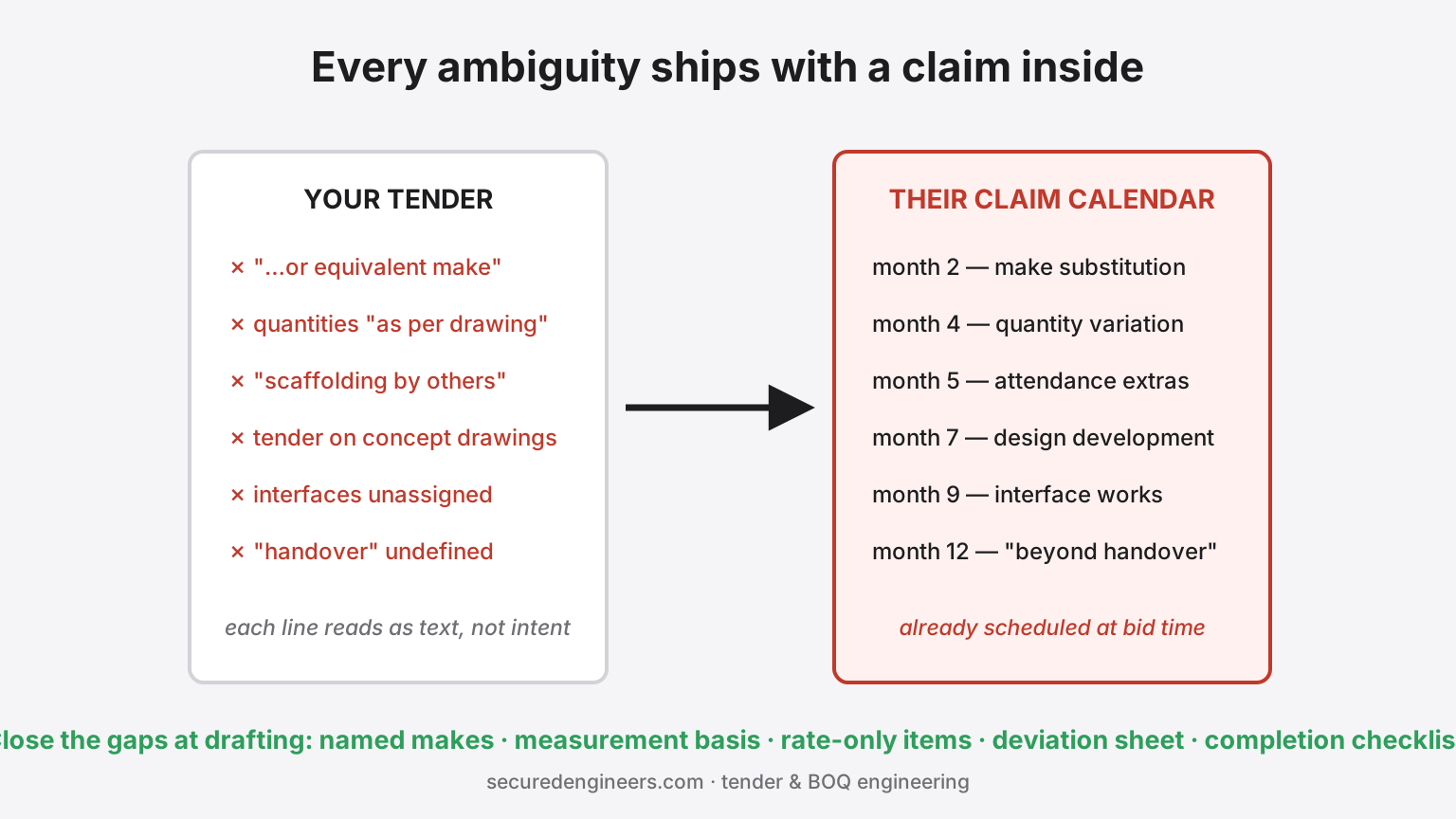
Every Ambiguity in Your Tender Is a Variation Claim With a Delivery Date
Contractors do not game tenders out of malice — they price what is written and claim what is not. Every undefined make, unmeasured item and vague exclusion in your tender is a future claim, already scheduled. The anatomy of a gameproof MEP tender, clause by clause.
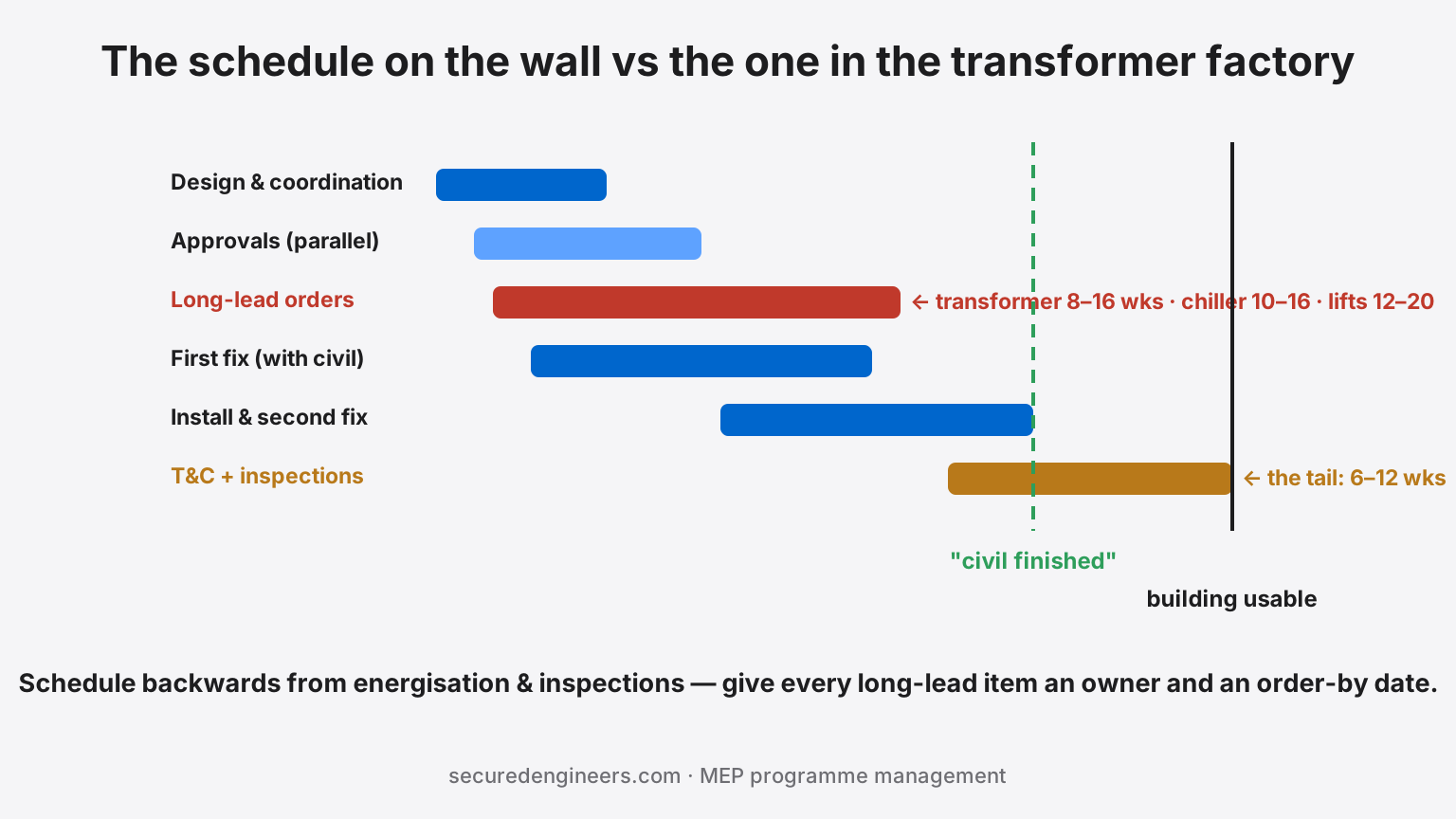
Your Civil Contractor Says Eight Months. Nobody Asked the Transformer.
Project timelines are set by civil logic — pour, cure, build — while the items that actually decide your move-in date sit in MEP: transformer deliveries, chiller lead times, approval clocks, testing sequences. The honest duration table, and why the last 10% takes 25% of the time.
Ready to start your project?
Get a free consultation and quote. We design, take all approvals, and execute — you stay stress-free.