
Engineering guides & industry insights
MEPF, solar and fire-safety guides — page 4
Archive page 4 of 9 — practical, no-jargon guides on MEPF, solar, fire safety and approvals.
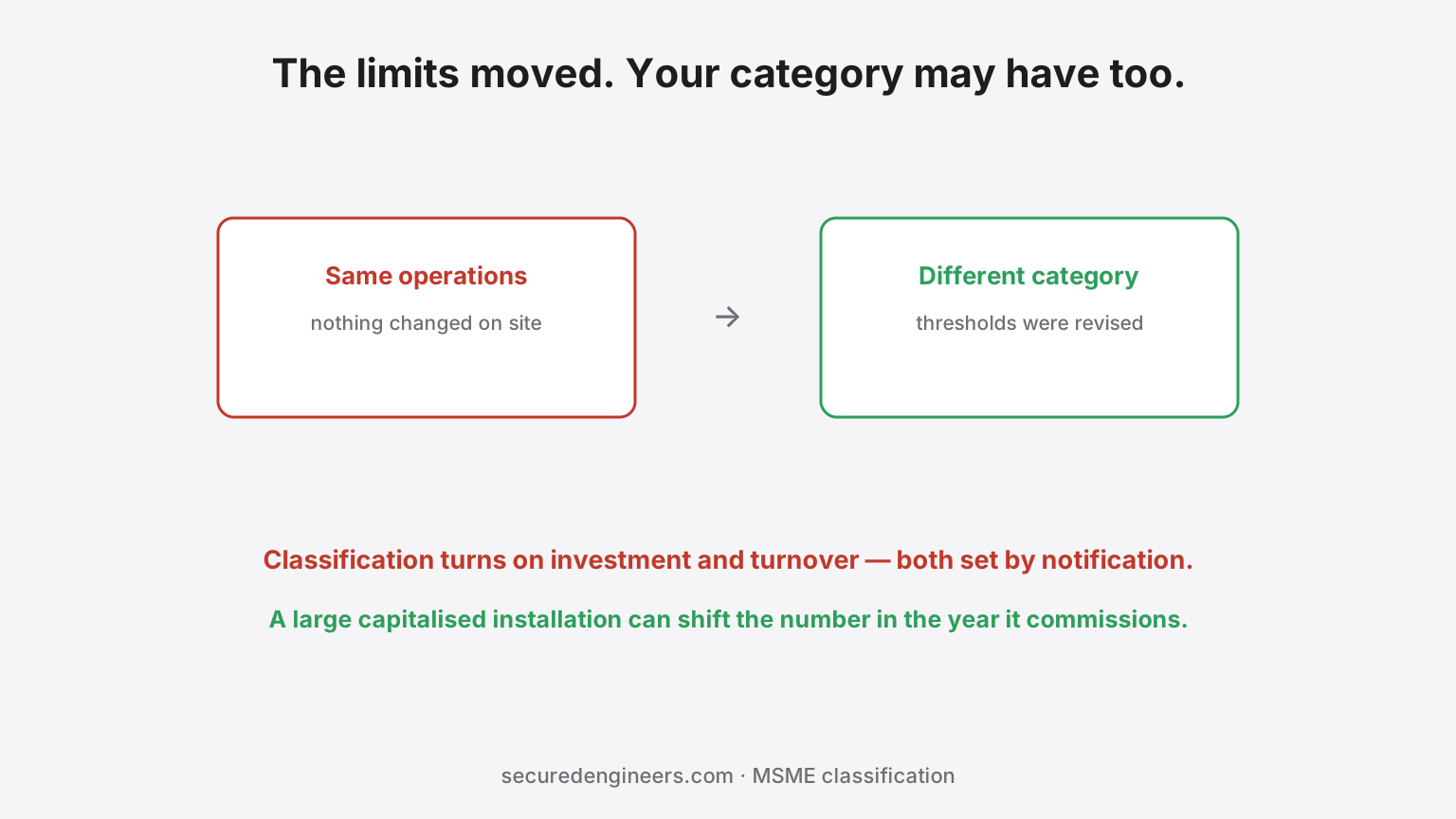
The Thresholds Moved. Your Factory May Have Changed Category Without Doing Anything.
MSME classification is set by investment in plant and machinery and by turnover. When the notified limits rise, enterprises change category without any change in their own operations — and both the benefits and the obligations move with them.
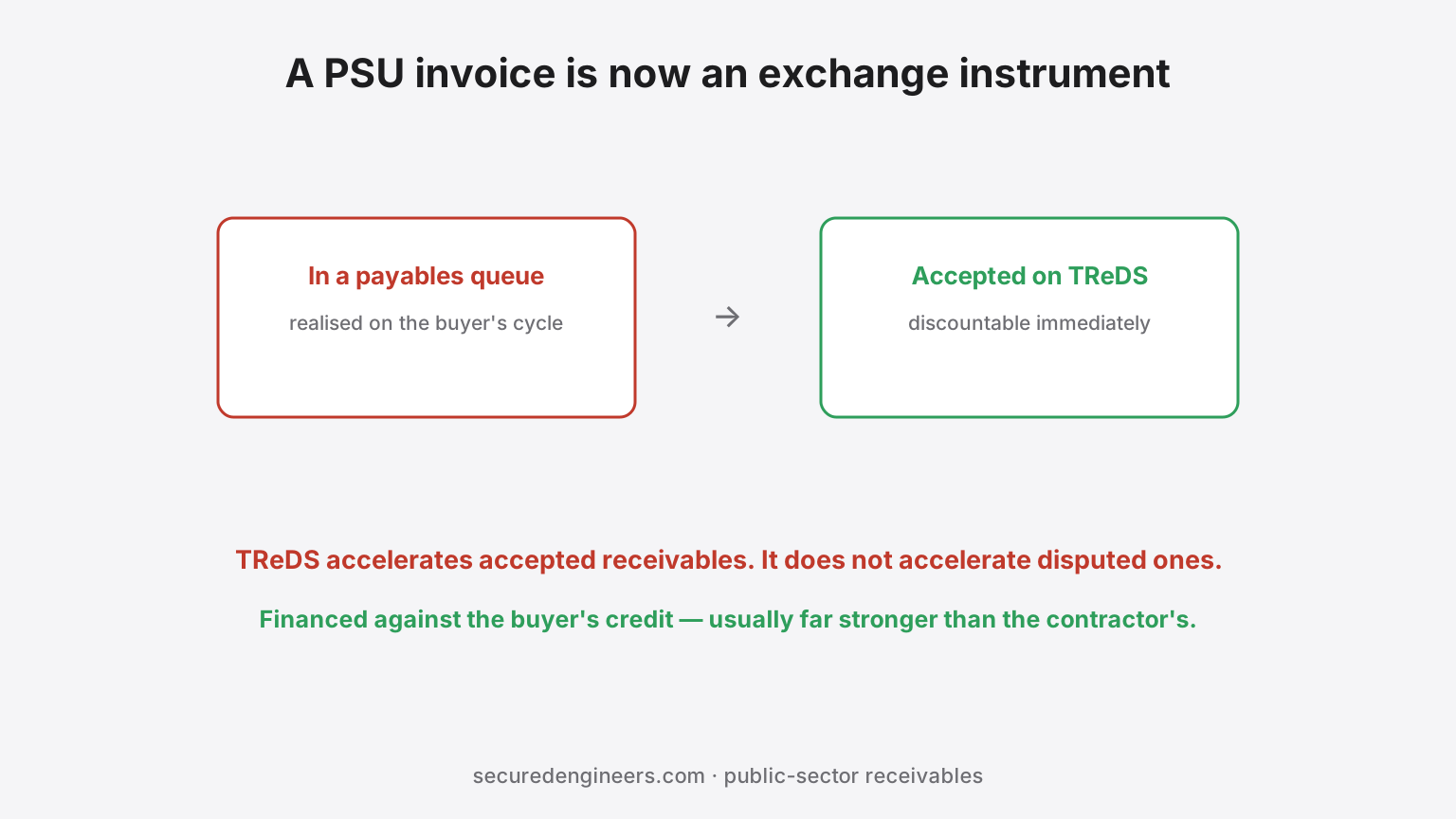
Supplying a PSU? Your Invoice Now Has to Go on TReDS.
The 2026 amendment requires every central public sector enterprise to settle MSME invoices on the Trade Receivables Discounting System. For contractors on PSU work, that turns a receivable in a queue into a discountable instrument on a regulated exchange.
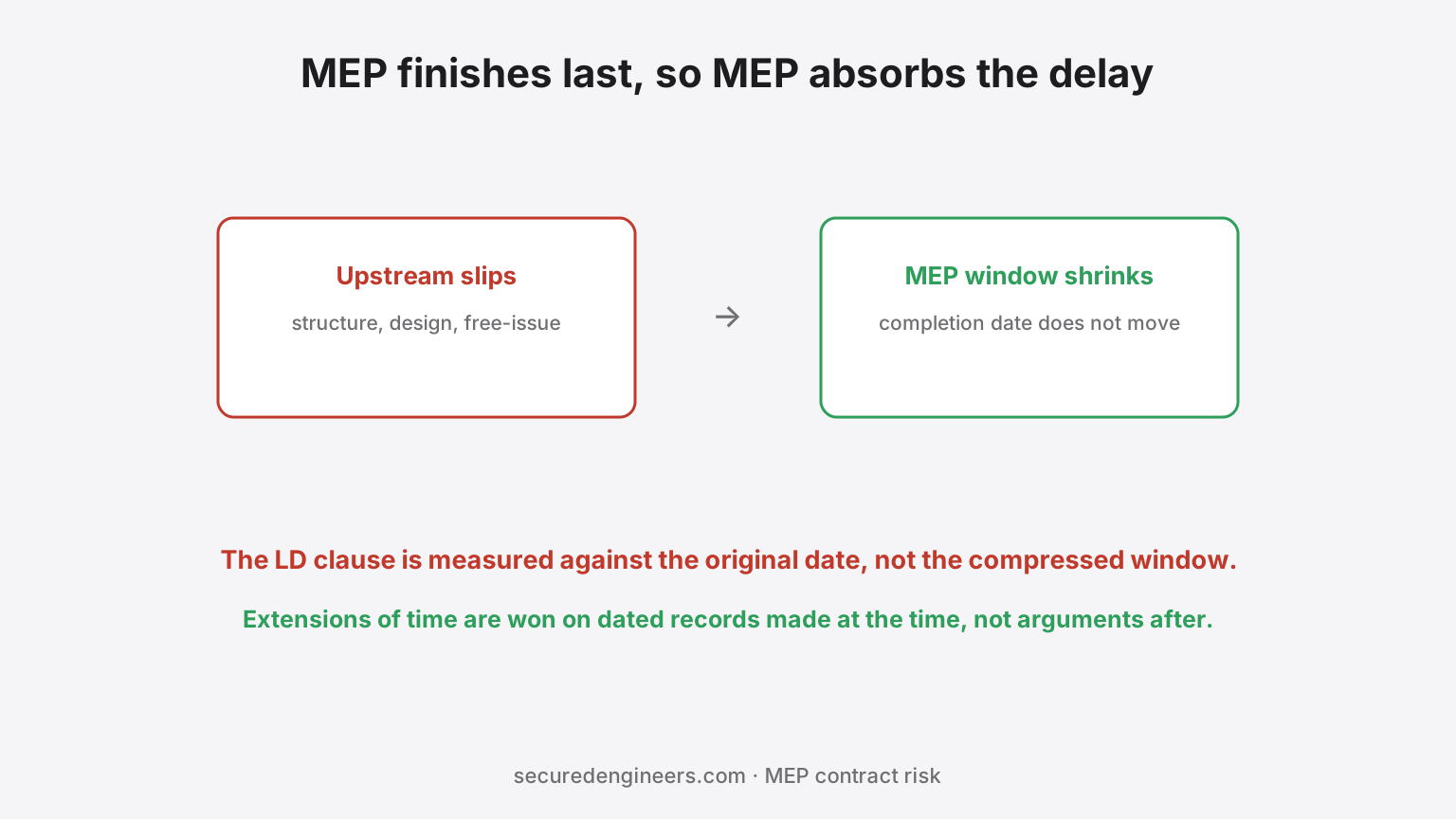
The LD Clause Punishes Whoever Was Working Last, Not Whoever Caused the Delay.
MEP is the final trade on site, so it absorbs every delay upstream of it and then meets a liquidated-damages clause written against the original date. Without contemporaneous records, the contractor who caused the slip is rarely the one who pays for it.
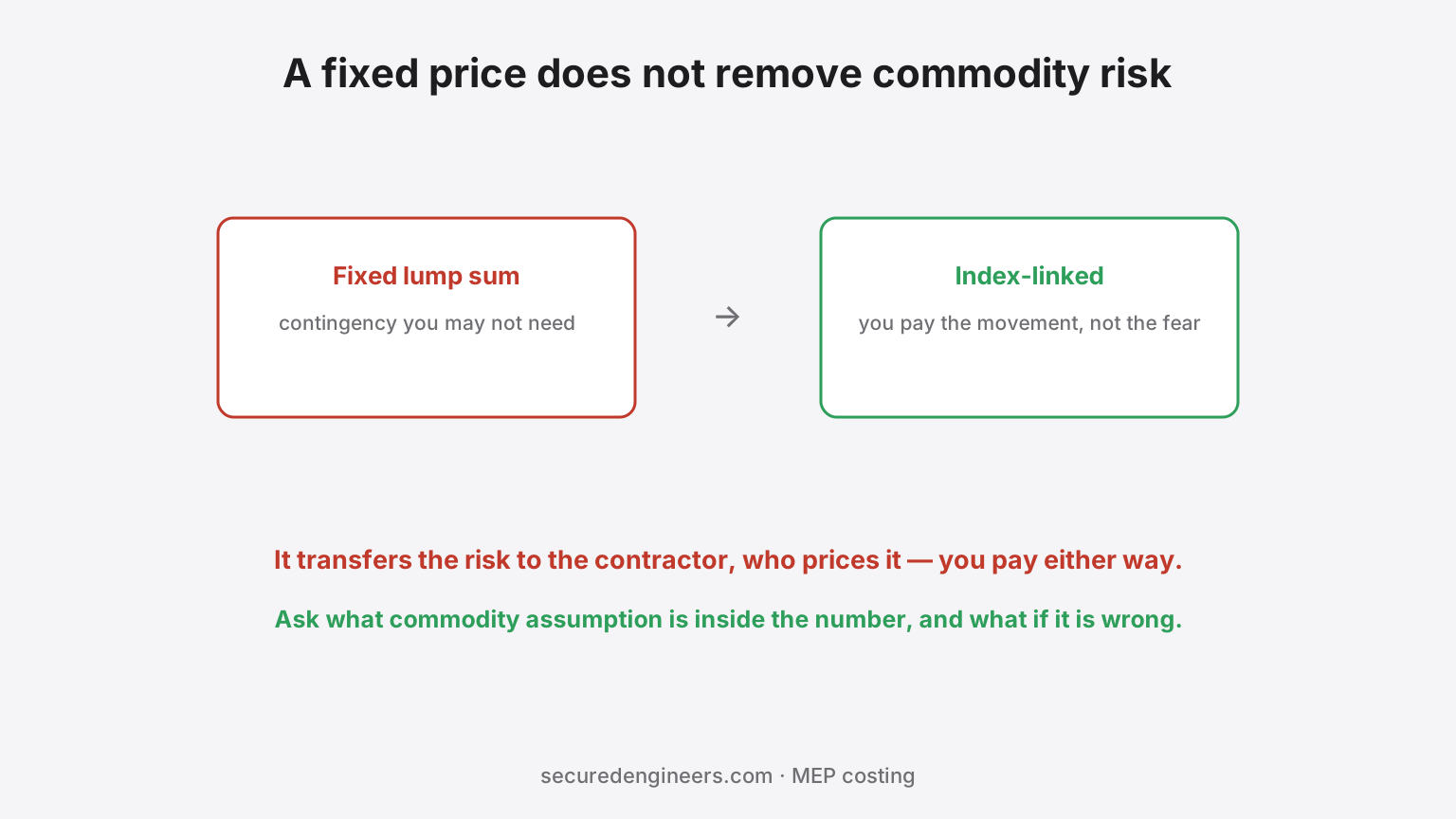
A Fixed Price for 14 Months of Copper. Someone Is Carrying That Risk.
MEP is unusually exposed to metal prices — copper in cable and motors, steel in pipe, tray and structure. A fixed lump sum over a long programme does not remove that risk. It just decides who holds it, and prices it in.
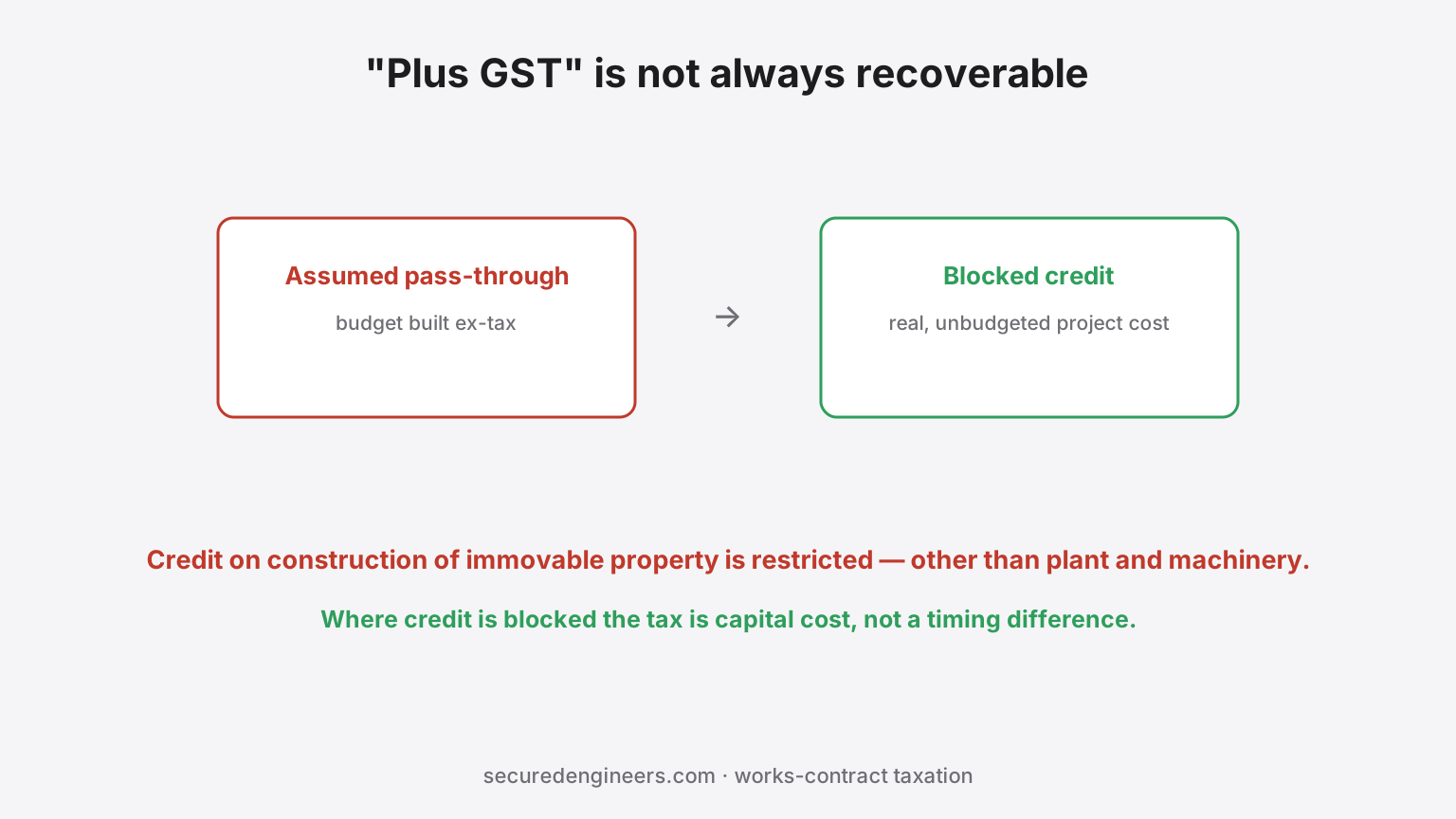
The Quote Said "Plus GST". Whether You Can Reclaim It Is a Different Question.
MEP installation is a works contract, and works contracts have their own GST treatment. The trap is not the rate — it is that input tax credit on construction of immovable property is restricted, so tax that looks recoverable sometimes is not.
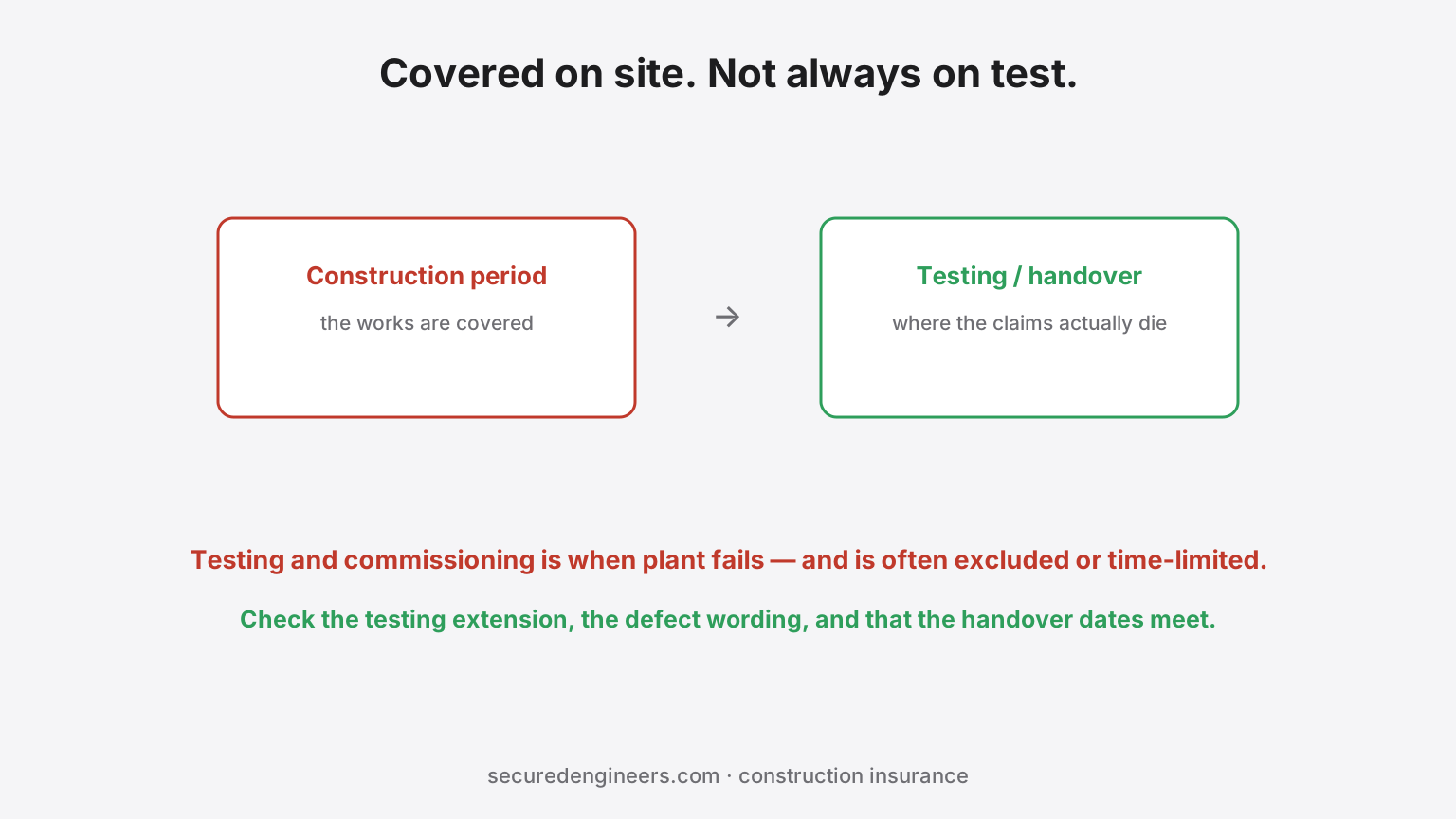
The Site Is Insured. The Chiller That Failed on Test Is Probably Not.
Erection all-risk and contractors all-risk policies cover the works during construction. The exclusions are where MEP claims die — testing and commissioning, defective design, and the gap between practical completion and the operational policy starting.
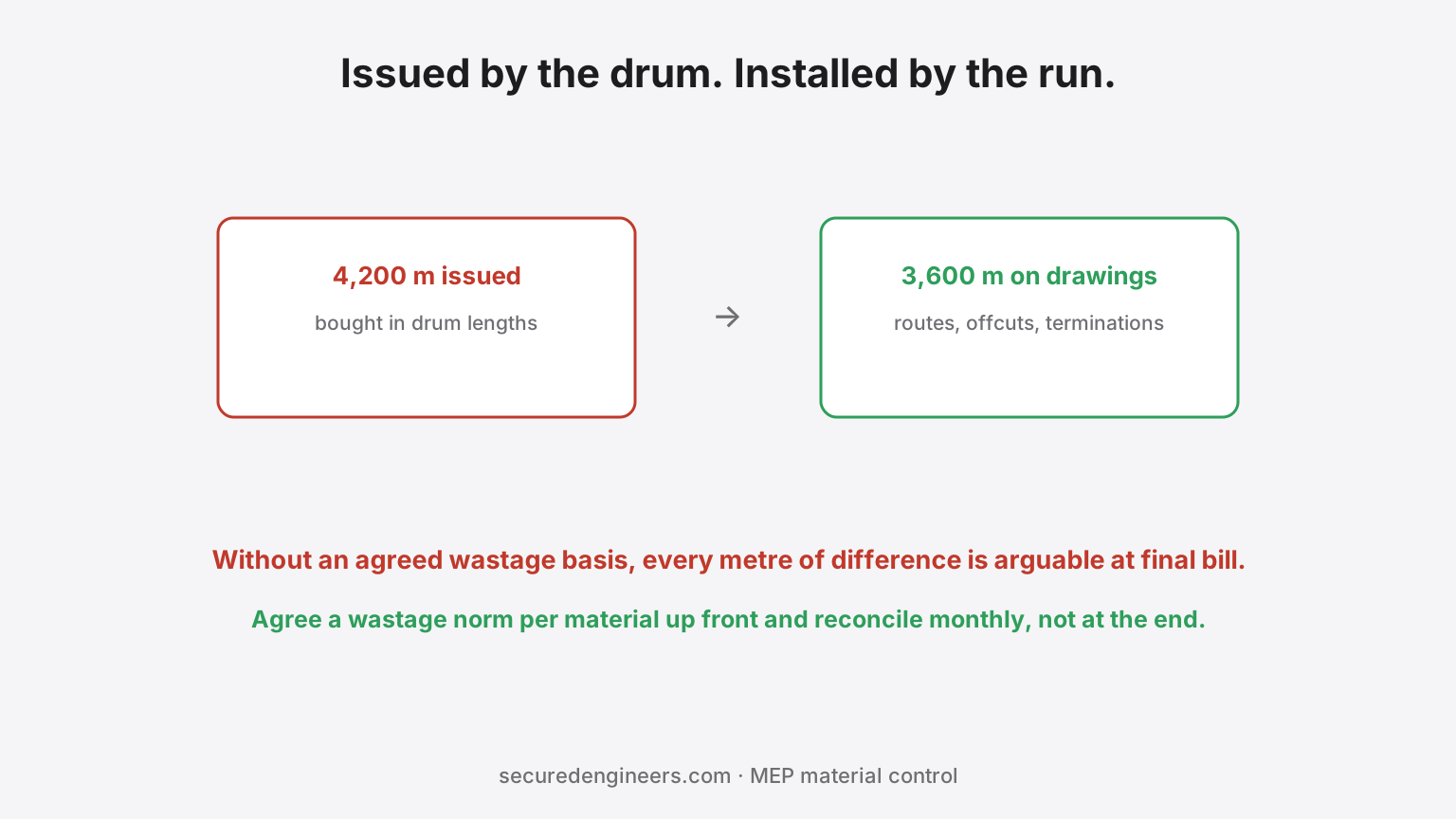
You Paid for 4,200 Metres of Cable. The Drawings Account for 3,600.
Material reconciliation on an MEP job is where trust breaks down late. Cable, pipe and tray are bought by the drum and installed by the run, and without an agreed wastage basis the difference becomes an argument at final bill.
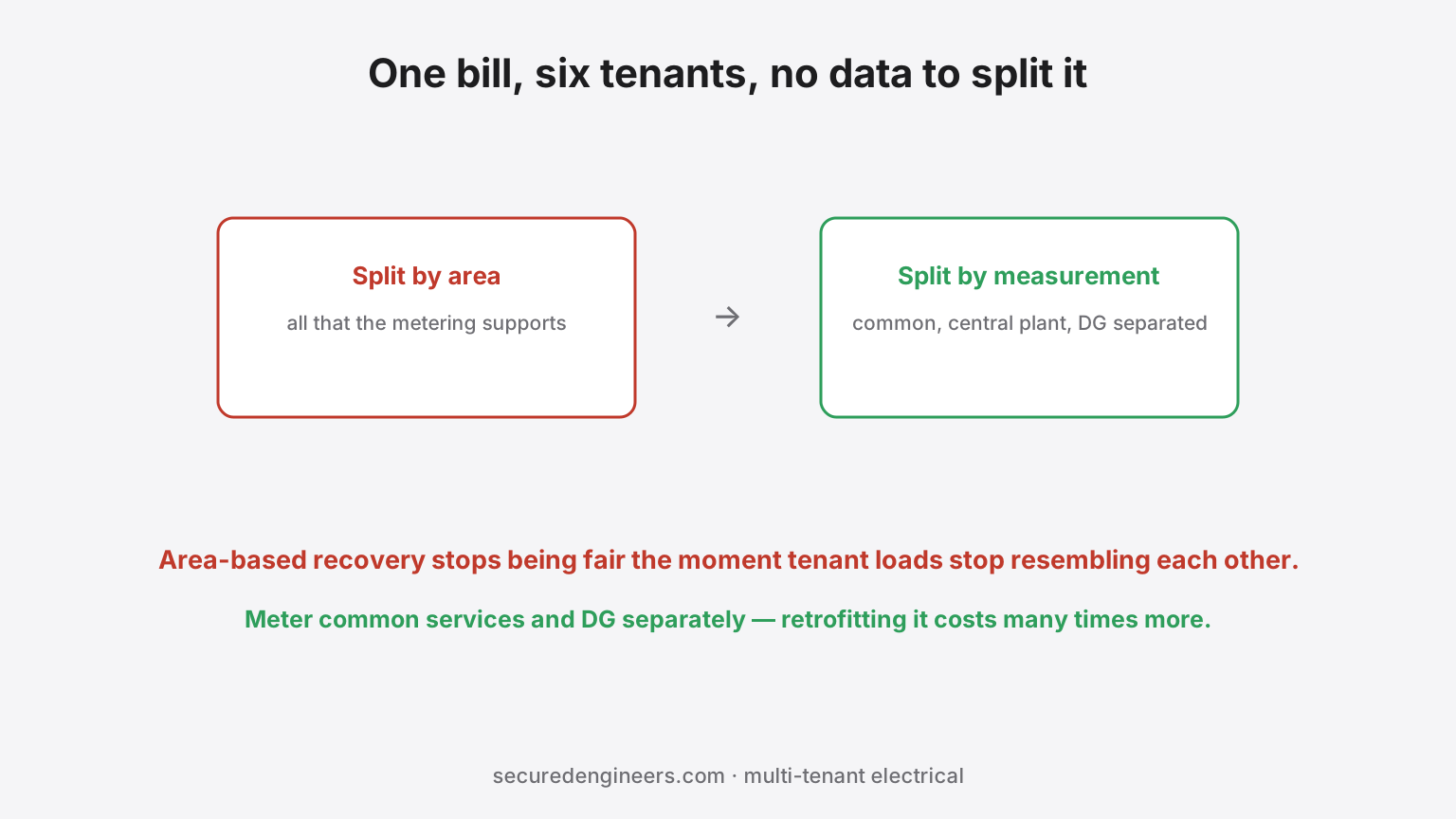
One Bill, Six Tenants, and No Way to Prove Who Used What.
Multi-tenant buildings recover electricity by area share because that is all the metering supports. The moment one tenant runs a heavier load than another, an area-based split stops being fair — and there is no data to settle the argument.
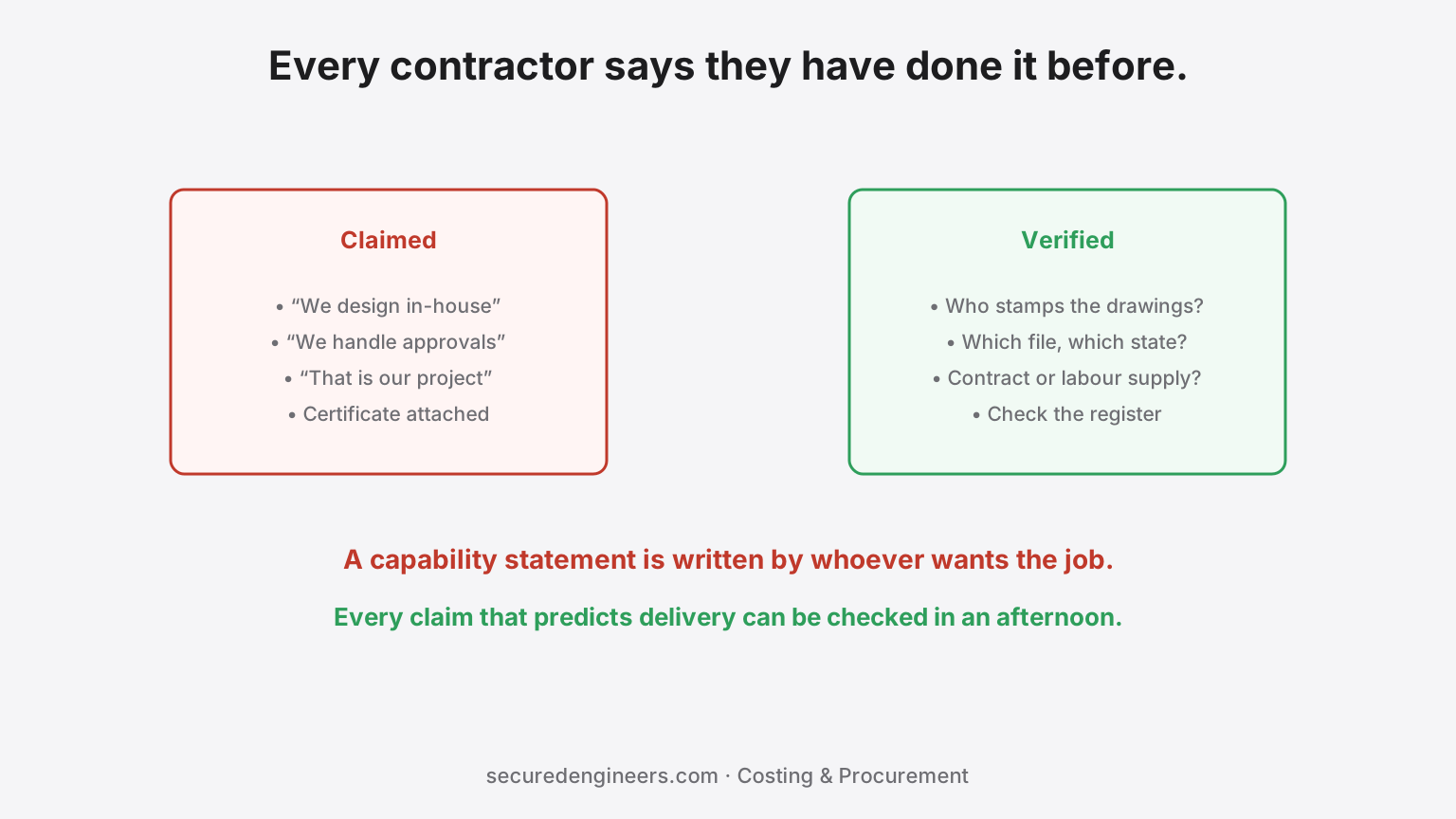
Every MEP Contractor Says They Have Done It Before. Here Is How to Check.
Capability statements are written by whoever wants the job. The claims that matter — in-house design, real approval experience, self-executed scope — can all be verified in an afternoon, and almost nobody does it before awarding.
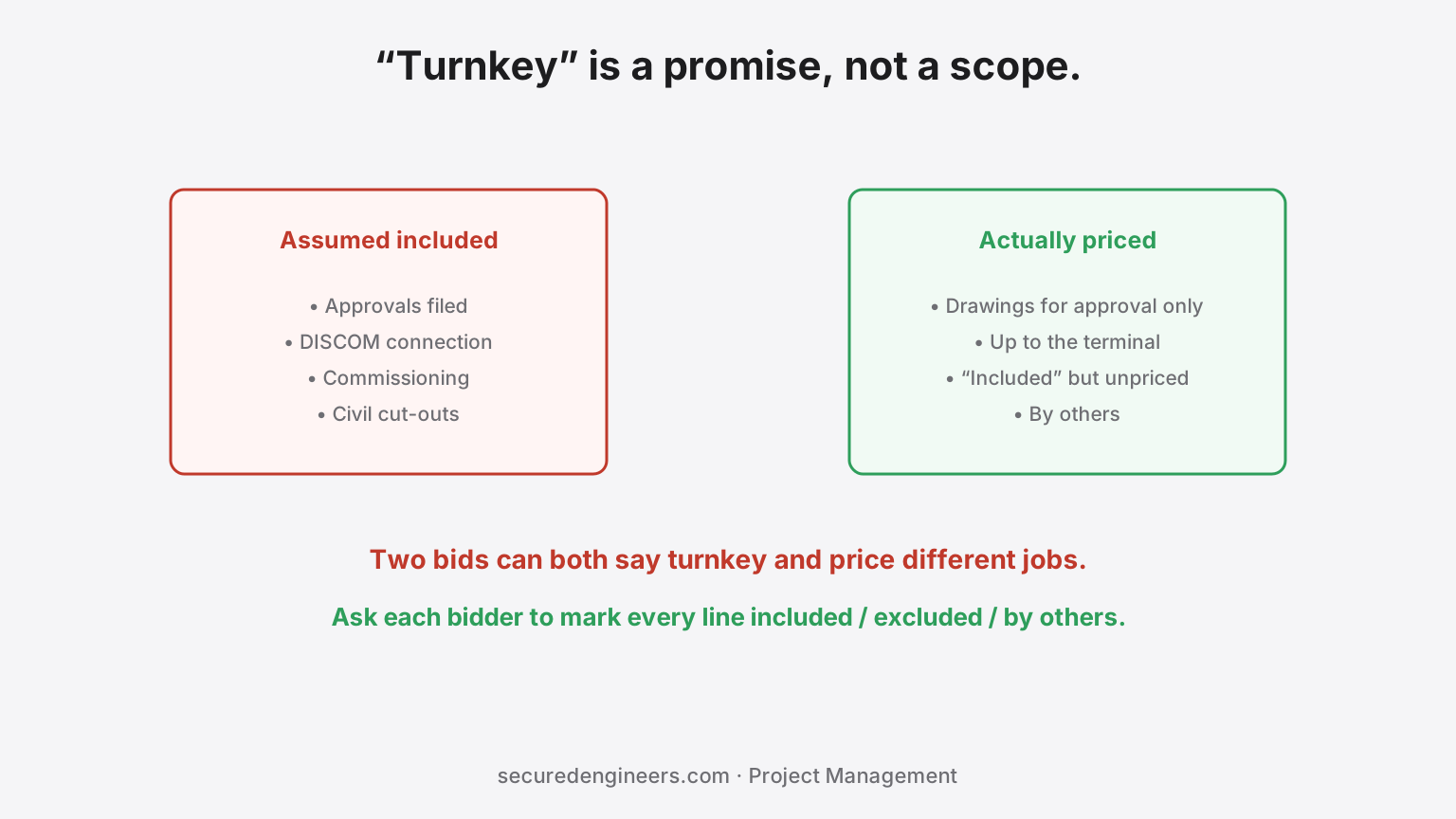
The Contract Said Turnkey. Four Things Were Still Your Problem.
Turnkey is a commercial promise, not a defined scope. Two contractors can both bid "turnkey MEPF" and mean materially different things — and the gap between them lands on the client at the worst possible moment.
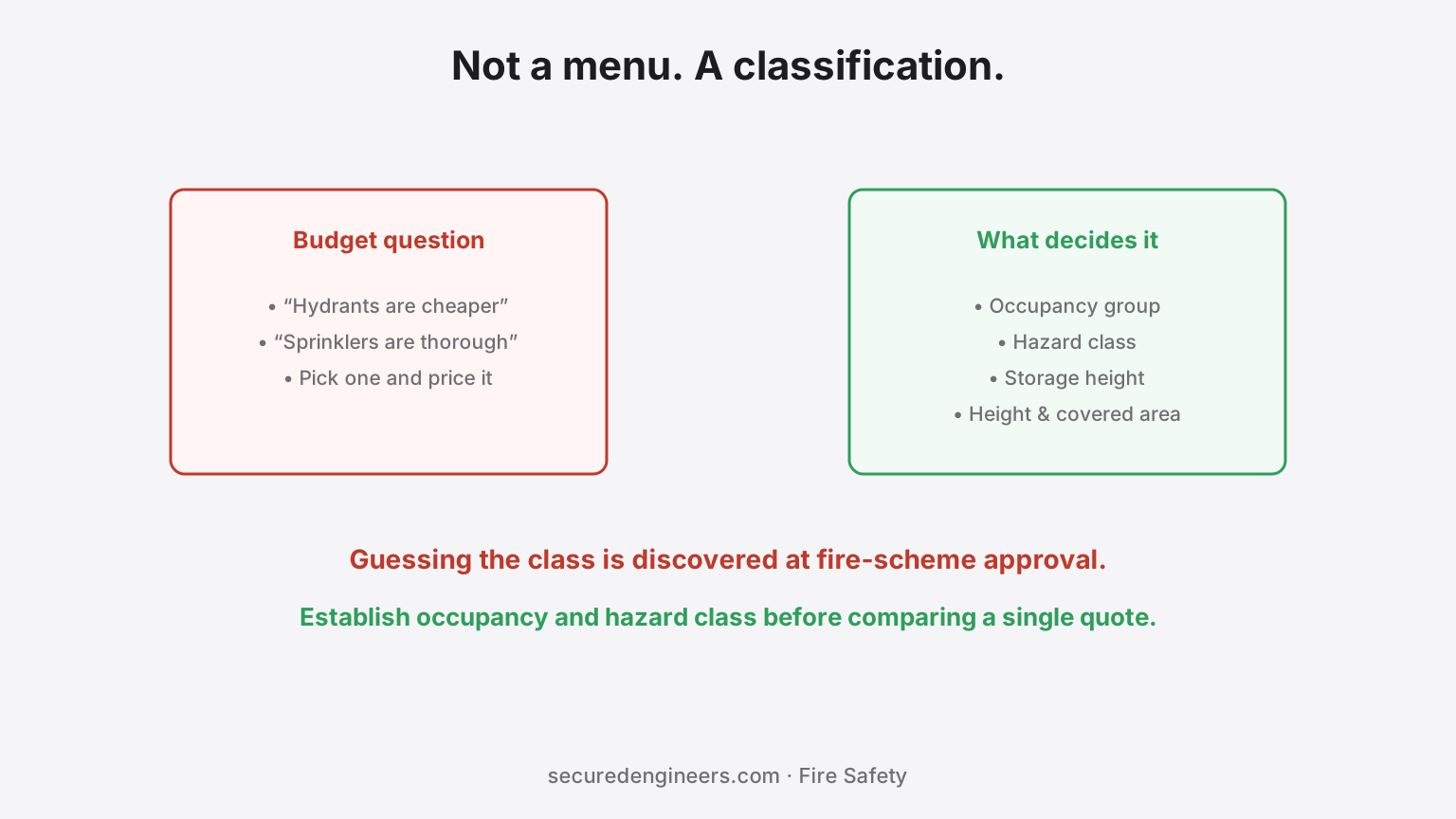
Hydrants, Sprinklers or Both? The Question Is Not Preference.
Building owners often treat fire systems as a budget decision — hydrants are cheaper, sprinklers are thorough. It is not a preference. Occupancy classification and hazard class decide what is required, and guessing wrong is discovered at fire-scheme approval.
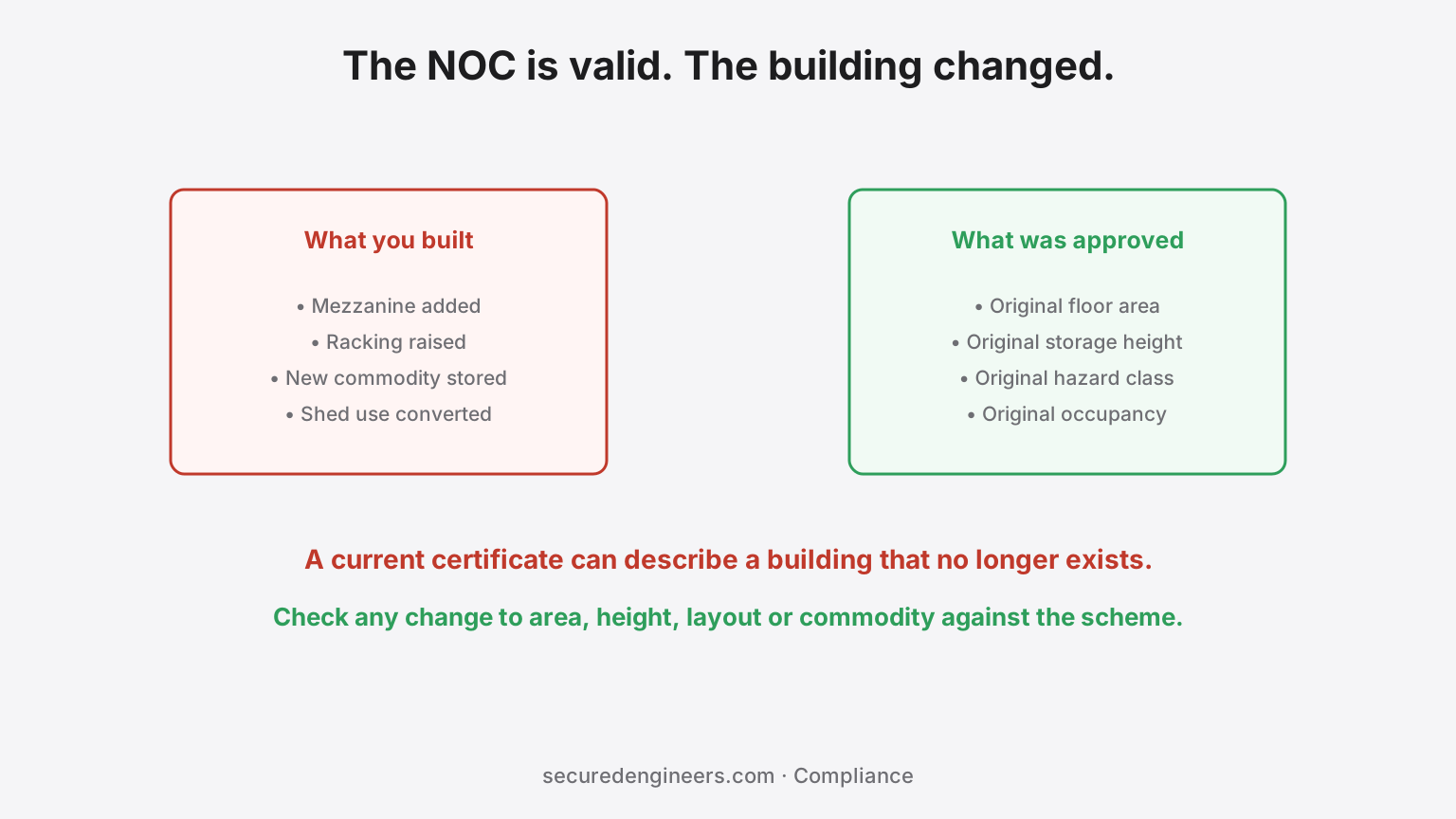
You Have a Valid Fire NOC. It Does Not Cover What the Building Is Now.
A Fire NOC is issued against a specific building, occupancy and fire scheme. Add a mezzanine, raise the racking, change what you store or convert a shed — and the NOC you hold may no longer describe the building you have.
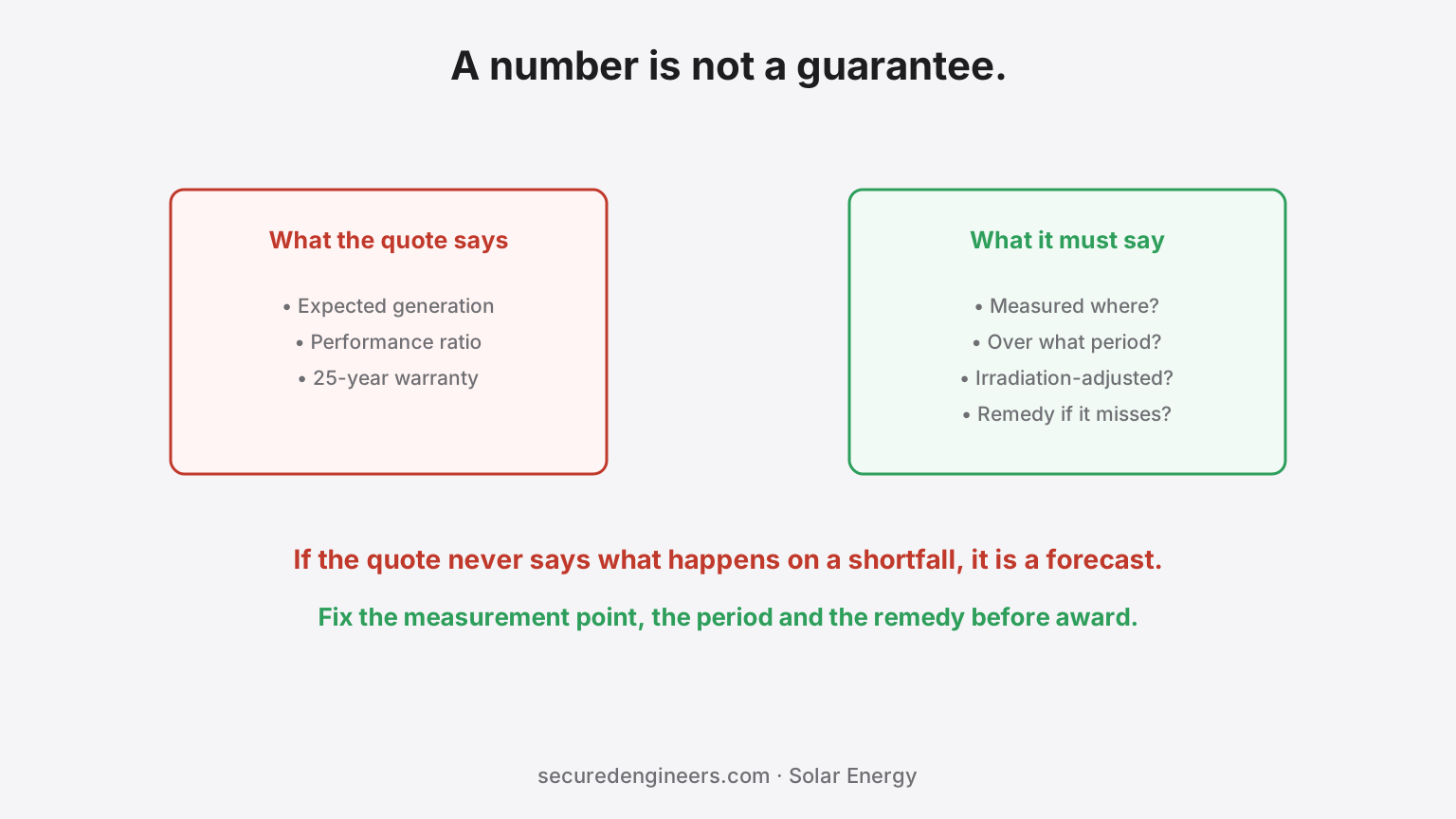
The Solar Quote Guarantees Generation. Read What Happens When It Misses.
Every solar EPC quote carries a performance figure. Almost none state what happens if the plant does not reach it — how it is measured, over what period, and what the contractor actually owes you.
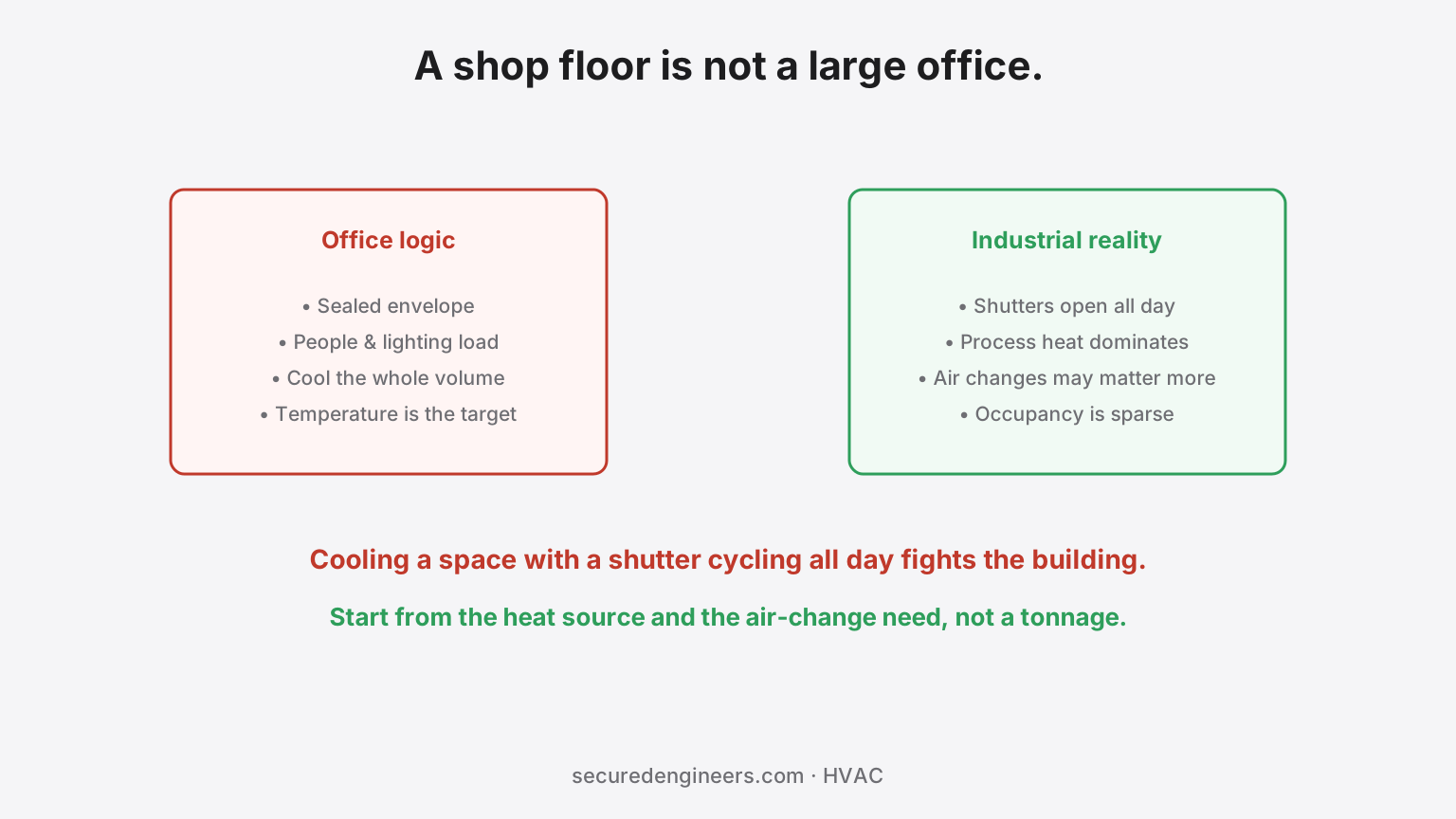
You Cannot Air-Condition a Shop Floor the Way You Air-Condition an Office.
Factories that apply comfort-cooling logic to a production hall end up with an expensive system that does not work. Process heat, air changes and contamination control follow different rules — and the right answer is often ventilation, not cooling.
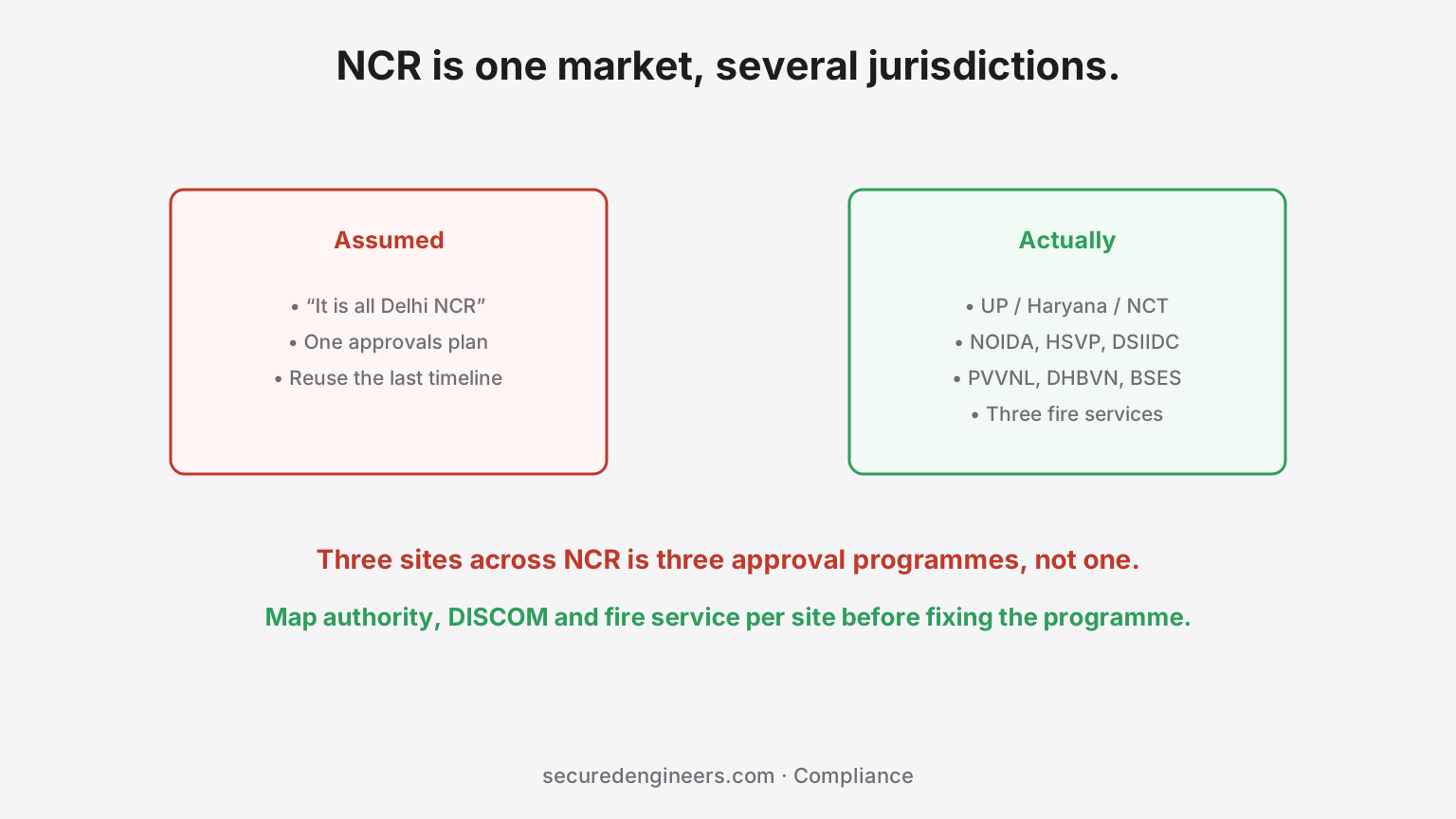
Delhi NCR Is Not One Jurisdiction. Your MEP Approvals Prove It.
Noida, Greater Noida, Gurugram, Faridabad and Delhi sit within an hour of each other and answer to different authorities, different DISCOMs and different state fire services. A programme built for one does not transfer to the next.
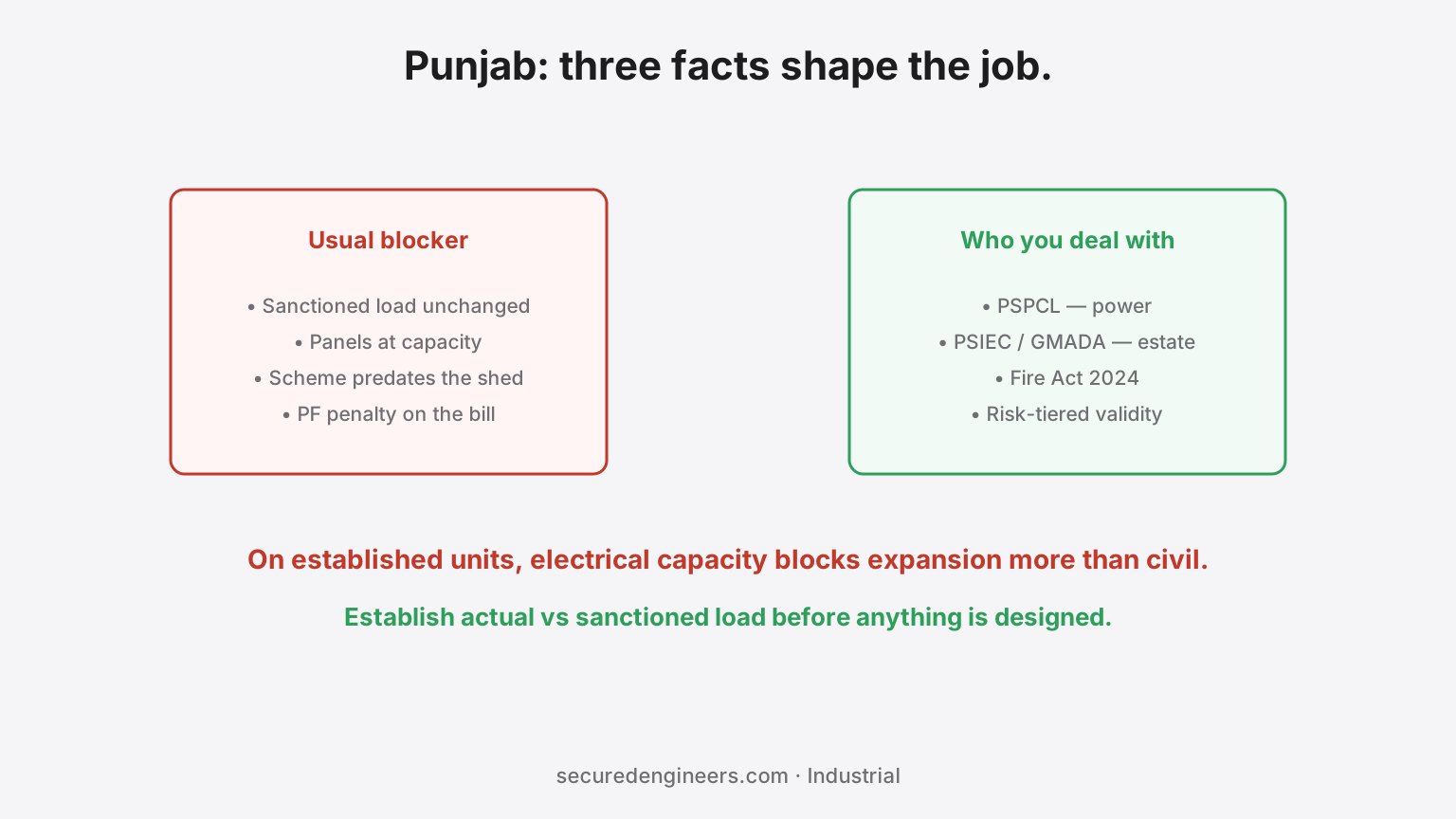
Building a Factory in Punjab: What Actually Changes on the MEP Side
Punjab has its own electricity utility, its own industrial estate authority and, since 2024, its own rewritten fire law. For MEP and approvals on a Ludhiana, Mohali or Mandi Gobindgarh plant, those three facts shape the programme.
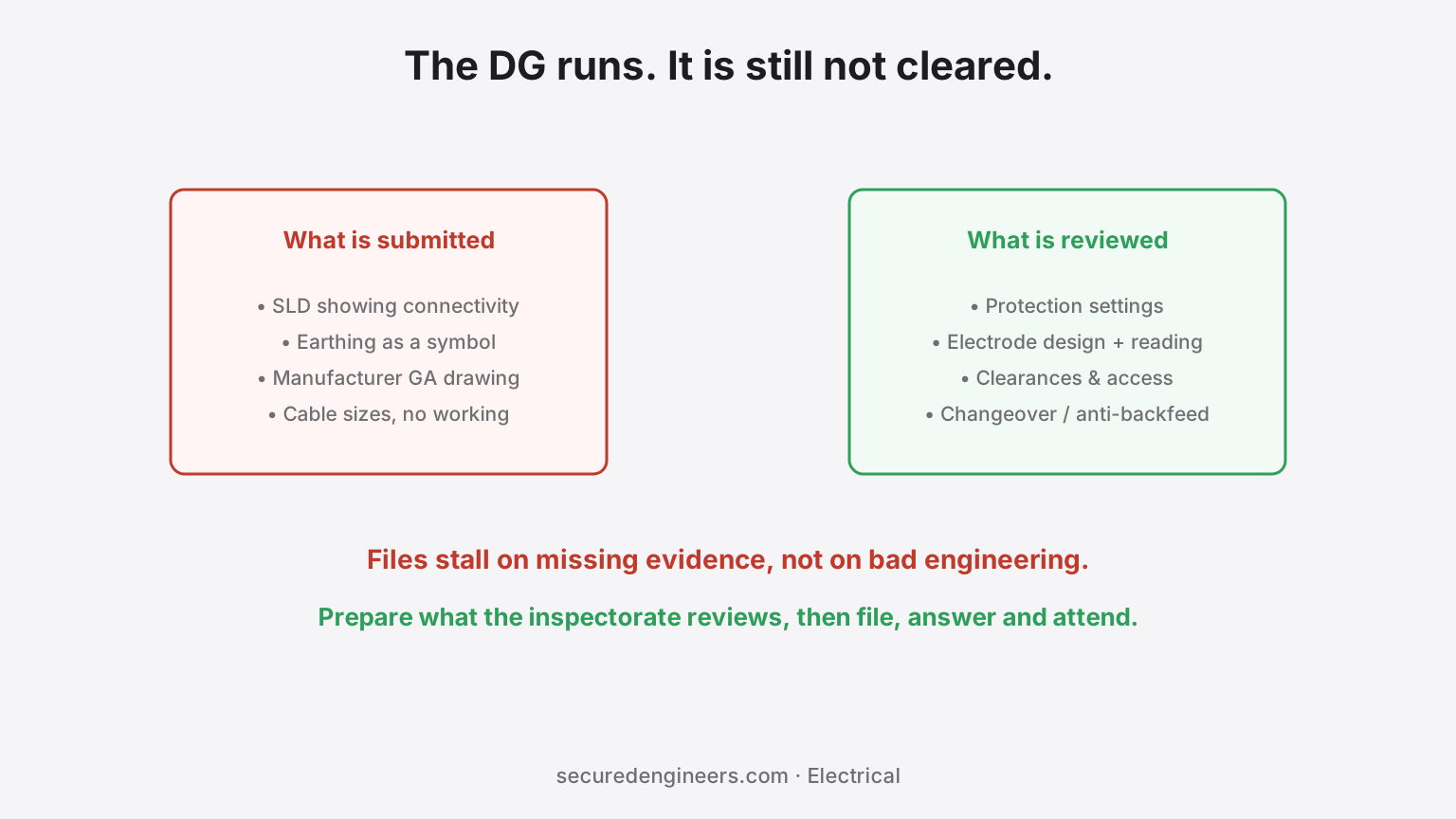
The DG Set Is Installed and Tested. The Inspectorate Still Has Not Cleared It.
A DG set is commonly treated as equipment you buy and commission. Where it falls within the electrical inspectorate scope, it is an installation requiring approval before energisation — and the drawings, not the machine, are what get scrutinised.
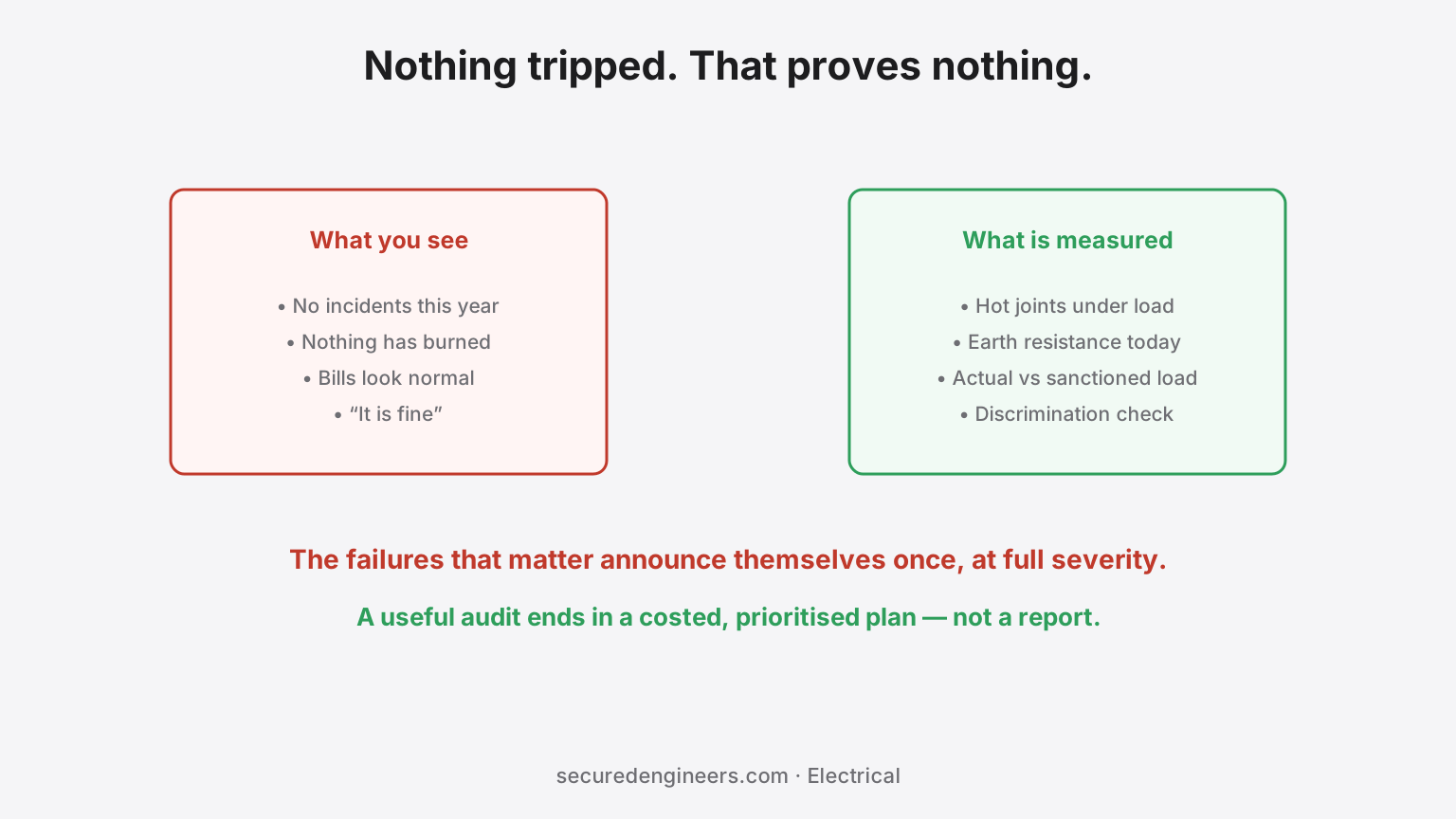
Nothing Has Tripped in Years. That Is Not the Same as Safe.
Factories treat an uneventful electrical system as a healthy one. An audit measures what an absence of incidents cannot tell you — and the findings are usually the same handful of things, quietly getting worse.
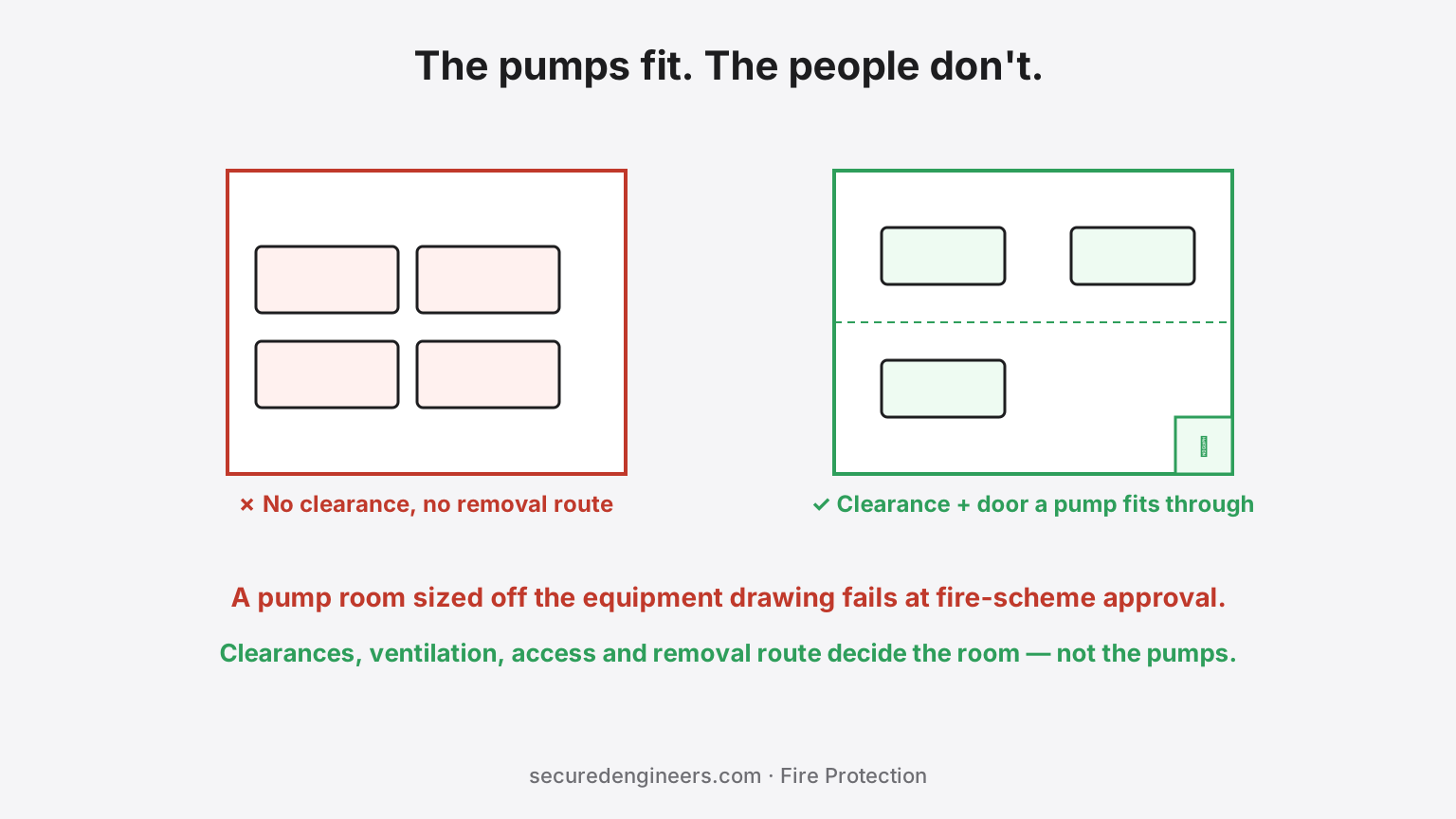
The Pump Room Fits the Pumps. It Still Fails Inspection.
Architects size a fire pump room around the equipment footprint. Inspectors assess it on clearances, access, ventilation and the ability to remove a pump for overhaul. A room that holds the pumps and nothing else is the single most common reason a fire scheme goes back for redesign after the shell is already cast.
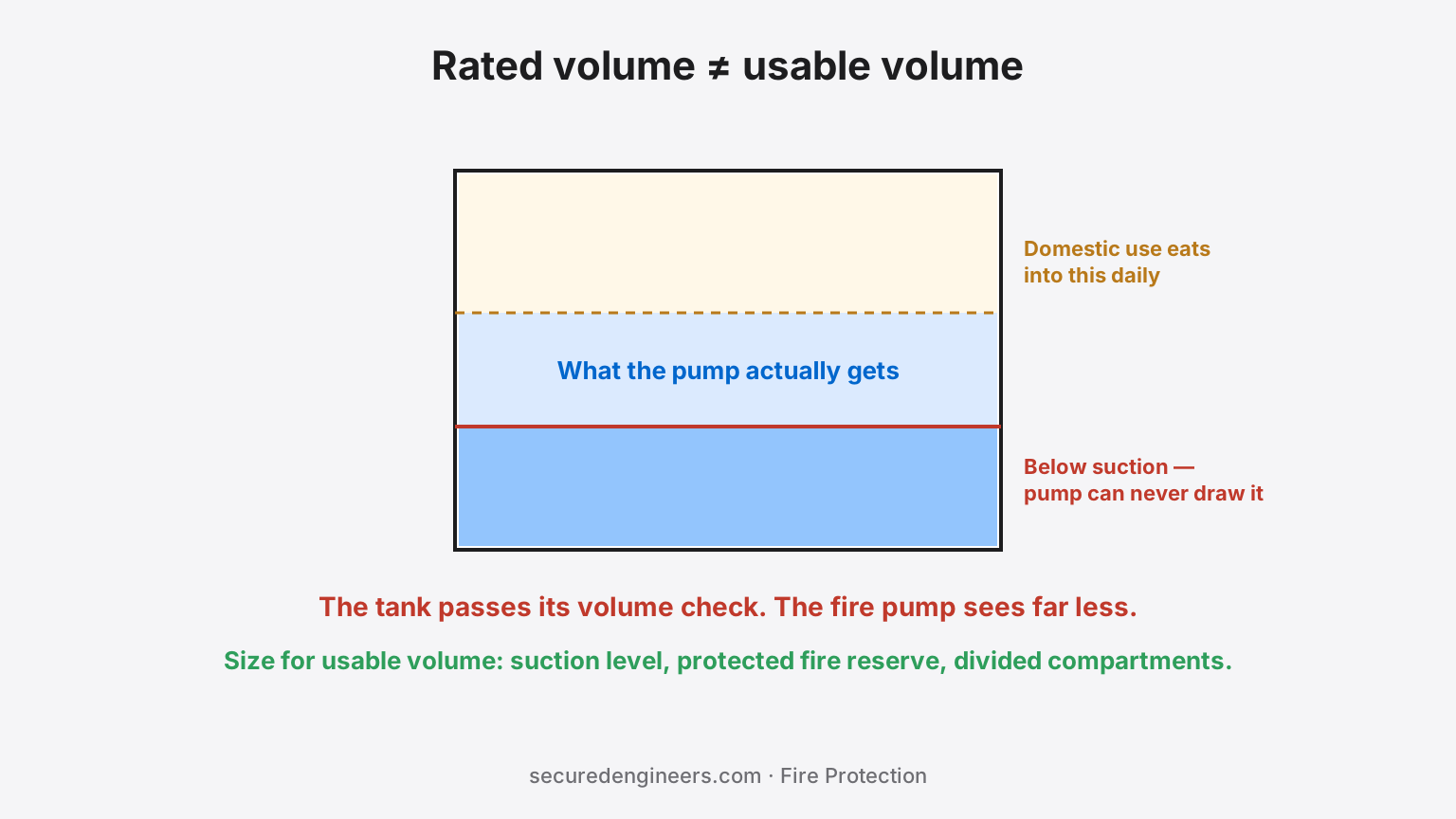
Your Fire Tank Holds the Right Volume. Half of It Cannot Reach the Pump.
Fire water storage is specified as a number of litres, so that is what gets built. But capacity is not the same as usable capacity — and tanks sized correctly on paper routinely deliver far less than their rated volume because of draw-off level, shared domestic use and suction arrangement.
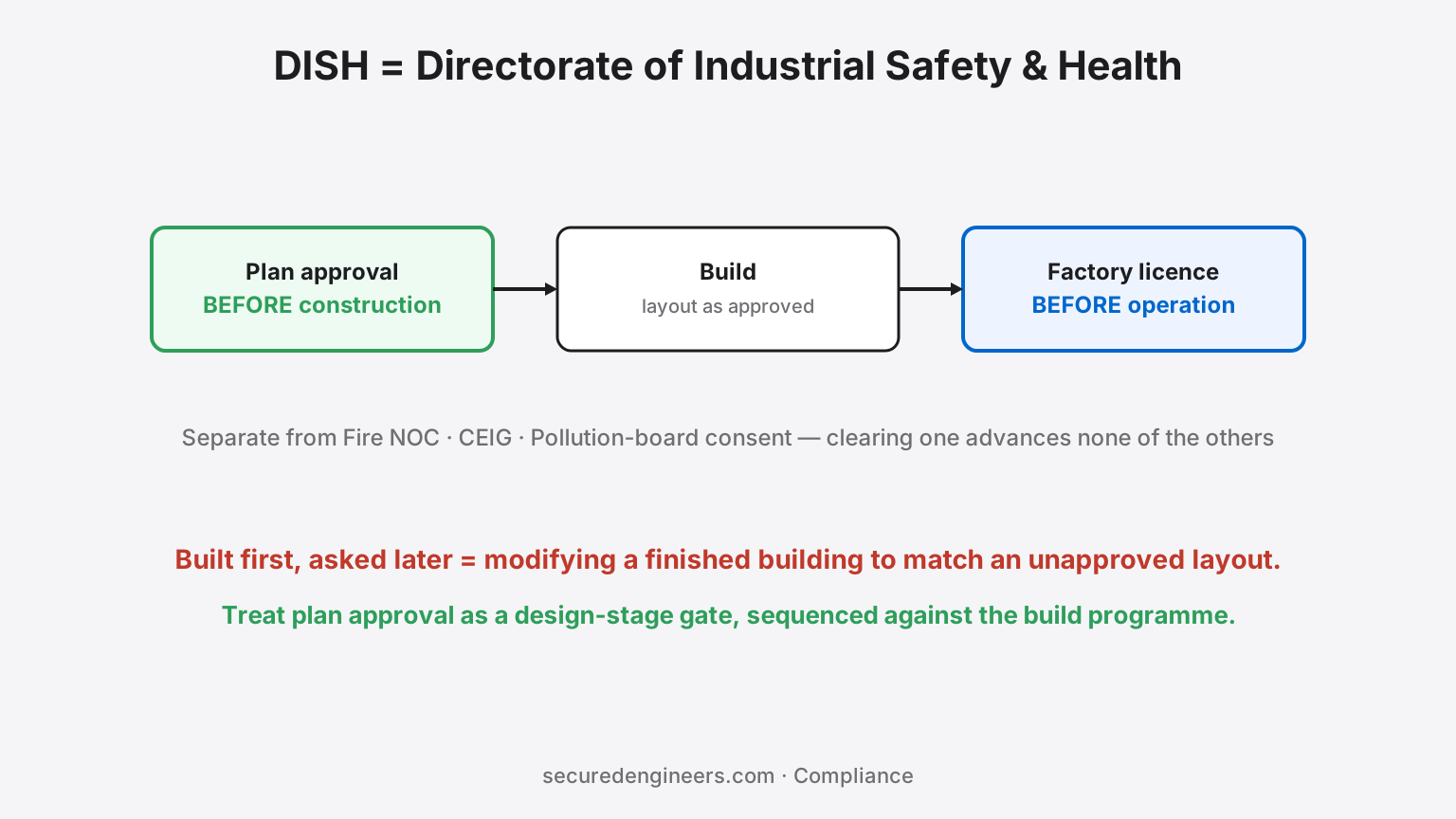
DISH Approval: The Factory Clearance Most Projects Discover Too Late
DISH is the Directorate of Industrial Safety and Health — the authority that approves factory building plans and issues the factory licence. It is a separate approval from fire, electrical and pollution clearances, it applies before construction rather than after, and missing it is one of the more expensive sequencing errors in an industrial project.
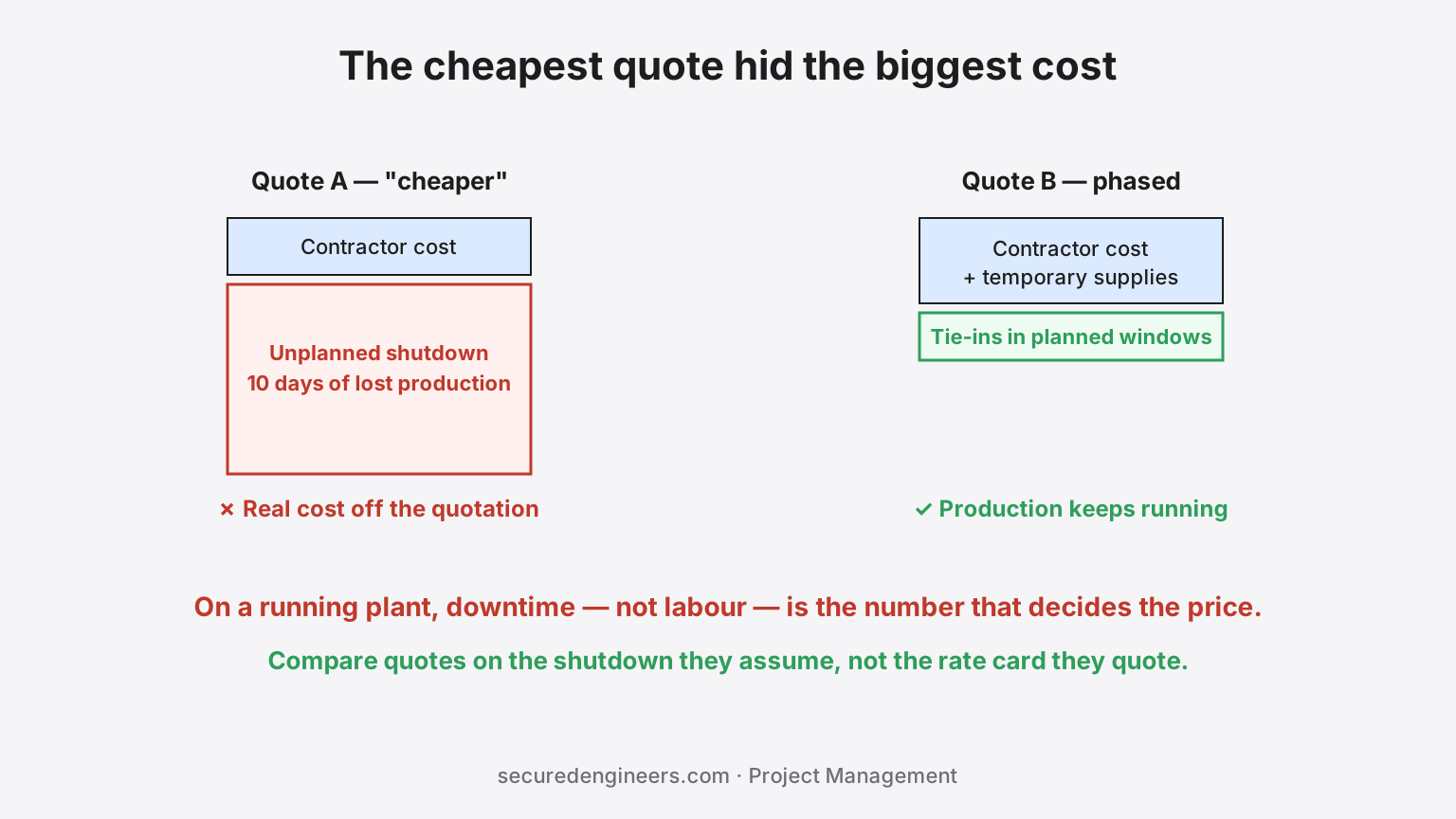
The Retrofit Quote Was Cheaper. The Shutdown It Required Cost Ten Times More.
Brownfield MEP work is priced like greenfield work — by material and labour — but its real cost is production downtime. A retrofit plan that ignores how the plant keeps running is not cheaper; it has simply moved the largest cost line off the quotation and onto the operations budget.
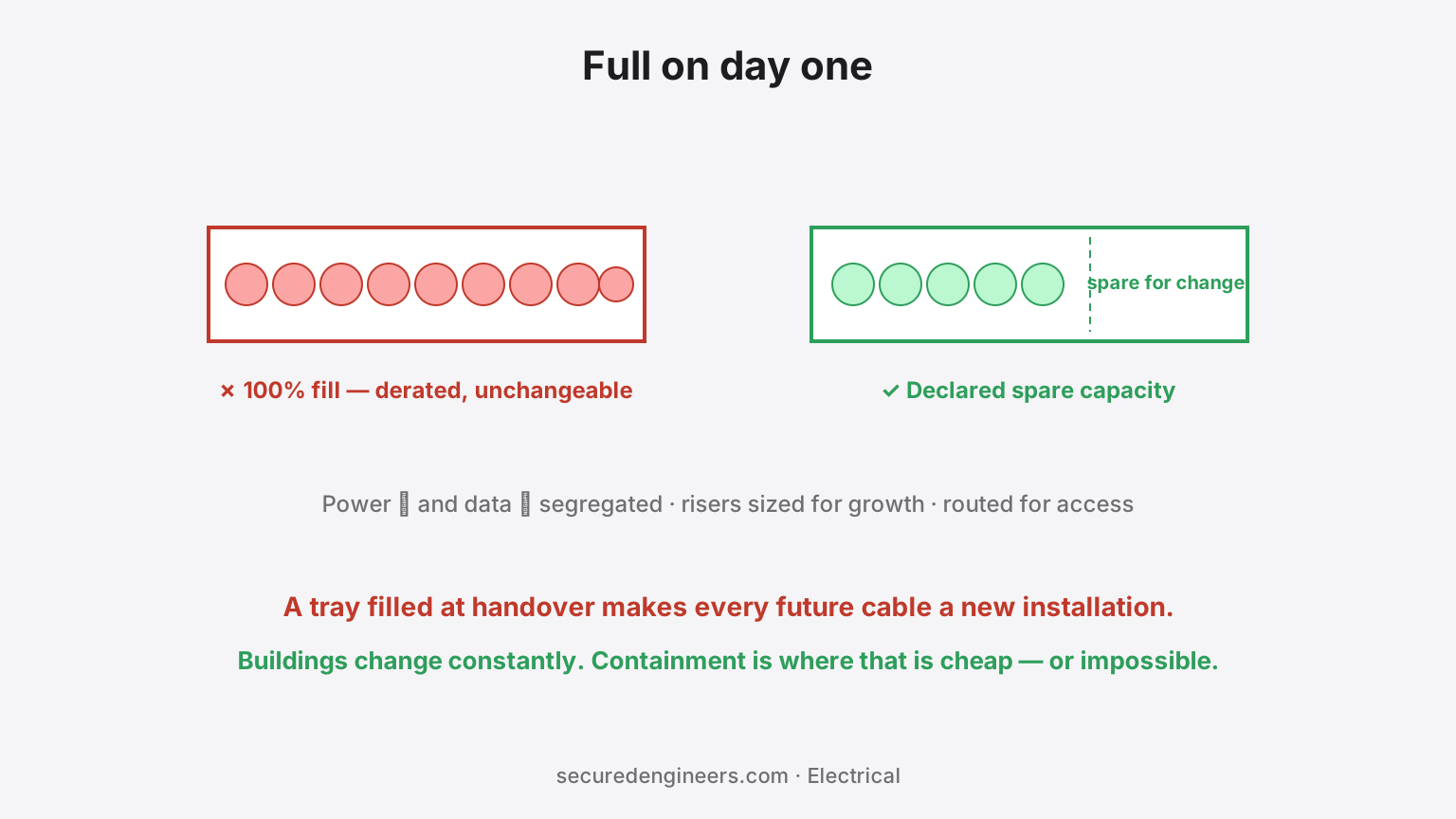
The Cable Tray Was Full on Day One. Every Change After That Cost Money.
Cable containment is treated as a commodity — trays, raceways and conduit bought on rate. But the containment decision fixes how much the electrical system can change for the rest of the building life, and a tray filled to capacity at handover makes every future addition a new installation.
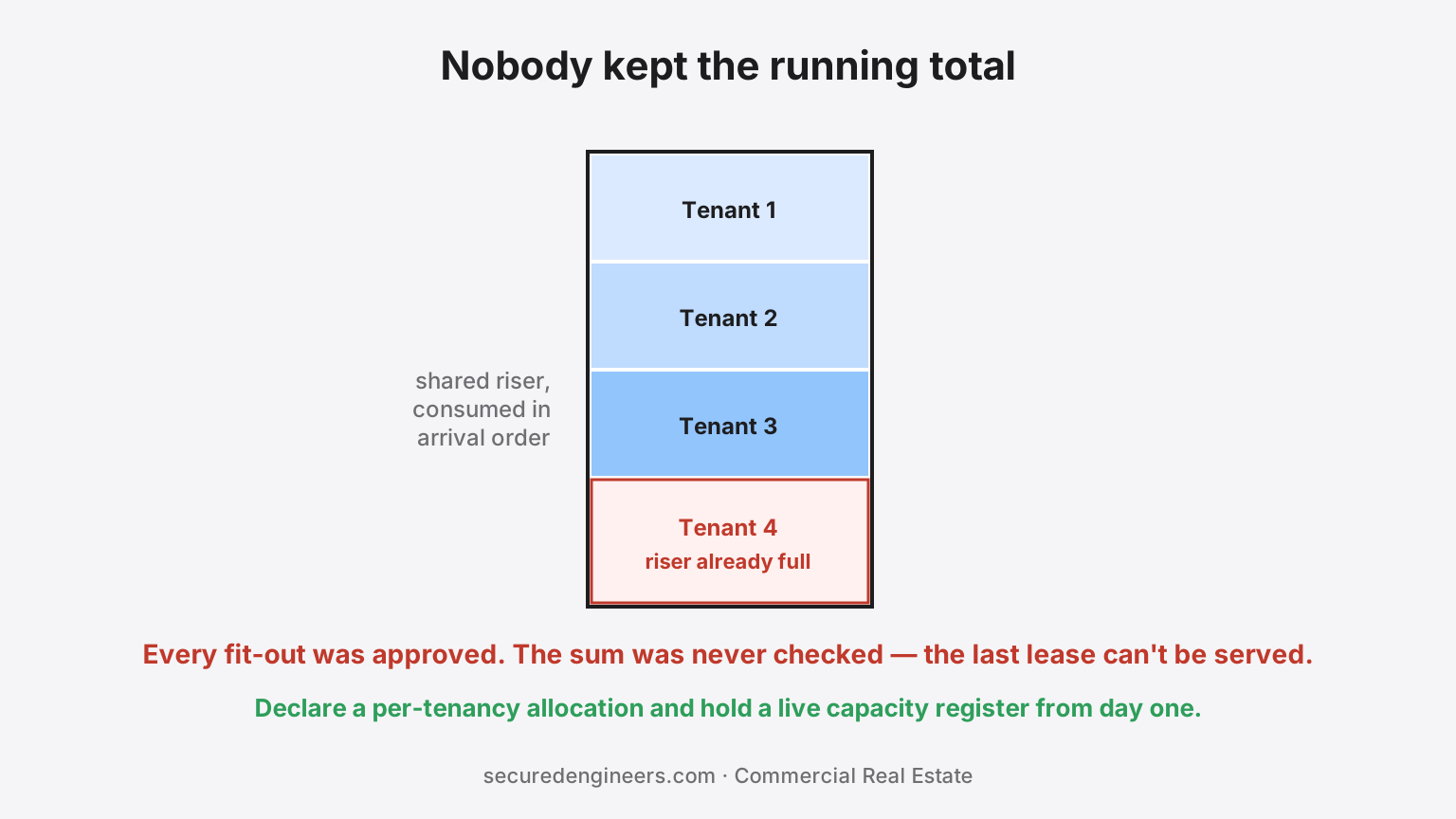
The Third Tenant Fitted Out Fine. The Fourth Found the Riser Full.
Multi-tenant buildings allocate riser and shaft capacity informally — first fit-out takes what it needs, and so does the next. Nobody holds the running total, so the tenant who signs last discovers the building cannot serve them, and the dispute lands on the landlord.
Ready to start your project?
Get a free consultation and quote. We design, take all approvals, and execute — you stay stress-free.