
Engineering guides & industry insights
MEPF, solar and fire-safety guides — page 2
Archive page 2 of 9 — practical, no-jargon guides on MEPF, solar, fire safety and approvals.
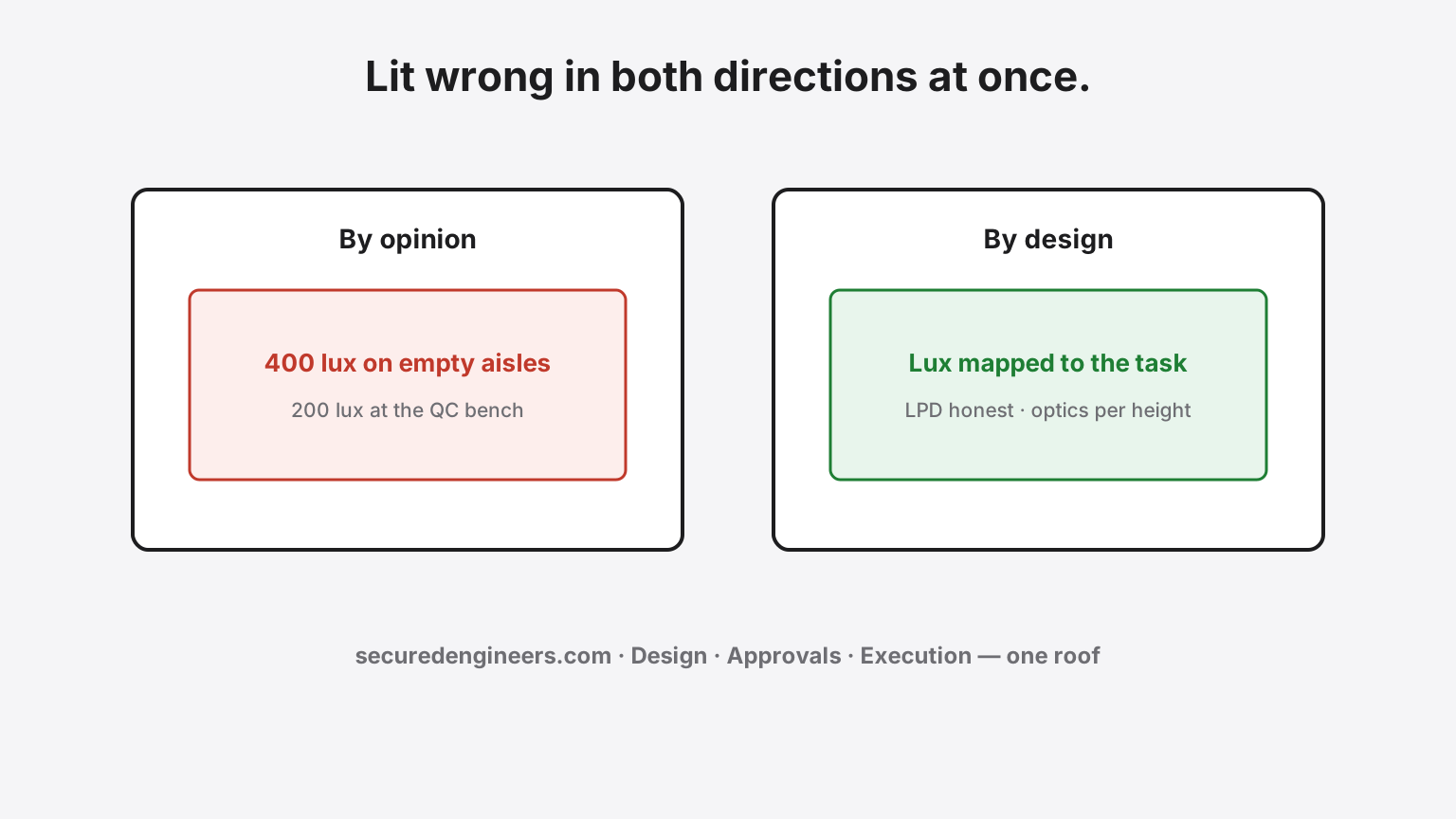
Your Shopfloor Is Probably Lit Wrong in Both Directions at Once
Walk most factories with a lux meter and you find both failures together: inspection benches squinting under 200 lux while empty aisles blaze at 400. Lighting design is matching lux to task, watts to code, and fixtures to mounting height — then not undoing it with dirt.
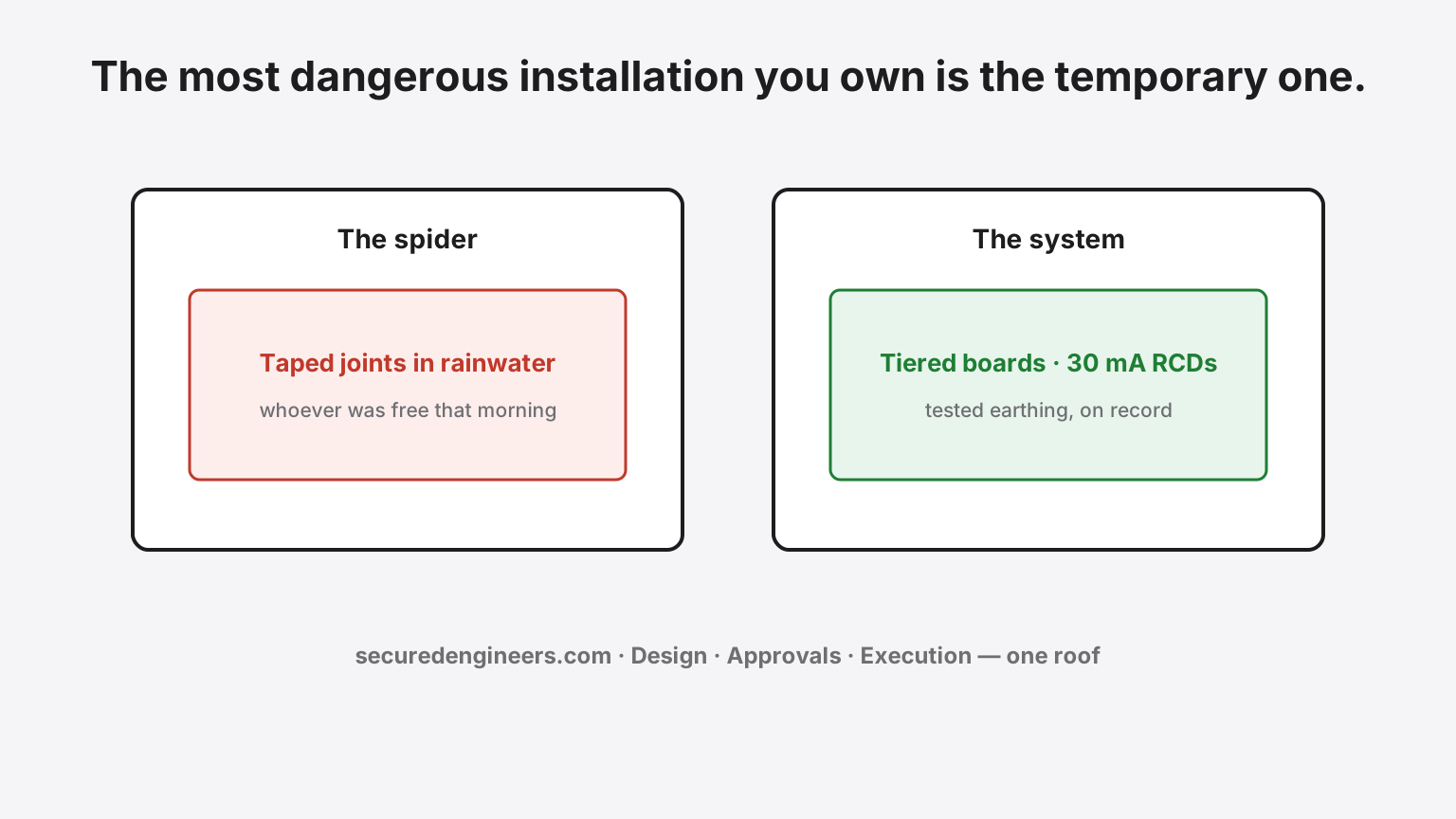
The Most Dangerous Electrical Installation You Will Ever Own Is the Temporary One
Permanent installations get design, inspection and as-builts. The site supply that builds them gets a rented DG, a spider of cables through rebar and rainwater, and whoever was free that morning. Construction power deserves engineering — it kills more people than the permanent kind.
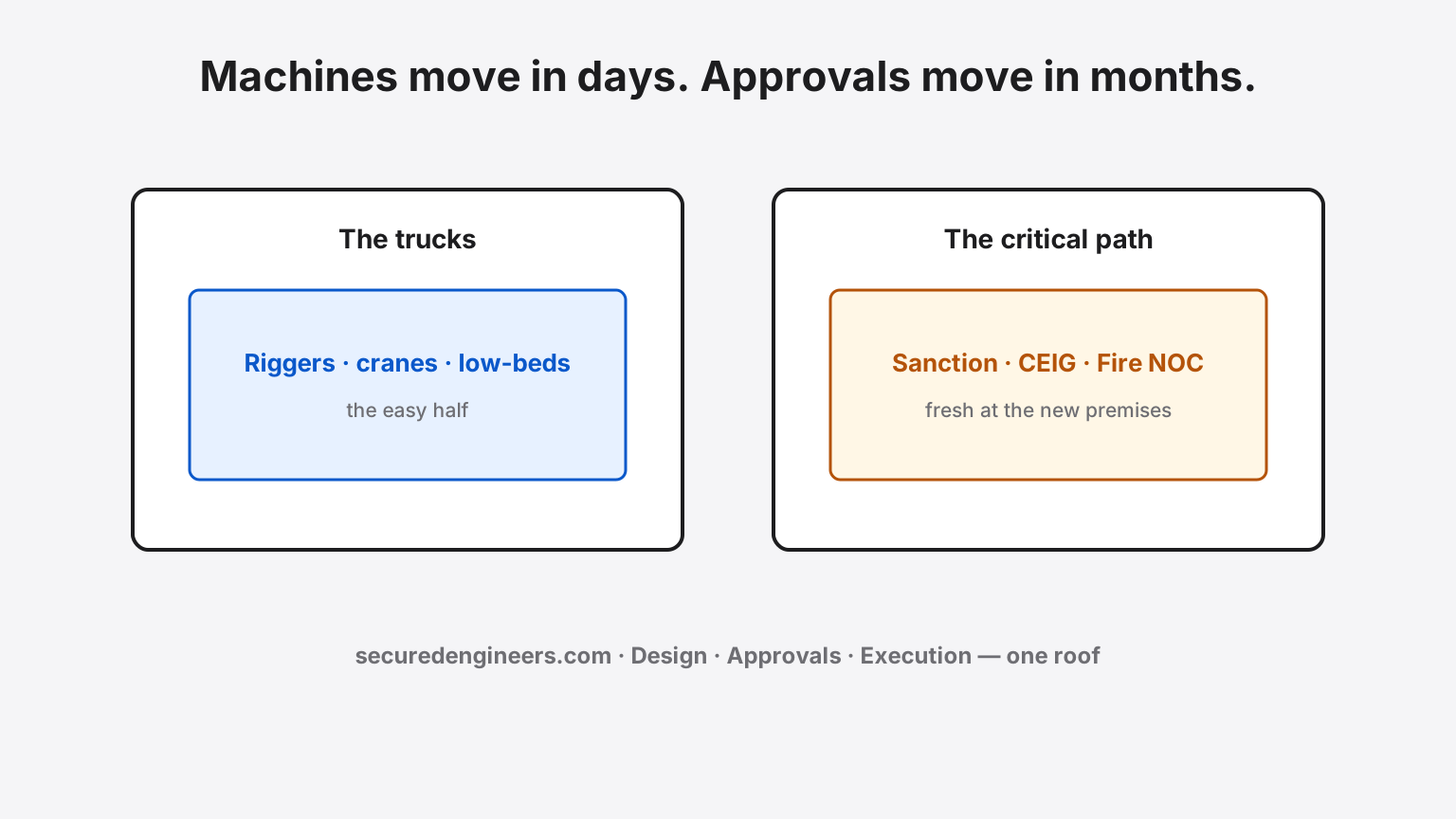
Moving the Machines Is the Easy Half of Moving a Factory
Riggers can shift a press in a weekend. What stretches into months is everything around it: power sanction and CEIG at the new premises, fire NOC from scratch, compressed air and utilities re-laid, and approvals that do not transfer with the trucks. A relocation is an MEP project wearing a logistics costume.
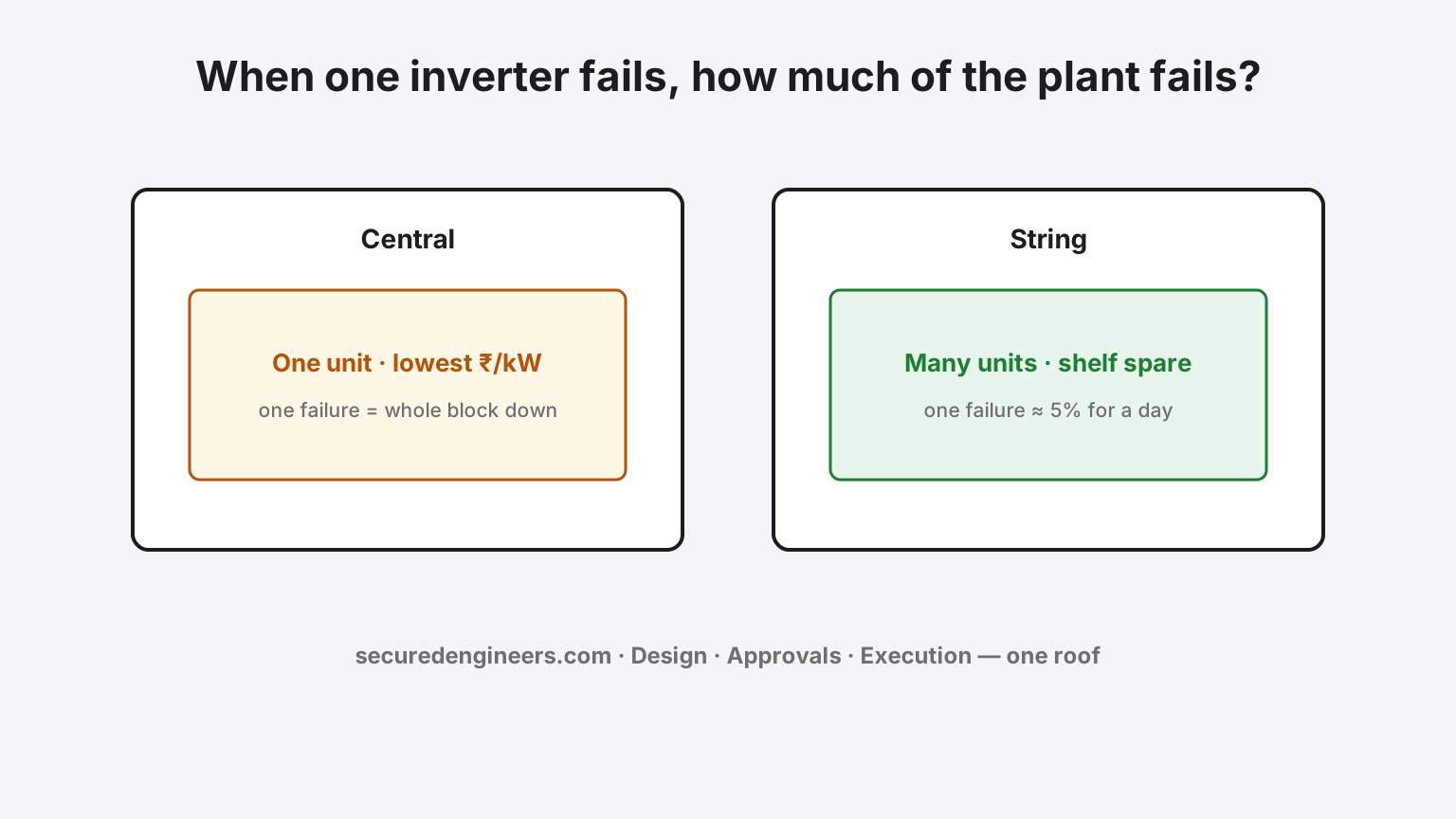
When One Inverter Fails, How Much of Your Plant Fails With It?
The inverter decision quietly sets your solar plant’s availability, monitoring granularity and 12-year replacement bill. String, central, or micro — the honest selection logic for Indian C&I rooftops, beyond brand loyalty.
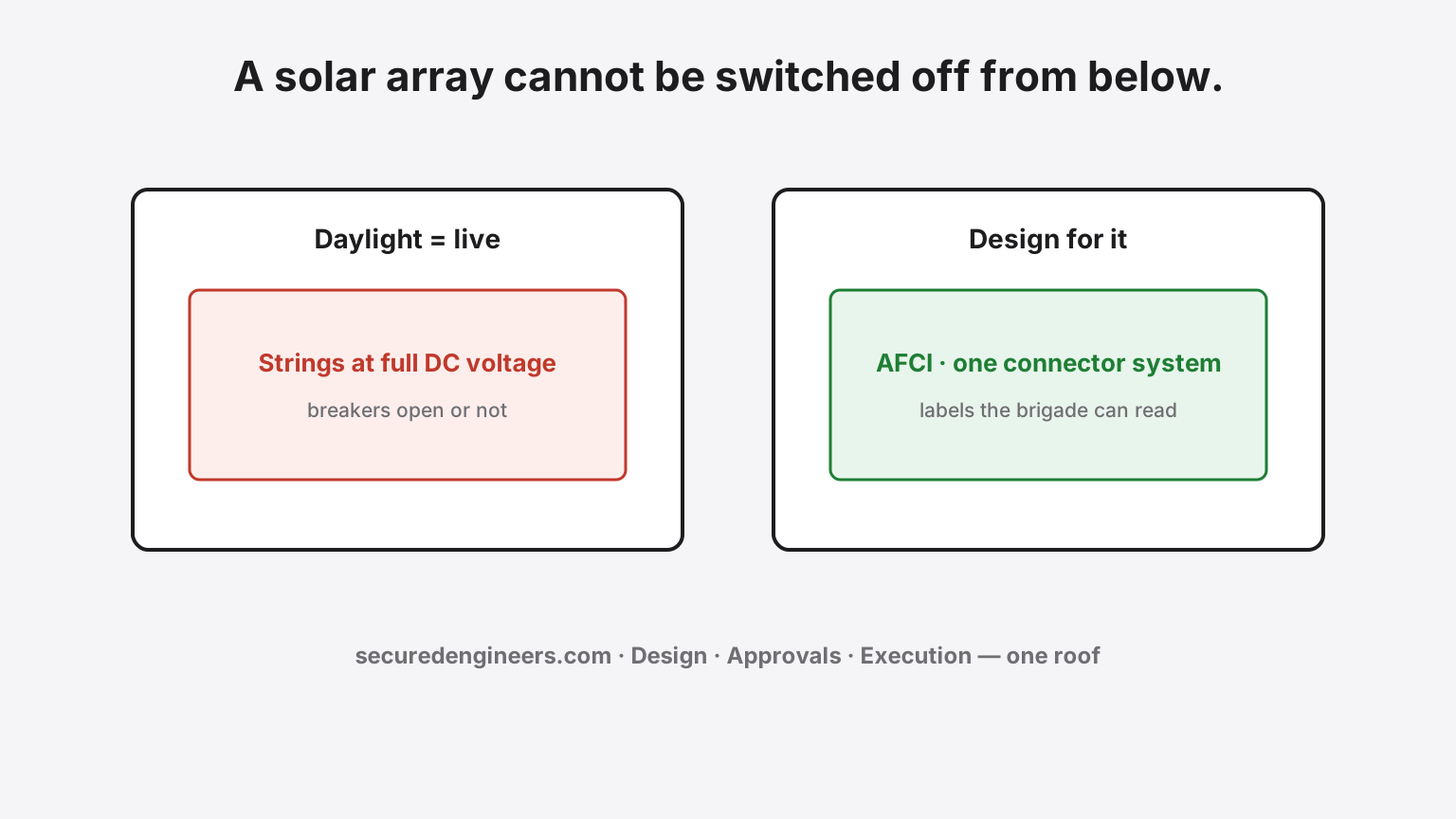
A Solar Array Cannot Be Switched Off From Below. Design for That.
While the sun shines, every string on your roof sits at hundreds of volts DC — breaker open or not. DC arcs don’t self-extinguish, mismatched connectors smoulder for months, and firefighters treat energised roofs differently. Solar fire safety is a design discipline, not an accessory.
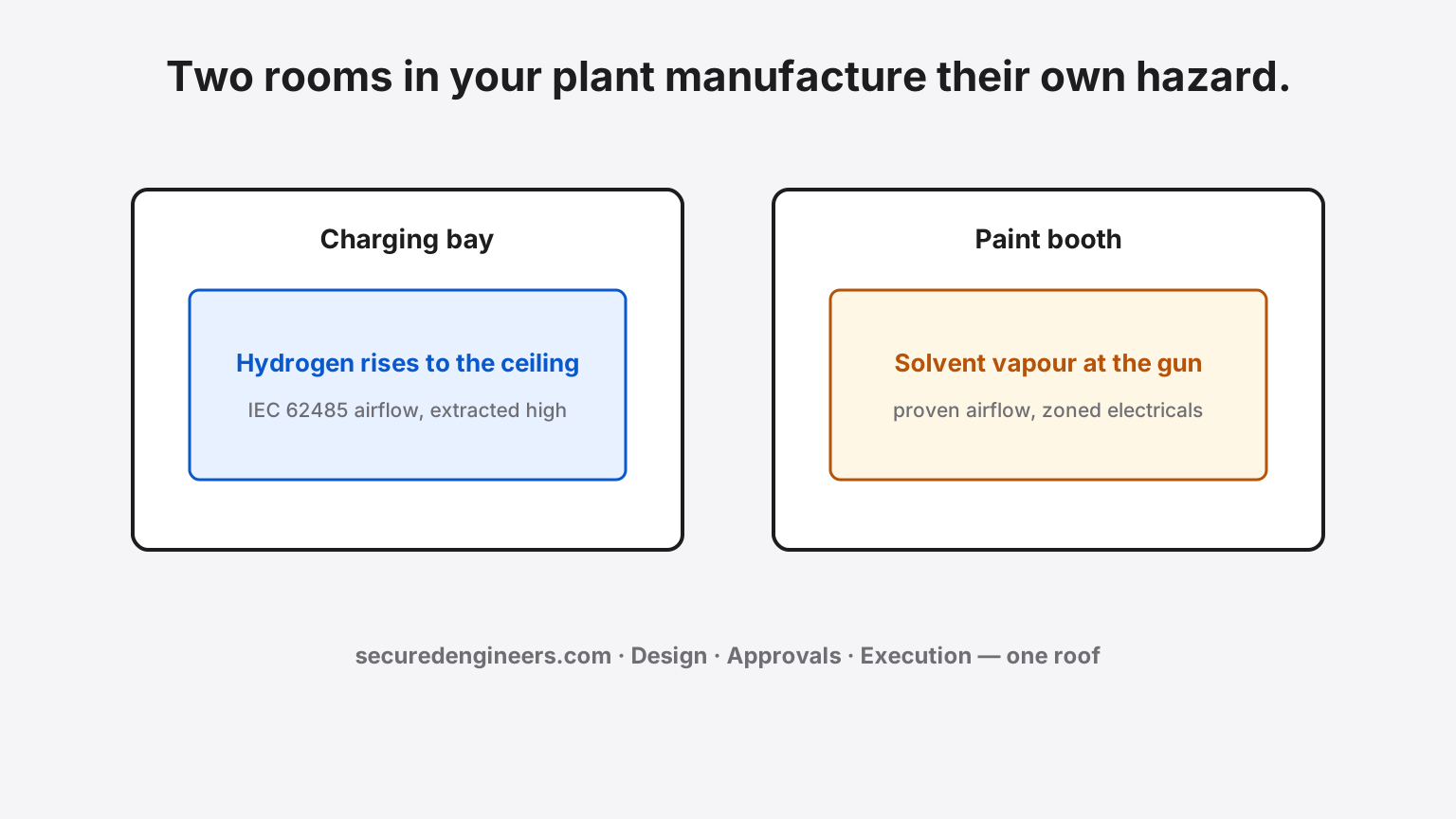
Two Rooms in Your Factory Are Quietly Manufacturing an Explosive Atmosphere
The forklift charging bay makes hydrogen. The paint booth makes solvent vapour. Both are ordinary rooms right up until ventilation fails — then they are ignition events waiting for a spark. The engineering that keeps them ordinary is specific and mostly invisible.
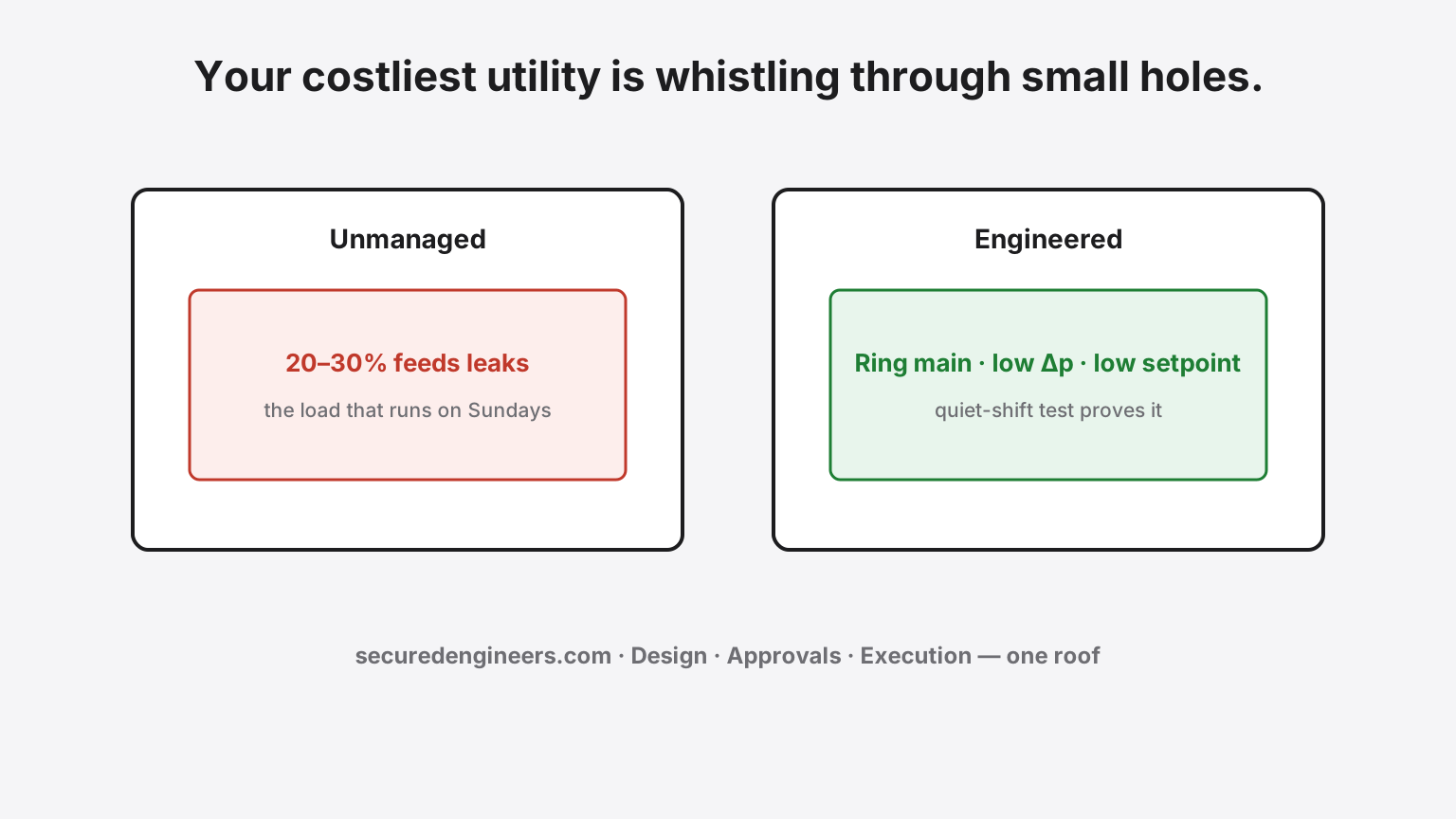
Your Most Expensive Utility Is Whistling Away Through a Hundred Small Holes
Compressed air costs many times what the same energy costs as electricity at the socket — and in unmanaged plants a fifth to a third of it typically escapes through leaks before doing any work. The fix is unglamorous engineering: piping design, pressure discipline, and a leak-hunting habit.
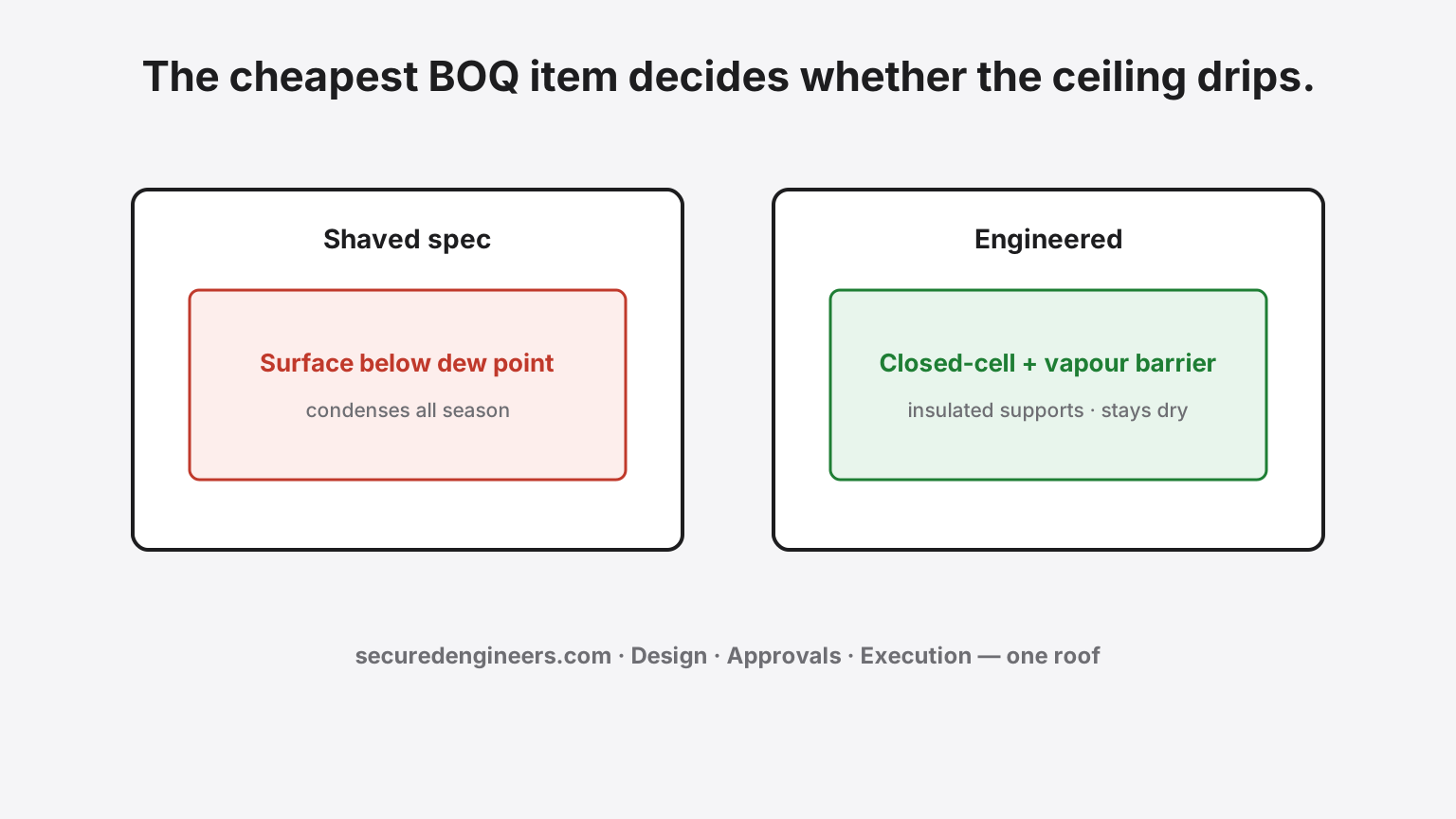
The Cheapest Item in Your HVAC BOQ Decides Whether the Ceiling Drips
Insulation is where HVAC value engineering goes to hide — a few millimetres shaved, a vapour barrier skipped, closed-cell swapped for open. The bill arrives as dripping ceilings, mouldy shafts and a chiller that works nights. The physics is unforgiving and worth five minutes.
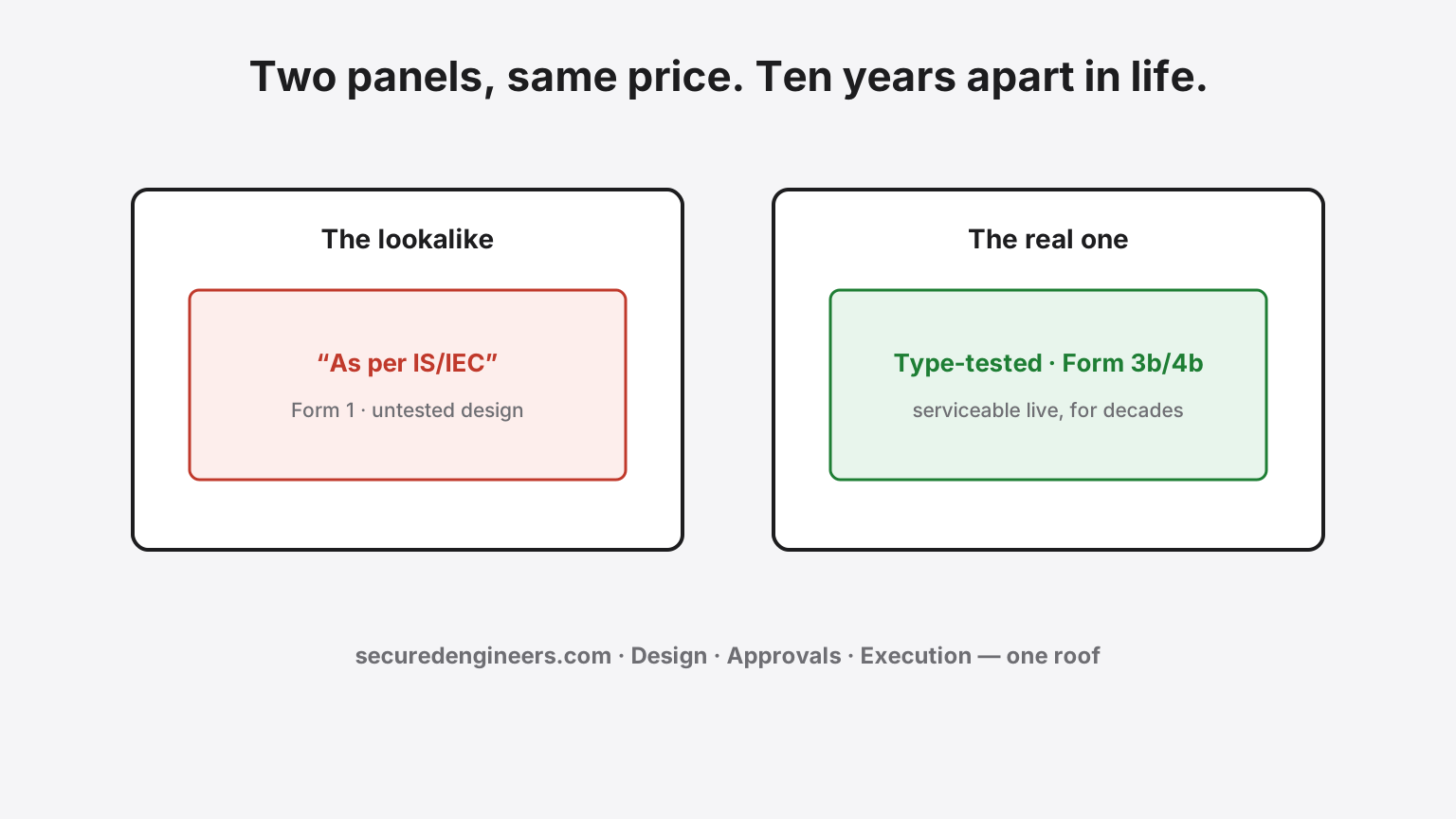
Two Panels, Same Price, Ten Years Apart in Life: Reading an LT Panel Spec
Every LT panel quote says 'as per IS/IEC'. The difference between a panel that serves twenty years and one that becomes a maintenance hazard hides in four unglamorous specifications: form of separation, IP rating, fault withstand, and type-testing.
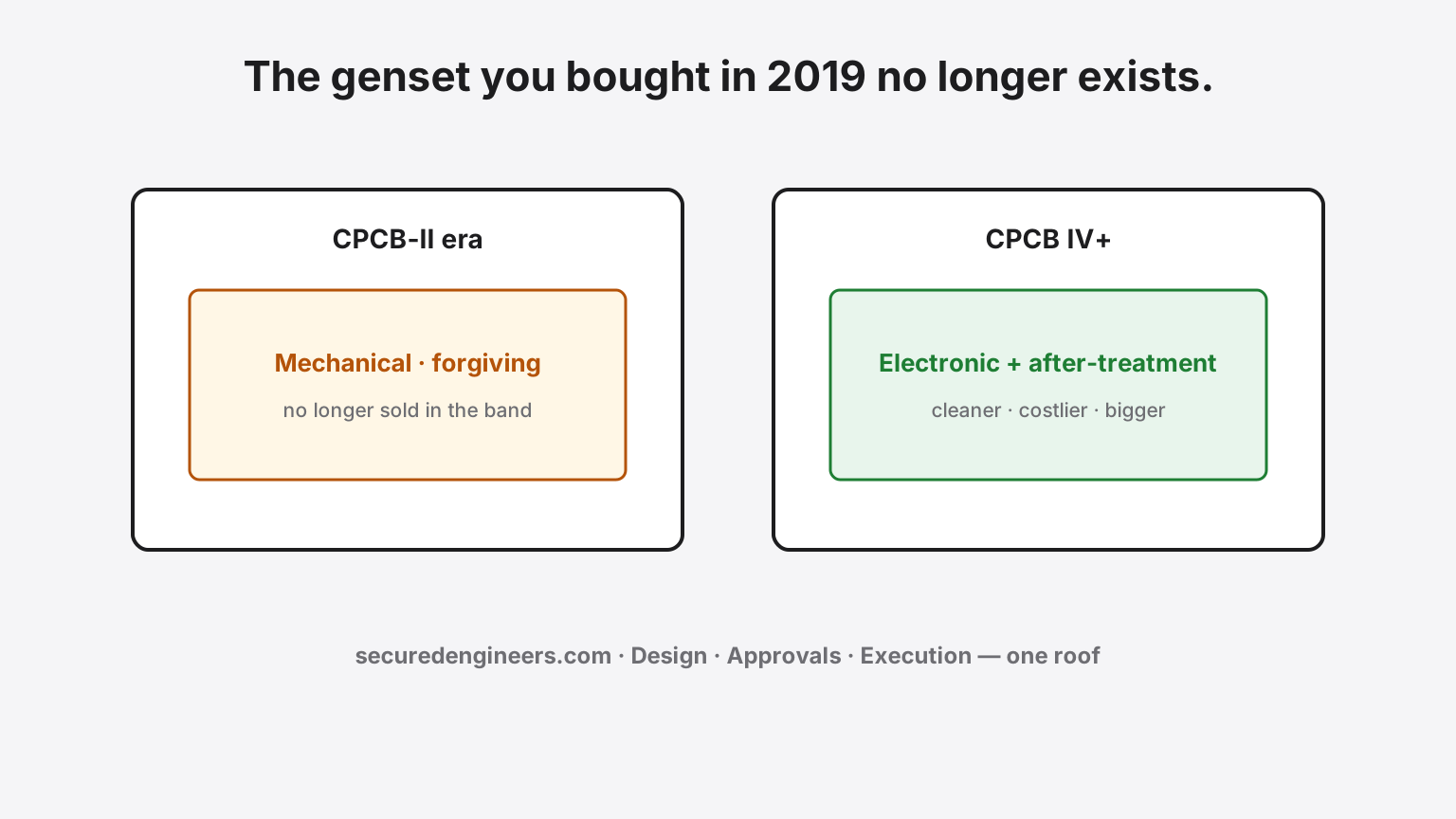
The DG Set You Bought in 2019 Is Not the DG Set You Can Buy Today
CPCB IV+ rewrote what a new genset is: emission limits that force after-treatment, electronic engines, and a real price and footprint difference. If your backup-power plan still assumes 2019-era machines and prices, it is out of date.
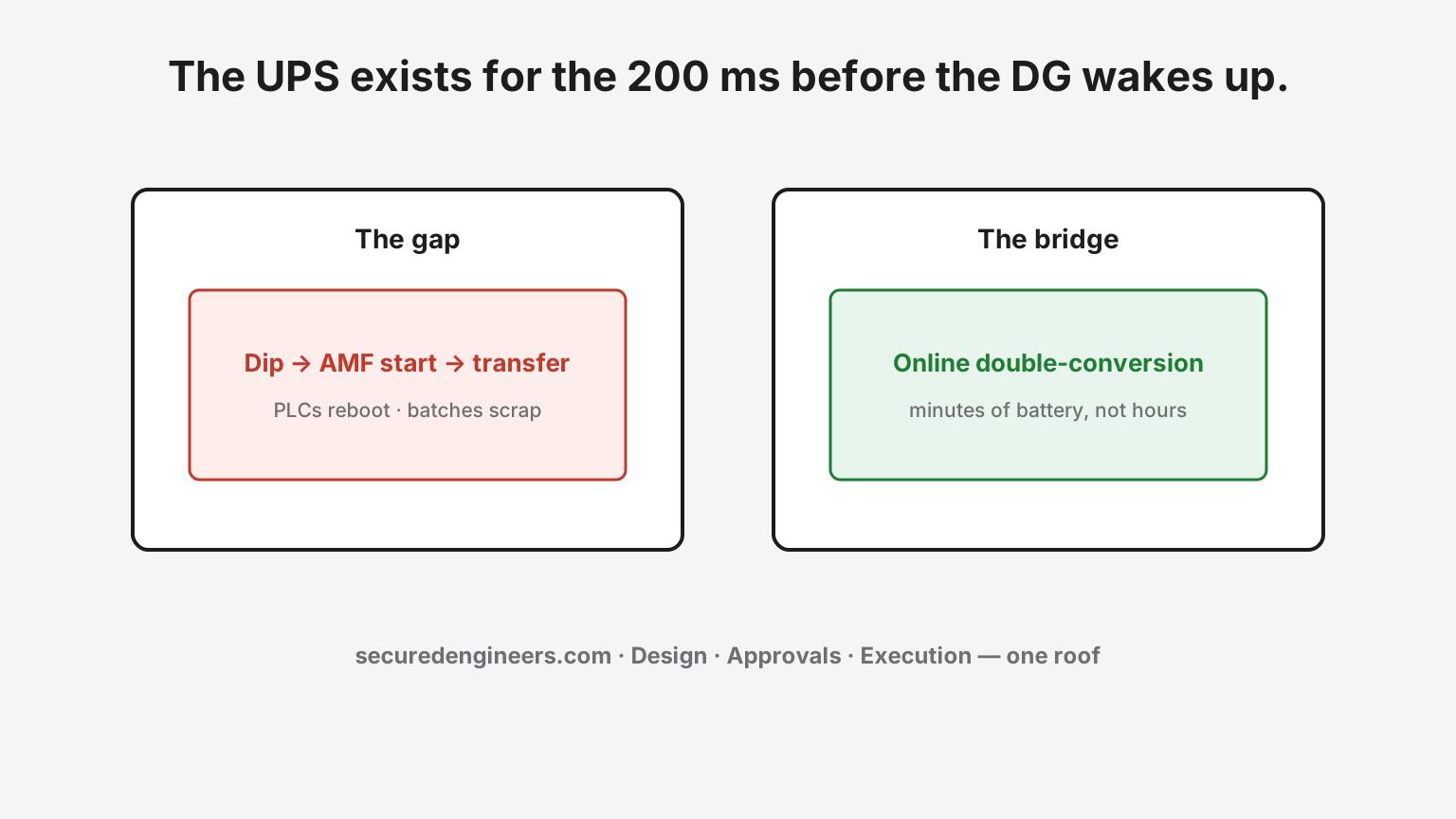
Your UPS Is Not for Power Cuts. It Is for the 200 Milliseconds Before the DG Wakes Up.
Factories buy UPS capacity the way they buy stabilizers — by habit and by kVA. Then a half-second voltage dip scraps a batch anyway. What a UPS is actually for, which topology earns its cost, and how to size the battery honestly.
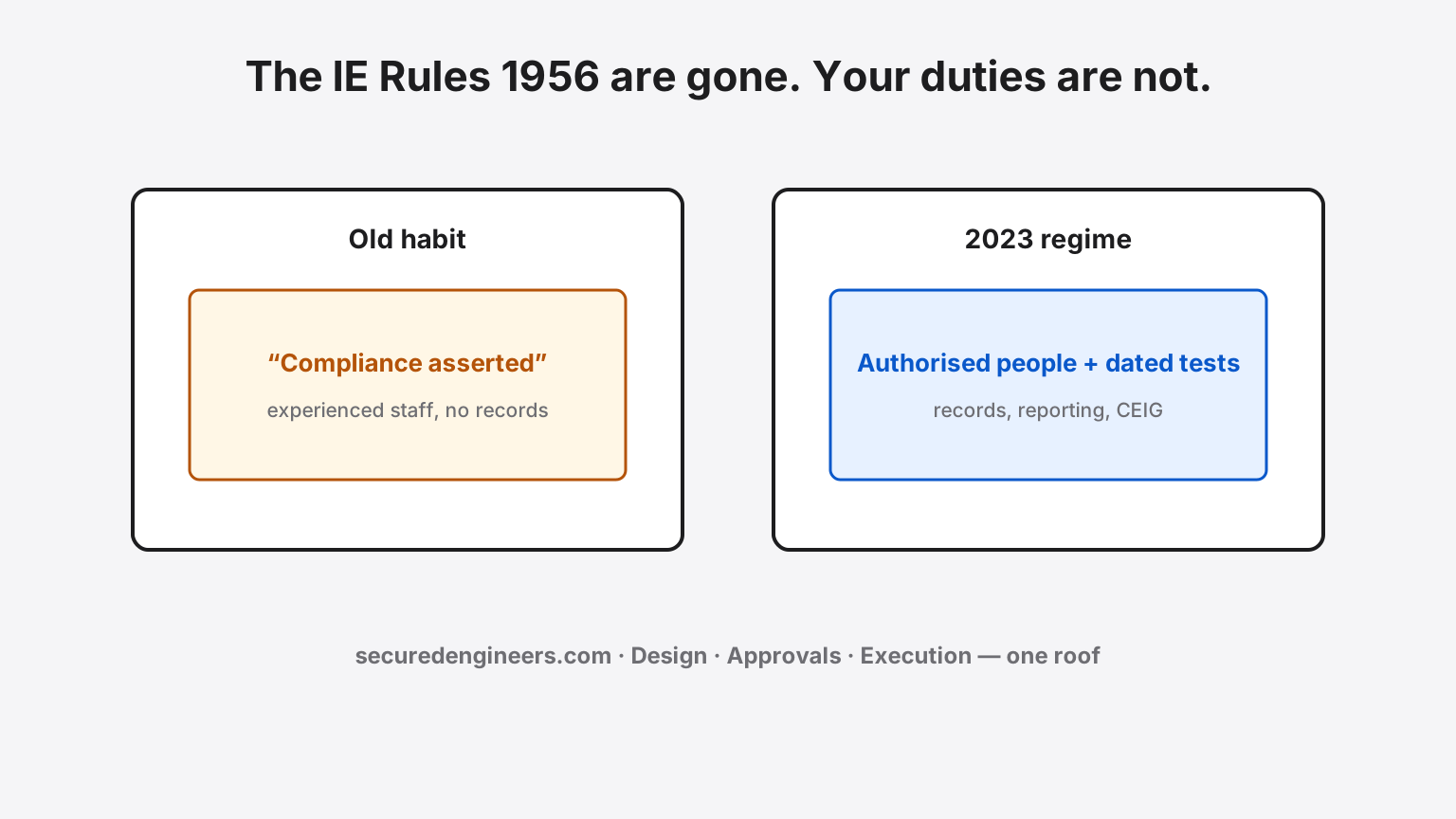
The IE Rules Are Gone. Here Is What You Are Personally on the Hook for Now.
Generations of Indian electrical practice ran on the Indian Electricity Rules, 1956. They have been replaced — the CEA's safety regulations now define an owner's duties: designated supervision, periodic testing, records, and accident reporting. Most facility owners have not read a line of them.
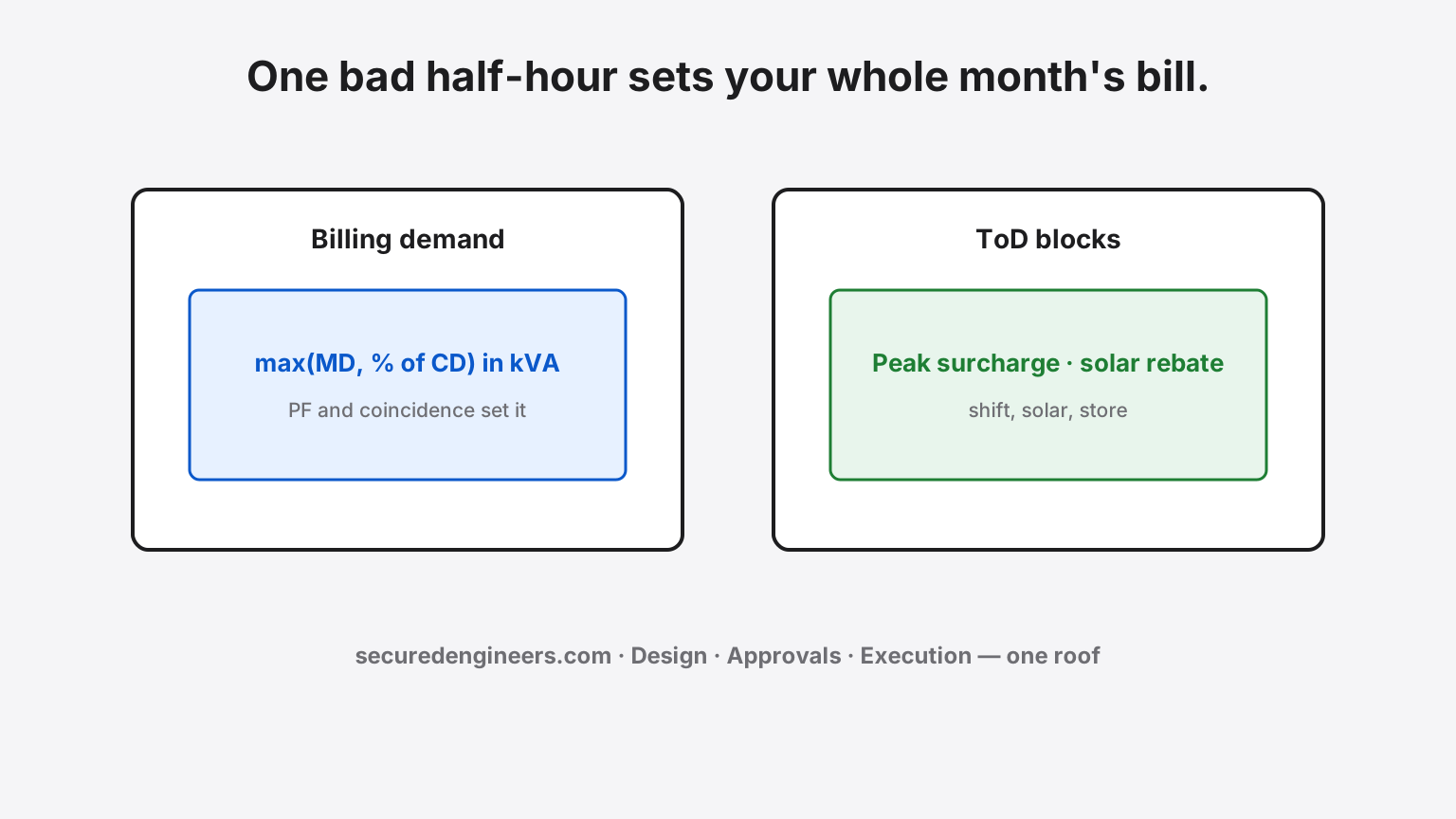
You Are Probably Paying for kVA You Never Use — or Getting Fined for kVA You Touched Once
Two lines on your electricity bill quietly outrank the energy charge: billing demand and time-of-day adjustments. Both are tunable. Most factories have never tuned either — they set contract demand at connection time and never looked again.
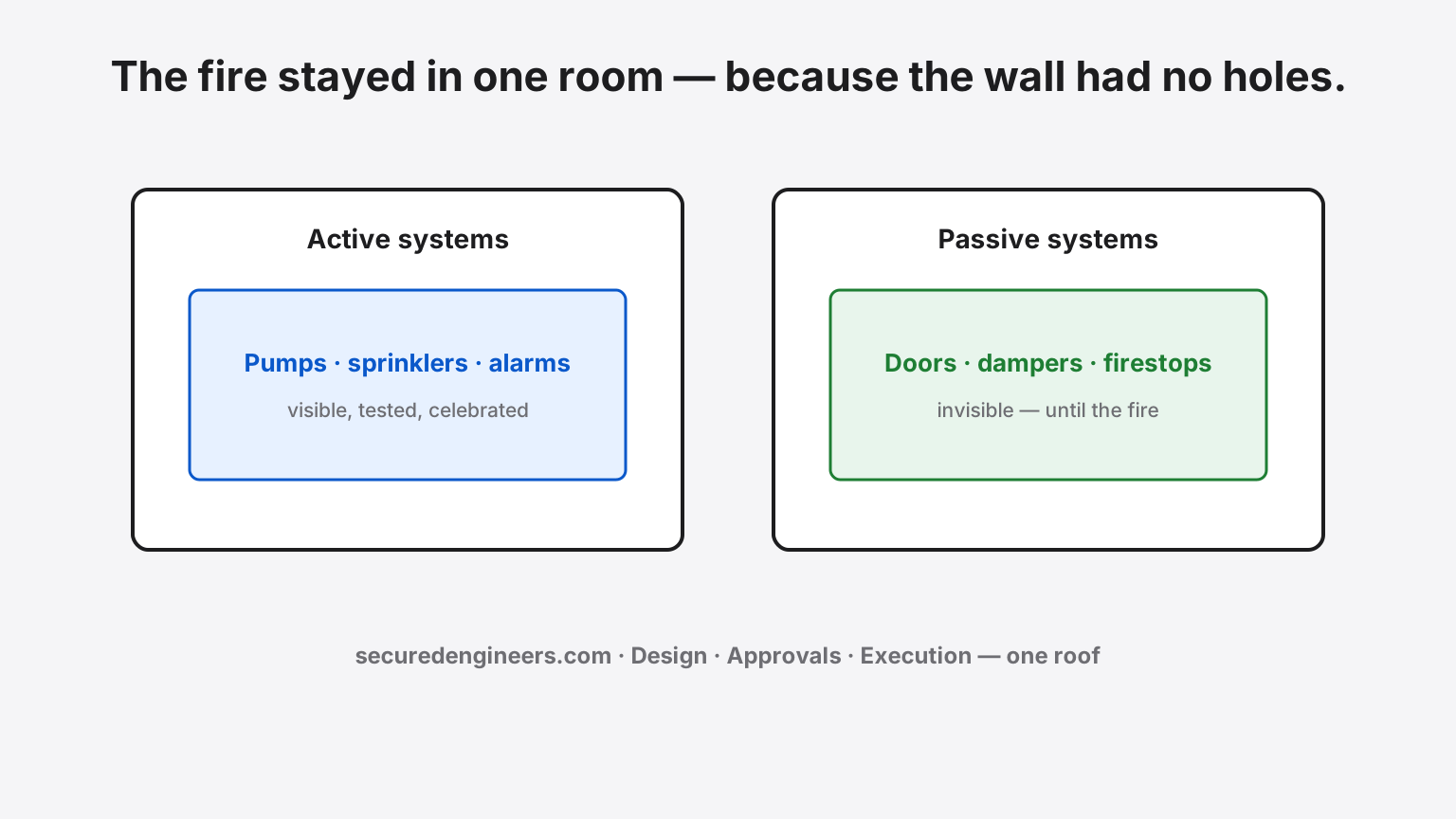
Your Sprinklers Are Fine. The Hole Around the Cable Tray Is What Kills the Compartment.
Hydrants and sprinklers get all the attention because they are visible. Compartmentation — fire doors, dampers, and sealed service penetrations — is what actually holds smoke and fire to one zone. It is also the part most buildings quietly lose in the first year of fit-outs.
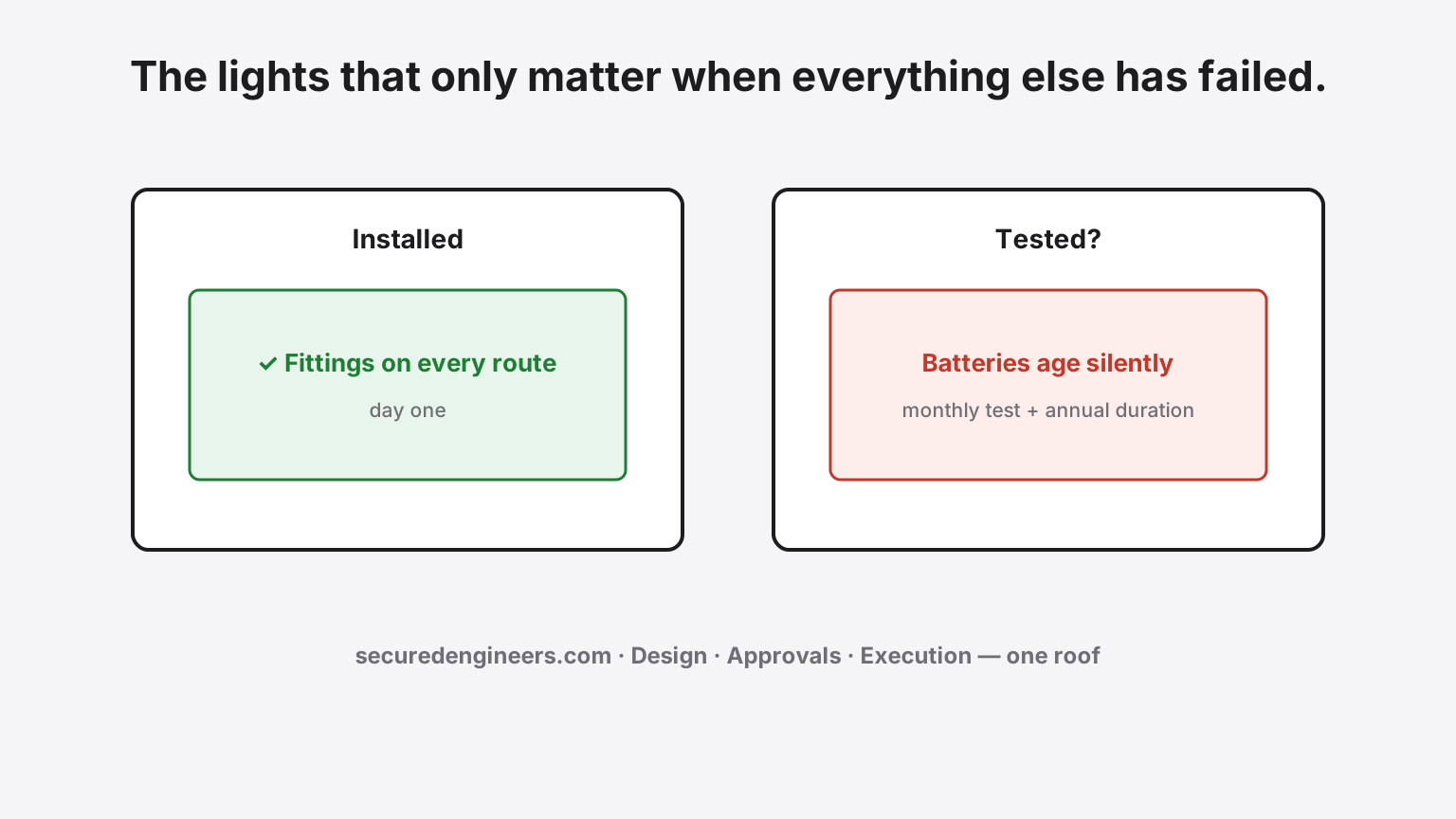
The Lights That Only Matter When Everything Else Has Failed
Emergency lighting is the one electrical system whose entire job happens after the electrical system is gone. Most buildings install it once, test it never, and discover its condition during a Fire NOC renewal — or an actual evacuation.
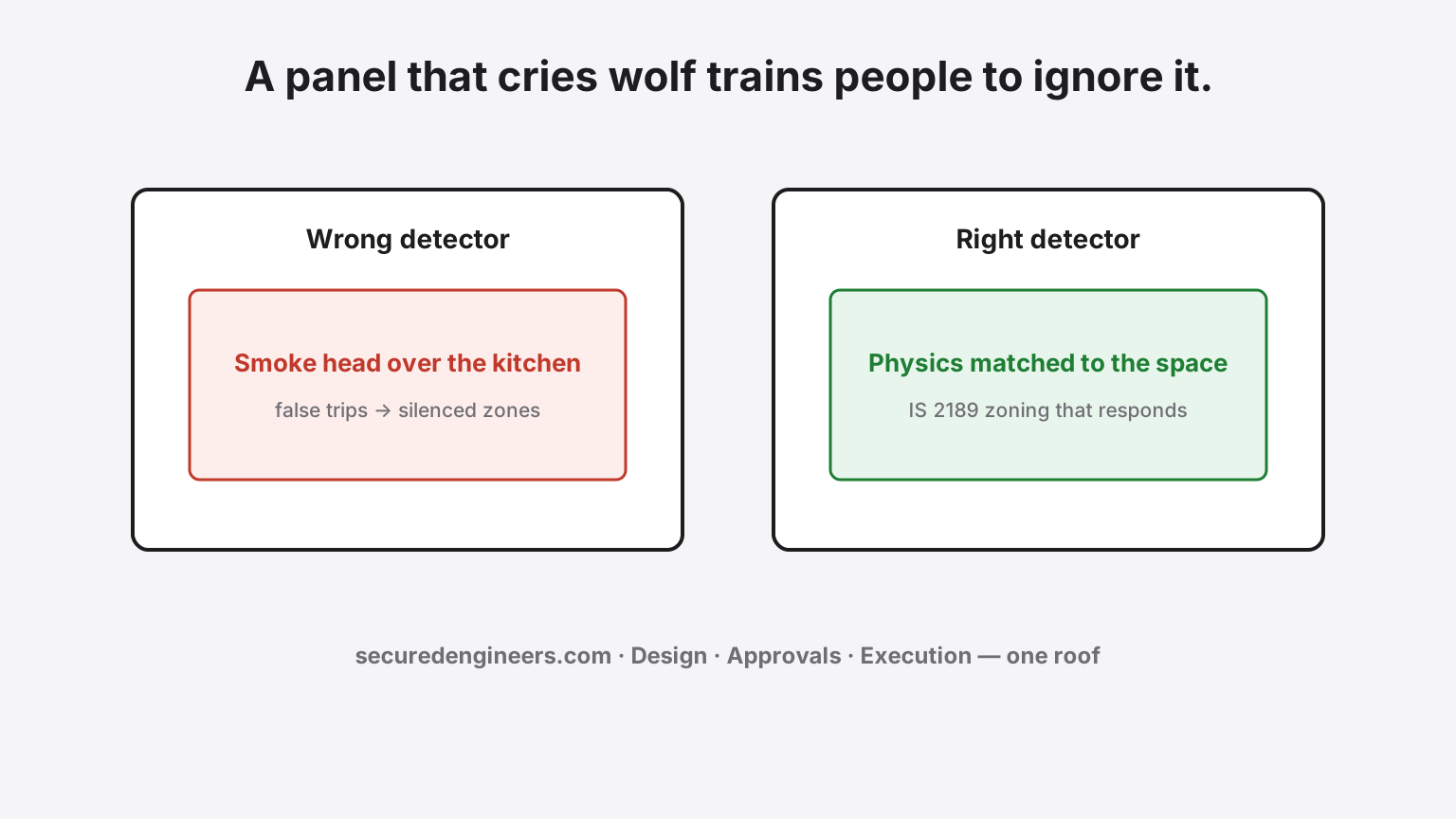
A Fire Alarm That Cries Wolf Is Worse Than No Alarm at All
After the third false evacuation, your team stops believing the panel — and someone puts the sounders on silent. False alarms are not bad luck; they are almost always a detector-selection or placement error that was baked in at design.
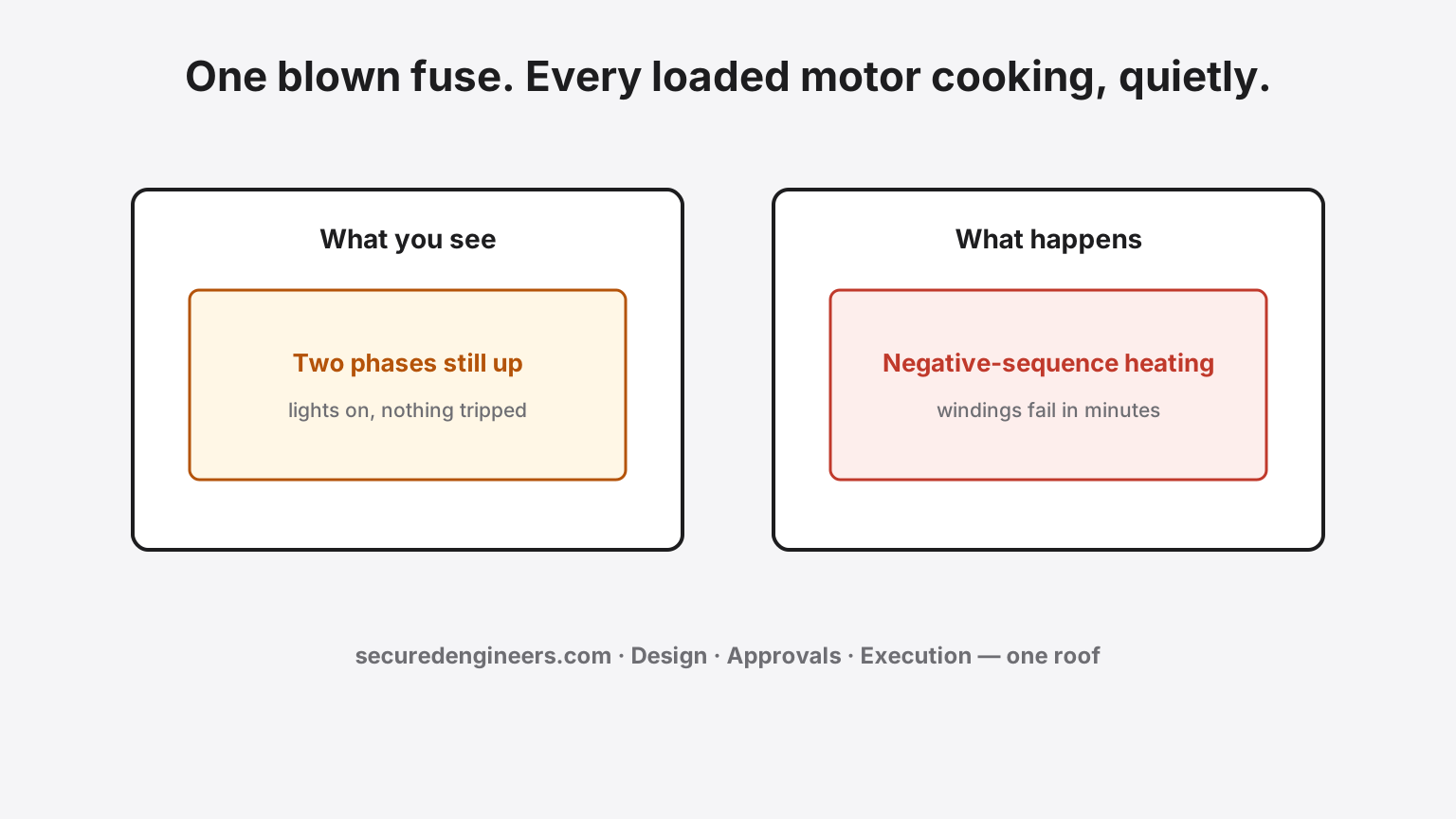
One Blown Fuse, Forty Burnt Motors: The Anatomy of Single Phasing
A three-phase motor does not stop when it loses a phase — it keeps running, overheating on negative-sequence currents until the windings cook. One upstream fuse can take out every unprotected motor on the line, in minutes.
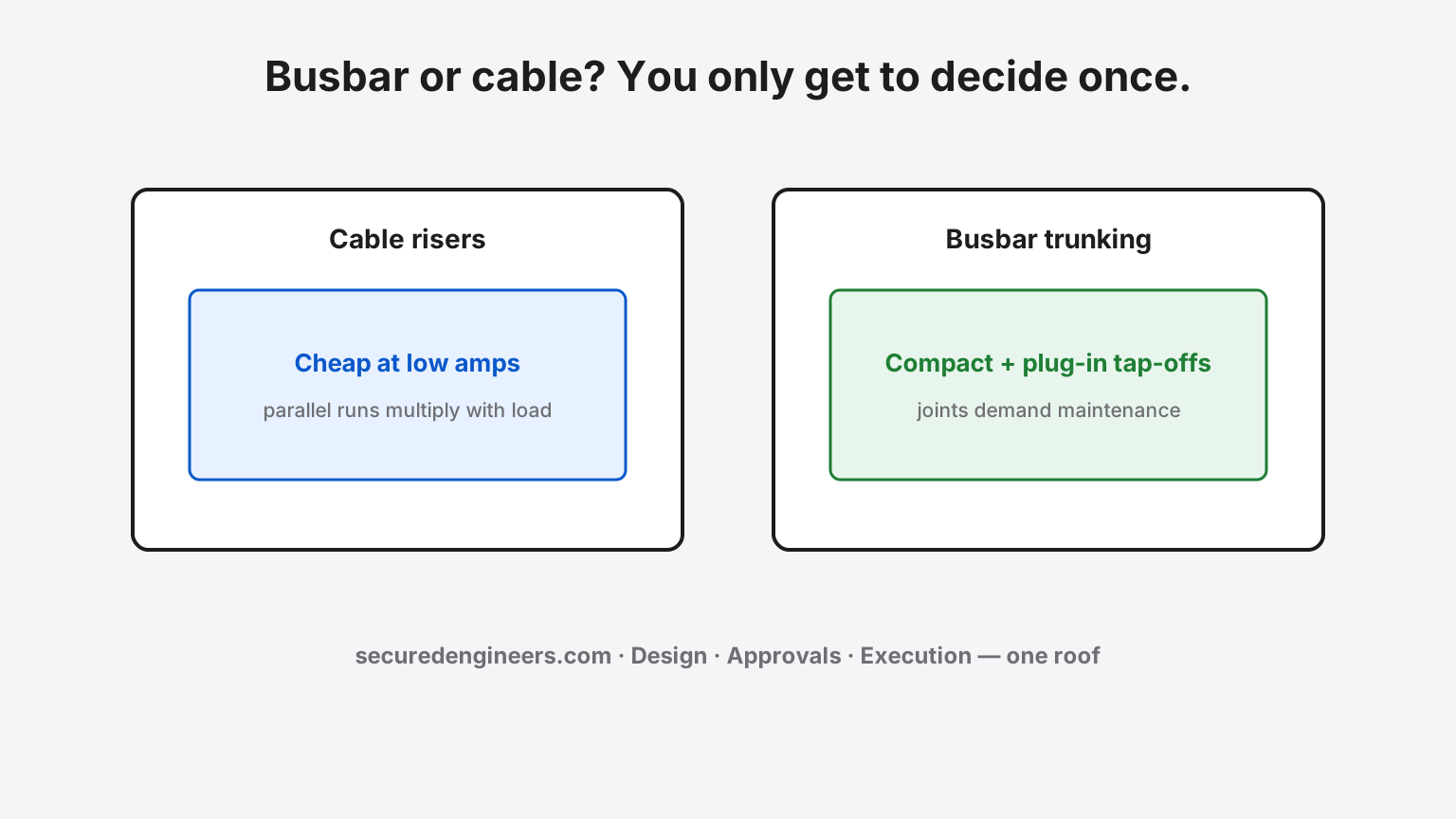
Busbar or Cable? The Rising-Mains Decision You Only Get to Make Once
Once the shafts are cast and the cables pulled, changing your mind costs a shutdown. Here is the honest engineering comparison between busbar trunking and cable risers for Indian industrial and commercial buildings — including where each one genuinely wins.
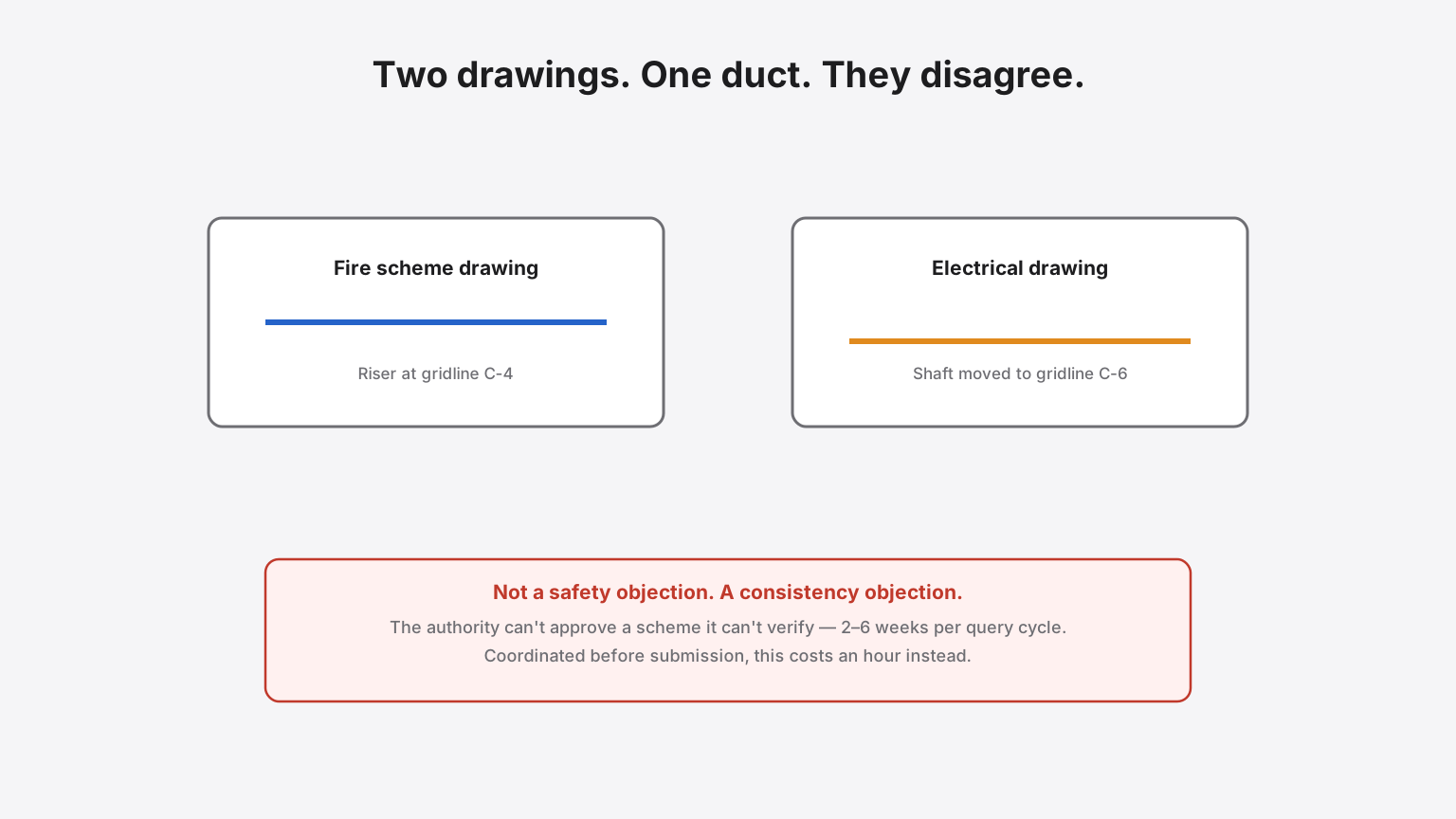
The Fire NOC Query Wasn't About Fire Safety. It Was About a Duct Nobody Coordinated.
Our BIM clash-detection guide covers what an uncoordinated design costs on site. A different cost shows up earlier: the query-and-resubmission cycle at Fire NOC and building-plan sanction, where an inconsistency between drawings — not a genuine safety gap — is what actually stalls the file.
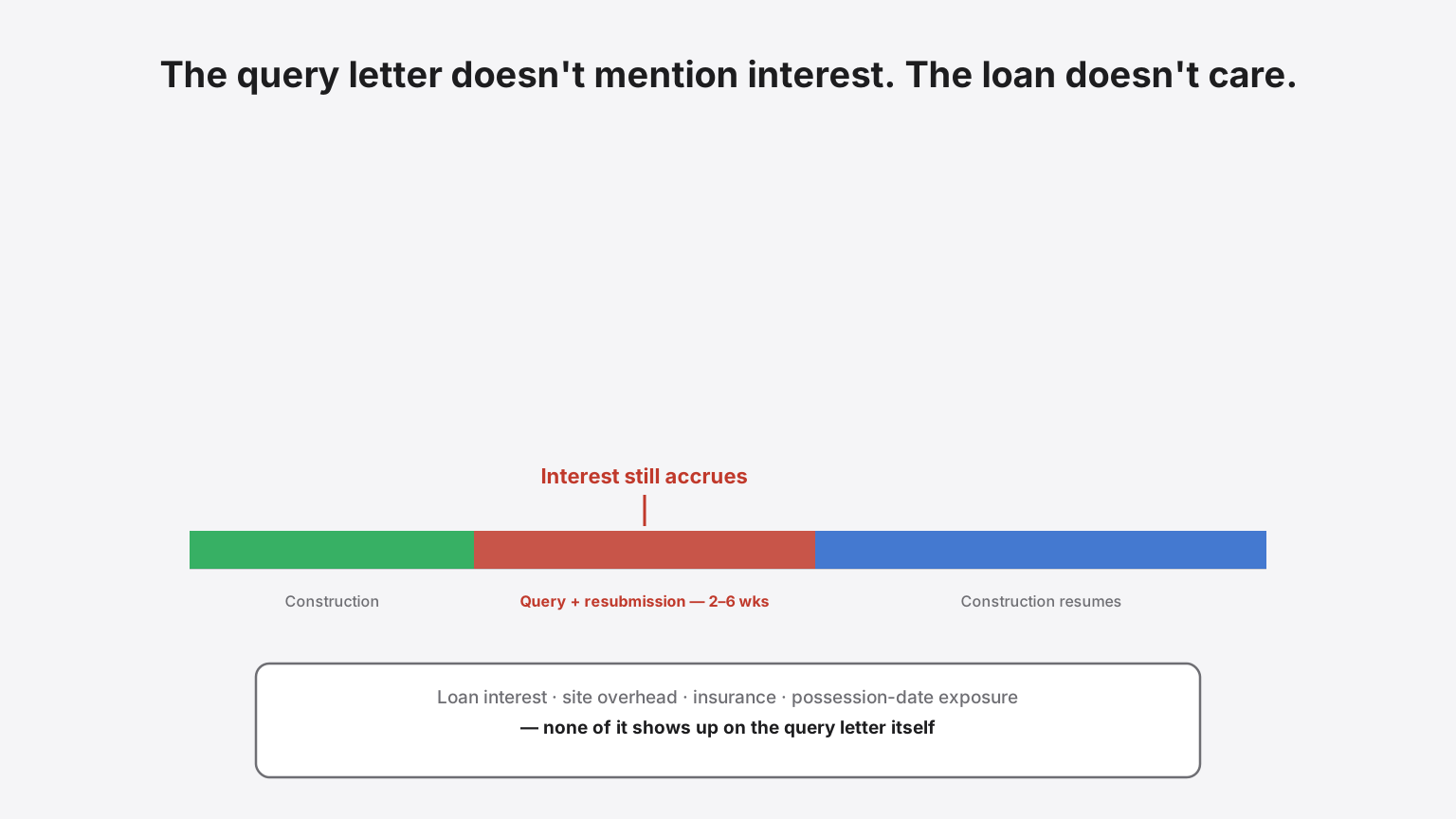
A Plan-Sanction Query Isn't a Delay. It's an Invoice — for Interest You're Already Paying.
A rejected MEP drawing reads as a paperwork problem. It's a financial one: every week a submission sits in a query-and-resubmission cycle is a week of construction-loan interest, idle site overhead and a possession date paid for by someone who assumed the file would move on schedule.
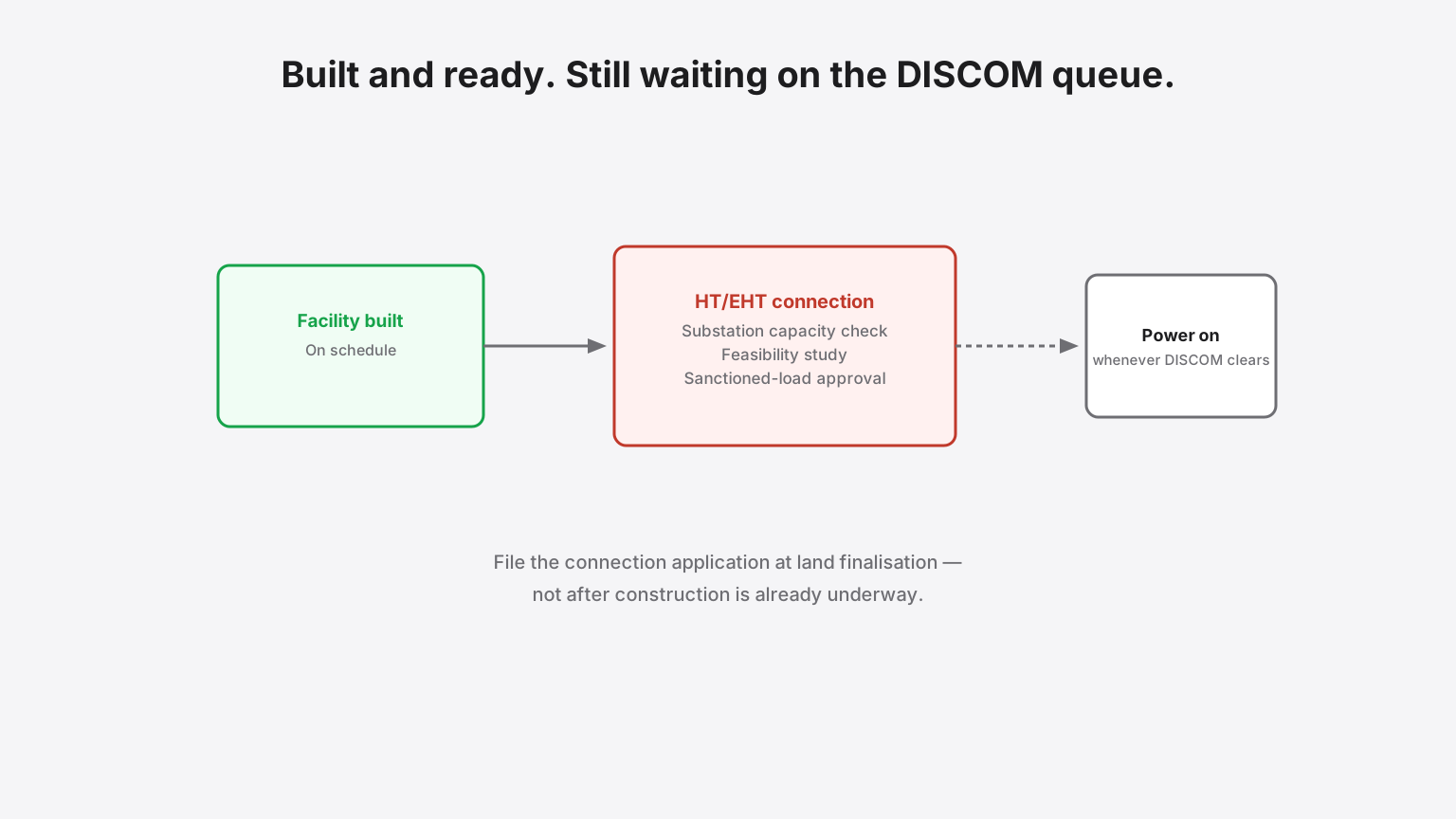
Your Data Centre's Bottleneck Isn't Construction. It's the DISCOM Queue.
Data centres, cold storage and EV logistics hubs share one constraint that has nothing to do with how fast you can build: getting a new HT/EHT connection or a sanctioned-load enhancement approved. That queue can run longer than the construction programme it's supposed to feed.
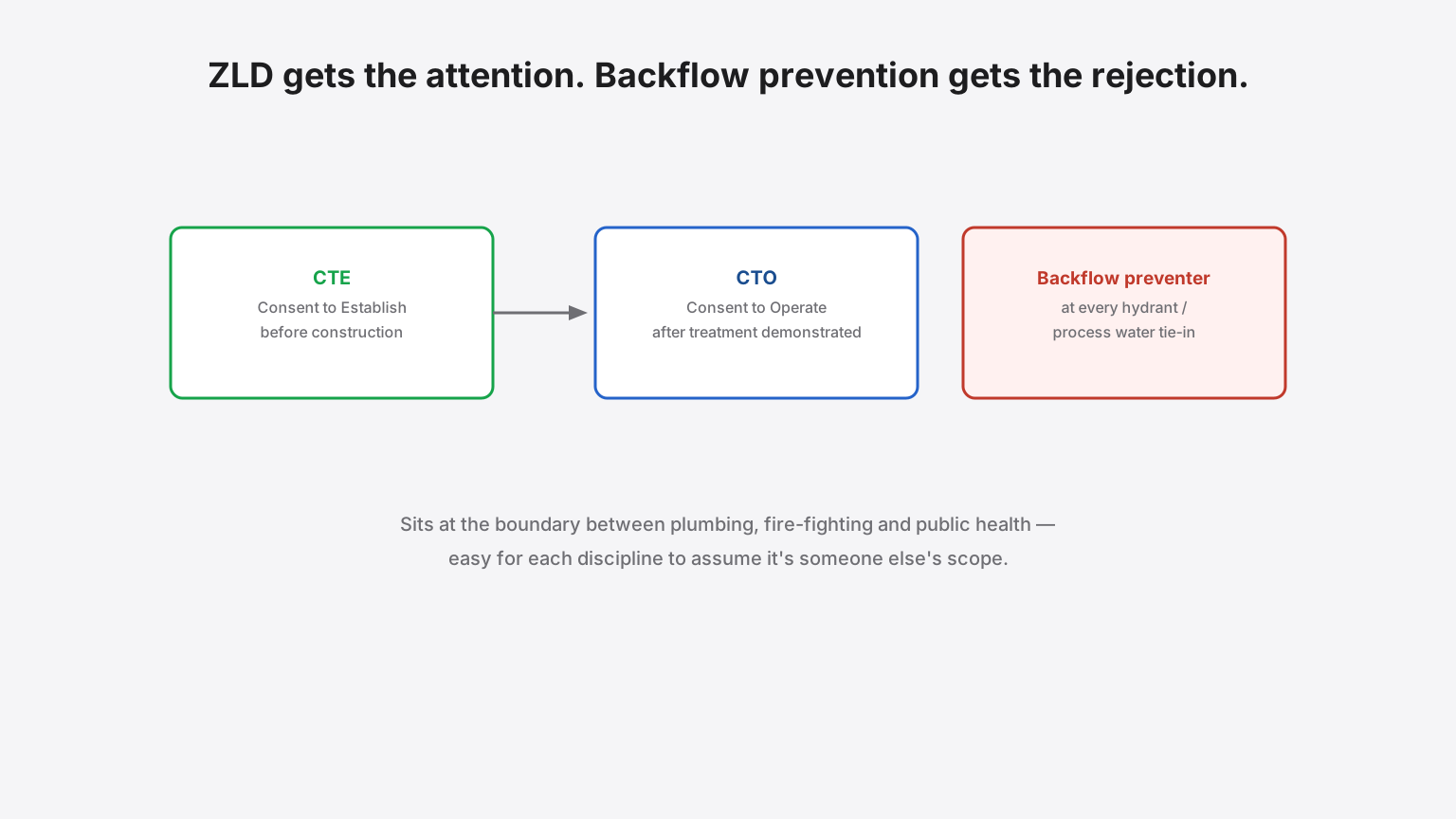
ZLD and Greywater Get the Attention. Backflow Prevention Gets the Rejection Letter.
Industrial water compliance conversations focus on effluent — ZLD, greywater recycling. The permitting step that actually stalls a project just as often is upstream of that: Consent to Establish/Operate from the pollution control board, and backflow prevention on the potable supply, which barely gets discussed until an inspector asks for it.
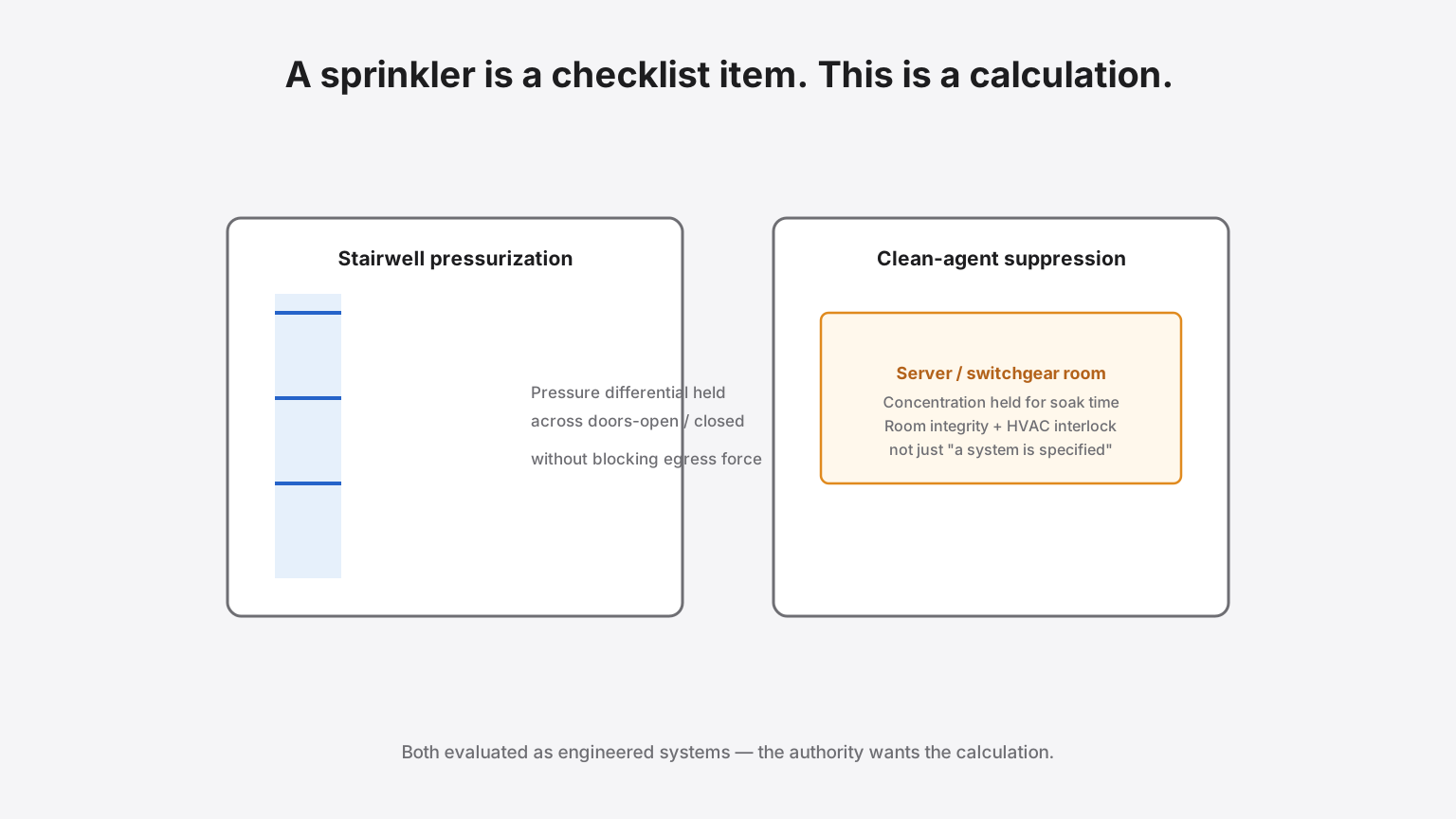
A Sprinkler Head Is Easy to Approve. A Clean-Agent System Is Not.
Most of a Fire NOC submission is standard — hydrants, sprinklers, detection. Specialized systems like stairwell pressurization and clean-agent gas suppression for server or electrical rooms get a different level of scrutiny, because they're evaluated as engineered systems, not checklist items — and that changes what the submission needs to contain.
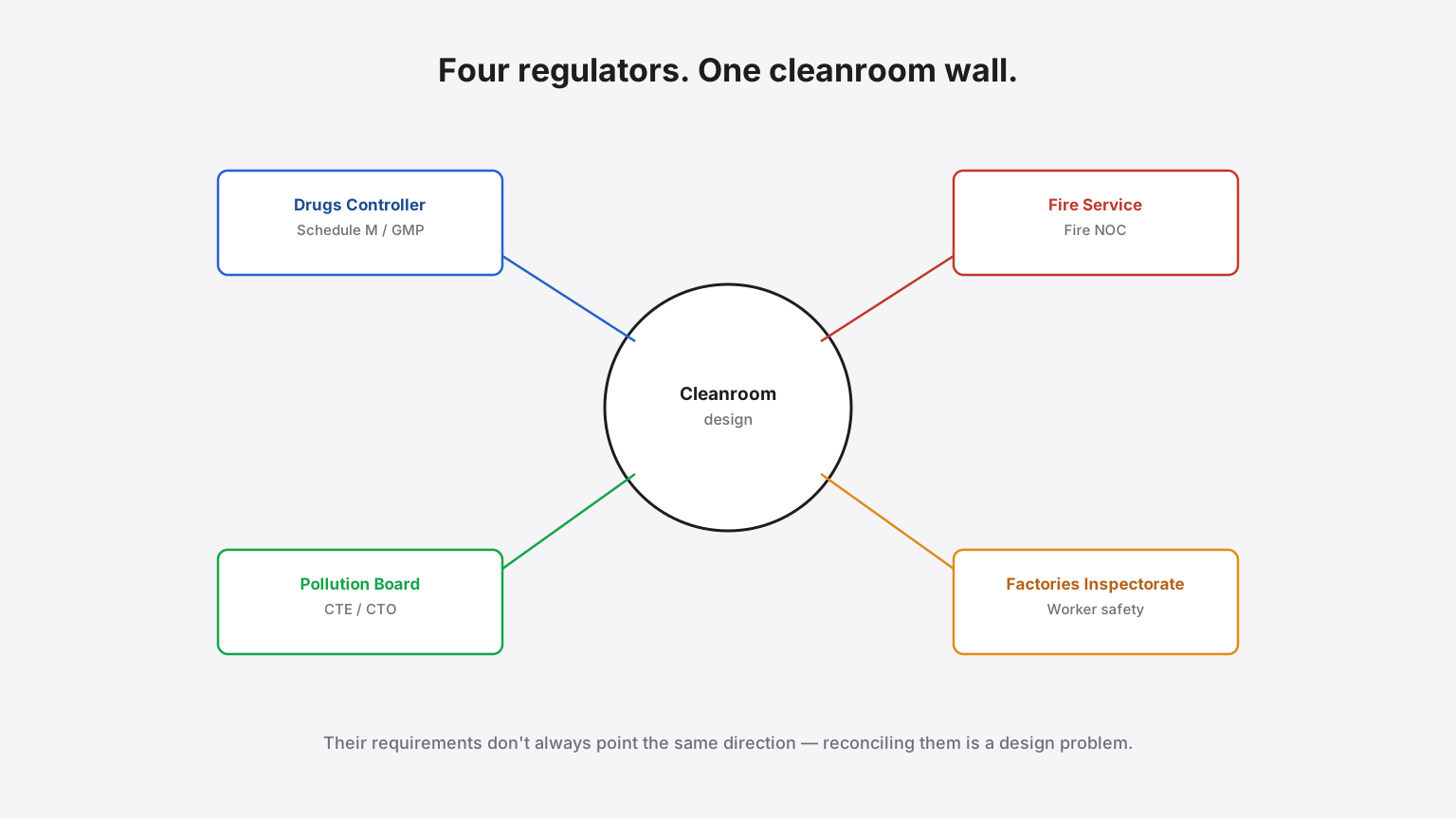
The Drugs Controller, the Pollution Board and the Fire Department All Have an Opinion on Your Cleanroom.
Our GMP HVAC and WHO-GMP guides cover how to design a cleanroom that passes its audit. A separate problem sits alongside the engineering: a pharma or food manufacturing facility answers to several regulatory bodies at once, and their requirements don't always agree with each other.
Ready to start your project?
Get a free consultation and quote. We design, take all approvals, and execute — you stay stress-free.