
Engineering guides & industry insights
MEPF, solar and fire-safety guides — page 3
Archive page 3 of 9 — practical, no-jargon guides on MEPF, solar, fire safety and approvals.
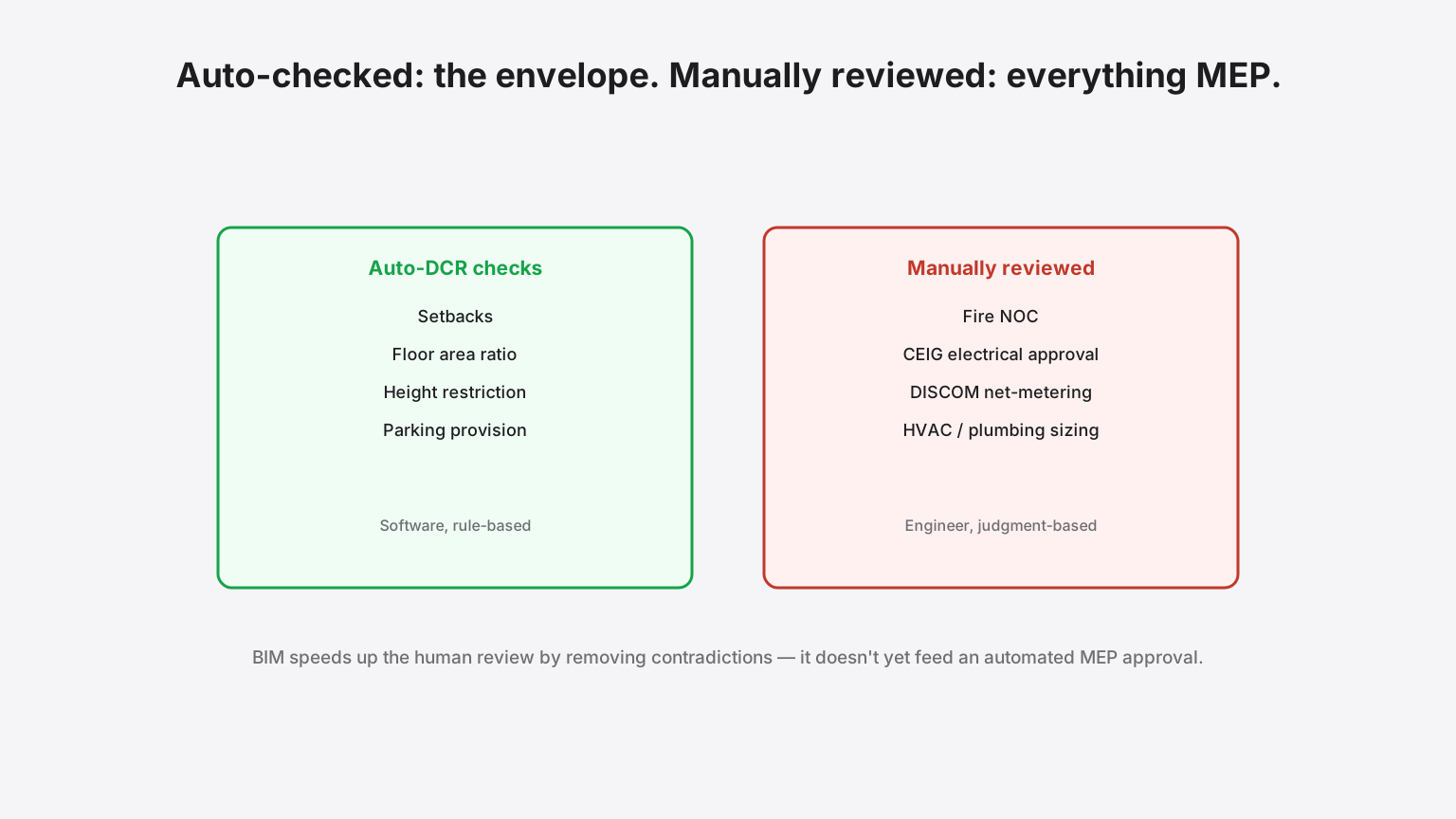
Your Municipality Already Auto-Checks the Building Envelope. It Doesn't Auto-Check Your MEP.
Many Indian municipal corporations now run Auto-DCR software that automatically checks a building's plan against local byelaws — setbacks, FAR, height. It's a genuine, useful system. It's also not an MEP code-checker, and treating BIM as if it feeds an automated MEP approval process overstates where the technology actually is today.
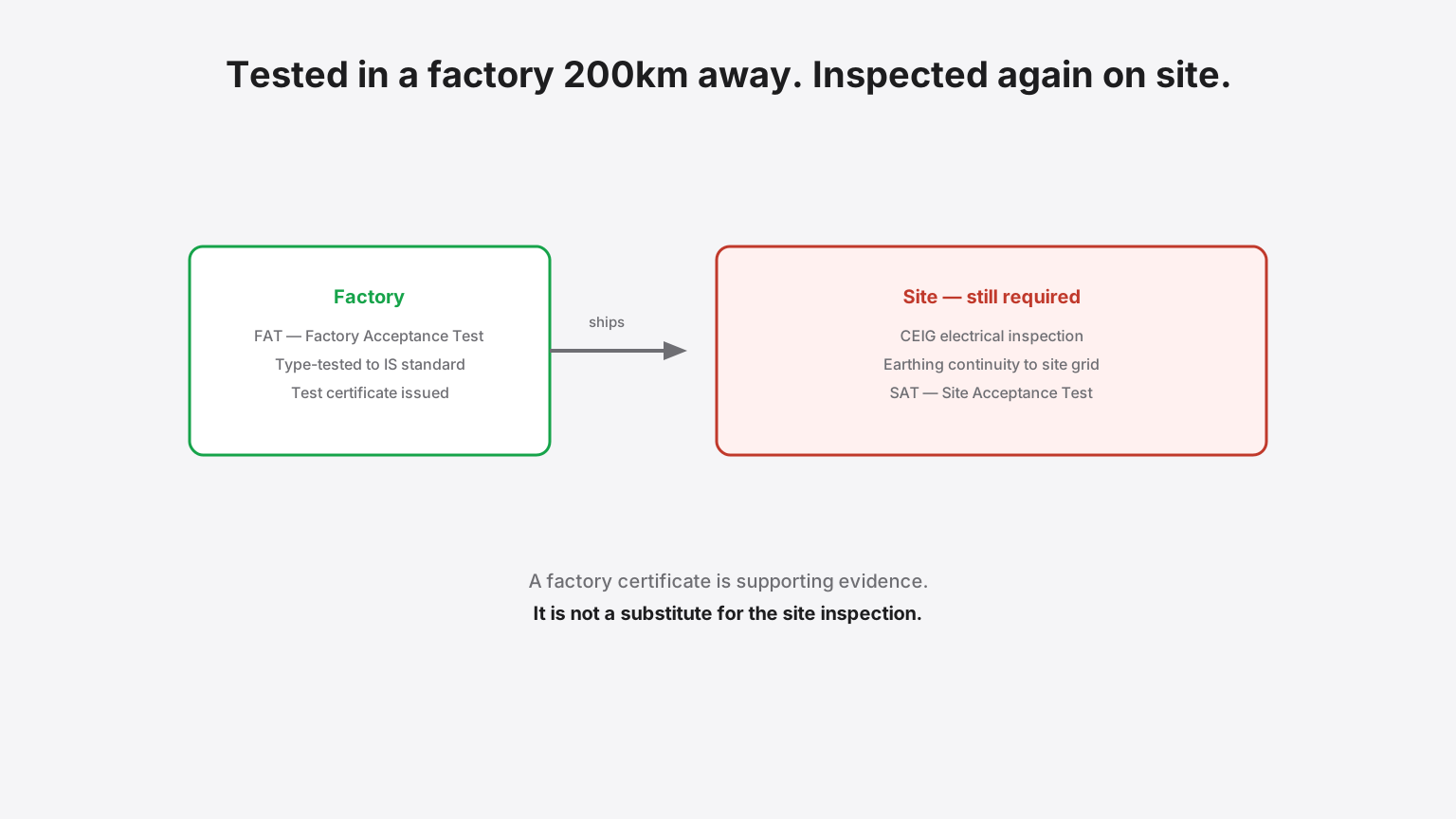
The Panel Room Was Built and Tested in a Factory 200km Away. Who Inspects It Now?
Prefabricated MEP — pump skids, packaged plant rooms, factory-built LT panel assemblies — genuinely compresses site programme. It also raises a question buyers rarely ask before ordering one: does factory testing satisfy the site electrical inspector, or does the whole assembly get re-inspected as if it were built on-site from scratch?
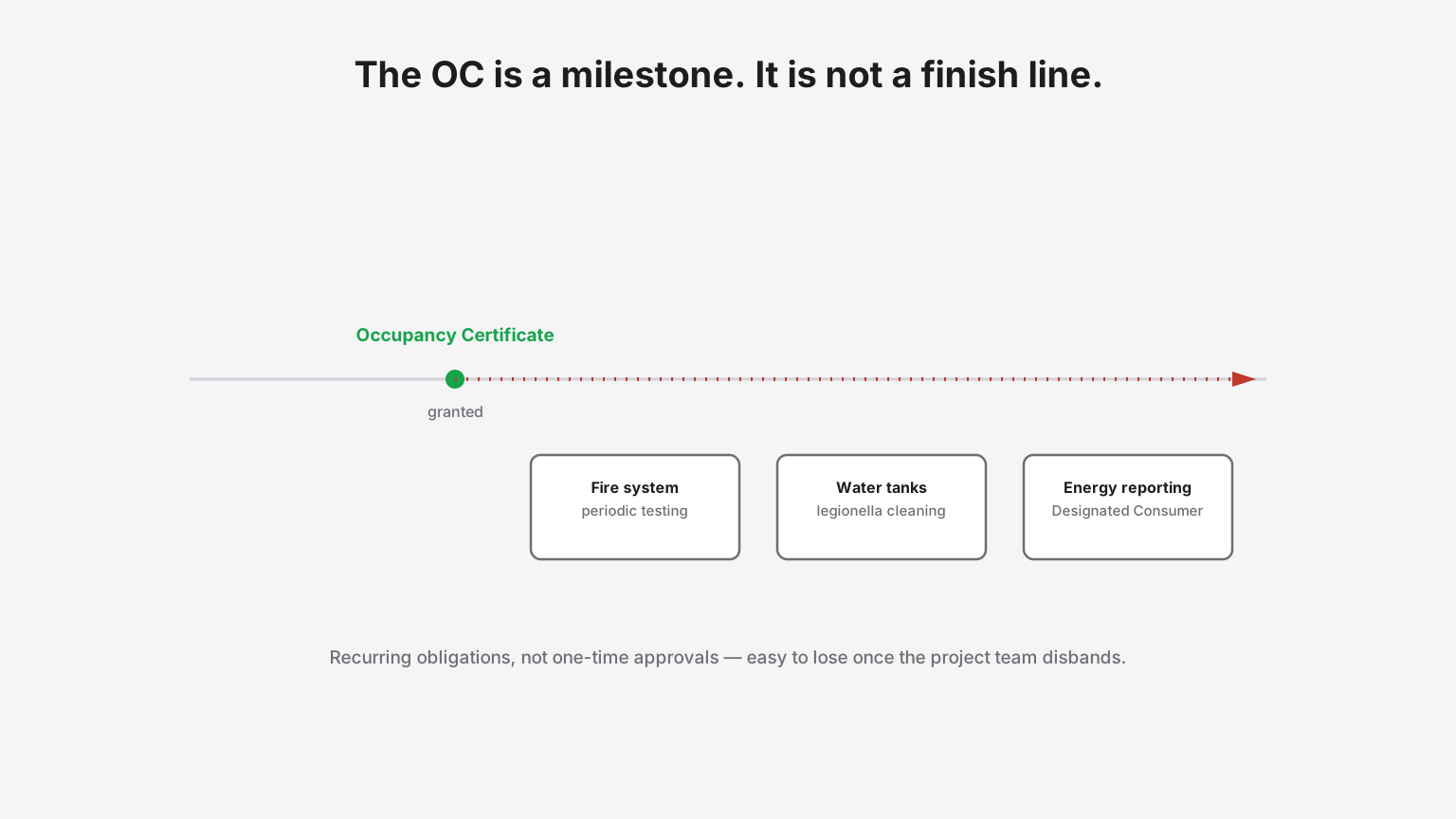
The Occupancy Certificate Is a Milestone. It Is Not a Finish Line.
Our occupancy certificate guide covers the chain that has to close before a building can be legally possessed. Compliance doesn't end there — fire systems need periodic testing, water tanks need documented cleaning against legionella risk, and larger energy consumers carry ongoing reporting obligations that start counting from handover, not before.
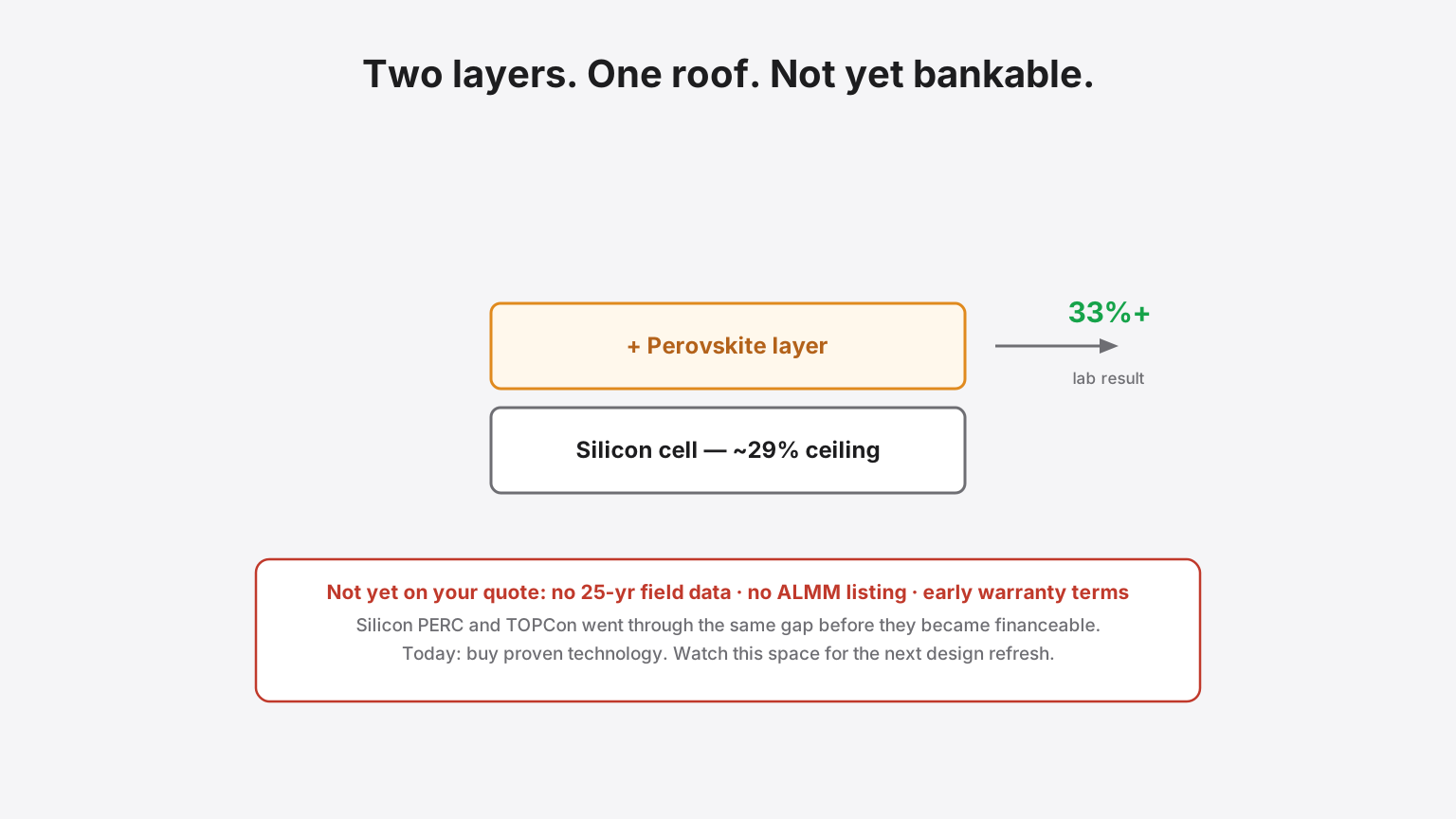
Perovskite Cells Promise 30%+ Efficiency. Your Roof Doesn't Have Ten Years to Wait and See.
Perovskite-on-silicon tandem cells are the most genuinely exciting number in solar right now — lab efficiencies past 33%, well above silicon's ceiling. They are also not yet a module you can put on an industrial roof and finance normally. Here's the honest gap between the lab result and your next RFQ.
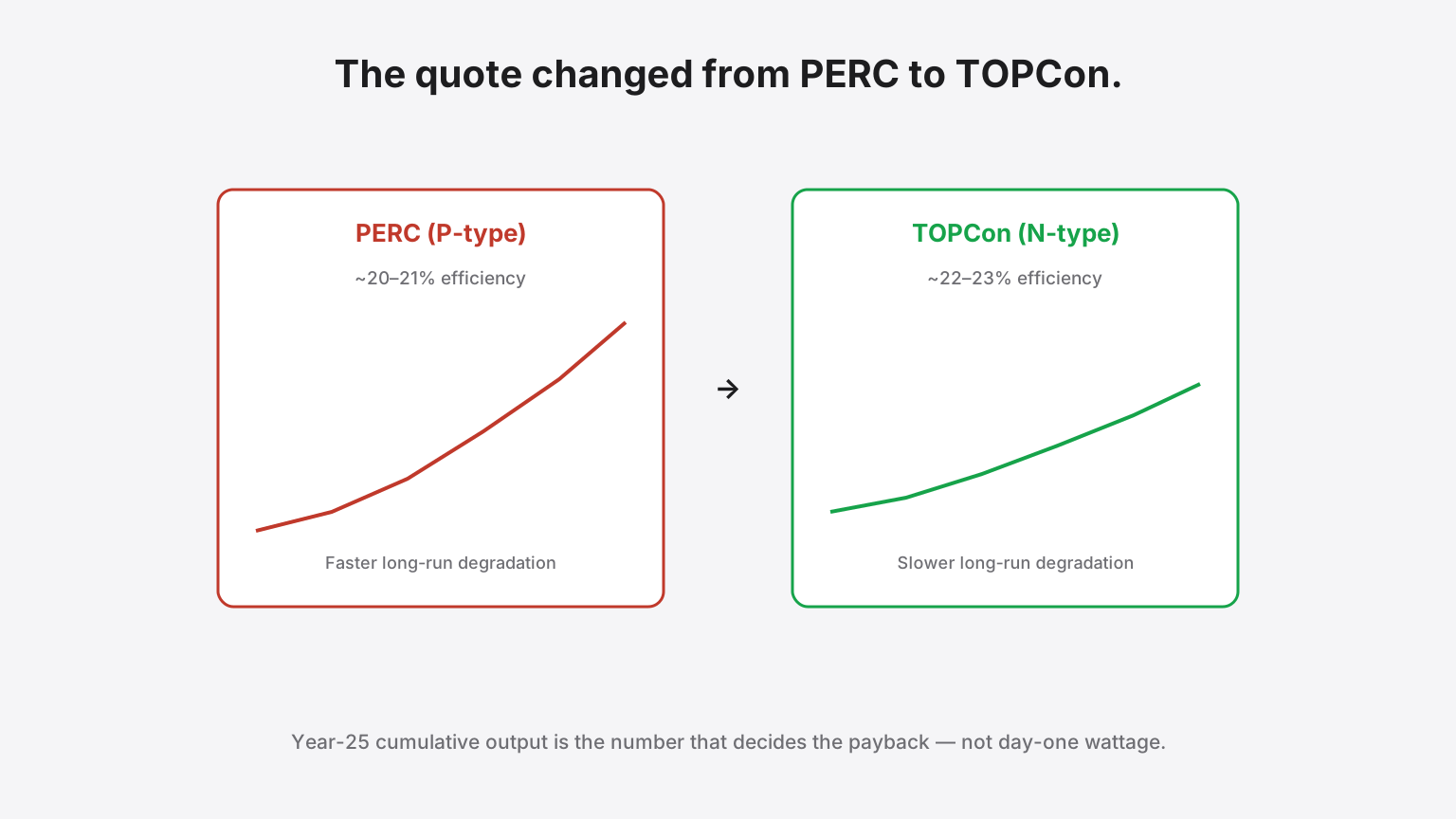
Your Quote Says TOPCon Now, Not PERC. Here's What Actually Changed.
Most commercial and industrial solar quotes in 2026 default to TOPCon modules rather than the PERC panels standard a few years ago. The efficiency number moved, but the number that matters more for a 25-year asset is the degradation curve — and that's where N-type genuinely earns the switch.
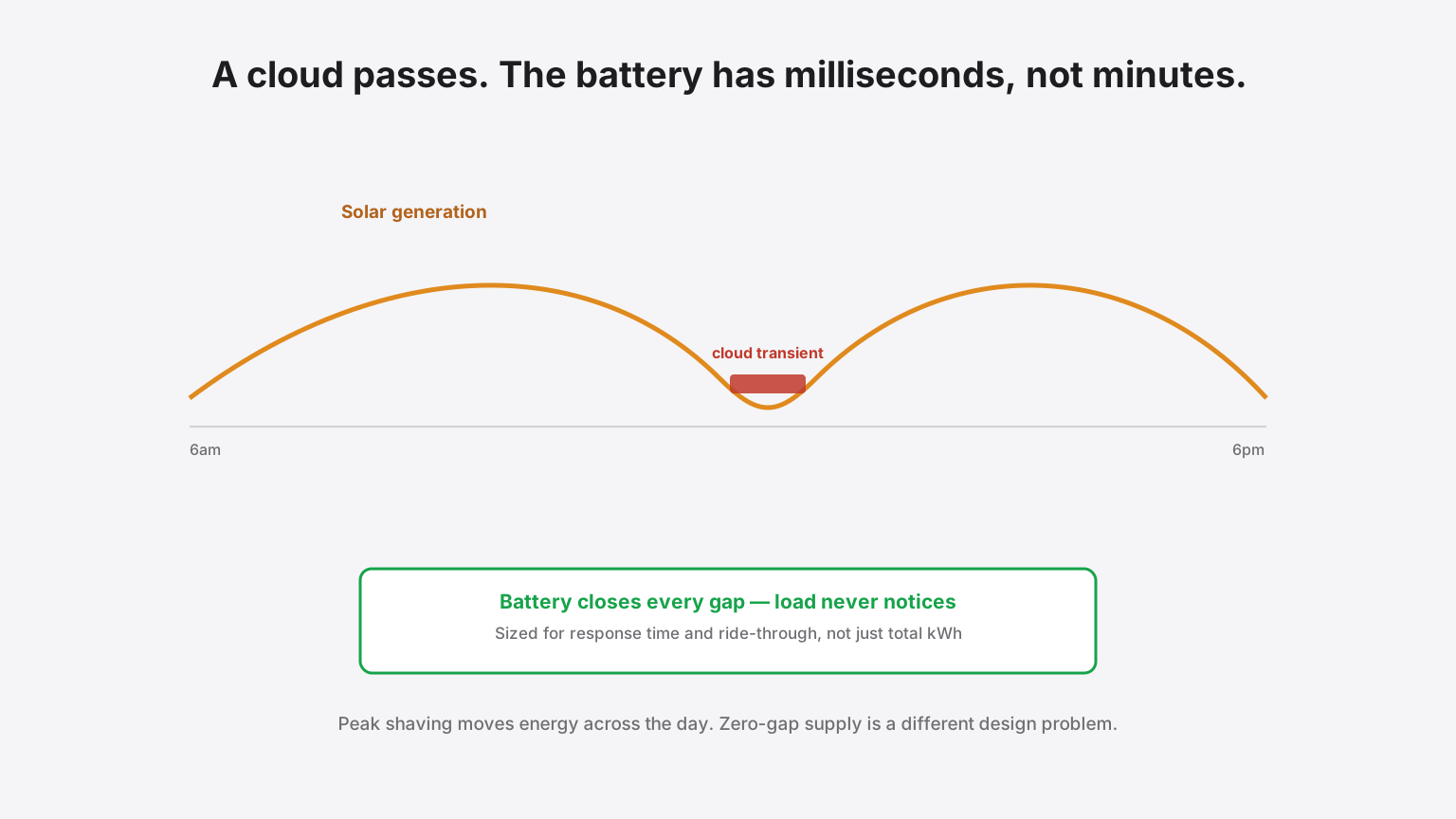
Peak Shaving Is One Battery Use Case. Zero Tolerance for a Supply Gap Is a Different Design Problem.
Solar-plus-storage for evening peak shaving is now a familiar factory decision. A different, harder problem sits behind it: continuous-process plants, cleanrooms and server rooms that cannot tolerate even the seconds-long gap between a cloud transient and a DG picking up. That needs different sizing, not just a bigger battery.
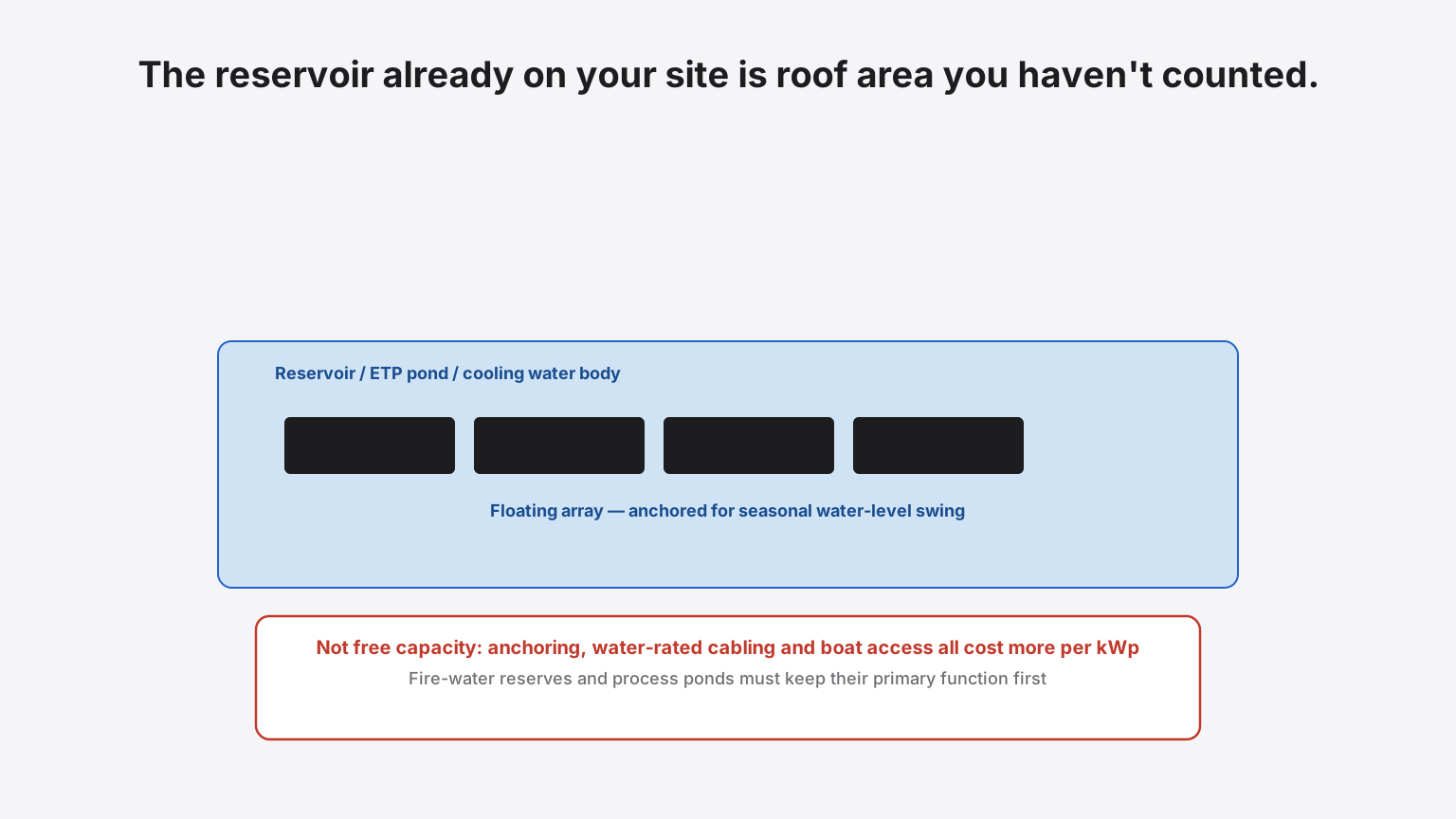
Your Factory Has a Reservoir, an ETP Pond, or a Cooling Tank. That's Roof Area You Haven't Counted.
Floating solar puts panels on water instead of roof or ground — a genuine option for factories, textile mills and campuses that already have a reservoir, effluent pond or cooling water body. It isn't free capacity, though: anchoring, water quality and access all add real engineering that a roof-mount quote doesn't have to price.
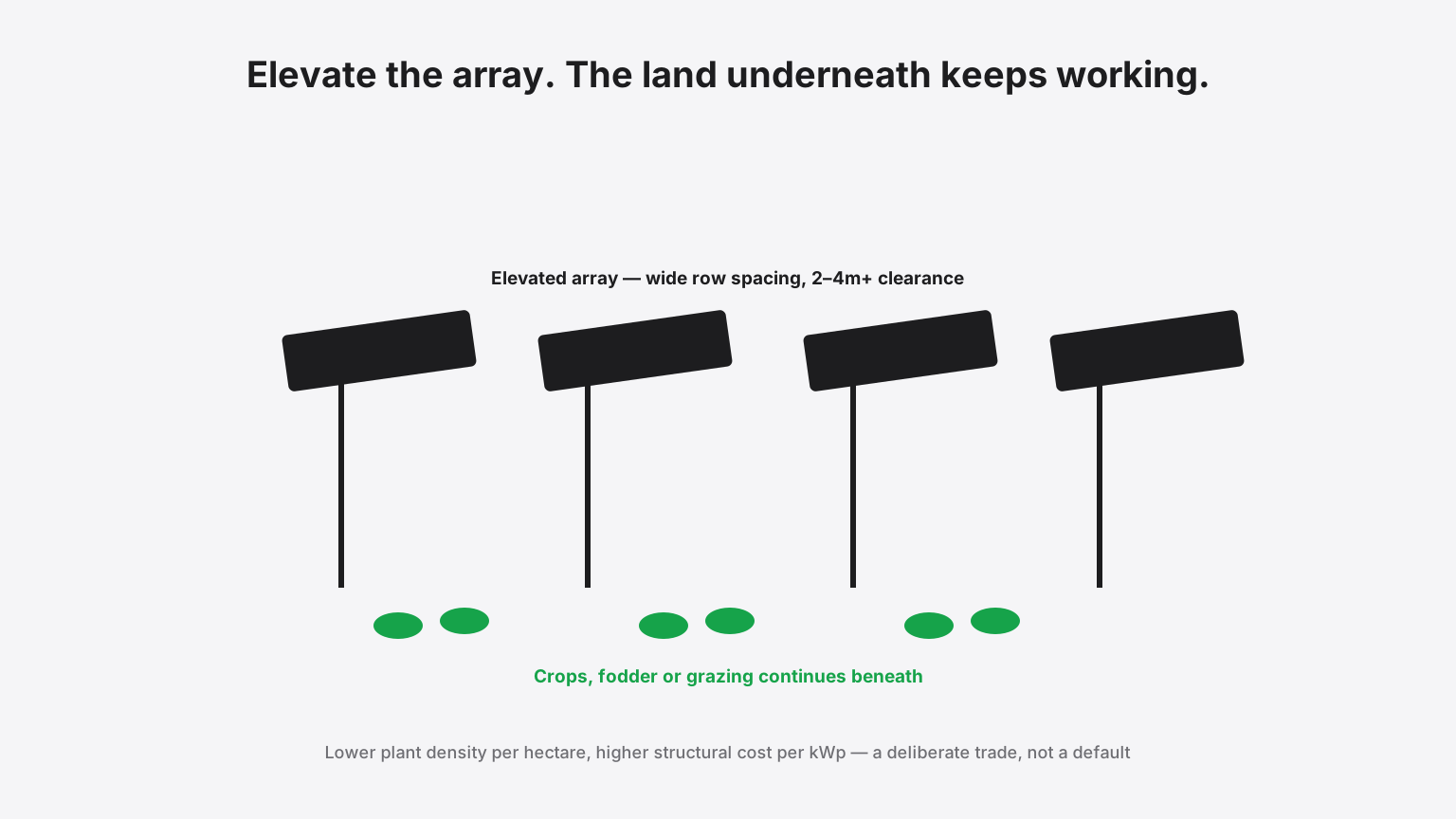
Elevate the Array, and the Land Underneath Doesn't Have to Sit Idle.
Large ground-mount captive or open-access solar plants use land that could otherwise stay in agricultural use. Agrivoltaic design — elevating and spacing the array so farming continues beneath it — is a real option for industrial buyers structuring these deals, with real structural cost and yield trade-offs, not a default.
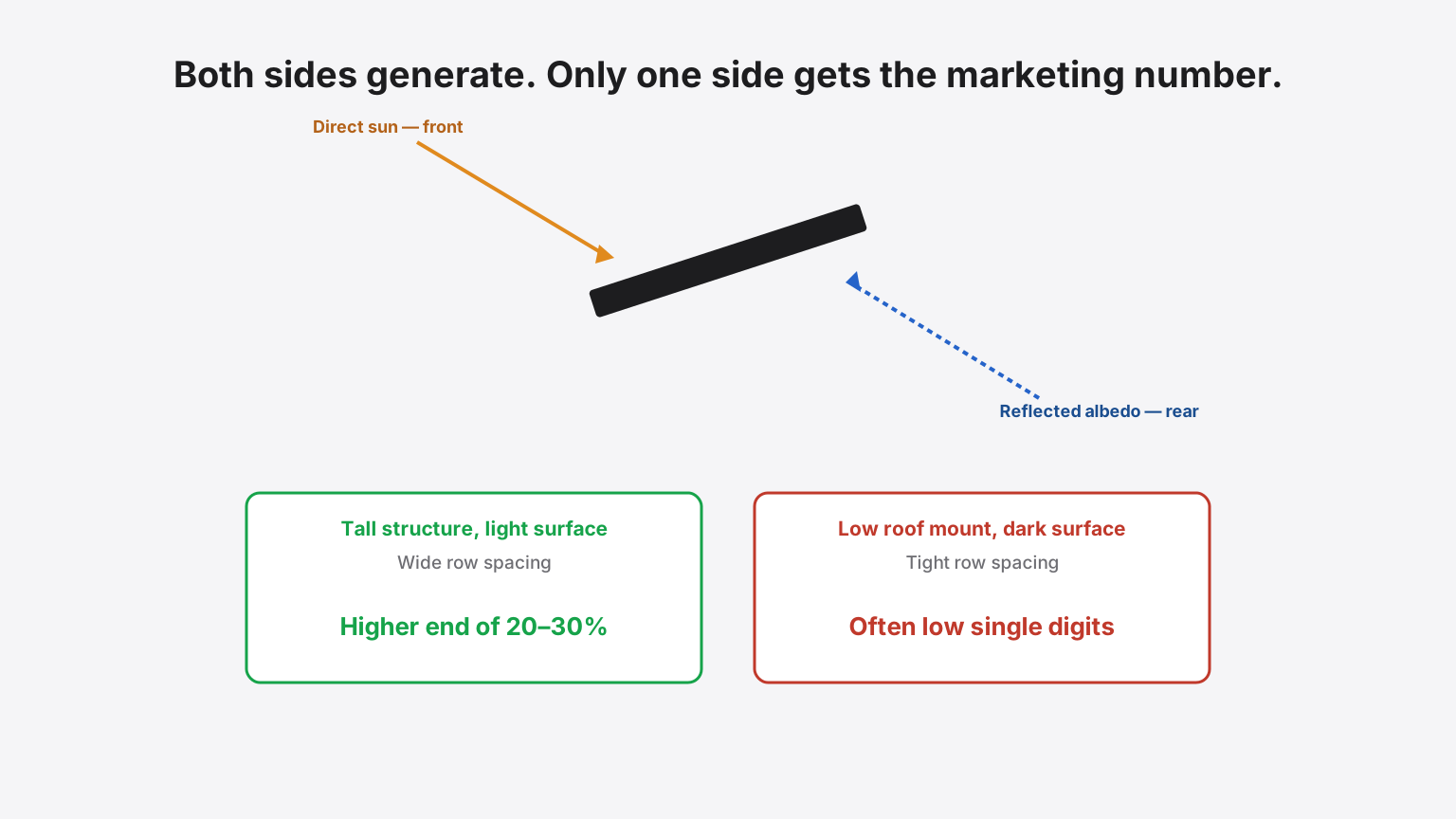
Bifacial Panels Generate From Both Sides. On the Wrong Roof, the Second Side Generates Almost Nothing.
Bifacial modules capture light reflected off the ground as well as direct sunlight — real, but the gain depends entirely on mounting height, tilt and what's actually underneath the array. Marketing puts the number at up to 20-30%. Most Indian commercial rooftops see a fraction of that, and it's worth knowing why before paying the premium.
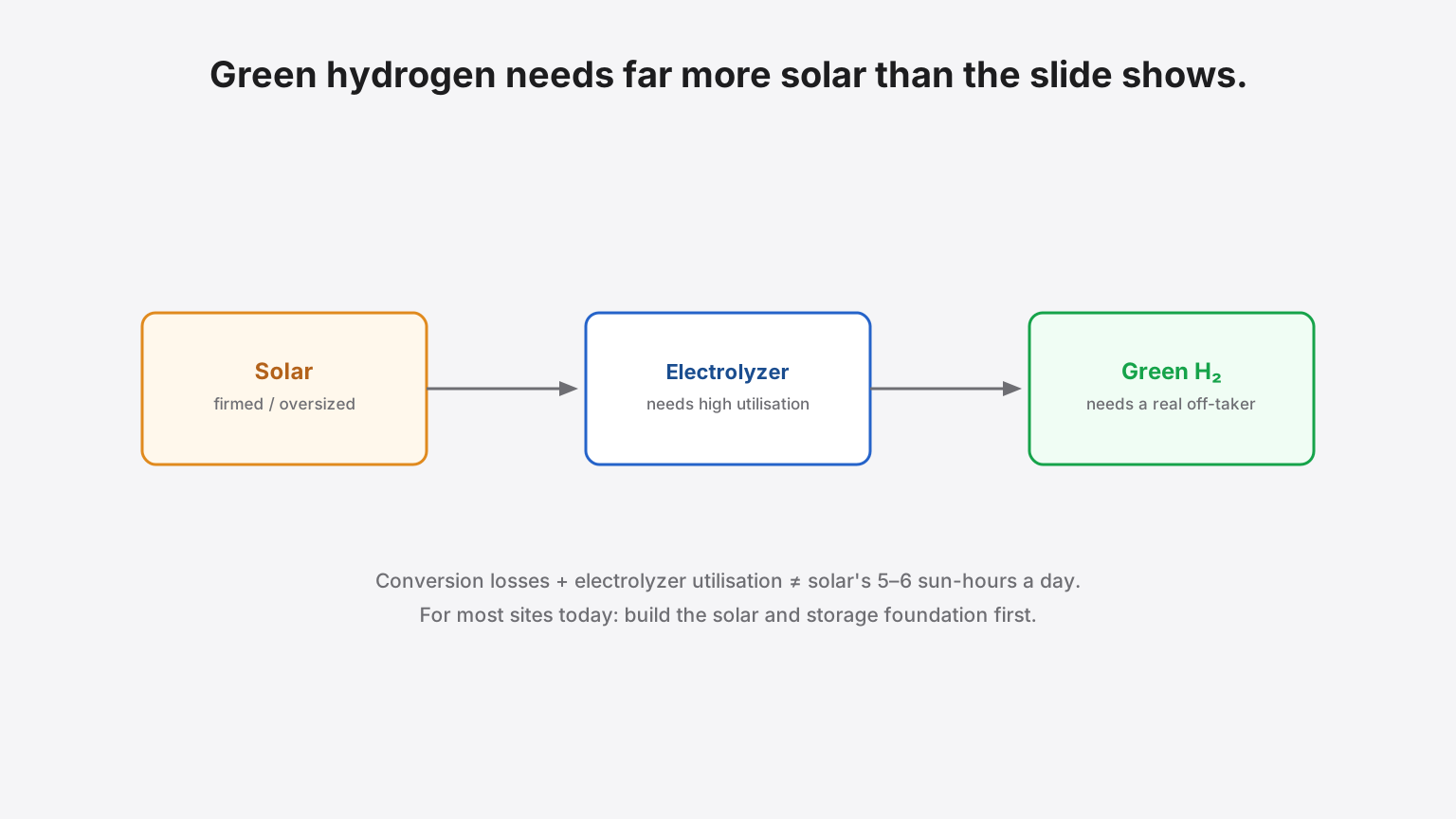
Green Hydrogen Needs a Lot More Solar Than the Slide Deck Shows.
Green hydrogen — solar power run through an electrolyzer to split water — is the path being discussed for decarbonising steel, fertiliser and other hard-to-electrify heavy industry. For most Indian industrial buyers today it's a genuine future direction, not a retrofit decision, and the honest reason why is the scale of solar capacity it actually requires.
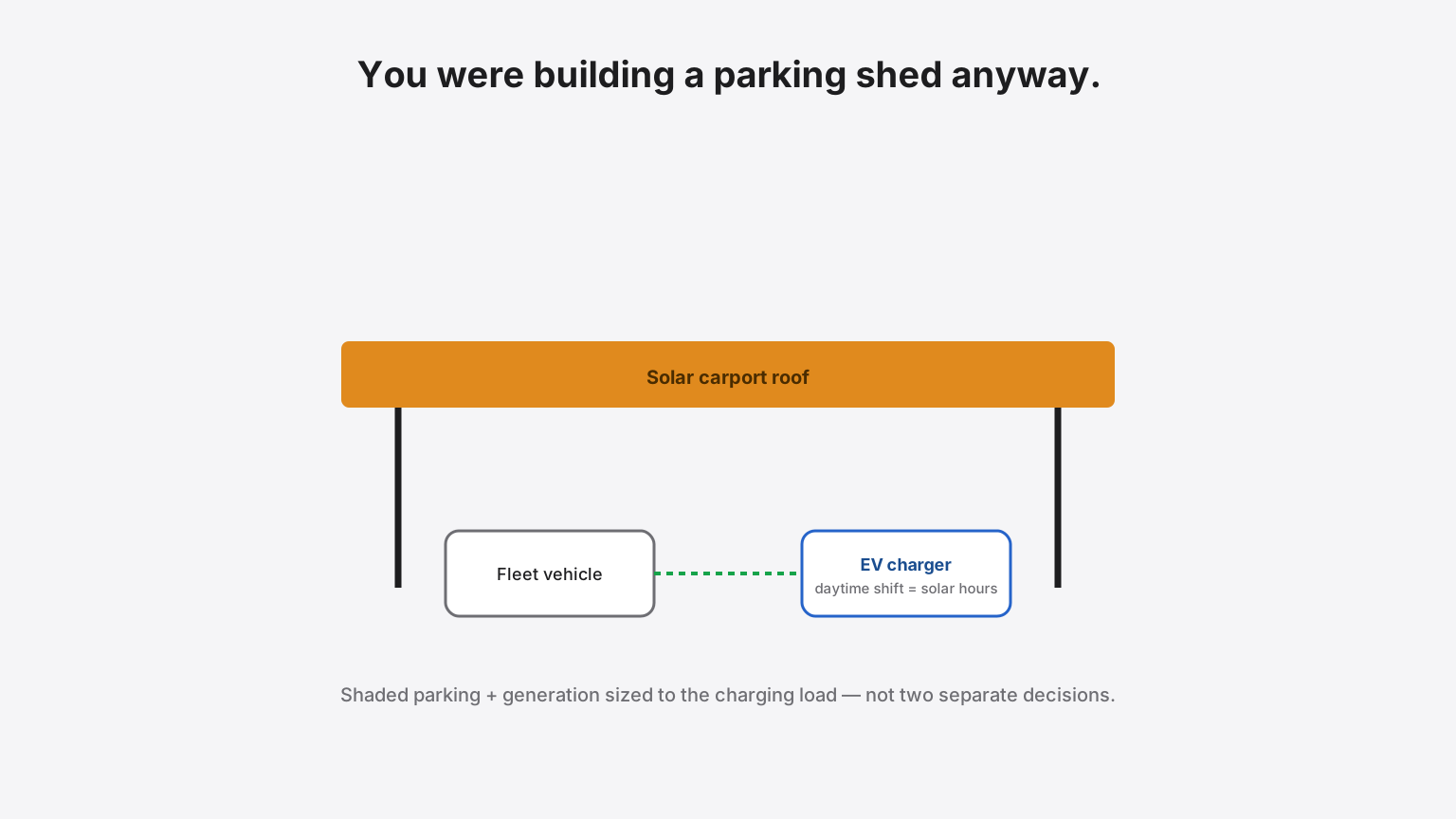
You Were Going to Build a Parking Shed Anyway. Put Solar on It Before the EV Chargers Go In.
Factories with EV logistics fleets, hotels, and corporate campuses adding EV charging usually treat the charger and the parking structure as two separate decisions. A solar carport combines them — shaded parking plus a generation source sized to actually offset the new charging load, rather than dumping it straight onto the grid connection.
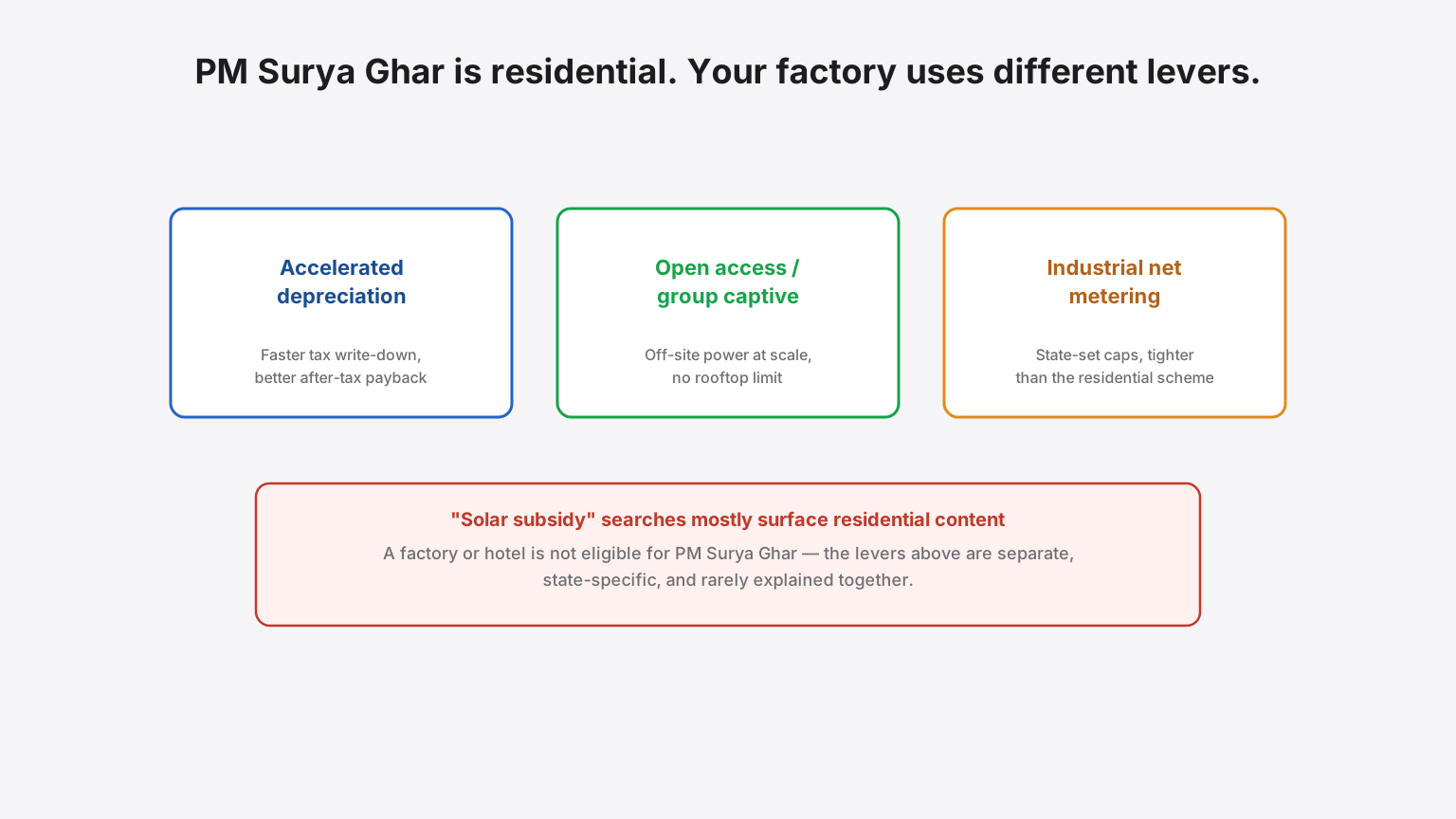
PM Surya Ghar Is a Residential Scheme. Your Factory's Solar Incentives Work Differently.
PM Surya Ghar dominates solar-incentive coverage in India — and it's a residential rooftop scheme your factory or hotel isn't eligible for. Commercial and industrial buyers work a different set of levers: accelerated depreciation, open access, and industrial net-metering rules that are more restrictive, not more generous, than the residential ones.

The Duct and the Beam Both Fit. On Separate Drawings.
Every services trade produces a layout that works in isolation. They only conflict once installed — and on a 2D workflow that discovery happens on site, with steel already up. Clash detection moves the argument to a screen, where changing it costs nothing.
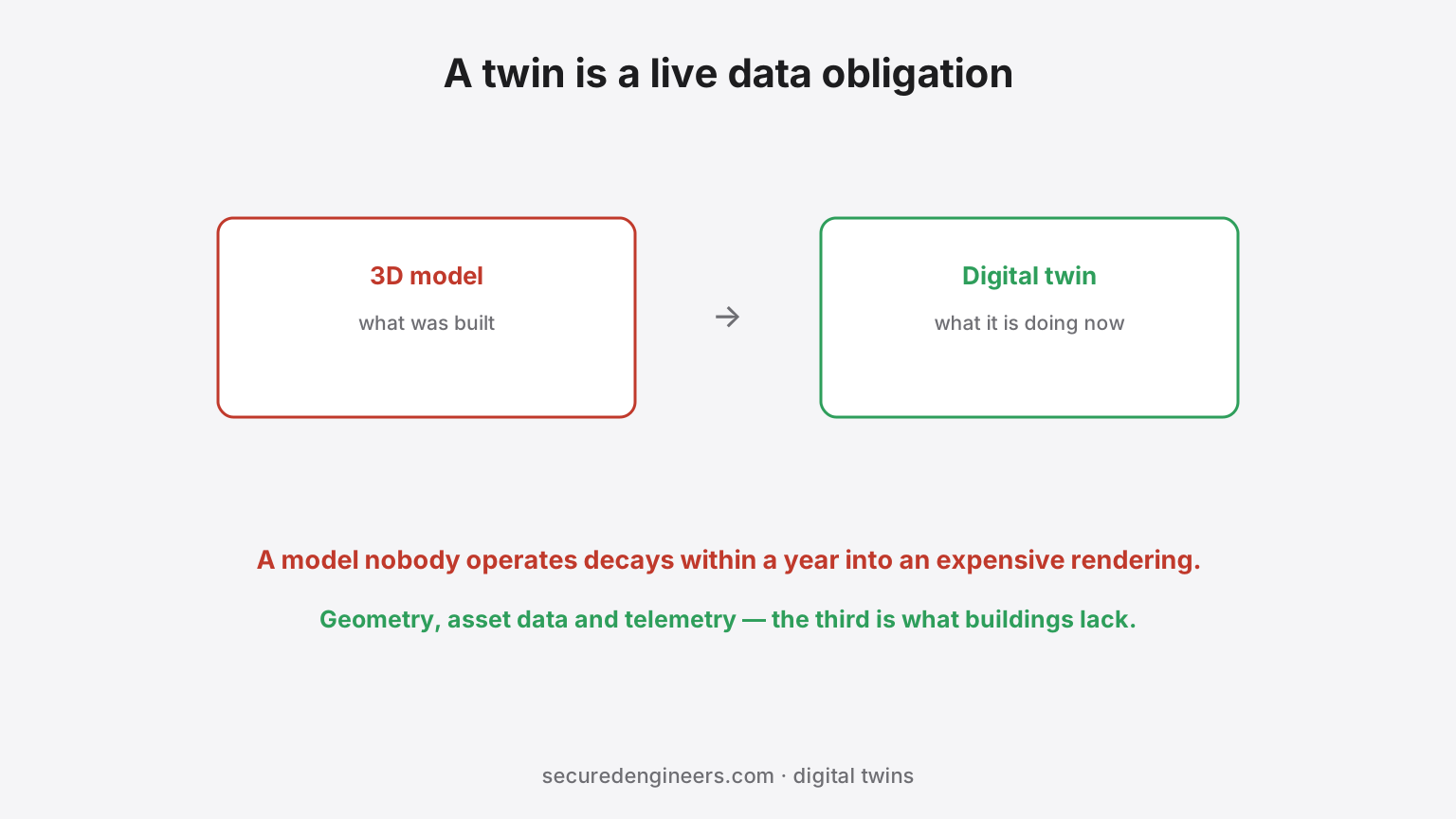
A Digital Twin Is Not a 3D Model. It Is a Live Data Obligation.
Digital twins are sold as a visualisation. What makes one useful is the live data behind it — which means metering, BMS integration and an as-built model that stays true. Most twins fail not at creation but at maintenance.
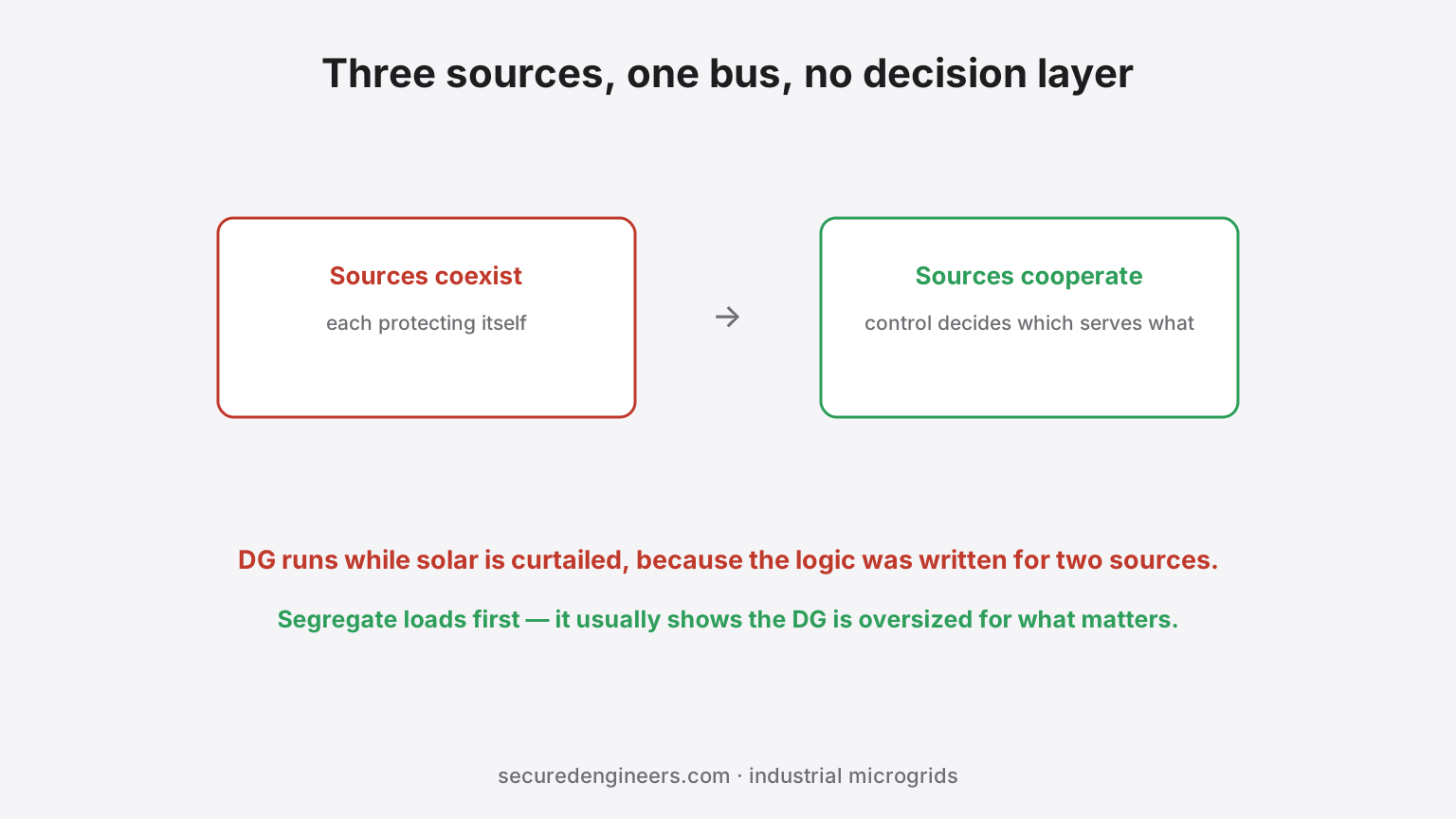
Three Power Sources, One Bus, and Nothing Deciding Between Them.
A factory with grid, DG and rooftop solar already owns the components of a microgrid. What it usually lacks is the control layer that decides which source serves which load, and when — which is where the savings and the safety both live.
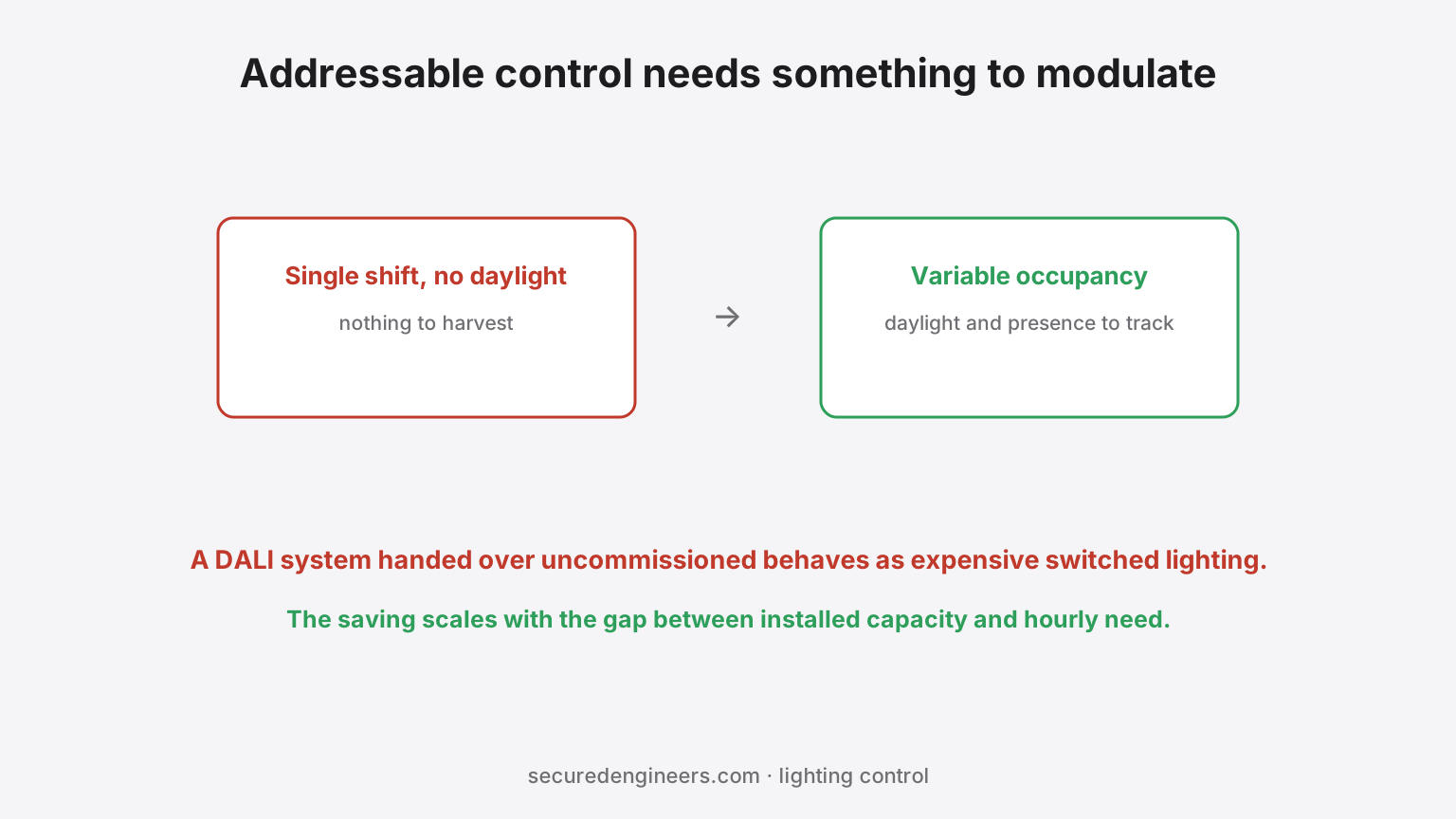
Addressable Lighting Control Pays in Some Buildings and Not in Others.
DALI and KNX let every fitting be addressed, dimmed and scheduled individually. That is genuinely valuable where occupancy and daylight vary — and close to worthless in a space that runs one shift at full output.
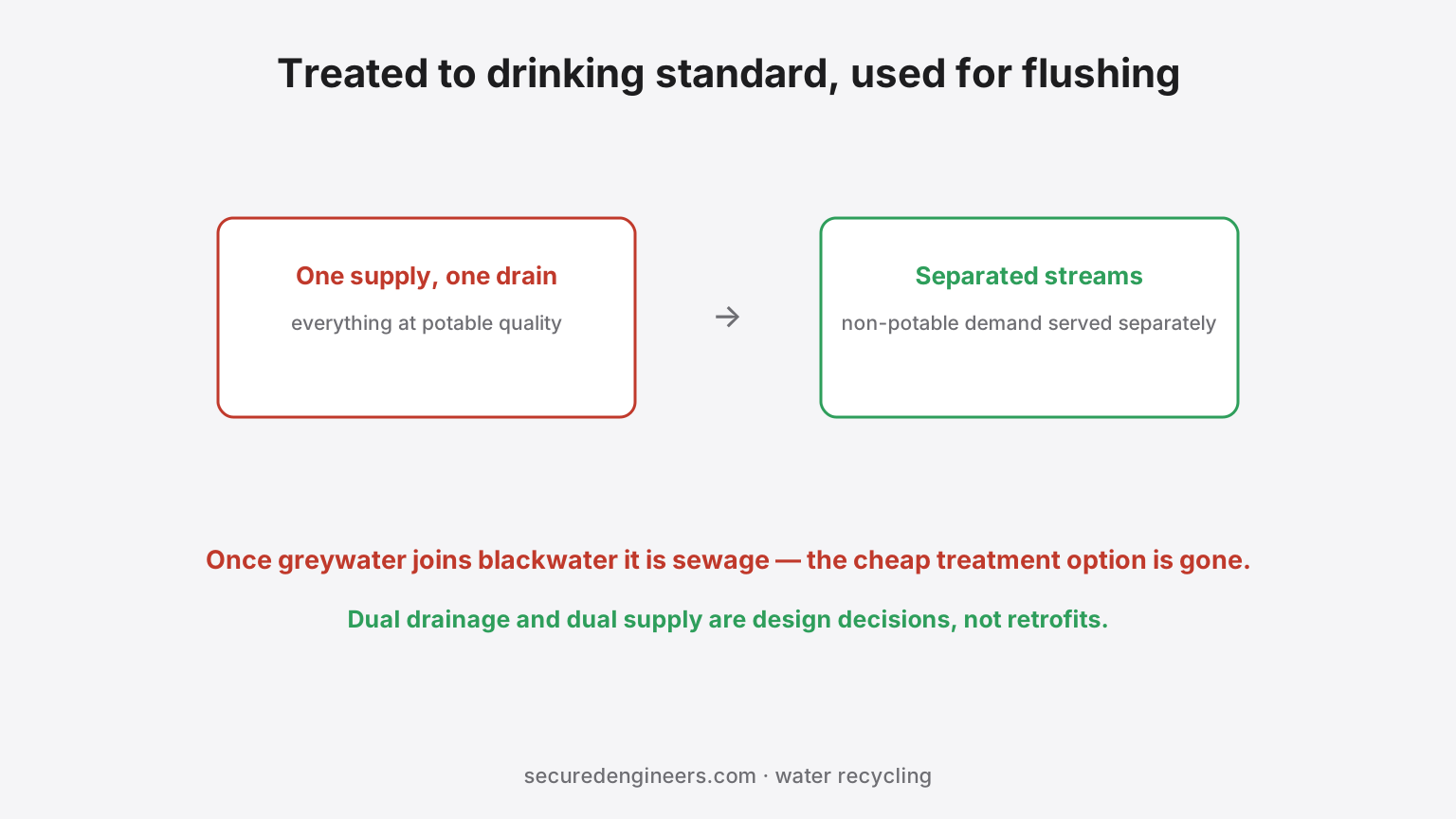
You Are Treating Water to Drinking Standard and Flushing With It.
Industrial facilities buy or extract water once and use it once. Greywater recycling separates the streams that do not need potable quality — flushing, landscape, cooling make-up — and is increasingly a consent condition rather than a choice.
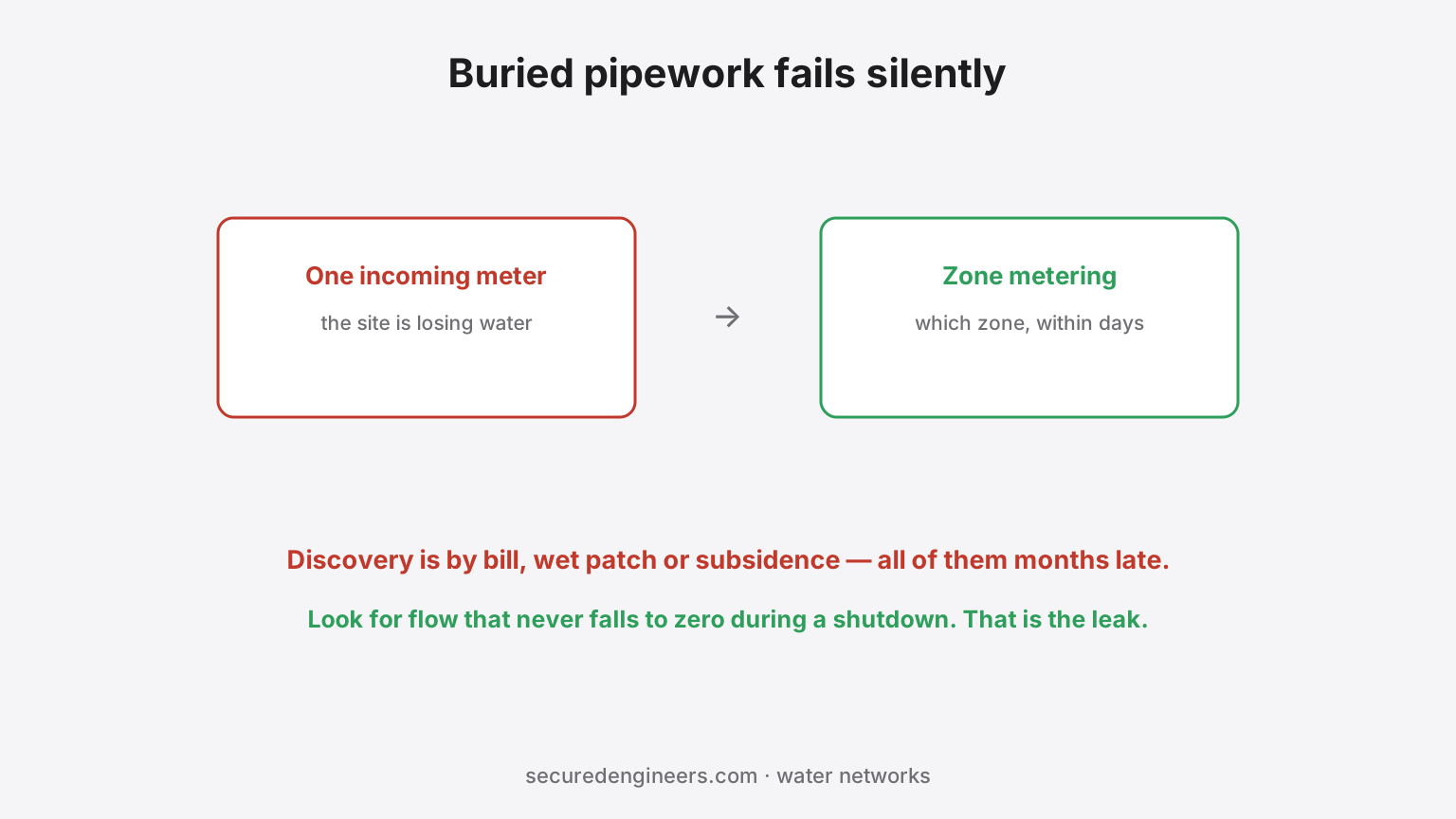
The Leak Started in March. You Found It in the August Water Bill.
Buried and concealed pipework fails silently. On an industrial site the loss is discovered by a bill, a wet patch or a sinkhole — all of them late. Flow monitoring finds it in days by watching for consumption that never stops.
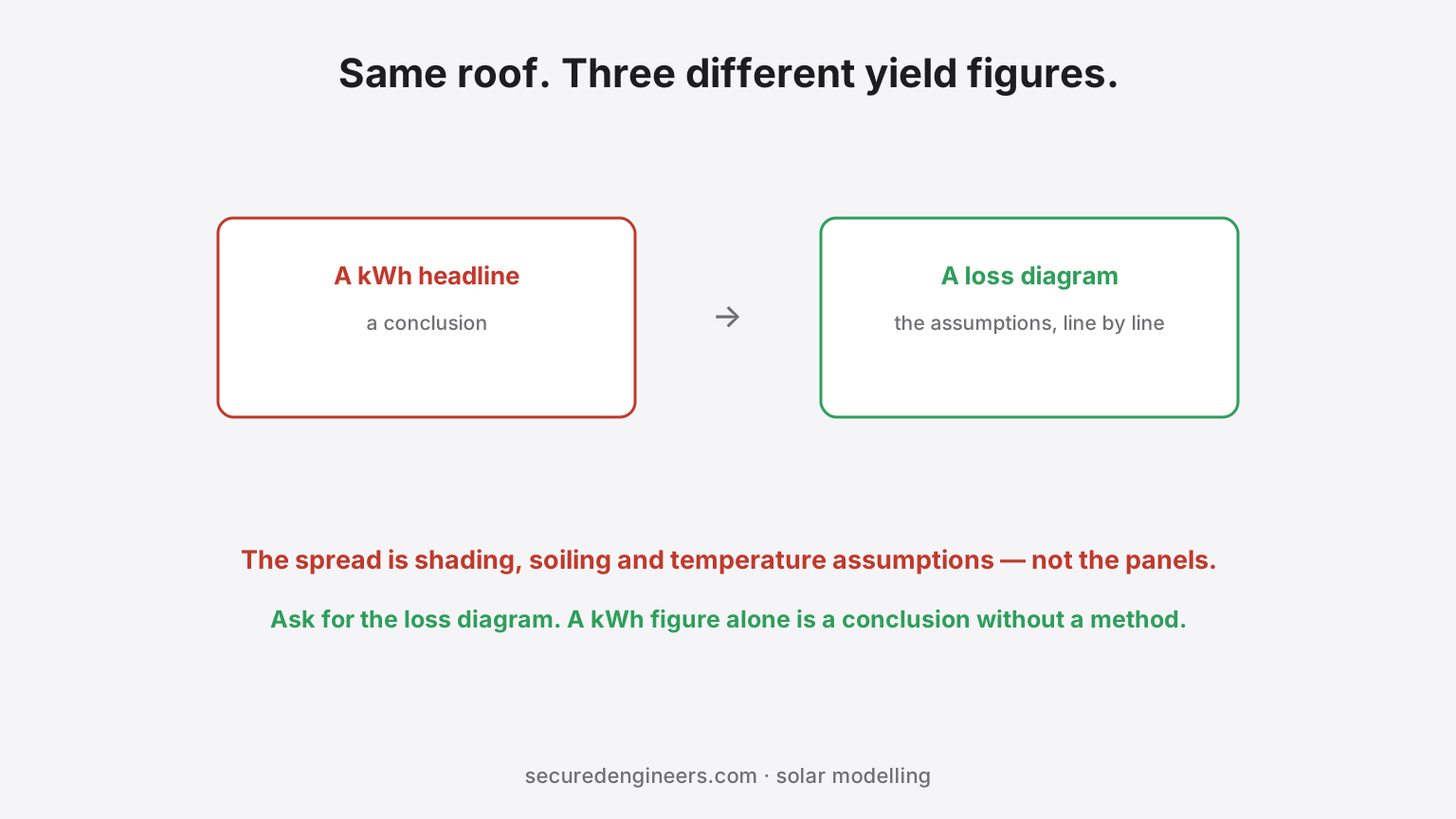
Three Vendors, One Roof, Three Different Generation Figures.
Solar yield estimates for the same roof routinely differ by double digits. The gap is rarely the panels — it is what each model assumed about shading, soiling, temperature and losses, and almost none of it is visible in the headline number.

A Plant Down 8% Looks Exactly Like a Plant Working Fine.
Solar underperformance is invisible from the ground and rarely obvious in the monitoring portal. Aerial thermography inspects every module in a fraction of the time a manual survey takes — and finds the specific failures that inverter data cannot localise.
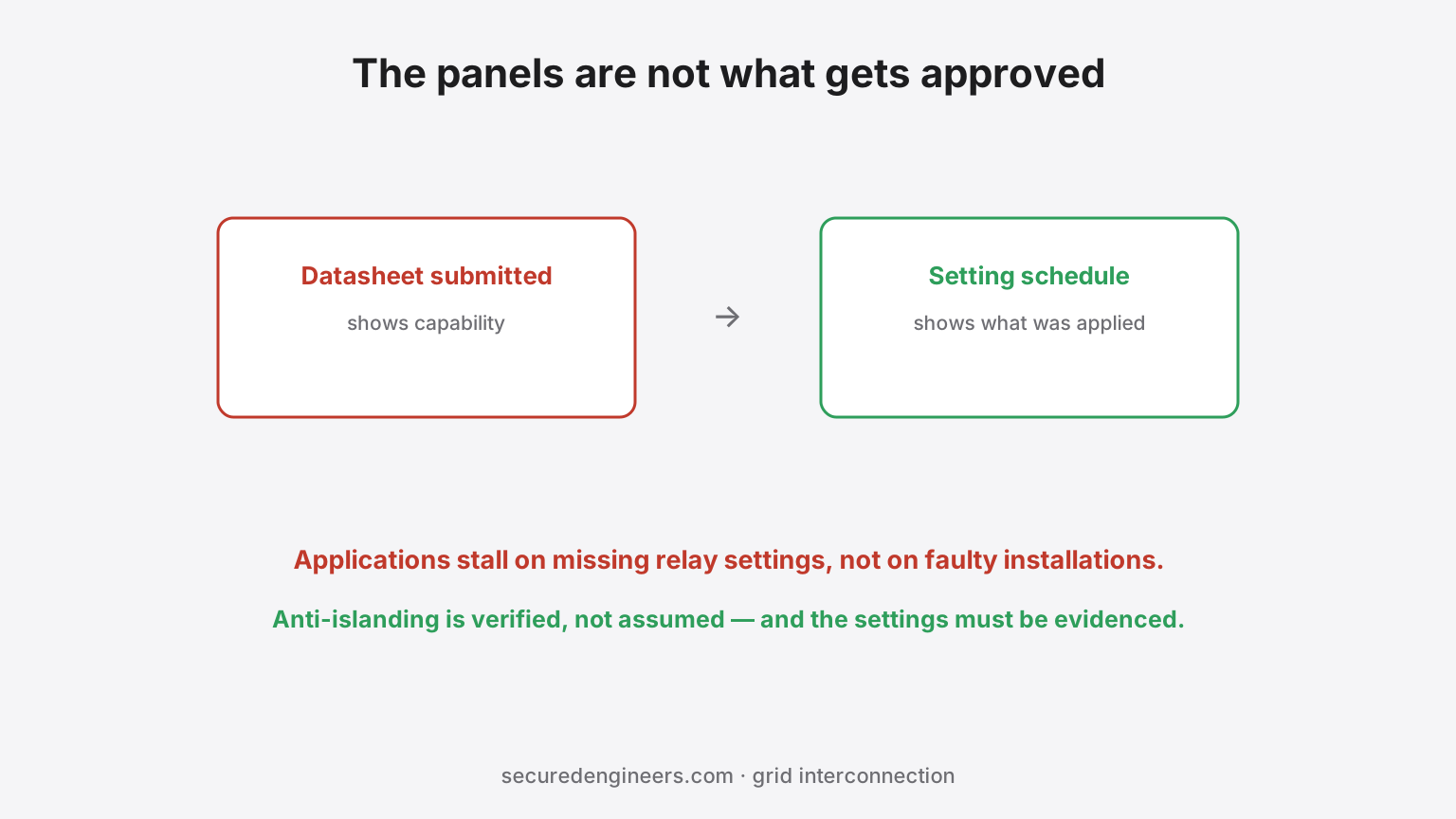
The Array Is Built. The Protection Settings Decide Whether It Ever Exports.
A rooftop plant cannot export until the DISCOM is satisfied it will disconnect safely, protect its own network, and stay within limits. Those requirements sit in the protection settings and the interconnection documentation, not in the panels.
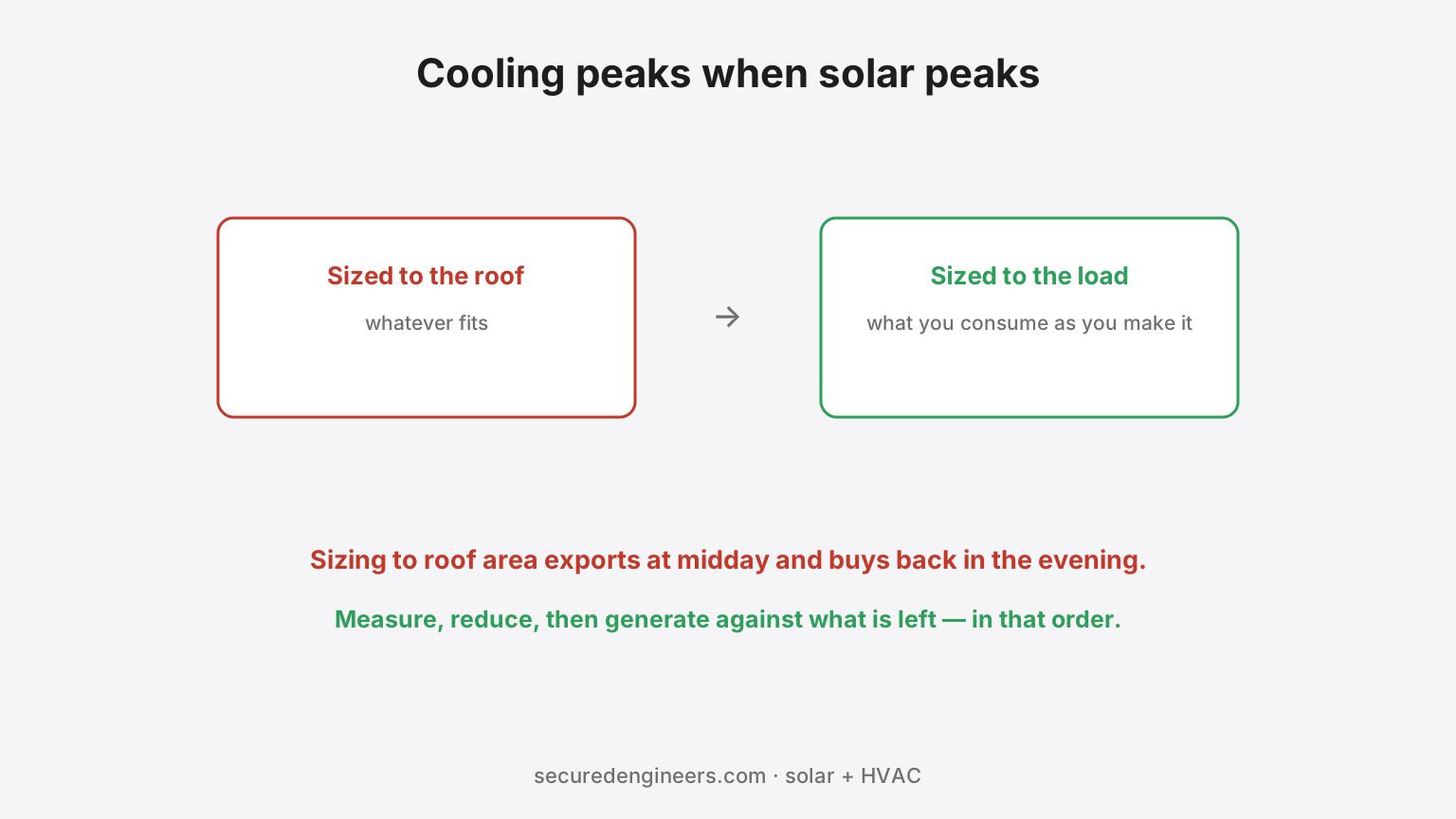
Your Biggest Daytime Load and Your Solar Peak Happen at the Same Hour.
Cooling demand and solar generation both peak with the sun. That coincidence is the strongest argument for rooftop solar on an air-conditioned building — and it only pays out if the array is sized against the cooling profile rather than the roof area.
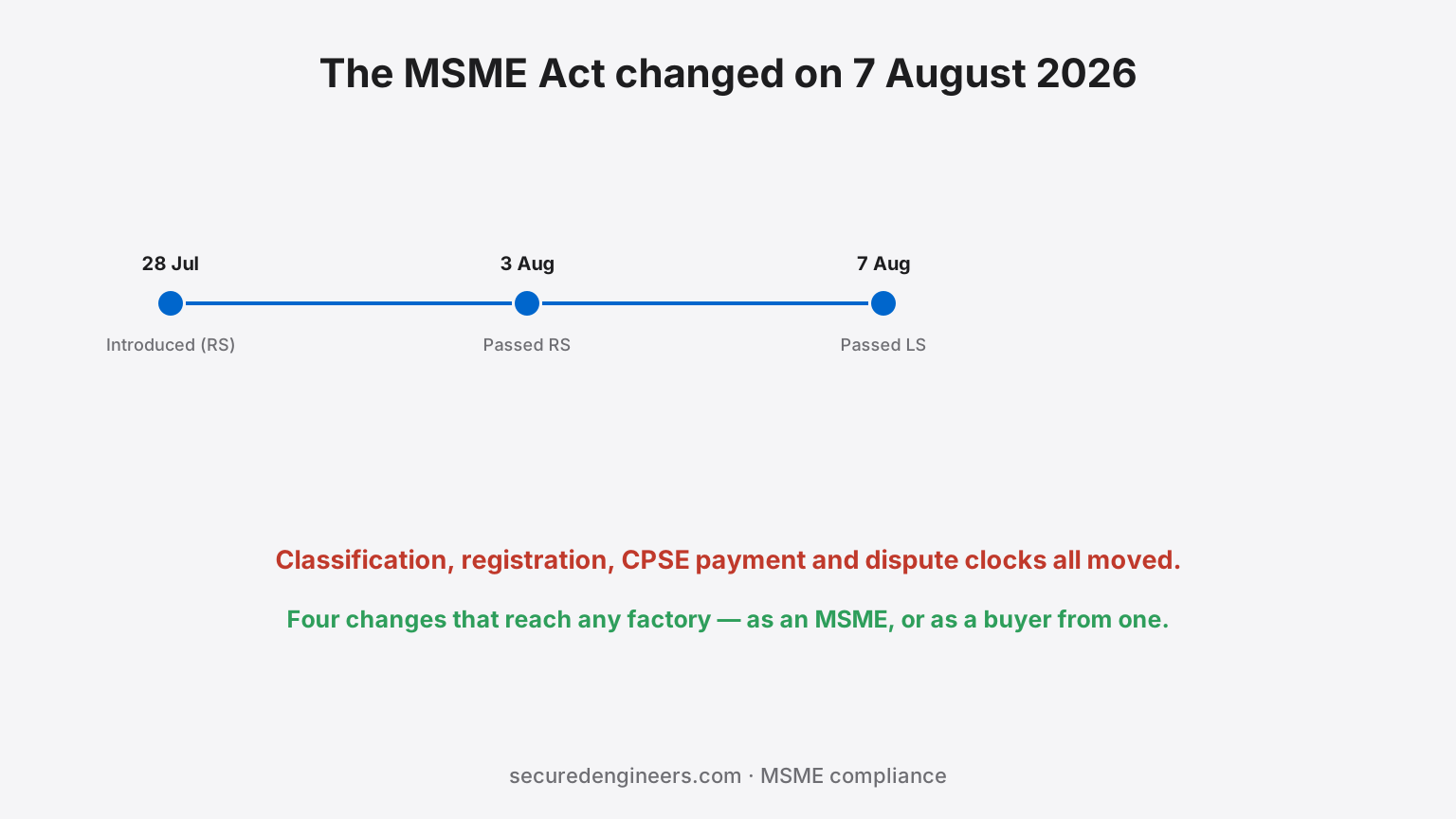
The MSME Act Just Changed. Here Is What It Means for a Factory Owner.
Parliament passed the MSME Development (Amendment) Bill on 7 August 2026. It moves classification thresholds out of the Act, makes registration voluntary, puts CPSE payments on TReDS, and imposes hard clocks on delayed-payment disputes.
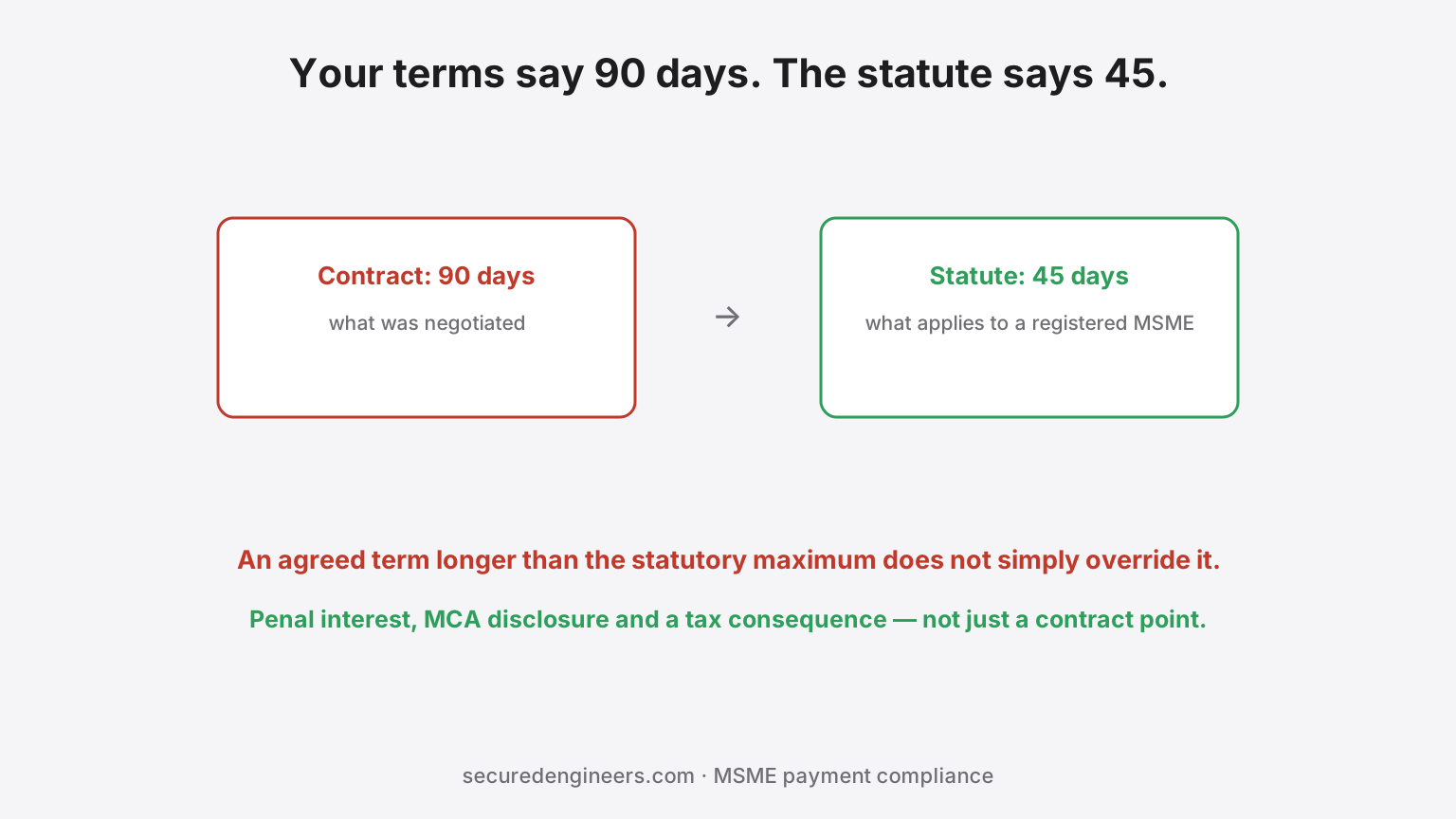
Your MEP Contractor Is an MSME. Your Payment Terms Say 90 Days.
Construction payment terms are negotiated as though they are free to agree. Where the supplier is a registered MSME, the statutory 45-day clock does not care what the contract says — and the consequences of ignoring it are financial, not merely contractual.
Ready to start your project?
Get a free consultation and quote. We design, take all approvals, and execute — you stay stress-free.